


About Sichuan
Sichuan at a glance
- Population
- 83,180,000Year-end resident population, entire provincial-level administrative area · 2025Source ↗
- Income per person
- 36,120Mean annual disposable income per person, all residents · 2025 · CNYSource ↗
- Languages & dialects
- Mandarin and Sichuan varieties of Southwestern Mandarin; Tibetan (藏语), Yi (彝语) and other community languages.Source ↗
- Geography
- Eastern Sichuan Basin, northwestern plateau and southwestern mountains and deep river valleys.Source ↗
- Elevation
- Northwestern plateau generally 3,000–5,000 m; the eastern basin is much lower.Regional terrain comparison, not a single altitude for Sichuan.Source ↗
- Main gateway
- ChengduProvince

Discover Sichuan
Build a first chapter around the basin
Chengdu offers neighbourhood meals, teahouses and contemporary urban life alongside its major sights. Nearby Guanghan introduces ancient Shu archaeology at Sanxingdui, while Dujiangyan explains the relationship between water management and the productive plain. These provide contrasting cultural subjects within a basin-focused journey. Keep their geographic identities clear: Guanghan is a separate city, and a provincial museum excursion is different from a walk through central Chengdu. Allow time for the city itself between outward visits.
Choose a southern food and heritage route
Leshan and Mount Emei share a heritage listing but are different visits, with separate scenic approaches and accommodation choices. Leshan also rewards staying for boboji, sweet-skin duck and qiaojiao beef. Farther south, Yibin's ranmian and Zigong's salt-history setting open other culinary chapters, including the distinct kitchens around Fushun. Select the cities that interest you and give each a meal and an evening, rather than using them only as short stops between major monuments.
Treat highland journeys as a different commitment
Jiuzhaigou and Huanglong introduce northern mountain waters, while routes toward Kangding and Xinduqiao reach another western landscape and cultural setting. These destinations are not repeated day trips from a Chengdu hotel. Elevation, road connections and local conditions change the planning, and rail access to a gateway does not remove the final valley transfer. Choose a limited mountain route with suitable overnight bases and current access information, leaving the rest of western Sichuan for another journey.
Explore Sichuan
Core places to explore, with English and Chinese names.
Chengdu 成都
Tianfu International Airport 成都天府国际机场
Dujiangyan Irrigation System 都江堰水利工程
Mount Qingcheng 青城山
Chengdu Research Base of Giant Panda Breeding 成都大熊猫繁育研究基地
Jinsha site 金沙遗址
Wuhou Shrine 武侯祠
Anren Ancient Town 安仁古镇
Sanxingdui Museum 三星堆博物馆
Deyang Confucian Temple 德阳文庙
Zigong Dinosaur Museum 自贡恐龙博物馆
Shenhai Well 燊海井
Rongxian Giant Buddha 荣县大佛
Ertan Lake 二滩湖
Yaoba Ancient Town 尧坝古镇
Fobao Ancient Town 福宝古镇
Longnao Bridge 龙脑桥
Qiqushan Temple 七曲山大庙
Bao'en Temple, Pingwu 平武报恩寺
Jianmen Pass 剑门关
Huangze Temple 皇泽寺
Qianfo Cliff, Guangyuan 广元千佛崖
Guangde Temple, Suining 遂宁广德寺
Longchang Stone Archways 隆昌石牌坊
Leshan Giant Buddha 乐山大佛
Mount Emei 峨眉山
Leshan 乐山
Luocheng Ancient Town 罗城古镇
Langzhong 阆中古城
Zhu De Former Residence 朱德故居
Shengzhong Lake 升钟湖
Shunan Zhuhai National Park 蜀南竹海
Deng Xiaoping Former Residence 邓小平故居
Guangwu Mountain 光雾山
Nuoshui River 诺水河
Bifengxia 碧峰峡
Shangli Ancient Town 上里古镇
Three Su Shrine 三苏祠
Wawu Mountain 瓦屋山
Piludong 毗卢洞
Jiuzhaigou Valley 九寨沟
Huanglong Scenic and Historic Interest Area 黄龙风景名胜区
Mount Siguniang 四姑娘山
Wolong National Nature Reserve 卧龙国家级自然保护区
Bipenggou 毕棚沟
Dagu Glacier 达古冰川
Songpan Ancient City 松潘古城
Ruoergai Grassland 若尔盖草原
Hailuogou 海螺沟
Yading 稻城亚丁
Kangding 康定
Dege Parkhang 德格印经院
Luding Bridge 泸定桥
Litang Monastery 长青春科尔寺
Xichang 西昌
Qionghai Lake 邛海
Lugu Lake, Sichuan Shore 泸沽湖四川岸
Luoquan Ancient Town 罗泉古镇
Dazhou Museum 达州博物馆
Enyang Ancient Town 恩阳古镇
Nankan Buddhist Cliff Carvings 南龛摩崖造像
Mengding Mountain 蒙顶山
Lizhuang Ancient Town 李庄古镇
Bashan Grand Canyon 巴山大峡谷
Jinli Street 锦里
Kuanzhai Alleys 宽窄巷子
Dujiangyan Panda Base 都江堰中华大熊猫苑
Wenshu Monastery 文殊院
Jiajiang Thousand Buddha Cliff 夹江千佛岩
Daci Temple 大慈寺
People's Park (Chengdu) 成都人民公园
Du Fu Thatched Cottage 杜甫草堂
Sichuan Museum 四川博物院
Qingyang Palace 青羊宫
Chengdu Museum 成都博物馆
Yongling Mausoleum 永陵
Wangjianglou Park 望江楼公园
Dongjiao Memory 东郊记忆
Chengdu Natural History Museum 成都自然博物馆
Baoguang Temple 宝光寺
Huanglongxi Ancient Town 黄龙溪古镇
Wangcong Shrine 望丛祠
Sichuan Cuisine Museum 川菜博物馆
Guanyin Temple, Xinjin 新津观音寺
Pingle Ancient Town 平乐古镇
Tiantai Mountain, Qionglai 邛崃天台山
Jiezi Ancient Town 街子古镇
Yanhua Pond Garden 罨画池
Jianchuan Museum Cluster 建川博物馆聚落
Liu's Manor 刘氏庄园
Xiling Snow Mountain 西岭雪山
Wuyou Temple 乌尤寺
Oriental Buddha Park 东方佛都
Guo Moruo Former Residence 郭沫若故居
Meinu Peak 美女峰
Jinkouhe Grand Canyon 金口河大峡谷
Qianwei Confucian Temple 犍为文庙
Heizhugou 黑竹沟
Muchuan Bamboo Sea 沐川竹海
Suji, Leshan 苏稽
Zigong Salt History Museum 自贡市盐业历史博物馆
Jiangyou Li Bai Memorial 李白纪念馆
Zhaohua Ancient Town 昭化古城
Xingwen Stone Sea Geopark 兴文石海世界地质公园
Liujiang Ancient Town 柳江古镇
Taoping Qiang Village 桃坪羌寨
Tagong Monastery 塔公寺
Zhonglu Tibetan Village 中路藏寨
Wenchuan Special Tourism Area 汶川特别旅游区
Beichuan Qiang Town Tourism Area 北川羌城旅游区
Anren Ancient Town and Liu Family Manor 安仁古镇与刘氏庄园
Xinchang Ancient Town 新场古镇
Huashuiwan Hot Spring 花水湾温泉
Yuantong Ancient Town 元通古镇
Danjing Mountain 丹景山
Longmenshan Jianjiang River Valley 龙门山湔江河谷
Bailu Sino-French Style Town 白鹿中法风情小镇
Guanyin Temple Murals 观音寺壁画
Baoguang Temple and Guihu Lake 宝光寺与桂湖
Guose Tianxiang Theme Park 国色天乡乐园
Sancha Lake 三岔湖
Chengjia Tea Country 成佳茶乡
Mingyue Village 明月村
Tiantai Mountain 天台山
Qiong Kiln Archaeological Park 邛窑考古遗址公园
Sandaoyan Water Town 三道堰
Mount Qingcheng Front Mountain 青城前山
Mount Qingcheng Back Mountain 青城后山
Guanxian Ancient City and Nanqiao Bridge 灌县古城与南桥
Wufeng Ancient Town 五凤溪古镇
Jiuyan Bridge and Anshun Covered Bridge 九眼桥与安顺廊桥
Chunxi Road and Taikoo Li 春熙路与太古里
Chengxiang Ancient City 城厢古城
People's Park and Heming Teahouse 人民公园与鹤鸣茶社
Jinsha Site Museum 金沙遗址博物馆
Luodai Ancient Town 洛带古镇
Huang Jiguang Memorial Hall 黄继光纪念馆
Yinghua Mountain 蓥华山
Mianzhu New Year Painting Village 绵竹年画村
Baima Pass and Pang Tong Shrine 白马关与庞统祠
Qijiang Ancient Town and Han Cliff Tombs 郪江古镇与汉崖墓群
Jiuhuang Mountain 九皇山
Medicine King Valley 药王谷
Bao'en Temple 报恩寺
Huya Grand Canyon 虎牙大峡谷
Two Bombs City 两弹城
Li Bai's Hometown 李白故里
Douchuan Mountain 窦圌山
Foye Cave 佛爷洞
Mianyang Science and Technology Museum 绵阳科技馆
Mianyang Museum 绵阳博物馆
Yuewang Tower 越王楼
Guangyuan Thousand-Buddha Cliff 千佛崖
Tianzhao Mountain 天曌山
Lanmaqiang Ancient Shu Road 拦马墙古蜀道
Cuiyun Corridor 翠云廊
Micangshan Grand Canyon 米仓山大峡谷
Tangjiahe Nature Reserve Visitor Area 唐家河自然保护区开放游览区
Qingxi Ancient City 青溪古城
Chinese Lantern World 中华彩灯大世界
Fushun Confucian Temple 富顺文庙
Chunqiu Temple 春秋祠
Taiping Ancient Town and Four Crossings of Chishui Memorial 太平古镇与四渡赤水纪念地
Huangjing Old Forest 黄荆老林
Luzhou Laojiao Distillery Scenic Area 泸州老窖旅游区
Luxian Song Dynasty Stone Carving Museum 泸县宋代石刻博物馆
Chen Zi'ang Study Terrace 陈子昂读书台
Guangde Temple 广德寺
Lingquan Temple 灵泉寺
Daqian Garden and Zhang Daqian Memorial Hall 大千园与张大千纪念馆
Zizhong Confucian Temple and Martial Temple 资中文庙与武庙
Longchang Stone Memorial Archways 隆昌石牌坊群
Jiajiang Thousand-Buddha Cliff 千佛岩
Jiazhou Ancient City and Suji Ancient Town 嘉州古城与苏稽古镇
Jiayang Narrow-Gauge Steam Train 嘉阳小火车
Dadu River Jinkou Grand Canyon 大渡河金口大峡谷
Zhu De's Hometown 朱德故里
Zhouzi Ancient Town 周子古镇
Tiangong Temple 天宫院
Xishan Scenic Area 西山风景区
Lingyun Mountain 凌云山
Lao'e Mountain 老峨山
Heilongtan Reservoir 黑龙滩
Caoyutan Scenic Area 槽渔滩
Xingwen Stone Sea 兴文石海
Longhua Ancient Town 龙华古镇
Wuliangye Distillery Industrial Tour 五粮液酒厂工业旅游
Huaying Mountain 华蓥山
Deng Xiaoping's Hometown 邓小平故里
Baozhen Fortress 宝箴塞
Tianyi Valley 天意谷
Batai Mountain 八台山
Longtan River Gorge 龙潭河
Wufeng Mountain Bamboo Sea 五峰山竹海
Quxian Han Dynasty Pillar Gates 渠县汉阙
Erlangshan Labahe Scenic Area 二郎山喇叭河
Shenmulei Scenic Area 神木垒
Fengtongzhai Dengchigou Village 蜂桶寨邓池沟
Dawagengzha Scenic Area 达瓦更扎
Jiaoding Mountain 轿顶山
Wanggangping Scenic Area 王岗坪
Anshunchang Ferry Crossing 安顺场
Niubei Mountain 牛背山
Longcanggou Forest Park 龙苍沟
Micangshan National Forest Park 米仓山国家森林公园
Nankan Grottoes 南龛石窟
Chen Yi's Hometown 陈毅故里
Anyue Stone Carvings Main Sites 安岳石刻重点开放点
Shiyang Ancient Town 石羊古镇
Panzhihua China Third Front Construction Museum 攀枝花中国三线建设博物馆
Ertan Scenic Area 二滩
Gesala Eco-Tourism Area 格萨拉生态旅游区
Zhuanxu Dragon Cave 颛顼龙洞
Mounigou Valley 牟尼沟
Wolong Shenshuping Giant Panda Base 卧龙中华大熊猫苑神树坪基地
Yingxiu Earthquake Ruins and Memorial Hall 映秀地震遗址与纪念馆
Shuimo Ancient Town 水磨古镇
Ganbao Tibetan Village 甘堡藏寨
Miyaluo Autumn Foliage 米亚罗彩林
Emetang Flower Sea 俄么塘花海
Hongyuan Moon Bay 红原月亮湾
Ruo'ergai Flower Lake 若尔盖花湖
Langmusi Kirti Monastery Sichuan Side 郎木寺四川侧格尔底寺
First Bend of the Yellow River 黄河九曲第一湾
Diexi Songpinggou Valley 叠溪松坪沟
China Ancient Qiang City 中国古羌城
Jinchuan Pear Blossom Valley 金川梨花河谷
Guanyinqiao Scenic Area 观音桥
Lianbao Yeze Scenic Area 莲宝叶则
Kirti Monastery 格尔登寺
Zhuokeji Chieftain's Residence 卓克基土司官寨
Xisuo Tibetan Village 西索民居
Naizigou Autumn Foliage 奶子沟彩林
Suopo Watchtowers 梭坡碉楼
Jiaju Tibetan Village 甲居藏寨
Dangling Scenic Area 党岭
Wuxuhai Lake 伍须海
Xiangcheng White Tibetan House Villages 乡城白藏房村落
Cuopu Valley 措普沟
Tagong Grassland and Tagong Monastery 塔公草原与塔公寺
Xinduqiao Town 新都桥
Mugecuo Lake 木格措
Zheduo Mountain Official Viewpoints 折多山沿线正规观景点
Sun Valley 太阳谷
Xinluhai Lake 新路海
Kasa Lake 卡萨湖
Letong Old Town and Thousand-Household Tibetan Village 勒通古镇·千户藏寨
Mount Genie Official Viewing Trails 格聂山正规开放观景线路
Ganzi Monastery 甘孜寺
King Gesar City 格萨尔王城
Baiyu Monastery 白玉寺
Songge Mani Stone Scripture City 松格玛尼石经城
Haizishan Plateau Official Viewing Route 海子山正规开放路段
Moshi Park 墨石公园
Bamei and Huiyuan Monastery 八美与惠远寺
Yuke Grassland 玉科草原
Huili Ancient City 会理古城
Xichang Satellite Launch Centre Scenic Area 西昌卫星发射中心旅游区
Lingshan Temple 灵山寺
Luoji Mountain 螺髻山
Luoji Ninety-Nine Li Hot Spring Waterfalls 螺髻九十九里温泉瀑布
Lugu Lake Sichuan Side 泸沽湖四川段
Qionghai Lake and Lushan Mountain 邛海与泸山
Jianchang Ancient City 建昌古城
Yuexi Hometown of Wenchang 越西文昌故里
Mahu Lake 马湖
Jiuzhaigou Valley 九寨沟
Dujiangyan Irrigation System 都江堰水利工程
Sichuan local specialties
四川特色美食 · 275 specialties to discover
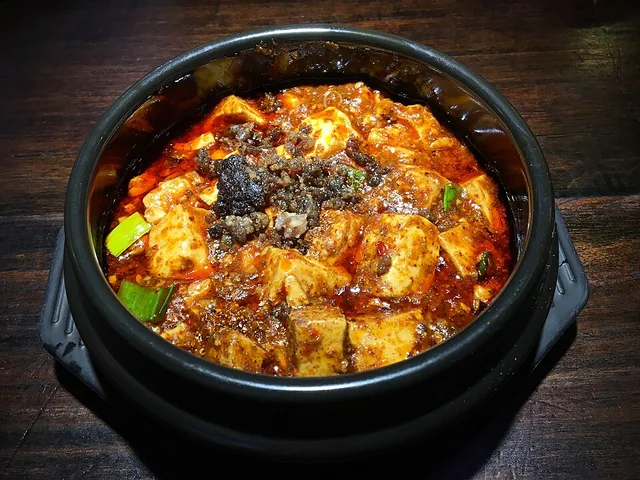 Mapo tofu 麻婆豆腐
The tofu remains tender and slippery beneath an assertive spicy, savory sauce. Meat and fermented beans create texture and depth between the soft cubes.
Source ↗Read the dish guide →Photo adjustments
EXIF orientation applied where present; resized proportionally to at most 640 px on the long edge and encoded as WebP. No crop, retouching, recoloring or subject changes.
 Twice-cooked pork 回锅肉
The slices develop browned edges while retaining soft fat, with a savory fermented-bean aroma and gentle-to-strong heat.
Source ↗Read the dish guide →Photo adjustments
EXIF orientation applied where present; resized proportionally to at most 640 px on the long edge and encoded as WebP. No crop, retouching, recoloring or subject changes.
 Dandan noodles 担担面
The noodles combine springy chew with spicy, aromatic and deeply savory seasoning. Sauce can collect underneath, so the first unmixed bite may be misleading.
Source ↗Read the dish guide →Photo adjustments
EXIF orientation applied where present; resized proportionally to at most 640 px on the long edge and encoded as WebP. No crop, retouching, recoloring or subject changes.
 Leshan bobo chicken 乐山钵钵鸡
The food is cool or room-temperature, with tender meat, crisp vegetables and a savory, often numbing-spicy coating. It is a prepared skewer dish rather than raw ingredients cooked at the table.
Source ↗Read the dish guide →Photo adjustments
EXIF orientation applied where present; resized proportionally to at most 640 px on the long edge and encoded as WebP. No crop, retouching, recoloring or subject changes.
 Leshan qiaojiao beef 乐山跷脚牛肉
Tender beef, firmer organs and a clear savory liquid provide varied textures, with the dip supplying much of the sharp heat.
Source ↗Read the dish guide →Photo adjustments
EXIF orientation applied where present; resized proportionally to at most 640 px on the long edge and encoded as WebP. No crop, retouching, recoloring or subject changes.
 Leshan sweet-skin duck 乐山甜皮鸭
The skin balances sweetness with savory duck flavor, while the meat remains firm and juicy. It offers a different seasoning profile from chili-heavy Sichuan dishes.
Source ↗Read the dish guide →Photo adjustments
EXIF orientation applied where present; resized proportionally to at most 640 px on the long edge and encoded as WebP. No crop, retouching, recoloring or subject changes.
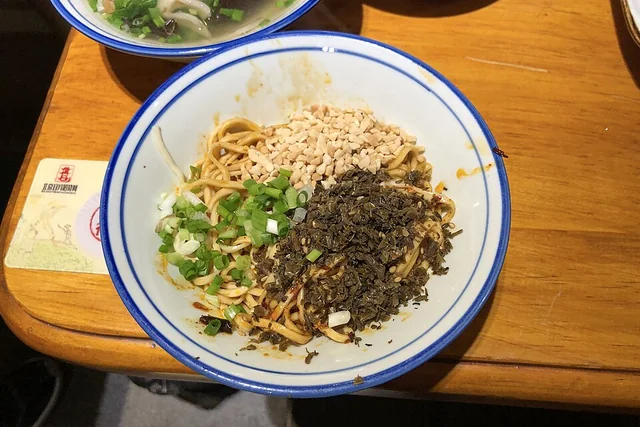 Yibin ranmian 宜宾燃面
The noodles are firm, oily and savory, with nutty crunch and a concentrated seasoning that clings to each strand. Chili is part of many versions.
Source ↗Read the dish guide →Photo adjustments
EXIF orientation applied where present; resized proportionally to at most 640 px on the long edge and encoded as WebP. No crop, retouching, recoloring or subject changes.
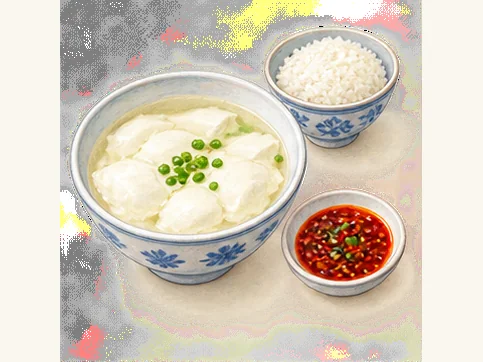 Fushun douhua 富顺豆花AI dish illustration · AI 菜品示意图
The curd is fragile and mild, while chili, aromatics and fermented seasonings in the dip create a concentrated contrast.
Source ↗Read the dish guide →All dish names · 全部菜名 (275)
- Mapo tofu · 麻婆豆腐
- Twice-cooked pork · 回锅肉
- Dandan noodles · 担担面
- Leshan bobo chicken · 乐山钵钵鸡
- Leshan qiaojiao beef · 乐山跷脚牛肉
- Leshan sweet-skin duck · 乐山甜皮鸭
- Yibin ranmian · 宜宾燃面
- Fushun douhua · 富顺豆花
- Zigong fresh-pot rabbit · 自贡鲜锅兔
- Kung pao chicken · 宫保鸡丁
- Fuqi beef and offal slices · 夫妻肺片
- Qingcheng chicken with ginkgo nuts · 白果炖鸡
- Jianyang mutton soup · 简阳羊肉汤
- Zigong cold spicy rabbit · 自贡冷吃兔
- Sichuan chili-broth beef · 水煮牛肉
- Yanbian oil-preserved pork · 盐边油底肉
- Panzhihua lamb rice noodles · 攀枝花羊肉米线
- Gulin spicy chicken · 古蔺麻辣鸡
- Luzhou yellow rice cakes · 泸州黄粑
- Xuyong bean-broth noodles · 叙永豆汤面
- Xiaoquan sauce-coated beef · 孝泉裹汁牛肉
- Zhongjiang fine hanging noodles · 中江挂面
- Mianyang rice noodles · 绵阳米粉
- Jiangyou braised pork intestine · 江油肥肠
- Zitong layered banquet bowl · 梓潼镶碗
- Guangyuan steamed cold rice noodles · 广元女皇蒸凉面
- Chaotian walnut flatbread · 朝天核桃饼
- Suining sweet-potato balls · 遂州红苕丸子
- Pengxi ginger cake · 蓬溪姜糕
- Banbanqiao fried rice cakes · 内江板板桥油炸粑
- Luoquan tofu buns · 罗泉豆腐包子
- Emei eel strips · 峨眉鳝丝
- Xiba lantern tofu · 西坝灯笼豆腐
- Northern Sichuan jelly noodles · 川北凉粉
- Yingshan rice noodles · 营山米粉
- Dongpo braised pork elbow · 东坡肘子
- Danling fermented rice cakes · 丹棱冻粑
- Lizhuang paper-thin pork · 李庄白肉
- Yuechi rice noodles · 岳池米粉
- Dazhou steamed lamb cups · 羊肉格格
- Yaan fish casserole · 雅安砂锅雅鱼
- Yingjing hand-slapped noodles · 荥经挞挞面
- Bazhong yellow-goat soup · 滋补黄羊汤
- Lezhi barbecue · 乐至烤肉
- Songpan traditional hotpot · 松潘土火锅
- Yogurt with silverweed roots · 酸奶人参果
- Ganzi hearth-baked bread · 火烧子馍馍
- Xichang brazier barbecue · 西昌火盆烧烤
- Yi chunky pork · 彝家乌金坨坨肉
- Huili chicken-and-ham rice cakes · 会理鸡火丝饵块
- Qingchuan copper hotpot · 青川铜火锅
- Zhe'ergen herb salad · 凉拌折耳根
- Sichuan chicken in chilli sauce · 口水鸡
- Sichuan brined pickled vegetables · 四川泡菜
- Sichuan sliced pig ears in chilli oil · 红油耳片
- Sichuan mixed-spice broad beans · 怪味胡豆
- Zigong paper-thin dried beef · 自贡火边子牛肉
- Niufo slow-braised pork hock · 牛佛烘肘
- Yingjing bangbang chicken · 荥经棒棒鸡
- Shimian barbecue · 石棉烧烤
- Tianquan peppercorn chicken · 天全椒麻鸡
- Hanyuan jar-preserved pork · 汉源坛子肉
- Hanyuan peppercorn fish · 汉源贡椒鱼
- Qiuxi catfish · 球溪鲶鱼
- Luoquan tofu feast · 罗泉豆腐宴
- Danshan cold starch jelly · 丹山凉粉
- Luzhou white steamed rice cakes · 泸州白糕
- Kaijiang tofu-skin bamboo pork · 开江豆笋回锅肉
- Shiti steamed fish · 达川石梯蒸鱼
- Xuanhan mala chicken · 宣汉麻辣鸡
- Chengdu maocai mixed spicy bowl · 成都冒菜
- Leshan tofu pockets with radish · 乐山夹丝豆腐干
- Dengying thin beef slices · 灯影牛肉
- Daqian Dry-Braised Fish · 大千干烧鱼
- Chicken douhua in clear broth · 鸡豆花
- Cabbage in clear consommé · 开水白菜
- Plain-Steamed Jiangtuan Catfish · 清蒸江团
- Fish-fragrant pork slivers · 鱼香肉丝
- Chengdu hotpot · 成都火锅
- Chuanchuan · 串串香
- Sweet-water noodles · 甜水面
- Long wontons · 龙抄手
- Zhong dumplings · 钟水饺
- Egg-baked filled pancakes · 蛋烘糕
- Sugar-oil rice balls · 糖油果子
- Three Cannon rice cakes · 三大炮
- Lai tangyuan · 赖汤圆
- Han Baozi Pork Buns · 韩包子
- Sweet-potato noodles with pork intestine · 肥肠粉
- Sichuan spiced rabbit head · 兔头
- Juntun guokui · 军屯锅盔
- Camphor-tea smoked duck · 樟茶鸭子
- Chengdu Cured and Smoked Duck · 成都板鸭
- Luodai sorrowful jelly noodles · 伤心凉粉
- Sichuan wontons in chilli oil · 红油抄手
- Bingfen jelly with brown-sugar syrup · 冰粉
- Brown-sugar glutinous-rice cakes · 红糖糍粑
- Sichuan nine-bowl banquet · 九大碗
- Tiaoshui Rabbit · 跳水兔
- Zigong Salt Merchant Cuisine · 自贡盐帮菜
- Fushun Soft Tofu Dipping Sauce · 富顺豆花蘸水
- Quick Pan-Fried Chicken Pieces · 小煎鸡
- Cold Spicy Beef · 冷吃牛肉
- Cold Spicy Chicken Knee Cartilage · 冷吃掌中宝
- Rabbit with Young Ginger · 仔姜兔
- Scallion-Heaped Crucian Carp · 葱葱鲫鱼
- Fresh Chilli Fish · 鲜椒鱼
- Yanbian Mutton Rice Noodles · 盐边羊肉米线
- Oil-Preserved Pork · 油底肉
- Panzhihua Stir-Fried Chicken Chunks · 坨坨鸡
- Copper Hotpot · 铜火锅
- Pashachong Dobsonfly Larvae · 爬沙虫
- Qinghe Soymilk Soft Tofu · 箐河浑浆豆花
- Miyi Copper Hotpot · 米易铜火锅
- Yanbian Beef · 盐边牛肉
- Panzhihua Mango Banquet · 攀枝花芒果宴
- Roast Suckling Pig · 烤乳猪
- Leaf-Wrapped Yellow Rice Cake · 黄粑
- Luzhou Piglet-Shaped Sticky Rice Buns · 泸州猪儿粑
- Hejiang Grilled Fish · 合江烤鱼
- Naxi Puffed Sugar Candy · 纳溪泡糖
- Luzhou Puffed Pan-Baked Egg · 泸州烘蛋
- Luzhou Fei'er Nourishing Powder · 泸州肥儿粉
- Hejiang Lychee-Wood Fire Chicken · 合江荔枝柴火鸡
- Guanghan Thread-Bound Rabbit · 广汉缠丝兔
- Lianshan Twice-Cooked Pork · 连山回锅肉
- Luojiang Tofu-Skin Mock Chicken · 罗江豆鸡
- Shifang Cured Duck · 什邡板鸭
- Xiaoquan Guozhi Beef · 孝泉果汁牛肉
- Guanghan Golden Thread Noodles · 广汉金丝面
- Hongbai Tofu · 红白豆腐
- Mianzhu Rice Noodles · 绵竹米粉
- Zhongjiang Eight-Treasure Pastry · 中江八宝油糕
- Zitong Sliced Starch Noodles · 梓潼片粉
- Zitong Flaky Pastry · 梓潼酥饼
- Pingwu Cured Pork · 平武腊肉
- Beichuan Smoked Cured Pork · 北川腊肉
- Jiangyou Zhanzhan Dipping Snacks · 江油蘸蘸
- Jiangyou Cold Dipping Snacks · 江油冷沾沾
- Anxian Hongsu Crisps · 安县红酥
- Mianyang Xi Family Starch Jelly · 绵阳席凉粉
- Jiangji Soft Tofu · 蒋记豆花
- Guangyuan Steamed Cold Noodles · 广元蒸凉面
- Jianmen Pass Tofu Banquet · 剑门关豆腐宴
- Jiange Numbing-Spicy Skewers · 剑阁麻辣串
- Wangcang Hot and Sour Noodles · 旺苍酸辣粉
- Jianmen Tofu · 剑门豆腐
- Qingchuan Cured Pork · 青川腊肉
- Zengjiashan Smoked Cured Pork · 曾家山腊肉
- Pickle-Water Soft Tofu · 酸菜豆花
- Zhuotong Chicken · 卓筒鸡
- Pengxi Flat-Iron Rice Cakes · 蓬溪熨斗糕
- Shehong Beef · 射洪牛肉
- Suining Pressed Tofu Sheets · 遂宁豆腐皮
- Chuanshan Pressed Dried Tofu · 船山豆腐干
- Anju Paomatan Sour-Spicy Fish Chunks · 安居跑马滩砣砣鱼
- Guanyin Plain Fried Dough Twists · 观音素麻花
- Neijiang Beef Noodles · 内江牛肉面
- Zizhong Rabbit Noodles · 资中兔子面
- Zizhong Catfish · 资中鲶鱼
- Weiyuan Mutton Soup · 威远羊肉汤
- Longchang Red-Braised Duck · 隆昌红烧鸭
- Sweet City Candied Fruit · 甜城蜜饯
- Neijiang Crispy Braised Rabbit · 内江酥枣兔
- Neijiang Cold Starch Jelly · 内江凉粉
- Qiaojiao beef · 跷脚牛肉
- Boboji · 钵钵鸡
- Sweet-skinned duck · 甜皮鸭
- Tofu Pudding · 豆腐脑
- Leshan Barbecue · 乐山烧烤
- Fried skewers · 油炸串串
- Leaf-wrapped rice dumplings · 叶儿粑
- Xiba Tofu · 西坝豆腐
- Jiajiang Fermented Tofu · 夹江豆腐乳
- Suji Puffed Rice Candy · 苏稽米花糖
- Niuhua Spicy Hot Pot Skewers · 牛华麻辣烫
- Qianwei thin pancake rolls · 犍为薄饼
- Emei Tofu Pudding · 峨眉豆腐脑
- Mabian wontons · 马边抄手
- Leshan Chilled Rice Cake · 乐山凉糕
- Nanchong Rice Noodles · 南充米粉
- Shunqing Mutton Rice Noodles · 顺庆羊肉粉
- Zhang Fei Beef · 张飞牛肉
- Yingshan Cold Noodles · 营山凉面
- Xichong Lion Cake · 西充狮子糕
- Langzhong White Sugar Steamed Buns · 阆中白糖蒸馍
- Langzhong Beef Noodles · 阆中牛肉面
- Baoning Vinegar Fish · 保宁醋鱼
- Flatbread Stuffed with Cold Starch Jelly · 锅盔灌凉粉
- Peng'an Heshu Tofu · 蓬安河舒豆腐
- Yingshan Cured Duck · 营山板鸭
- Dongpo Pork · 东坡肉
- Dongpo Pickled Vegetables · 东坡泡菜
- Pengshan Sweet-Skinned Duck · 彭山甜皮鸭
- Hongya Bobo Chicken Skewers · 洪雅钵钵鸡
- Renshou Sesame Cake · 仁寿芝麻糕
- Qingshen Hanyang Chicken · 青神汉阳鸡
- Meishan Pickled Vegetables · 眉山泡菜
- Dongpo Fish · 东坡鱼
- Yibin Barbecue · 宜宾烧烤
- Shuanghe Chilled Rice Cake · 双河凉糕
- Junlian Starch Noodles · 筠连水粉
- Nanxi Dried Tofu · 南溪豆腐干
- Steamed Pork Belly with Preserved Greens · 芽菜扣肉
- Bamboo Sea All-Bamboo Banquet · 竹海全竹宴
- Pingshan Corn Cake · 屏山包谷粑
- Yibin Stewed Chicken Noodles · 宜宾炖鸡面
- Gao County Earthenware Hot Pot · 高县土火锅
- Xingwen Miao Zajiu Wine Pork · 兴文苗家咂酒肉
- Xufu Wine-Lees Preserved Eggs · 叙府糟蛋
- Wusheng Small Fish · 武胜渣渣鱼
- Linshui Seasoned Noodles · 邻水小面
- Guang'an Salted Century Eggs · 广安盐皮蛋
- Huaying Mountain Delicacies Banquet · 华蓥山珍宴
- Guxian Dried Tofu · 顾县豆干
- Wusheng Numbing-Spicy Beef · 武胜麻辣牛肉
- Yuechi Pressed Salted Duck · 岳池板鸭
- Guang'an Baked Cake · 广安烘糕
- Dazhou Basket-Steamed Mutton · 达州羊肉格格
- Xuanhan Beef · 宣汉牛肉
- Qu County Daylily Chicken Stew · 渠县黄花炖鸡
- Wanyuan Jiuyuan Black Chicken · 万源旧院黑鸡
- Dazhu Fermented Glutinous Rice · 大竹醪糟
- Kaijiang Rolled Tofu Skin · 开江豆笋
- Dazhou Youcha Savory Porridge · 达州油茶
- Qu County Gajiu Wine Pork · 渠县呷酒肉
- Ya'an Snow Trout · 雅鱼
- Ya'an Dada Noodles · 雅安哒哒面
- Hanyuan Pressed Noodles · 汉源榨榨面
- Baoxing Cured Pork · 宝兴腊肉
- Shimian Caoke Chicken · 石棉草科鸡
- Bazhong Zaolin Clear-Soup Fish · 巴中枣林鱼
- Tongjiang Silver Ear Chicken Soup · 通江银耳炖鸡
- Nanjiang Yellow Goat Soup · 南江黄羊汤
- Enyang Ten-Bowl Banquet · 恩阳十大碗
- Enyang Titang Sesame Cakes · 恩阳提糖麻饼
- Pingchang Jiangkou Bighead Carp · 平昌江口青鳙
- Tongjiang Banqiao Fried Dough Twists · 通江板桥麻花
- Bazhong Cured Pork · 巴中腊肉
- Nanjiang Walnut Cookies · 南江核桃酥
- Anyue Steamed Rice Rolls · 安岳米卷
- Anyue Lemon Chicken · 安岳柠檬鸡
- Linjiangsi Fish in Chili Bean Sauce · 临江寺豆瓣鱼
- Lezhi Lotus Root Starch · 乐至藕粉
- Ziyang Mutton Soup · 资阳羊肉汤
- Anyue Jar-Preserved Pork · 安岳坛子肉
- Yanjiang Rabbit Noodles · 雁江兔儿面
- Tibetan-Style Yak Meat · 藏式牦牛肉
- Tibetan Butter Tea · 酥油茶
- Highland Barley Cake · 青稞饼
- Tsampa Roasted Barley Flour · 糌粑
- Qiang Pounded Potato Cakes · 羌族洋芋糍粑
- Jiuzhaigou Yak Meat Soup Hot Pot · 九寨沟牦牛肉汤锅
- Wenchuan Cured Pork · 汶川腊肉
- Songpan Yak Jerky · 松潘牦牛肉干
- Jinchuan Fire-Baked Bread · 金川烧馍馍
- Dough Pieces in Pickled Vegetable Broth · 酸菜面块
- Yak Meat Soup Hot Pot · 牦牛肉汤锅
- Kangding Yak Meat · 康定牦牛肉
- Luding Cold Starch Jelly · 泸定凉粉
- Danba Cured Fragrant Pig Leg · 丹巴香猪腿
- Litang Yak Meat · 理塘牦牛肉
- Luhuo Tuanjie Steamed Buns · 炉霍团结包子
- Khampa Tibetan Cuisine · 康巴藏餐
- Highland Barley Wine · 青稞酒
- Yi-Style Boiled Meat Chunks · 坨坨肉
- Yi Pickled Vegetable Soup · 彝族酸菜汤
- Huili Flaky Steamed Buns · 会理抓酥包子
- Huili Shredded Chicken and Ham · 会理鸡火丝
- Mianning Cured Ham · 冕宁火腿
- Leibo Fish with Water Shield · 雷波莼菜鱼
- Xichang Drunken Shrimp · 西昌醉虾
- Yi Roast Suckling Pig · 彝族烤乳猪
- Buckwheat Flatbread · 荞麦饼
- Pickled Vegetable and Potato Soup · 酸菜土豆汤
Top sights in Sichuan
 TOP1九寨沟县
Jiuzhaigou is a protected mountain-valley landscape in northern Sichuan where clear lakes, waterfalls and limestone formations sit below forested slopes. Its appeal comes from the relationship between water, minerals, vegetation…
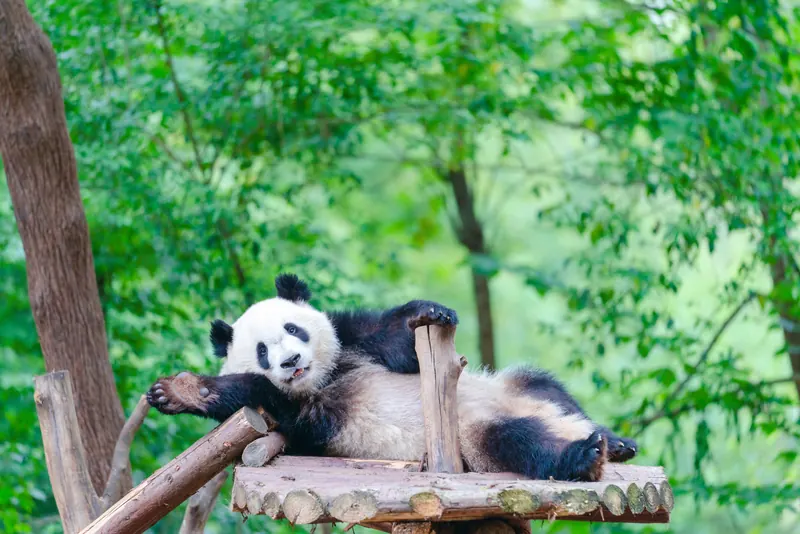 TOP2成都
Chengdu Panda Base combines giant-panda habitats with conservation interpretation across a large landscaped site. The Moon and Star nursery buildings have indoor viewing areas, while the Panda Museum explains the animals’…
 TOP3都江堰市
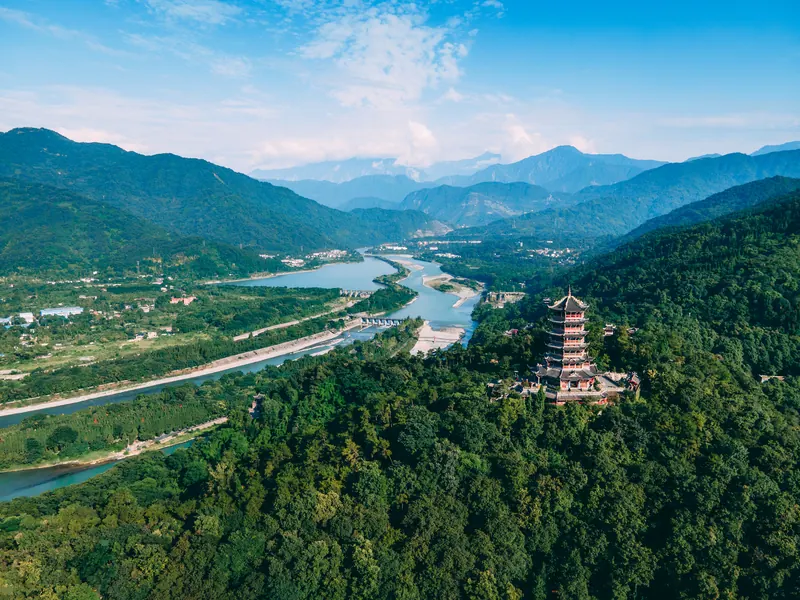
Dujiangyan is an operating water-management landscape, not simply an ancient monument. The Fish Mouth divides the Min River, while Feishayan and Baopingkou help regulate water and sediment entering the Chengdu Plain. Seeing the…
 TOP4成都
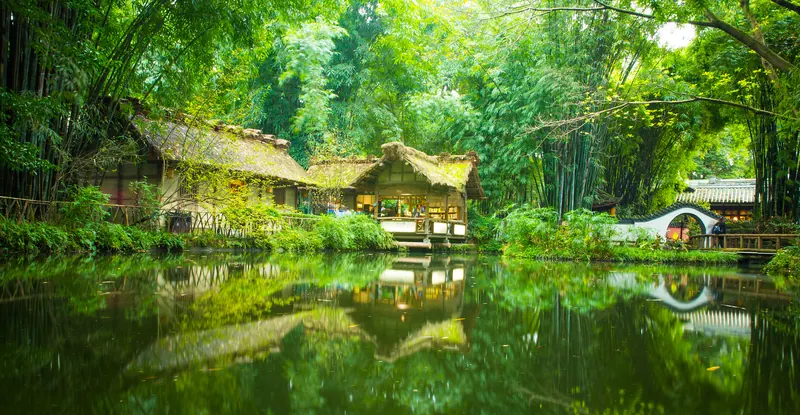
Du Fu Thatched Cottage is a garden and memorial museum dedicated to the Tang poet’s Chengdu years.
 TOP5成都
Mount Qingcheng’s front mountain combines a wooded climb with a sequence of Taoist temples. Jianfu Palace marks the lower approach, while higher halls connect the walk with the mountain’s long religious history. The experience…
 TOP6德阳
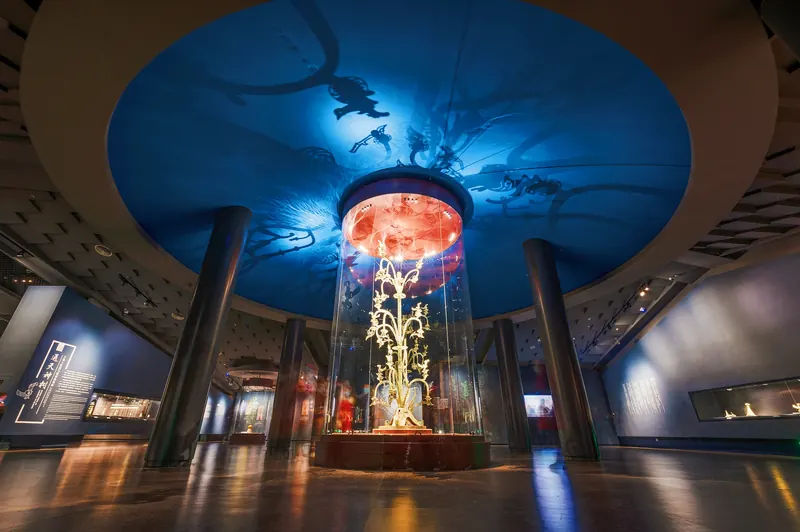
Sanxingdui Museum in Guanghan introduces the material culture of ancient Shu through unusually expressive bronze figures, masks and ritual objects. Its museum setting is distinct from the archaeological excavation area, although…
 TOP7乐山
Mount Emei combines Buddhist pilgrimage places with a large, varied mountain landscape. Temples occur at different elevations, so a visit can concentrate on religious architecture, forest walking or the high mountain, each with…
 TOP8成都
Wuhou Shrine commemorates Zhuge Liang and the Shu figures associated with the Three Kingdoms period.
 TOP9乐山
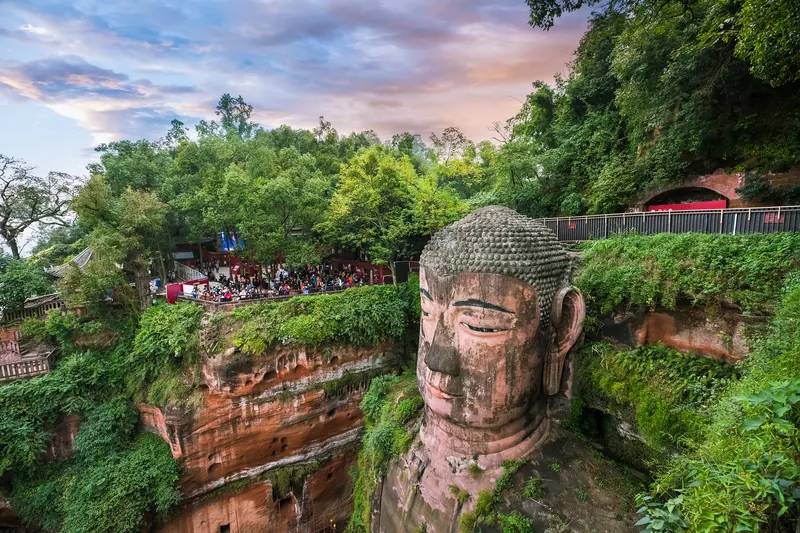
The Leshan Giant Buddha is a monumental seated figure carved into a riverside cliff, best understood through both its scale and its relationship to the water below. The carving belongs to the Tang-period Buddhist landscape…
 TOP10阿坝州
Bipenggou is a developed mountain valley in Li County, where lakes, forest and high rocky peaks make a varied alpine excursion.
 Show on map

.jpg)
.jpg)

.jpg)

.jpg)
Change your destination on Trip.com.
Ranking source & photo credits
The first ten entries of Trip.Best Best Things to Do. Rankings reflect platform recommendations, not counts of international visitors. Read on 20 September 2026; platform pages may use cached snapshots.
- Jiuzhaigou Valley: Source: Trip.com · Resized and WebP compressed; fitted to the ranking card.
- Chengdu Research Base of Giant Panda Breeding: Source: Trip.com · Resized and WebP compressed; fitted to the ranking card.
- Dujiangyan Irrigation System: Source: Trip.com · Resized and WebP compressed; fitted to the ranking card.
- Chengdu Du Fu Thatched Cottage Museum: Source: Trip.com · Resized and WebP compressed; fitted to the ranking card.
- Mount Qingcheng: Source: Trip.com · Resized and WebP compressed; fitted to the ranking card.
- Sanxingdui Museum: Source: Trip.com · Resized and WebP compressed; fitted to the ranking card.
- Mount Emei: Source: Trip.com · Resized and WebP compressed; fitted to the ranking card.
- Chengdu Wuhou Shrine Museum: Source: Trip.com · Resized and WebP compressed; fitted to the ranking card.
- Leshan Giant Buddha: Source: Trip.com · Resized and WebP compressed; fitted to the ranking card.
- Bipeng Valley: Source: Trip.com · Resized and WebP compressed; fitted to the ranking card.
Cities, counties & districts in Sichuan
21 areas belong directly to Sichuan.
21 areas
Chengdu 成都市
Chengdu is the capital city of the Chinese province of Sichuan. With a population of 20,937,757 at the 2020 census, it is the country's fourth most populous city and the only city with a population of over 20…
20 local areas →Prefecture-level cityZigong 自贡市
Zigong, formed by the merger of the two former towns of Ziliujing (Tzuliuching, literally "self-flow well") and Gongjing (Kungching, literally "offering well"), is a prefecture-level city in Sichuan…
6 local areas →Prefecture-level cityPanzhihua 攀枝花市
Panzhihua, formerly Dukou (渡口), is a prefecture-level city located in the far south of Sichuan province, China, at the confluence of the Jinsha and Yalong Rivers.
5 local areas →Prefecture-level cityLuzhou 泸州市
Luzhou is a prefecture-level city located in the southeast of Sichuan Province, China. It is also known as the "Liquor City" (酒城).
7 local areas →Show fewer areas
Deyang 德阳市
Deyang is a prefecture-level city of Sichuan province, China. Deyang is a largely industrial city, with companies such as China National Erzhong Group and Dongfang Electric having major operations there.
6 local areas →Prefecture-level cityMianyang 绵阳市
Mianyang (simplified Chinese: 绵阳; traditional Chinese: 綿陽; pinyin: Miányáng; Wade–Giles: Mien2-yang2; Sichuanese romanization: Mien2-iang2; formerly known as Mienchow, Chinese: 綿州; pinyin: Mianzhou…
9 local areas →Prefecture-level cityGuangyuan 广元市
Guangyuan (simplified Chinese: 广元; traditional Chinese: 廣元; pinyin: Guǎngyuán; Wade–Giles: Kuang-yüan) is a prefecture-level city in Sichuan Province, China, bordering the provinces of Shaanxi to the…
7 local areas →Prefecture-level citySuining 遂宁市
Suining (simplified Chinese: 遂宁; traditional Chinese: 遂寧; Sichuanese Pinyin: Xu4nin2; Sichuanese pronunciation: [ɕy˨˦nin˨˩]; pinyin: Sùiníng; Wade–Giles: Sui-ning) is a prefecture-level city of eastern…
5 local areas →Prefecture-level cityNeijiang 内江市
Neijiang (simplified Chinese: 内江; traditional Chinese: 內江; Sichuanese Pinyin: Nui4jiang1; Sichuanese pronunciation: [nuei˨˩˧tɕiaŋ˥]; pinyin: Nèijiāng; Wade–Giles: Nei-chiang) is a prefecture-level city in the…
5 local areas →Prefecture-level cityLeshan 乐山市
Leshan, formerly known as Jiading and Jiazhou, is a prefecture-level city located at the confluence of the Dadu, Min and Qingyi rivers in Sichuan province, China.
11 local areas →Prefecture-level cityNanchong 南充市
Nanchong is a prefecture-level city in the northeast of Sichuan province, China, with an area of 12,479.96 km² (4,818.54 sq mi).
9 local areas →Prefecture-level cityMeishan 眉山市
Meishan, formerly known as Meizhou (眉州) or Qingzhou (青州), is a prefecture-level city of Sichuan with 2,955,219 inhabitants as of the 2020 census, of whom 1,232,648 lived in the built-up (or metro) area made…
6 local areas →Prefecture-level cityYibin 宜宾市
Yibin (simplified Chinese: 宜宾; traditional Chinese: 宜賓; pinyin: Yíbīn; Wade–Giles: I-pin; Sichuanese Pinyin: ȵi2bin1; Sichuanese pronunciation: [ɲi˨˩pin˥]) is a prefecture-level city in the southeastern part…
10 local areas →Prefecture-level cityGuang'an 广安市
Guang'an is a prefecture-level city in eastern Sichuan province. It is most famous as the birthplace of China's former paramount leader Deng Xiaoping.
6 local areas →Prefecture-level cityDazhou 达州市
Dazhou (simplified Chinese: 达州; traditional Chinese: 達州; pinyin: Dázhōu; Wade–Giles: Ta-chou) is a prefecture-level city in the northeast of Sichuan province, China, bordering Shaanxi to the north and…
7 local areas →Prefecture-level cityYa'an 雅安市
Ya'an is a prefecture-level city in the western part of Sichuan province, China, located just below the Tibetan Plateau.
8 local areas →Prefecture-level cityBazhong 巴中市
Bazhong is a prefecture-level city in north-eastern Sichuan province, China. Its population was 2,712,894 at the 2020 census whom 1,064,766 lived in Bazhou and Enyang urban districts.
5 local areas →Prefecture-level cityZiyang 资阳市
Ziyang (simplified Chinese: 资阳; traditional Chinese: 資陽; pinyin: Zīyáng; Wade–Giles: Tzu-yang) is a prefecture-level city in eastern Sichuan province, China.
3 local areas →Autonomous prefectureNgawa Tibetan and Qiang Autonomous Prefecture 阿坝藏族羌族自治州
Ngawa Tibetan and Qiang Autonomous Prefecture, also known as Aba (Tibetan: རྔ་བ་བོད་རིགས་དང་ཆང་རིགས་རང་སྐྱོང་ཁུལ།, Wylie: rnga ba bod rigs cha'ang rigs rang skyong khul; Qiang: Rrmeabba Shbea Rrmea Nyujwju…
13 local areas →Autonomous prefectureGarzê Tibetan Autonomous Prefecture 甘孜藏族自治州
Garzê Tibetan Autonomous Prefecture, often shortened to Ganzi Prefecture, is an autonomous prefecture in the western arm of Sichuan province, China bordering Yunnan to the south, the Tibet Autonomous Region…
18 local areas →Autonomous prefectureLiangshan Yi Autonomous Prefecture 凉山彝族自治州
Liangshan Yi Autonomous Prefecture (Northern Yi: /nɛ˨˩ʂa˧/) is an autonomous prefecture occupying much of the southern extremity of Sichuan province, People's Republic of China. Its seat is Xichang.
17 local areas →No areas match this name.
Arrive, stay & get around Sichuan
交通枢纽、住宿与天气
Chengdu成都
This Sichuan entry uses Chengdu as its selected gateway city. It does not describe transport coverage across the entire region.
Airports
Chengdu Tianfu International AirportTFU
成都天府国际机场
The major airport gateway in Jianyang, southeast of central Chengdu. TFU and CTU are different airports; use the code on your ticket.
Chengdu Shuangliu International AirportCTU
成都双流国际机场
Airport in Shuangliu, southwest of the city. Airline allocations can change, so do not identify it solely as the domestic airport.
Railway stations
Chengdu East Railway Station
成都东站
The main high-speed and long-distance rail hub. Use 成都东 in 12306, rather than the metro station’s longer label 成都东客站.
Chengdu South Railway Station
成都南站
A separate southern rail station useful for regional train connections; the adjoining metro hub also provides airport access.
Chengdu West Railway Station
成都西站
Western rail terminus used by conventional trains and services on the Pujiang–Ya’an corridor. It is separate from East and South stations.
Metro & city transport
Chengdu Metro Network 成都轨道交通线路图
The urban rail network connects central sights, separate railway gateways and both airport corridors. Use the exact airport and station names in the official planner.
- 1Find your stations确认起点与终点站
- 2Check interchanges查看换乘线路与站点
- 3Follow exit signs到站后按站内标识出站
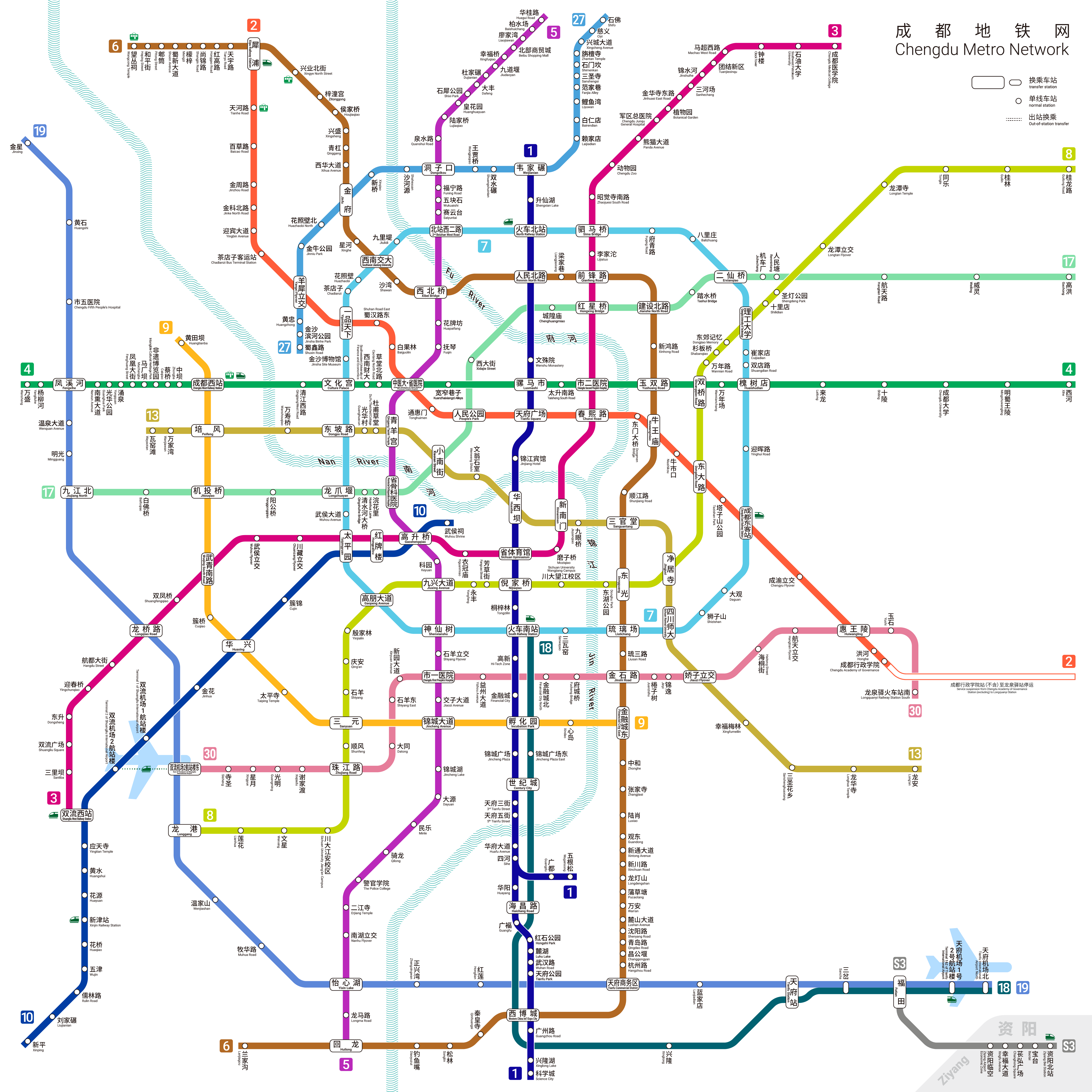 Explore the full network查看站名、线路与换乘Enlarge map点击放大线路图
Check the legend for closed, reserved or future sections. 停运、预留与规划区间,请按图例辨识。
Map edition: 2025-12-19 · Diagram reviewed 2026-09-06
Map: Alan_Fan_Pei · CC BY-SA 4.0
Map coverage & sources 图示范围与来源说明
16 metro lines plus S3 Ziyang line. Full metro station network; Rong Tram 2 is outside this diagram. Includes Lines 13 and 30 opened 2025-12-16. Line 2 temporary closure east of Chengdu Academy of Governance (Damianpu–Longquanyi) is marked in the map; preserve this notice. Unopened stations use the source legend. Diagram revision date is 2025-12-19, checked 2026-09-06.
Rasterized or resized to supplied image; white background where necessary; lossless WebP conversion. Network content unchanged.
Coaches, ferries & onward travel
Chengdu Tourist Distribution Center (Xinnanmen Coach Station)
成都旅游集散中心(新南门汽车站)
Central coach station for tourism-oriented and regional journeys. Check the current destination in the station’s ticketing channel before going there.
Chadianzi Coach Station
茶店子客运站
A separate northwestern coach hub. Its metro stop is 茶店子客运站 on Line 2; 茶店子 on Line 7 is a different stop.
Transport reference review: 2026-09-06. Consult the operator for current services and timetables.
More about getting around
Chengdu's Tianfu and Shuangliu airports are separate gateways, so check the airport code before arranging transfers. Rail is useful for basin journeys. For Jiuzhaigou and other mountain valleys, verify the station-to-sight connection as carefully as the train; roads complete many journeys.
Stay in Sichuan
A metro-connected Chengdu base around Tianfu Square, Chunxi Road or Wenshu suits different city priorities. For Emei, choose between a town base and mountain accommodation before planning your walking route. At Jiuzhaigou, confirm how your lodging connects with the visitor entrance.
Find hotels on Trip.com →Change your destination, dates and guests on Trip.com.
Chengdu weather
The current-hour forecast loads when this section is visible. It uses MET Norway model data for the named city, not station observations.
Seasons & when to go
Chengdu and the basin have humid summers and cool, often cloudy winters. Mountain destinations can be much colder, even during a warm city break. Carry layers and rain protection; leave room to adjust outdoor plans when clouds obscure summits or heavy rain affects roads.
Local life & communication
Sichuan is a province of changing pace and terrain. Chengdu's social ease belongs to a large contemporary city; Leshan has its own food-centered daily life; the northern and western mountains involve different distances, settings and cultural contexts. Regional specificity matters more than a single spicy-food label.
Tea gardens, Sichuan opera and elaborate regional cooking reward time in Chengdu. Sanxingdui adds bronze masks and ritual sculpture from ancient Shu. At Leshan and Emei, Buddhist art belongs to a landscape of living temples; follow local guidance around worship and photography.
Language & communication
Mandarin is the main practical language in Chengdu and transport hubs; local speech belongs largely to Southwestern Mandarin. Tibetan languages become more prominent in western and northern highland communities. Keep both the Chinese destination name and the specific hotel address available offline.
Useful local tips
- Leshan's Giant Buddha and Mount Emei are separate visits even though they belong to one UNESCO property.
- Ask about minced meat, broth and toppings in tofu and noodle dishes; a vegetable-looking dish is not automatically vegetarian.
- Mountain extensions need current access and transport checks; this page does not certify any trekking route or high-altitude itinerary.
- Use Chengdu as a base for the plain, then change bases for distant mountain regions instead of repeating long returns.
- For Zigong noodle orders, say whether you want soup or dry-mixed noodles and discuss chilli level explicitly; traveller accounts show how much the chosen preparation can change the meal.
Sources & useful links
- China National Tourist Office: Sichuan
- State Council / Xinhua: Sanxingdui Museum
- UNESCO: Mount Qingcheng and Dujiangyan
- UNESCO: Emei and Leshan Giant Buddha
- UNESCO: Jiuzhaigou
- GoChengdu: Ten local dishes
- PATA destination presentation: Visit Leshan
- Sichuan Commerce Department: Regional dishes list
- Ministry of Culture and Tourism: Kangding route
- Ministry of Culture and Tourism: Zigong salt routes and cuisine
- Sichuan Culture and Tourism: Zigong culinary identity
- Sichuan — population background
- Sichuan — languages background
- Sichuan — geography background
- Sichuan — Chengdu map reference
- Sichuan — Tianfu International Airport map reference
- Sichuan — Sanxingdui Museum map reference
- Sichuan — Leshan Giant Buddha map reference
- Sichuan — Mount Emei map reference
- Sichuan — Jiuzhaigou Valley map reference
- Sichuan — Dujiangyan map reference
- Sichuan — Mount Qingcheng map reference
- Sichuan — Huanglong Scenic and Historic Interest Area map reference
- Sichuan — Mount Siguniang map reference
- Sichuan — Hailuogou map reference
- Sichuan — Yading map reference
- Sichuan — Kangding map reference
- Sichuan — Langzhong map reference
- Sichuan — Jianmen Pass map reference
- Sichuan — Zigong Dinosaur Museum map reference
- Sichuan — Shunan Zhuhai National Park map reference
- Sichuan — Leshan map reference
- Sichuan — Xichang map reference
- Sichuan — Qionghai Lake map reference
- Sichuan — Wolong National Nature Reserve map reference
- Sichuan — Dege Parkhang map reference
- Sichuan attraction ranking source
- Sichuan specialty reference — sichuan.scol.com.cn
- Sichuan specialty reference — scdfz.sc.gov.cn
- Sichuan specialty reference — swt.sc.gov.cn
- Sichuan specialty reference — sc.people.com.cn
- Sichuan specialty reference — sichuan.scol.com.cn
- Destination food reference — www.csair.com
- Guizhou CPPCC: fish mint and local food culture
- Shidian government: Yunnan fish-mint salad
- Liangjiang: spring fish-mint dishes
- Thermomix Cookidoo: a koushuiji preparation
- National standards platform: Sichuan paocai
- Yongxiangxing culinary author: one red-oil pig-ear preparation
- Shapingba government: guaiwei broad-bean tradition
- 汶川特别旅游区 — place reference
- 北川羌城旅游区 — place reference
- 自贡火边子牛肉 — local food reference
- 牛佛烘肘 — local food reference
- 荥经棒棒鸡 — local food reference
- 天全椒麻鸡 — local food reference
- 球溪鲶鱼 — local food reference
- 开江豆笋回锅肉 — local food reference
- 成都冒菜 — local food reference
- 乐山夹丝豆腐干 — local food reference
- Dengying beef — canonical source
- Encyclopedia of China: Zhong dumplings
- Leshan culture and tourism bureau: food-street route
- Chengdu Fabu food interview via The Paper
- Xinhua event reporting and chef descriptions: Leshan foods
- Leshan specialty reference — www.leshan.gov.cn
- Leshan specialty reference — www.leshan.gov.cn
- Local food reference: 大千干烧鱼
- Local food reference: 韩包子
- Local food reference: 成都板鸭
- Local food reference: 冰粉
- Local food reference: 红糖糍粑
- Local food reference: 九大碗
- Local food reference: 东坡肉
- Local food reference: 酥油茶
- Local food reference: 糌粑
- Zhongjing Foods — Red-oil wontons, a documented recipe example
- Chengdu Evening News / China Daily: Qingliu duck in Xindu