

Gamba Mutton 岗巴羊肉
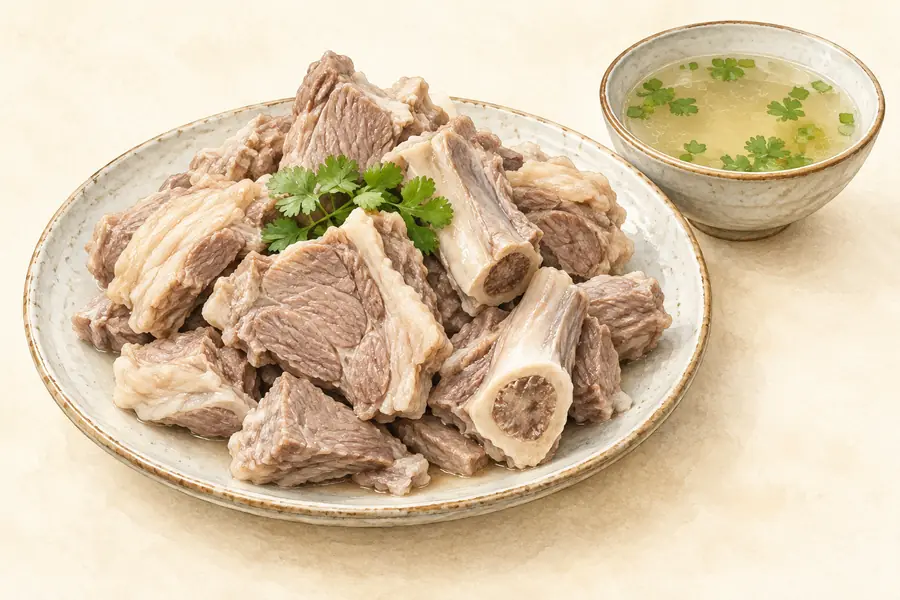
Gamba Mutton is meat from the Gangba sheep associated with Gamba County in Shigatse. It is worth seeking as a named high-altitude pastoral product with a tender, juicy texture—not as one fixed recipe or a guaranteed restaurant dish.
Tap any red Chinese text to hear it in Mandarin.
What it is
“Gamba Mutton” is the visitor-facing name for 岗巴羊肉, meat from the Gangba sheep associated with Gamba County (岗巴县) in Shigatse. Local agricultural material describes the sheep as a Tibetan sheep of Gamba County and records its agricultural geographical-indication registration in 2012; a local government report also identifies Gangba sheep as a national geographical-indication product.
A food-science study sampled naturally grazed sheep in Chana Village, Gamba County. It links the meat’s character to breed, grazing system and diet, while also cautioning that the precise reason for its distinctive eating quality is not settled. That is a more useful way to approach the specialty than treating “high altitude” as a guarantee: look for the Chinese name 岗巴羊肉 and ask what the kitchen is actually serving.
What to taste
The qualities repeatedly reported for Gangba mutton are tenderness, juiciness and a clean savoury taste with little of the strong sheepy note many diners associate with mutton. These are reported characteristics, not a promise that every portion or preparation will taste identical.
There is no well-supported single “Gamba Mutton recipe.” Tibetan food guidance describes beef and mutton commonly being boiled with salt, ginger and spices, cut into hand-sized pieces, or air-dried; it also lists fried ribs and roasted lamb as wider Tibetan preparations. If a menu offers 岗巴羊肉, ask whether it is fresh or dried, bone-in or minced, and which seasonings are used. A lightly seasoned boiled version is the clearest way to notice texture; a roast, stew or dried version is a real variation, not a competing claim to one official formula. Do not infer that “no mutton odour” means no allergens or that a dish is vegetarian—it is sheep meat.
How to look for it
This entry is about a regional ingredient, not a restaurant recommendation. Search for 岗巴羊肉 Gǎngbā Yángròu on Meituan (美团) or Amap/Gaode (高德地图); add 日喀则 Rìkāzé or 岗巴县 Gǎngbā Xiàn if the results are ambiguous. Check the current menu, recent reviews, opening information and same-day supply before choosing. A map result or a seller’s use of the name is not, by itself, proof of geographical-indication origin.
Access and altitude note
Gamba Mutton has no single entrance, last-mile stop or return route. If your itinerary includes Gamba County to understand the pastoral origin, arrange the route and current foreign-traveller permissions through a registered Tibet tour operator before booking. Foreign visitors generally need a Tibet Travel Permit, and sensitive border-area travel may require additional permission; current applicability to Gamba County must be confirmed for the actual itinerary. Do not treat a passport, an ordinary domestic booking or a food listing as permission to enter a village, pasture or border area. The county is high-elevation country, so plan acclimatisation and transport conservatively rather than making an unplanned food detour.