

Explore the region
About Zhangye National Wetland Park
The park sits in the desert country of the Hexi Corridor. The CCTV report explains the setting: snowmelt from the Qilian Mountains forms the Heihe, described there as China's second-largest inland river, and groundwater gathers in the lower ground north of the city to create the wetland. The director of the Heihe wetland reserve's management bureau is quoted on why that matters — a wetland of this size in a desert region, he says, holds back the southward advance of the Badain Jaran Desert and serves as an important water-conservation area that purifies water.
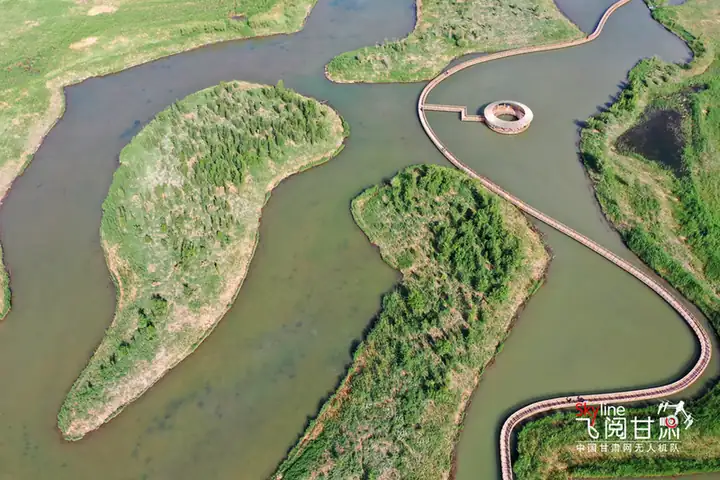
The wetland's present extent is the result of restoration, not nature alone. The same report says the wetland was once smaller and included saline-alkali ground, and that vegetation restoration, dredging of the water system, returning farmland to wetland and other work over more than ten years produced the scale seen today; it calls the park the city's 'oxygen machine and humidifier'. China Gansu Web, writing in spring, describes lakes and reed beds and notes that the park is adjacent to the urban area, which it calls the national wetland park closest to a city.
Birds are what the park is best known for. The CCTV report says the number of bird species using the park and the surrounding wetlands rose from 155 to 218, with some migrants settling as residents, and that the black stork — which it calls the giant panda among birds — breeds there from March and leaves in November, with monitoring rising from 468 birds three years earlier to 627. China Gansu Web reports that after the spring thaw each year more than ten species of wading and swimming birds gather in the park and the surrounding waters, naming swans, egrets, grey cranes, Pallas's gulls, ruddy shelducks and coots (天鹅、白鹭、灰鹤、渔鸥、赤麻鸭、白骨顶鸡), and lists the black stork, whooper swan, 'panda duck' (熊猫鸭) and great egret among its regular visitors.
What to look for
- The eight-storey birdwatching tower that the CCTV report uses as its vantage point over the park
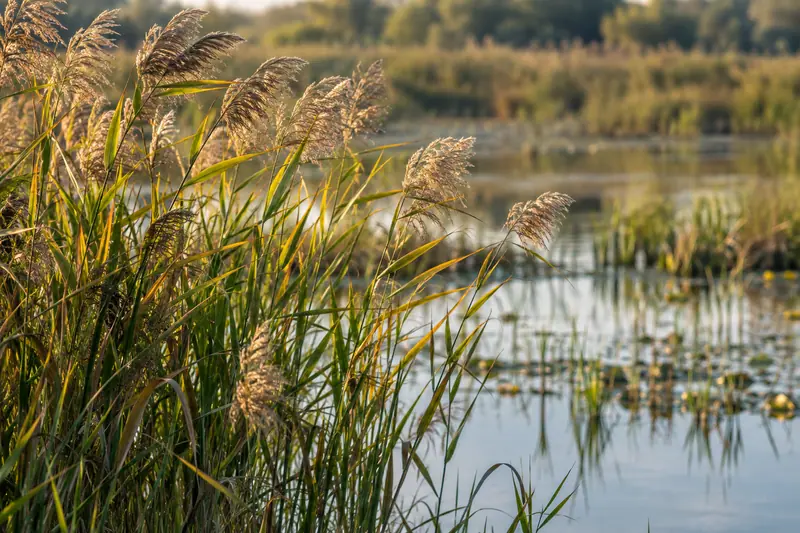
- The tall reed beds the report says purify water and reduce soil salinity, and which are harvested in autumn and sent to Minqin to be made into straw checkerboards for sand control
- The viewing boardwalk (观景栈道) that the China Gansu Web feature says visitors stroll along to be close to the wetland
- The black stork (黑鹳), which the CCTV report calls the giant panda among birds and says breeds at the park from March and leaves in November
- The spring waterbird gatherings — more than ten species of wading and swimming birds, by the count China Gansu Web gives, arriving after the spring thaw
Location & getting there
Getting to Zhangye National Wetland Park
Check the open visitor route and follow the site’s rules on distance, food and photography. Conservation areas may limit access beyond designated paths.
- Search for 张掖国家湿地公园 with 张掖市 and 甘州区.
Find Zhangye National Wetland Park
张掖国家湿地公园 · 甘州区
No reliable map pin yet: search by the Chinese name.
Sources & visit information
The linked sources support the identity and background described in this introduction. Opening hours, admission, activity availability and exact arrival arrangements have not been comprehensively checked. Confirm current visitor information with the venue; the original catalogue locality and editorial review flag are retained.
Image credits & notes (1)
- Zhangye National Wetland Park · 张掖国家湿地公园Photo: gansu.gscn.com.cnResized for the web; the photo itself has not been edited.