


Get to know Baisha Li Autonomous County

Photo adjustments
Full frame retained; proportionally resized and converted to WebP. No retouching or changes to the photographed subject. Card displays may crop the view.
- Administrative area
- Autonomous county · 自治县
- Part of
- Hainan
- Chinese name
- 白沙黎族自治县
- Local areas
- Autonomous county guide
Area & population
- Area in the source
- 2,177.00 km²
- Population · 1999
- 176,377
- Administrative seat
- Yacha
Source: cited geographic source, as of the dates shown.
History
In 1689 the Qing set up the Bosha camp (薄沙营) here as a garrison post, and over time the name Bosha turned into Baisha. In April 1935 the Guangdong provincial government approved three new counties in the Li areas around Wuzhi Mountain: Ledong, Baoting and Baisha.
What to see
Tea grows around a large meteorite impact crater about 700,000 years old. The county government says the soil around it holds 48 minerals and that mist hangs over the rainforest all year. The Baisha Crater Landscape and Tea Gardens (白沙陨石坑生态茶园旅游区) have been graded a national 2A scenic area, with a core area of about 300 mu; Hainan Daily calls it the world's only meteorite-crater tea garden. Visitors walk the gardens, pick and process tea, and photograph the slopes.
Leaf picked in the Bosha tea (薄沙茶) gardens goes to the Baisha tea park (白沙茶博园) for processing, and the county government lists six steps from fresh leaf to cup: spreading, withering, fixing, rolling, baking and cold storage. Visitors can watch the automated line and try pan-firing tea.
Tea, food and crafts
Baisha green tea (白沙绿茶), which Hainan Daily credits with a long sweet aftertaste, holds geographical-indication status. The county counts 27,200 tea trees over a century old and 360,000 wild large-leaf tea trees, and its gardens make up about a third of Hainan's tea acreage.
Two Li crafts from Baisha are on the national intangible-heritage list. Li slab-built pottery (黎族泥片制陶技艺), listed in 2011, builds pots from clay slabs, a method older than coil-building; the listing names Pobei village (坡北村) in Yacha town as its last holdout, with seven practitioners. Baisha Li bone-carving (白沙黎族骨器制作技艺), listed in 2021, turns animal bone into tools and everyday articles, notably carved hairpins with human figures that men gave as love tokens.
Getting oriented
The county measures 63 km from north to south and 68 km from east to west. The Hainan Ring Expressway, the Danzhou–Baisha Expressway (儋白高速) and National Highway 361 serve it.
Highlights
- Baisha Crater Landscape and Tea Gardens 白沙陨石坑生态茶园旅游区: Tea gardens around a 700,000-year-old impact crater, graded a national 2A scenic area.
- Baisha green tea 白沙绿茶: Geographical-indication green tea grown on the crater's mineral-rich soil.
- Li slab-built pottery 黎族泥片制陶技艺: National intangible heritage since 2011, kept alive in Pobei village.
- Baisha Li bone-carving 白沙黎族骨器制作技艺: National intangible heritage since 2021, known for carved figure hairpins.
Sources for this guide
茶道·白沙 | 白沙:陨石坑畔茶香远--茶文化 -- 白沙黎族自治县人民政府 · Baisha Li Autonomous County People's Government
海南日报 | 白沙陨石坑生态茶园旅游区获评国家2A级旅游景区--茶文化 -- 白沙黎族自治县人民政府 · Hainan Daily, republished by the Baisha county government
自贸港·白沙加速度丨 白沙全县茶叶种植面积已超1.5万亩 野生大叶茶资源总量达36万株--茶文化 -- 白沙黎族自治县人民政府 · Baisha Li Autonomous County People's Government
陶器烧制技艺(黎族泥片制陶技艺) - 中国非物质文化遗产网·中国非物质文化遗产数字博物馆 · China Intangible Cultural Heritage Network (ihchina.cn)
骨器制作技艺(白沙黎族骨器制作技艺) - 中国非物质文化遗产网·中国非物质文化遗产数字博物馆 · China Intangible Cultural Heritage Network (ihchina.cn)
白沙黎族自治县 - 维基百科,自由的百科全书 · Wikipedia (Chinese) · CC BY-SA 4.0
Original English written from the listed sources and checked sentence by sentence against quoted extracts by a separate reviewer. Updated 2026-09-25.
Explore Baisha Li Autonomous County
Core places to explore, with English and Chinese names.
Places to explore around Baisha Li Autonomous County
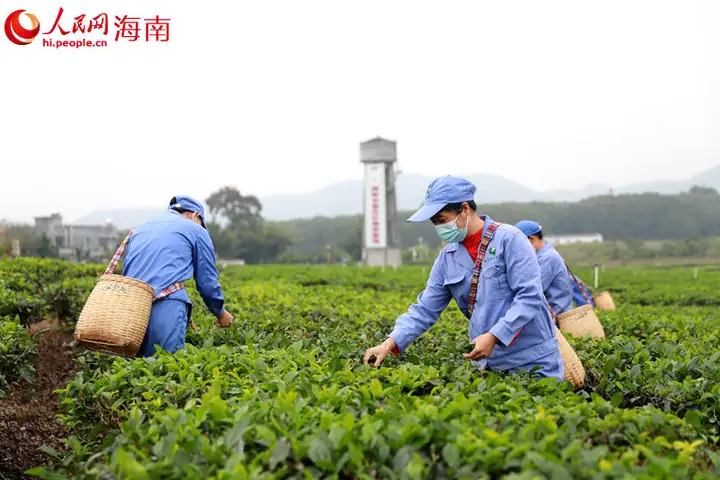 Baisha Crater Landscape and Tea Gardens ·
 Local life & food
Baisha Li Autonomous County local specialties
白沙黎族自治县特色美食 · 7 specialties to discover
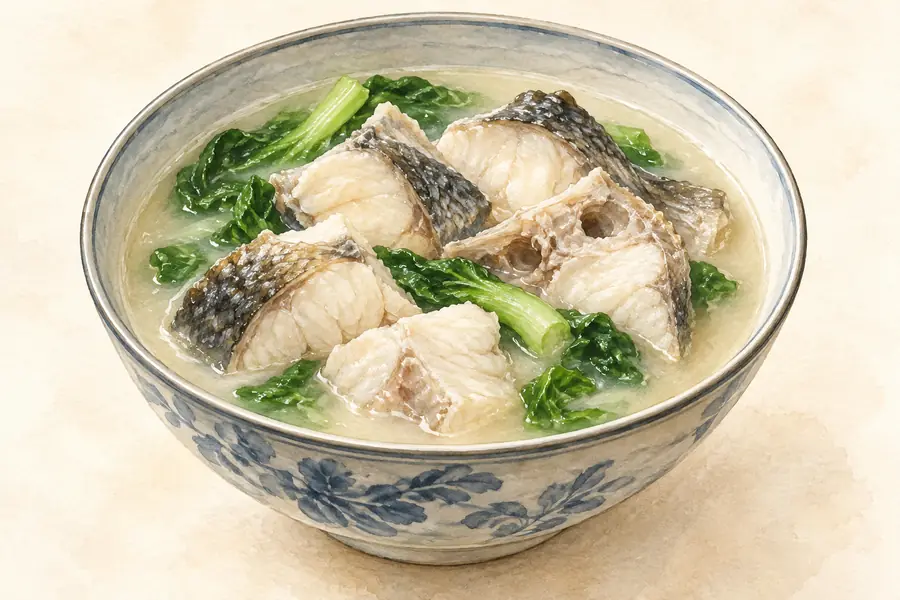 Baisha Fermented Fish and Rice 白沙鱼茶AI illustration · AI 示意图(仅供参考,非实拍)
Baisha Fermented Fish and Rice (白沙鱼茶) is a Li (黎族) dish from Baisha Li Autonomous County (白沙黎族自治县) in the mountains of central Hainan: freshwater fish is salted, mixed with cooked rice and sealed until it ferments.
Source ↗Read the dish guide →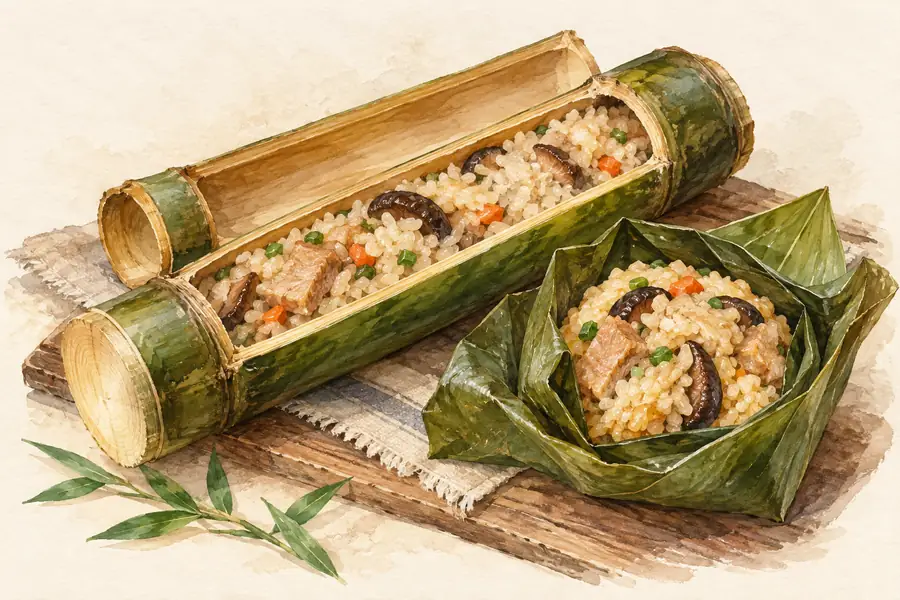 Li-Style Bamboo Tube Rice 黎家竹筒饭AI illustration · AI 示意图(仅供参考,非实拍)
Li-Style Bamboo Tube Rice (黎家竹筒饭) is rice cooked inside a length of fresh bamboo over a charcoal fire, a traditional food of the Li (黎族) people of Hainan.
Read the dish guide → Shanlan Sticky Rice 山兰糯米饭AI illustration · AI 示意图(仅供参考,非实拍)
Shanlan Sticky Rice (山兰糯米饭) is glutinous rice cooked from Shanlan (山兰), an upland rice that the Li people (黎族) of Hainan selected for planting on hillsides rather than in flooded paddies.
Read the dish guide → Wujiao Pork 五脚猪
Wujiao Pork (五脚猪) is the meat of the Wuzhishan pig (五指山猪), a small native breed from the Wuzhishan (五指山) mountain area of central Hainan.
Read the dish guide →Photo adjustments
EXIF orientation normalized; resized without changing aspect ratio; converted to WebP. No subject edits.
 Baisha Green Tea Stewed Chicken 白沙绿茶炖鸡AI illustration · AI 示意图(仅供参考,非实拍)
Baisha Green Tea Stewed Chicken (白沙绿茶炖鸡) is listed among the local specialties of Baisha Li Autonomous County, Hainan. The name includes 鸡 (chicken). The term 茶 points to tea or a locally named drink.
Read the dish guide → Miao Three-Colour Sticky Rice 苗家三色饭
Miao Three-Colour Sticky Rice (苗家三色饭) is a festival food made in Miao (苗族) villages in Hainan: Shanlan glutinous rice (山兰糯米) coloured red, yellow and black with plant juices, steamed, mixed with coconut milk and wrapped in a palm leaf.
Read the dish guide →Photo adjustments
EXIF orientation normalized; resized without changing aspect ratio; converted to WebP. No subject edits.
 Jar-Fermented Sour Fish 腌酸鱼AI illustration · AI 示意图(仅供参考,非实拍)
Jar-Fermented Sour Fish (腌酸鱼) in Baisha (白沙) belongs to the Li (黎族) tradition of yucha (鱼茶), literally “fish tea”. Despite that name, it is a preserved fish food.
Read the dish guide →More dishes from across Hainan are in the Hainan food guide.
Plan your visit
Getting there
Search for 白沙黎族自治县 in a map app to find stations and your accommodation.
Where to stay →Build your route
Start with Baisha Crater Landscape and Tea Gardens. The linked place guides have entrance and visit details.
Continue with Hainan →More in Hainan
Sources & geographic information
Administrative names and parent areas: Official geographic directory · Reference date 2026-09-06.
Some facts checked against 白沙黎族自治县 — Wikipedia contributors, CC BY-SA 4.0.
Photo: Baisha Crater Landscape and Tea Gardens · Source photographer · License not provided. EXIF orientation normalized; resized without changing aspect ratio; converted to WebP. No subject edits.
Map data © OpenStreetMap contributors. Pins mark approximate centres, not entrances or boundaries.