

Explore the region
About Hutou Scenic Area
The Japanese army began developing the Hutou fortifications in 1934, using forced labor. Underground command rooms, ammunition stores and power facilities formed part of the defensive system; the associated museum interprets this history.
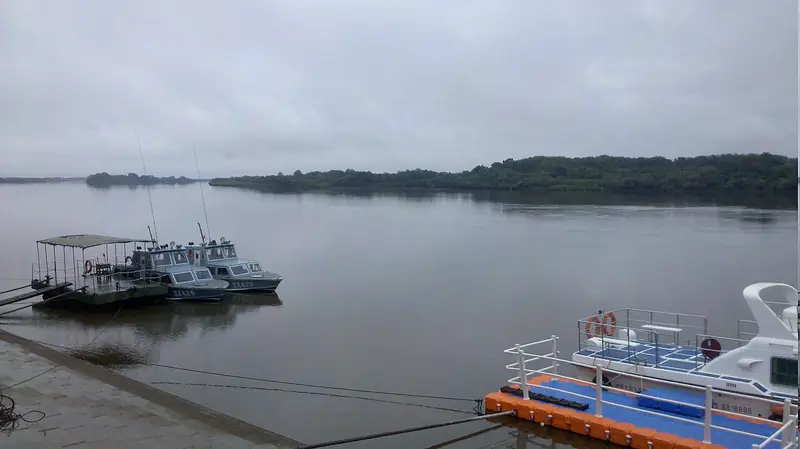
Other parts of the scenic cluster offer a different view of Hutou. Guandi Temple has green roofs, projecting eaves and decorative brackets, while a large sculpture modeled on a Siberian tiger stands beside the Ussuri River, facing the border landscape.
What to look for
- The Hutou fortifications and their historical interpretation.
- Guandi Temple’s roof forms, eaves and brackets.
- The tiger sculpture and Ussuri River setting.
Location & getting there
Getting to Hutou Scenic Area
Check which interiors and courtyards are accessible. Active places of worship and protected monuments may have different visitor rules.
- Search for 虎头旅游景区 with 鸡西市 and 虎林市.
Find Hutou Scenic Area
虎头旅游景区 · 虎林市
No reliable map pin yet: search by the Chinese name.
Sources & visit information
The linked sources support the identity and background described in this introduction. Opening hours, admission, activity availability and exact arrival arrangements have not been comprehensively checked. Confirm current visitor information with the venue; the original catalogue locality and editorial review flag are retained.
