

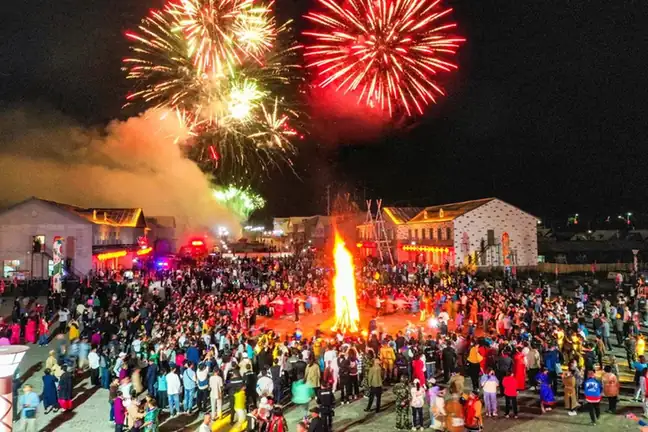
Photo adjustments
EXIF orientation normalized; resized without changing aspect ratio; converted to WebP. No subject edits.
Explore the region
About Shibazhan Oroqen Ethnic Township
That name recalls the numbered relay route running from Nenjiang towards Mohe. The township's setting south of the Heilongjiang River connects this transport history with the forests and waterways of the northern Greater Khingan region.
In Ezu Village, the Oroqen folk museum explores beliefs, hunting life, dress and everyday utensils through objects including birch-bark crafts and animal-skin items. The village's culture park includes craft workshops and buildings shaped after xierenzhu dwellings, offering an introduction to Oroqen material culture within a living community.
What to look for
- Birch-bark crafts and clothing-related objects in the Oroqen folk museum
- Buildings shaped after xierenzhu dwellings in Ezu Village's culture park
- Oroqen craft workshops and the village cultural square
Location & getting there
Getting to Shibazhan Oroqen Ethnic Township
Identify the main visitor approach and any separately managed houses, museums or performances. Ask before entering residential spaces or photographing residents.
- Search for 十八站鄂伦春族乡 with 大兴安岭地区 and 塔河县.
Find Shibazhan Oroqen Ethnic Township
十八站鄂伦春族乡 · 塔河县
No reliable map pin yet: search by the Chinese name.
Sources & visit information
The linked sources support the identity and background described in this introduction. Opening hours, admission, activity availability and exact arrival arrangements have not been comprehensively checked. Confirm current visitor information with the venue; the original catalogue locality and editorial review flag are retained.