


Get to know Gong'an County
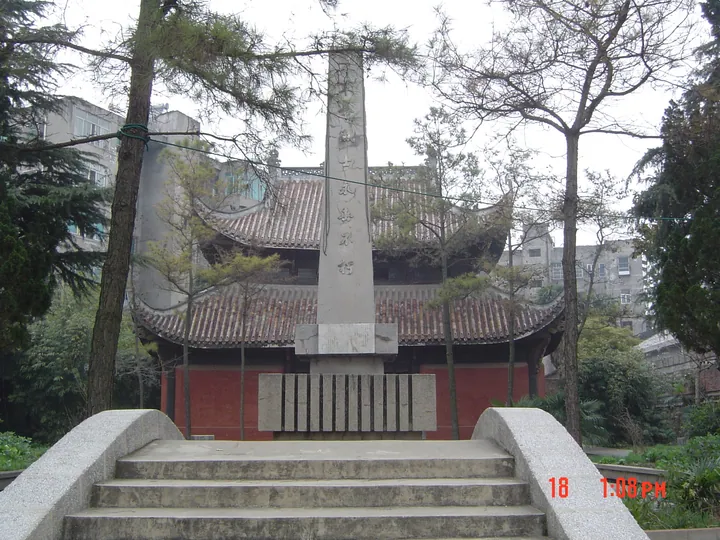
Photo adjustments
Full frame retained; proportionally resized and converted to WebP. No retouching or changes to the photographed subject. Card displays may crop the view.
- Administrative area
- County · 县
- Part of
- Jingzhou
- Chinese name
- 公安县
- Local areas
- County guide
Area & population
- Area in the source
- 2,258.00 km²
- Population · 2020
- 747,134
Source: cited geographic source, as of the dates shown.
Setting and landscape
Most of the county is plain and lake country, with low ridges and hills only in the south-west. The Hudu River (虎渡河) runs north to south through the whole county and splits it into Hudong (虎东) and Huxi (虎西), east and west of the river. Of its 18 rivers, all in the Yangtze system, four drain into Dongting Lake (洞庭湖), and with so many rivers and lakes Gong'an is known as the "County of a Hundred Lakes" (百湖之县).
History
A county was first set up here in 202 BC under the name Chanling (孱陵). After the Battle of Red Cliffs (赤壁之战), Liu Bei (刘备), then General of the Left, camped at Youjiangkou (油江口), today's Douhudi town (斗湖堤镇) and the county seat; people called him "Lord Zuo" (左公), and Gong'an takes its name from "the place where Lord Zuo made his camp". In the late Ming the brothers Yuan Zongdao (袁宗道), Yuan Hongdao (袁宏道) and Yuan Zhongdao (袁中道) founded the Gong'an school (公安派) of literature, which opposed the archaising movement of their day and valued personal feeling and originality.
Gong'an shuogu (公安说鼓), also called shuoguzi, is a storytelling-and-singing art that developed out of the drum lyrics (鼓子词) popular in Gong'an after the Song dynasty and took shape around the late Ming and early Qing. It entered the second national list of intangible cultural heritage in 2008.
What to see
Heritage sites include the Nanping Confucian Temple (南平文庙) in the centre of Nanping town (南平镇) and the joint tomb of Yuan Zongdao and Yuan Zhongdao on Heye Mountain (荷叶山) at Mengxi (孟溪). The Yuan Zhonglang Home Stele (袁中郎故里碑) first stood before Yuan Zhonglang's old house at Liulang Hall (柳浪馆) and was later moved to the Youjiang River (油江河) bank at Douhudi. Ersheng Temple (二圣寺) began as the Anyuan Temple (安远寺), built beside Douhudi in 368 by the monks Dao'an (道安) and Huiyuan (慧远). Huangshan (黄山), 264 metres high on the Dongting Lake shore where Gong'an meets Anxiang (安乡) in Hunan, was one of the Eight Views of Gong'an in the old county gazetteer. The Beizha (北闸) inflow sluice stands at Taipingkou (太平口), where the Yangtze enters the Jingjiang flood diversion area (荆江分洪区).
Food and local products
Gong'an beef (公安牛肉) is a national geographical indication product. Zijin tea (紫金茶) and Baogang tea (宝岗茶) are the best-known local teas, and Huangshan Daqu (黄山大曲) is a local liquor brand.
Sources for this guide
公安简介 - 公安简介 - 公安县人民政府 · Gong'an County People's Government
公安县 - 维基百科,自由的百科全书 · Chinese Wikipedia · CC BY-SA 4.0
Original English written from the listed sources and checked sentence by sentence against quoted extracts by a separate reviewer. Updated 2026-09-24.
Explore Gong'an County
Core places to explore, with English and Chinese names.
Gong'an County 公安县
Plan your visit
Getting there
Gong'an County is about 45 km in a straight line from central Jingzhou. Search for 公安县 in a map app to find stations and your accommodation.
Where to stay →More in Jingzhou
Sources & geographic information
Administrative names and parent areas: Official geographic directory · Reference date 2026-09-06.
Some facts checked against 公安县 — Wikipedia contributors, CC BY-SA 4.0.
Map data © OpenStreetMap contributors. Pins mark approximate centres, not entrances or boundaries.