

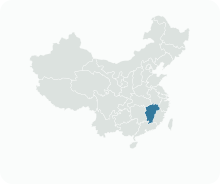
Get to know Xiangdong District
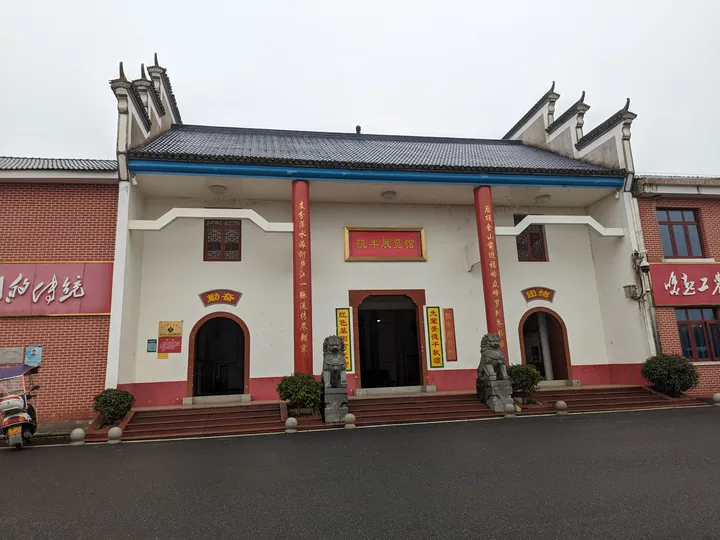
Photo adjustments
Full frame retained; proportionally resized and converted to WebP. No retouching or changes to the photographed subject. Card displays may crop the view.
- Administrative area
- District · 市辖区
- Part of
- Pingxiang
- Chinese name
- 湘东区
- Local areas
- District guide
Area & population
- Area in the source
- 853.40 km²
- Population · 2018
- 371,800
Source: cited geographic source, as of the dates shown.
Setting and landscape
The district covers about 858 square kilometres and its government sits in Xiangdong town (湘东镇). Rainfall is plentiful, and its two rivers are the Pingshui (萍水) and the Caoshui (草水). It has long been known as the "gate of western Jiangxi" (赣西门户) and a "thoroughfare between Wu and Chu" (吴楚通衢). The district is home to more than 560 kinds of wild birds, mammals, amphibians and reptiles, and to prized trees such as yew and ginkgo. Its mineral resources are mainly coal, limestone and iron ore, and ceramics and coal are among its main industries.
What to see
Xiangdong's best-known craft is nuo mask carving. Pingxiang Xiangdong nuo masks (萍乡湘东傩面具) entered the first national list of intangible cultural heritage in 2006. According to the national heritage centre, the carving method now practised came to Xiangdong from Hunan in the Qing dynasty and follows the finer Song-dynasty style; a mask passes through more than ten steps from raw material to finished piece, and today’s carvers can make 440 complete Song-style human-figure masks. The centre also lists the craft as endangered, with few young people taking it up.
Mashan town (麻山镇) was one of the first places in Pingxiang to open up to rural tourism. It is on the second national list of key rural-tourism towns, its Xingfu Village (幸福村) scenic area is rated national 4A, and in 2024 the Jiangxi culture and tourism department named it one of five provincial tourism towns. Its tourism draws on local nuo culture and masks and on a rice-seed research base.
Getting oriented
The Shanghai–Kunming railway (沪昆铁路) serves the district at Yaojiazhou station (姚家洲站).
Highlights
- Xiangdong nuo masks 萍乡湘东傩面具: Carved masks on the first national intangible-heritage list (2006); Song-style technique brought from Hunan in the Qing dynasty.
- Mashan town 麻山镇: Rural-tourism town named a Jiangxi provincial tourism town in 2024; home of the 4A-rated Xingfu Village scenic area.
Sources for this guide
湘东区 - 维基百科,自由的百科全书 · Chinese Wikipedia · CC BY-SA 4.0
萍乡湘东傩面具 - 中国非物质文化遗产网·中国非物质文化遗产数字博物馆 · China Intangible Cultural Heritage Network (China National Centre for Intangible Cultural Heritage Protection)
+5+5+5+5!江西“风景独好”旅游名单上新! · Dajiang News (jxnews.com.cn), Jiangxi Fengjing Duhao account
Original English written from the listed sources and checked sentence by sentence against quoted extracts by a separate reviewer. Updated 2026-09-25.
Explore Xiangdong District
Core places to explore, with English and Chinese names.
Xiangdong District 湘东区
Plan your visit
Getting there
Xiangdong District is about 15 km in a straight line from central Pingxiang. Search for 湘东区 in a map app to find stations and your accommodation.
Where to stay →More in Pingxiang
Sources & geographic information
Administrative names and parent areas: Official geographic directory · Reference date 2026-09-06.
Some facts checked against 湘东区 — Wikipedia contributors, CC BY-SA 4.0.
Map data © OpenStreetMap contributors. Pins mark approximate centres, not entrances or boundaries.