

Jiange Numbing-Spicy Skewers 剑阁麻辣串
Jiange Numbing-Spicy Skewers is featured among the local specialties of Sichuan.
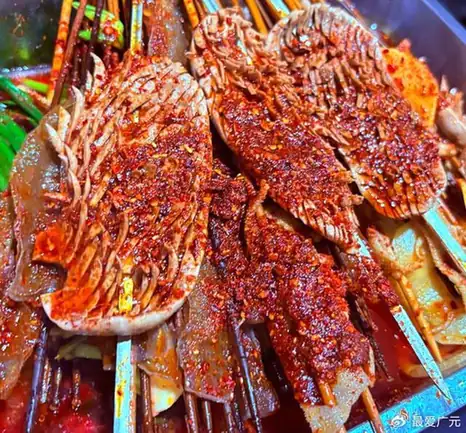
Image notes
Resized for the web; the photo itself has not been edited.
Jiange Numbing-Spicy Skewers (剑阁麻辣串) are skewers of vegetables, tofu and meat from Jiange in Guangyuan, Sichuan, cooked in a spiced pot and finished with a numbing dressing.
How it is made
Ingredients are threaded onto bamboo skewers, from cabbage, potato and lotus root to tofu skin, seaweed, offal and sausage, then cooked together in a simmering broth or oil seasoned with chilli and pepper. Some shops hand the skewers back dry to be dipped; others let them soak so the flavour penetrates. Because the skewers are thin, cooking is quick and uneven pieces finish at different moments, so a vendor that keeps the pot moving and lifts items out by type gets a better result than one that leaves everything in together.
Flavour and texture
The result is a broad, numbing heat rather than a sharp one, with sweetness from cooked vegetables and savoury depth from the stock. Texture varies skewer by skewer, from crisp cabbage to soft potato, and that variety is much of the appeal. Leafy greens wilt quickly and taste best eaten early, while denser items such as konjac, potato or sausage need longer in the pot to take on the seasoning.
Where the dish belongs
Jiange sits on the old road through the Jianmen Pass in northern Sichuan, and skewer eating of this kind suits the region's street-food habit: cheap, fast and social, with guests choosing from a tray instead of reading a menu. The place name marks a local style rather than one label. The format also suits the cooler evenings of northern Sichuan, when a hot and peppery pot appeals more than a plate of cold dishes.
Ingredients and dietary needs
Expect a chilli-and-Sichuan-pepper base with stock, garlic and fermented bean paste, plus whatever skewers the vendor stocks. Tofu skin, wheat gluten and some sausages contain wheat or soy, and offal is common, so ask if you have restrictions.
How to order Jiange Numbing-Spicy Skewers
Take a tray and pick your own skewers, keeping count of what you take, then tell the kitchen how spicy you want them finished. Ask whether you are charged per skewer or by weight, and whether vegetables and meat are priced the same. It is also worth asking which skewers are best eaten straight away and which improve with a longer soak, since the answer changes the order you work through the tray.
How to eat it and plan a meal
Slide the food off each skewer with chopsticks and eat it while hot, dipping into the dressing between bites. Keep a cold drink or plain rice nearby, because the numbing heat accumulates. Put used skewers in the container provided so that the vendor can count them. Portions are flexible here, so a small group can work through a dozen different sticks in one sitting and still finish with a bowl of rice. Counting used skewers rather than throwing them away is how the bill is settled in many shops, so it is worth keeping them together as you go.
More dishes to compare
Explore related local specialties and compare their names, preparation notes and ordering guidance.
Chuanchuan 串串香 →
Chuanchuan is the province-wide skewer pot, usually cooked at the table in a shared hotpot broth with a large self-service chiller. Jian Ge Ma La Chuan names the Jiange version, often cooked in the kitchen and finished with a dry or dipping spice rather than a bubbling pot in front of you.
Questions before you order
How am I charged?
Usually per skewer or by weight, and prices can differ between meat and vegetable sticks. Ask before you fill the tray.
Can I choose the heat?
Yes. The kitchen normally dresses the skewers to order, so you can ask for less chilli and peppercorn or for a milder dip.
Sources & reading
The supplied food list supports this name and regional association. The culinary terms below are explained as menu vocabulary; a local recipe, origin story and venue availability have not been independently verified.