

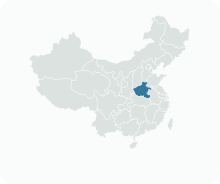
Get to know Anyang County
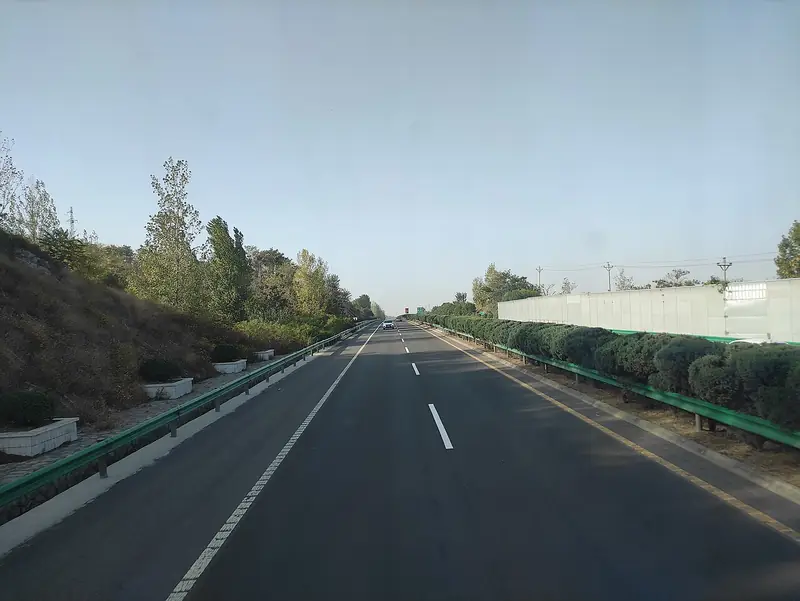
Photo adjustments
EXIF orientation normalized; resized without changing aspect ratio; converted to WebP. No subject edits.
- Administrative area
- County · 县
- Part of
- Anyang
- Chinese name
- 安阳县
- Local areas
- County guide
Area & population
- Area in the source
- 1,196.00 km²
- Population · 2019
- 844,700
Source: cited geographic source, as of the dates shown.
History
The county's local-history office traces the name to the Warring States period, when Anyang belonged to the state of Wei: the Records of the Grand Historian (史记) note that Lian Po (廉颇) took Anyang from Wei in 275 BC. The office reads the name as meaning settled and prosperous, with nothing to do with hills or rivers. A county of Anyang was first set up in 221 BC, when Qin unified China, and was placed under Handan commandery (邯郸郡).
After the Northern Zhou conquered the Northern Qi and Ye (邺城) fell into ruin, the offices of Xiangzhou (相州), Wei commandery and Ye county moved 20 kilometres south to Anyang in 580, making it the seat of the prefecture. The county's borders were largely settled by 1269 under the Yuan. In 1406 the Yongle emperor made his third son, Zhu Gaosui (朱高燧), Prince of Zhao with his residence at Anyang, and ten princes held it until the end of the Ming. Japanese forces occupied Anyang on 5 November 1937.
The county was abolished and merged into Anyang city in August 1960, then restored in October 1961. Its boundaries have been adjusted several times since 2016: Shuiye (水冶镇) and Qugou (曲沟镇) passed to Yindu District (殷都区) on 14 September 2021, leaving eight towns and one township as of March 2025. The county shares one administration with the Anyang Urban-Rural Integration Demonstration Zone (安阳市城乡一体化示范区).
What to see
The county's culture and tourism bureau lists four 3A scenic areas. Duzhuang old town (杜庄古镇) in Wadian (瓦店乡), whose history goes back to the Ming dynasty, has a set of named views known as the Eight Views of Duzhuang (杜庄八景); it was rated in 2024. Xipei (西裴小镇), rated in 2023, lies 7 kilometres southeast of Baibi (白璧镇), with the Chadian River (茶店河) winding past its south side and a provincially protected Yangshao culture site to its west. The Anyang Aviation Science Museum (安阳航空科普馆), also rated in 2023, uses 5D films, models, touch screens and flight simulators. Shuangta village (双塔村) in Cuijiaqiao (崔家桥镇), rated in 2024, runs a rural-revitalisation training centre.
Getting oriented
National Road 341 (341国道) runs through the county and past Xipei, which is 6 kilometres from Anyang East high-speed railway station (安阳东站). Shuangta village is 1.5 kilometres east of Cuijiaqiao town and about ten kilometres from the urban area.
Highlights
- Duzhuang old town 杜庄古镇: Old town in Wadian with a history going back to the Ming dynasty and a set of Eight Views; a 3A scenic area since 2024.
- Xipei 西裴小镇: Village southeast of Baibi on the Chadian River, next to a provincially protected Yangshao culture site; 3A since 2023.
- Anyang Aviation Science Museum 安阳航空科普馆: Aviation science museum with 5D films, models and flight simulators; 3A since 2023.
Sources for this guide
历史沿革_历史沿革_安阳县人民政府 · Anyang County People's Government (local-history office)
安阳县A级景区基本信息_旅游资源_安阳县人民政府 · Anyang County Culture, Radio, Sports and Tourism Bureau (Anyang County People's Government portal)
安阳县 - 维基百科,自由的百科全书 · Wikipedia (Chinese) · CC BY-SA 4.0
Original English written from the listed sources and checked sentence by sentence against quoted extracts by a separate reviewer. Updated 2026-09-24.
Explore Anyang County
Core places to explore, with English and Chinese names.
Anyang County 安阳县
Plan your visit
Getting there
Anyang County is about 15 km in a straight line from central Anyang. Search for 安阳县 in a map app to find stations and your accommodation.
Where to stay →More in Anyang
Sources & geographic information
Administrative names and parent areas: Official geographic directory · Reference date 2026-09-06.
Some facts checked against 安阳县 — Wikipedia contributors, CC BY-SA 4.0.
Map data © OpenStreetMap contributors. Pins mark approximate centres, not entrances or boundaries.