


Get to know Tianmen
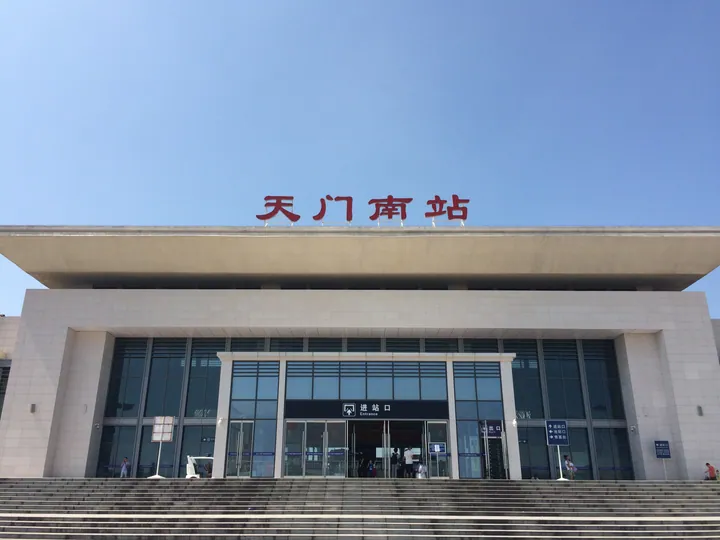
Photo adjustments
Full frame retained; proportionally resized and converted to WebP. No retouching or changes to the photographed subject. Card displays may crop the view.
- Administrative area
- County-level city · 县级市
- Part of
- Hubei
- Chinese name
- 天门市
- Local areas
- County-level city guide
Area & population
- Area in the source
- 2,622.00 km²
- Population · 2022
- 1,105,800
Source: cited geographic source, as of the dates shown.
History
Under the Qin the area became Jingling County (竟陵县), a name read as "where the hills end"; Chinese Wikipedia explains it as the point where outliers of the Dahong Mountains (大洪山) run into the plain. The county was renamed Jingling (景陵) with a different first character in 936, and again in 962, each time to avoid a ruler's personal name. In 1726 it became Tianmen County, after Tianmen Mountain (天门山) in the north-west, because Jingling was also the name of the Kangxi Emperor's tomb. The county became a city in 1987 and was placed directly under the province in 1994.
Besides Lu Yu, the Tang poet Pi Rixiu (皮日休) and the Ming writers Zhong Xing (钟惺) and Tan Yuanchun (谭元春), leading figures of the Jingling school (竟陵派), were born here.
What to see
The Shijiahe site (石家河遗址) at Shijiahe town (石家河镇) is a cluster of more than 40 Neolithic sites around an ancient walled town; sites dug there in 1955 gave the Shijiahe culture its name, and the main remains date from about 5,900 to 3,800 years ago. The city government gives the walled town an irregular rectangle about 1,200 m north to south and 1,000 m east to west, ringed by a moat 60 to 100 m wide. Hubei protected it in 1956 and the State Council listed it as a national monument in 1996.
According to legend, Lu Yu was a foundling picked up on the shore of West Lake (西湖) by Zhiji (智积), abbot of Longgai Temple (龙盖寺), and raised there. Lu Yu Pavilion (陆羽亭), Wenxue Spring (文学泉) and Guyan Bridge (古雁桥) commemorate him, and the city also has the tombs of Zhong Xing and Tan Yuanchun, Bailong Temple (白龙寺), first built in the Southern Dynasties, and the East Lake and West Lake scenic areas.
Food and local products
Tianmen is a place of steamed dishes: a local saying runs "无菜不蒸,无蒸不宴" ("no dish without steaming, no banquet without steamed dishes"). The steaming flour (蒸菜粉子) is rice ground to a dry powder. The "three vegetarian steamed dishes" (天门素三蒸) of tofu balls, crown daisy and lotus root are credited in legend to Lu Yu and Zhiji at Xita Temple (西塔寺), and Yihe cockles (义河蚶), a river bivalve, are made into a bowl-steamed dish (扣蒸).
Tianmen sugar sculpture (天门糖塑), known locally as "blowing sugar figures", is on the national intangible heritage list (2008). Artisans blow and mould specially boiled maltose into figures, beasts, flowers and birds.
Highlights
- Shijiahe site 石家河遗址: Neolithic walled town with a wide moat and 40-plus sites, a national monument since 1996.
- Lu Yu Pavilion 陆羽亭: Commemorates Lu Yu, the Tianmen-born author of The Classic of Tea.
- Bailong Temple 白龙寺: Buddhist temple first built in the Southern Dynasties.
- Tianmen three vegetarian steamed dishes 天门素三蒸: Steamed tofu balls, crown daisy and lotus root, credited in legend to Lu Yu and his teacher.
- Tianmen sugar sculpture 天门糖塑: Blown maltose figures, on the national intangible heritage list since 2008.
Sources for this guide
历史沿革 · Tianmen Municipal People's Government
石家河文化 · Tianmen Municipal People's Government
陆羽简介 · Tianmen Municipal People's Government
天门市 · Wikipedia (Chinese) · CC BY-SA 4.0
传承四千六百年 天门蒸菜香天下 · Tianmen Municipal People's Government
糖塑(天门糖塑) · China Intangible Cultural Heritage Network (ihchina.cn)
Original English written from the listed sources and checked sentence by sentence against quoted extracts by a separate reviewer. Updated 2026-09-25.
Explore Tianmen
Core places to explore, with English and Chinese names.
Places to explore around Tianmen
 AI illustration · AI 示意图(仅供参考,非该地点实拍)
Shijiahe culture石家河遗址
Shijiahe is a major prehistoric settlement landscape on the middle Yangtze, with evidence of urban planning, craft production and ritual life. The site museum opened to the public in May 2026, giving visitors a practical…
Read the place guide → AI illustration · AI 示意图(仅供参考,非该地点实拍)
Shijiahe Site Museum石家河遗址博物馆
The Shijiahe Site Museum (石家河遗址博物馆) stands at the Shijiahe archaeological site north of Shijiahe Town in Tianmen, a provincially administered city in Hubei, and interprets the prehistoric settlement cluster that gave its name to the Shijiahe culture of the middle Yangtze.
Read the place guide →Local life & food
Tianmen local specialties
天门市特色美食 · 9 specialties to discover
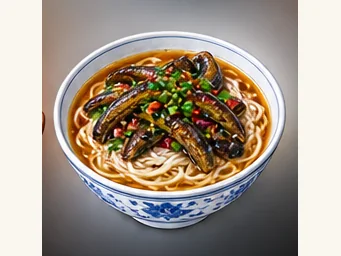 Tianmen eel rice noodles 天门鳝鱼米粉AI illustration · AI 示意图
Smooth noodles contrast with the eel's tender, slightly springy flesh, while the cooking juices enrich the broth or sauce.
Source ↗Read the dish guide →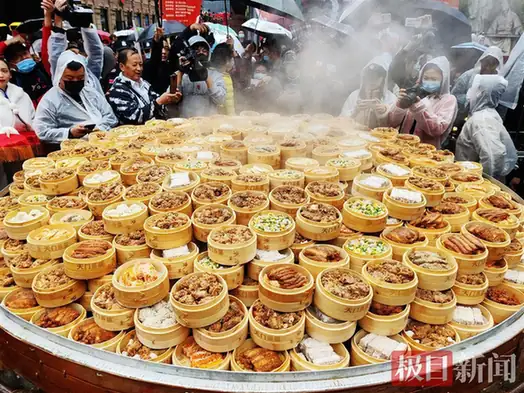 Tianmen Steamed Dishes 天门蒸菜
Tianmen Steamed Dishes (天门蒸菜) are the steamed dishes of Tianmen (天门), a city in Hubei that its government calls the home of steamed dishes ("蒸菜之乡").
Read the dish guide →Photo adjustments
EXIF orientation normalized; resized without changing aspect ratio; converted to WebP. No subject edits.
 Huangtan Rice Noodles 黄潭米粉Reference photo of a similar dish · 同类菜品参考照片
Huangtan Rice Noodles (黄潭米粉) are hair-thin white rice noodles served in a thick eel soup, from Huangtan Town (黄潭镇) just west of the city of Tianmen (天门) in Hubei.
Read the dish guide →
Photo adjustments
Full frame retained; EXIF orientation normalized, proportionally resized to at most 800 pixels and converted to WebP. No generated pixels or subject changes. Cards may crop the display.
 Yihe Freshwater Clams 义河蚶
Yihe Freshwater Clams (义河蚶) are freshwater bivalves from the Tianmen River (天门河) in Tianmen (天门), Hubei, and a banquet dish the city is known for.
Read the dish guide →Photo adjustments
EXIF orientation normalized; resized without changing aspect ratio; converted to WebP. No subject edits.
 Tianmen Guokui Flatbread 天门锅盔AI illustration · AI 示意图(仅供参考,非实拍)
Tianmen Guokui Flatbread (天门锅盔) is a baked flatbread from Tianmen (天门), Hubei, made by slapping pieces of risen dough onto a guokui oven.
Read the dish guide →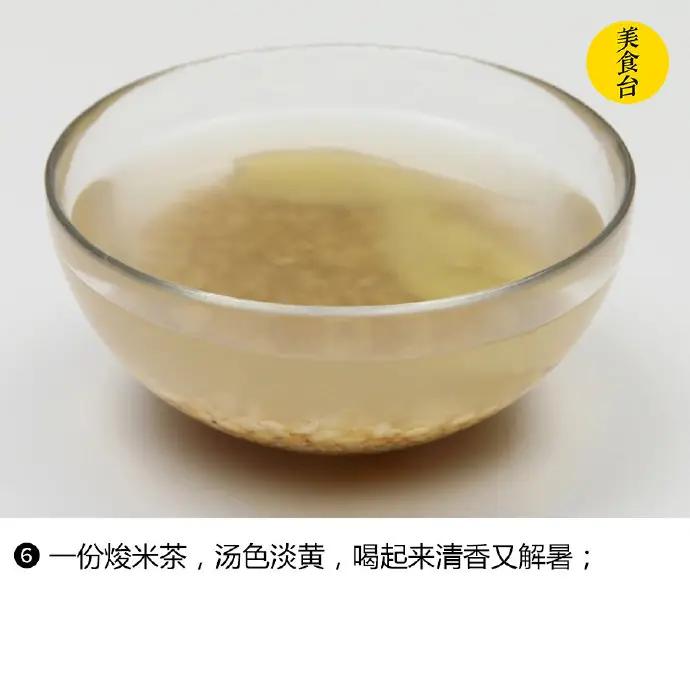 Toasted Rice Drink 米茶
Toasted Rice Drink (米茶) in Tianmen (天门), Hubei, is qu micha (焌米茶): rice toasted in a wok until golden and then boiled thin in plenty of water, a summer staple of the Jianghan Plain (江汉平原) that, as Tianmen Daily (天门日报) points out, is called tea but is not tea.
Read the dish guide →Photo adjustments
EXIF orientation normalized; resized without changing aspect ratio; converted to WebP. No subject edits.
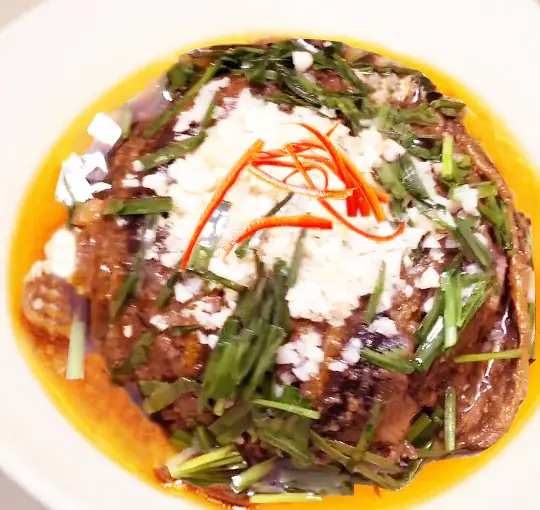 Steamed Rice-Field Eel 蒸鳝鱼
Steamed Rice-Field Eel (蒸鳝鱼) is one of the steamed fish dishes of Tianmen (天门), a city on the Jianghan Plain of Hubei that promotes itself as China's home of steamed dishes.
Read the dish guide →Photo adjustments
EXIF orientation normalized; resized without changing aspect ratio; converted to WebP. No subject edits.
 Rice-Powder Steamed Pork 蒸肉
Rice-Powder Steamed Pork (蒸肉) is the meat member of Mianyang three steams (沔阳三蒸), the rice-meal steamed dishes of Xiantao (仙桃) in Hubei, which was Mianyang county until 1986.
Read the dish guide →
Photo adjustments
EXIF orientation normalized; resized without changing aspect ratio; converted to WebP. No subject edits.
More dishes from across Hubei are in the Hubei food guide.
Plan your visit
Getting there
Search for 天门市 in a map app to find stations and your accommodation.
Where to stay →Build your route
Shijiahe culture and Shijiahe Site Museum are both listed here. The linked place guides have entrance and visit details.
Continue with Hubei →More in Hubei
Sources & geographic information
Administrative names and parent areas: Official geographic directory · Reference date 2026-09-06.
Some facts checked against 天门市 — Wikipedia contributors, CC BY-SA 4.0.
Map data © OpenStreetMap contributors. Pins mark approximate centres, not entrances or boundaries.