
Central · Destination guide
Wuhan 武汉
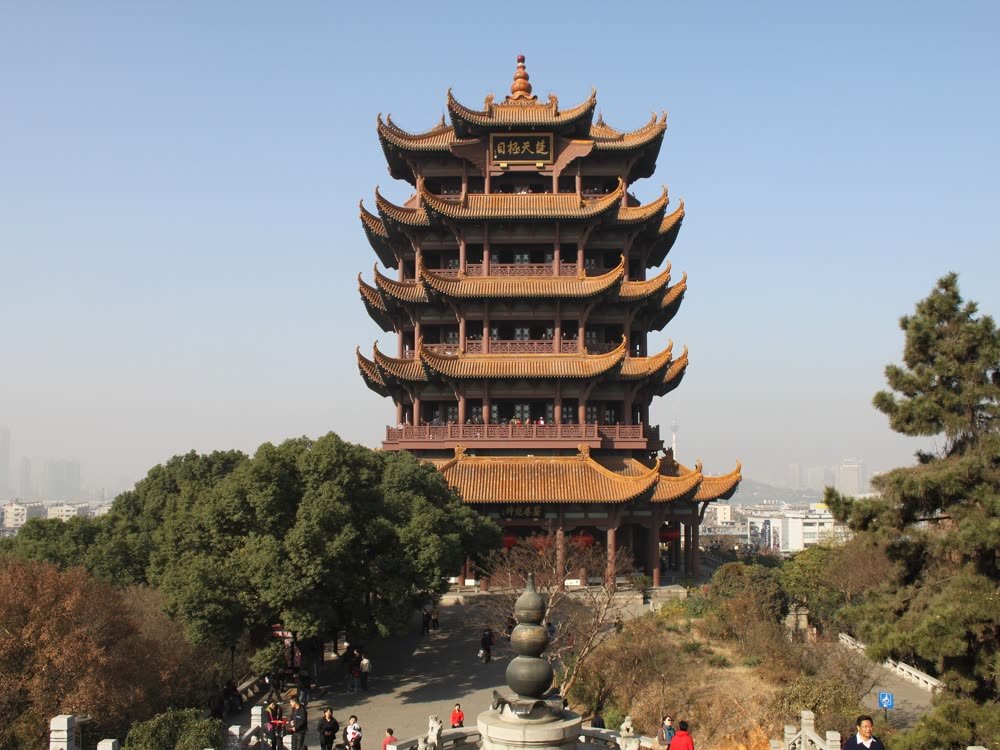
Wuhan is a major central Chinese city formed around the meeting of the Yangtze and Han rivers. Its three historic towns—Wuchang, Hankou and Hanyang—give it a riverfront skyline, commercial history, revolutionary landmarks, lakeside walks and a serious breakfast culture in one large, spread-out destination.
Wuhan at a glance
- Population
- 13,861,900Year-end resident population, entire city administrative area · 2025Published as 13.8619 million (1386.19万); urbanisation rate 85.22%.Source ↗
- Income per person
- 62,530Mean annual disposable income per person, all residents · 2025 · CNYUrban residents 67,248; rural residents 35,575.Source ↗
- Languages & dialects
- Mandarin, with the Wuhan dialect of Southwestern Mandarin locally.Source ↗
- Geography
- On the Jianghan Plain where the Han River joins the Yangtze, dividing the city into Wuchang, Hankou and Hanyang, with many lakes including East Lake.Source ↗
- Elevation
- Not available on a comparable basis
- Province / region
- HubeiSub-provincial city (provincial capital)
Map & places
Explore Wuhan
Browse places and sight guides by category, or choose a district below the map to see its location and boundary.
Browse 28 places; 25 have map coordinates. Some listings cover overlapping areas.
Colour-coded categories. Pins are approximate; confirm entrances and routes in Amap or Apple Maps before setting off. District boundaries: © OpenStreetMap contributors (ODbL), simplified, for travel reference only.
Counties & districts in Wuhan
Select a district name to show its boundaries on the map above; its details remain available separately.
Top sights in Wuhan
- 1Trip.Best #1
Yellow Crane Tower黄鹤楼
Yellow Crane Tower is Wuhan’s landmark on Snake Hill in Wuchang, where a rebuilt historic tower joins a Yangtze-facing view, literary memory and a walk through the surrounding park.
- 2Trip.Best #2
Hubei Provincial Museum湖北省博物馆
Hubei Provincial Museum is Wuhan’s main museum for the archaeology and history of the middle Yangtze. Its South Hall brings together the Marquis Yi of Zeng exhibition, the Sword of Goujian display and the story of the Zeng state, while the North Hall places these famous objects in a broader account of Hubei’s past. Admission is free, but a real-name, timed reservation is required.
- 3Trip.Best #3
Qingchuan Pavilion晴川阁
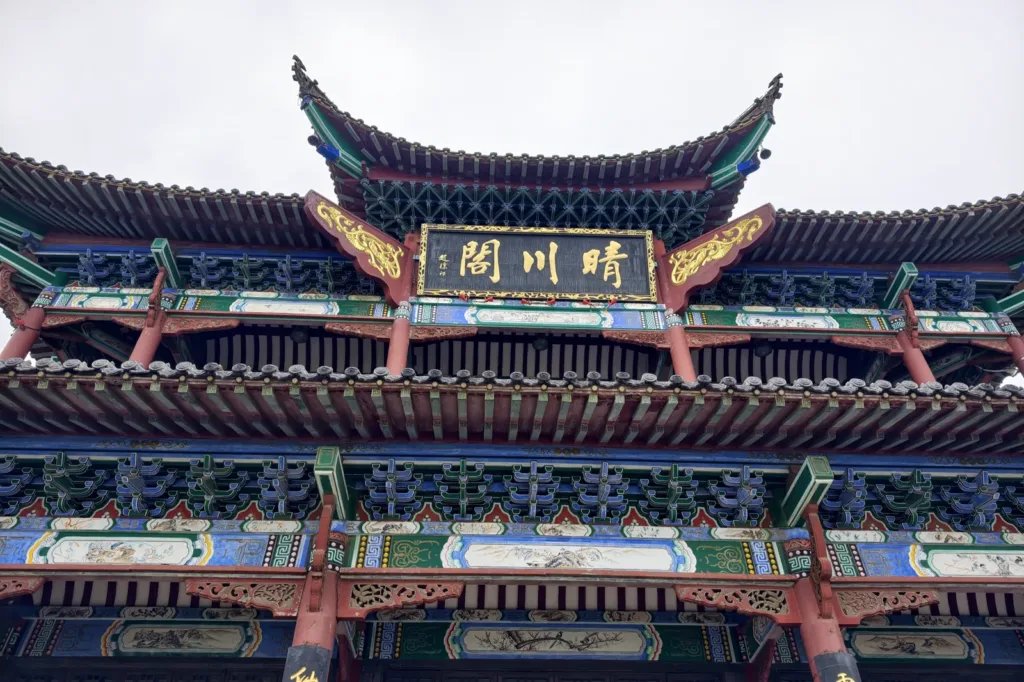
Qingchuan Pavilion is a riverside historic compound on Hanyang’s Guishan, looking across the Yangtze toward Yellow Crane Tower. Its compact sequence of the pavilion, Yuji Palace and Tiemen Gate brings Wuhan’s river landscape together with stories of flood control and the old city approach.
- 4Trip.Best #4
East Lake (Wuhan)武汉东湖
East Lake is Wuhan's broad lakeside landscape: a network of water, wooded hills, gardens and long public paths rather than one gate or one compact sight. Its appeal lies in choosing a manageable shore section—Tingtao for the lakefront and literary memorials, or Moshan for hills, gardens and seasonal flowers—then returning through the greenway at an unhurried pace.
- 5Trip.Best #5
Hankou Riverside Park汉口江滩
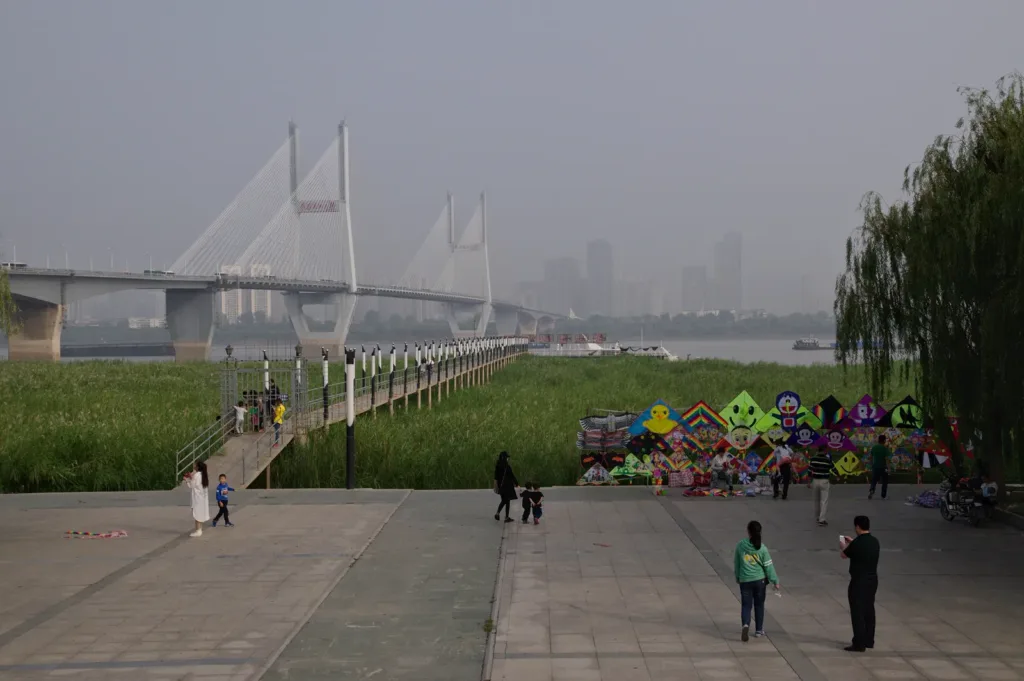
Hankou Riverside Park (汉口江滩) is Wuhan’s long Yangtze-side public park, where a sediment-built river flat has been shaped into seasonal terraces that work as flood infrastructure and as a place for walking, river views and everyday recreation.
 6Trip.Best #6
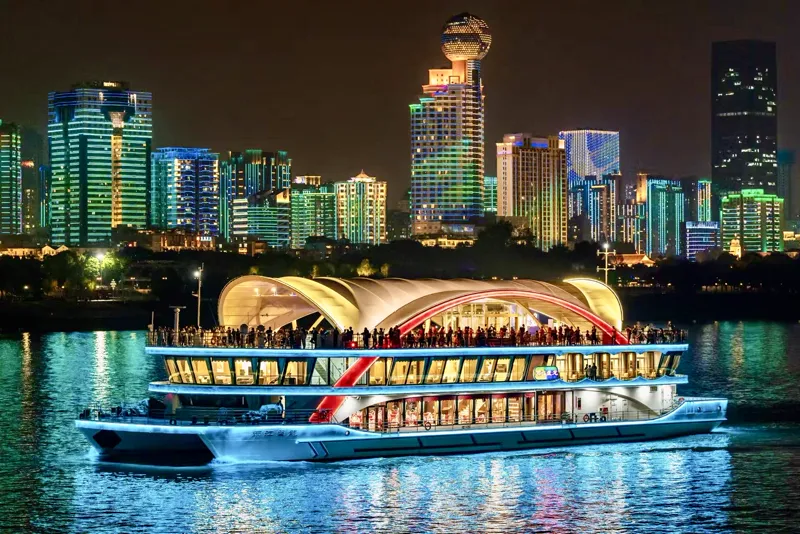
Liangjiang Night Cruise两江游览
An evening boat trip on the Yangtze and Han rivers past the lit-up bridges and riverfronts; check the pier and sailing times when booking.
 7Trip.Best #7
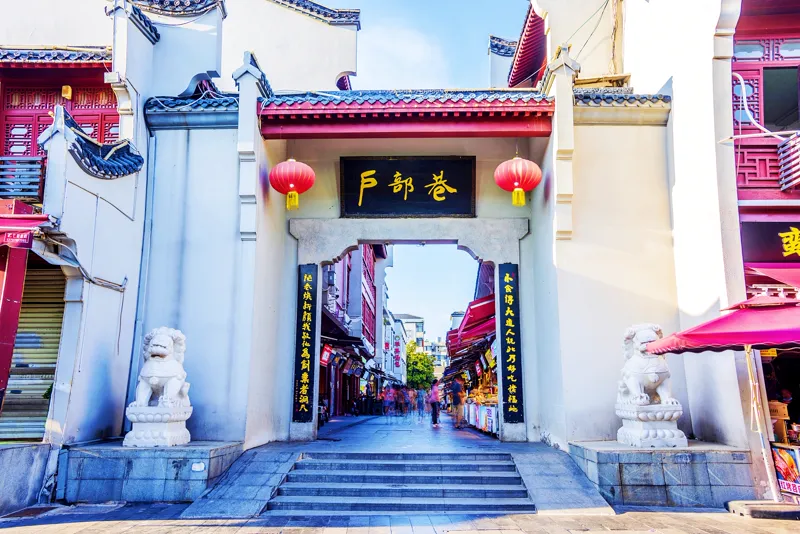
Hubu Lane户部巷
A short food street below Yellow Crane Tower in Wuchang, known for breakfast stalls selling hot dry noodles, doupi and other Wuhan snacks.
 8Trip.Best #8
Happy Valley Wuhan武汉欢乐谷
A large theme park with roller coasters and shows near the north-east shore of East Lake.
- 9Trip.Best #9
Jianghan Road Pedestrian Street江汉路步行街
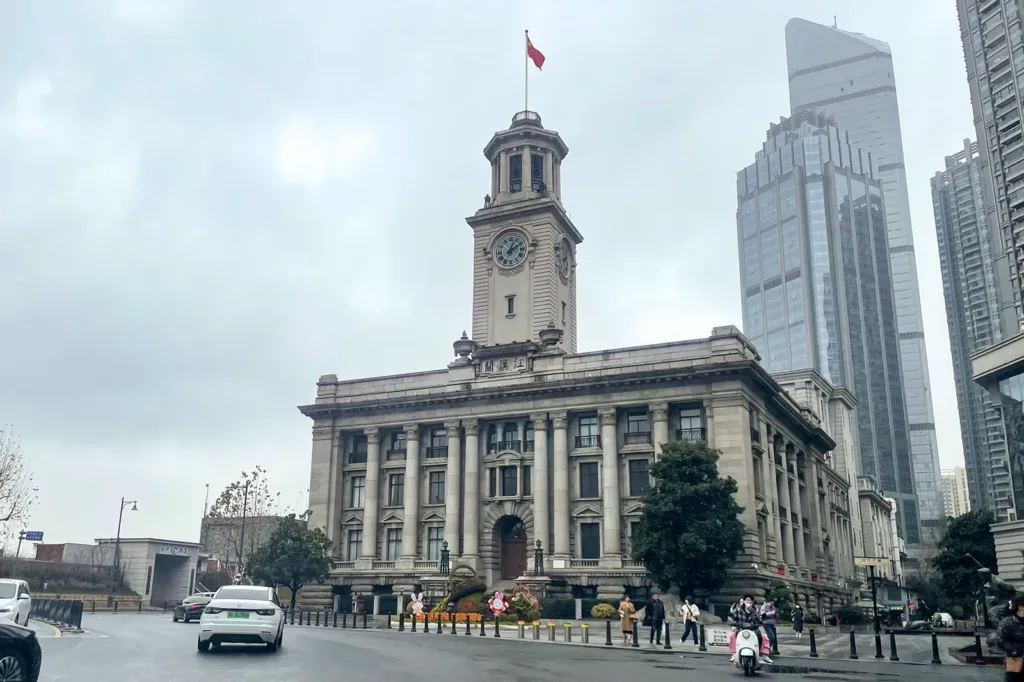
Jianghan Road Pedestrian Street is Hankou’s car-free commercial spine, linking the Yangtze-side Hankow Customs House with Jiefang Avenue. Its interest lies in the way early-20th-century banks and shops share the walk with contemporary food, shopping and evening street life.
 10Trip.Best #10
Wuhan Zoo武汉动物园
A long-established zoo by Moon Lake in Hanyang, with pandas among its animals.


Wuhan travel guides
In-depth articles and itineraries for planning your time in Wuhan.
SOON
Itinerary
3 days in Wuhan: a first-timer's itinerary
How to split your days between the essential sights, neighbourhood walks and a relaxed evening, with transport tips between each stop.
Coming soonSOON
Food
Where to eat in Wuhan
Local dishes worth seeking out, how to order and what to expect.
Coming soonSOON
Transport
Getting around Wuhan by metro and taxi
Cards, apps and station tips for moving between sights.
Coming soonSOON
Day trip
Day trips from Wuhan
Plan the outward and return journeys and visiting time before mapping out your day.
Coming soonSOON
Neighbourhoods
Neighbourhood walks in Wuhan
Discover everyday Wuhan on a slow walk.
Coming soonSOON
Seasons
Choosing a season for Wuhan
See how visiting changes from spring to winter.
Coming soonLocal dishes
Hot dry noodles热干面
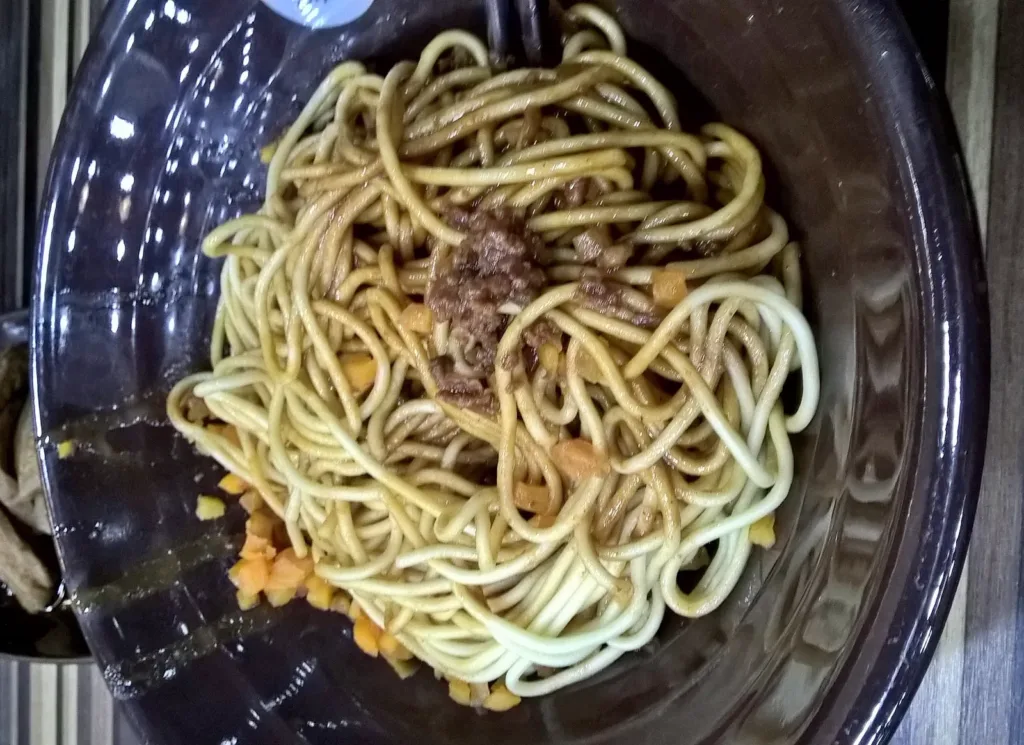
Hot dry noodles (热干面, règānmiàn) are Wuhan’s warm, sesame-coated breakfast noodles: pre-cooked wheat noodles are reheated, tossed with sesame sauce and savoury condiments, then adjusted with pickled vegetables, scallions and chilli. What makes them distinctive is the firm noodle and thick, aromatic coating, not a bowl of broth.
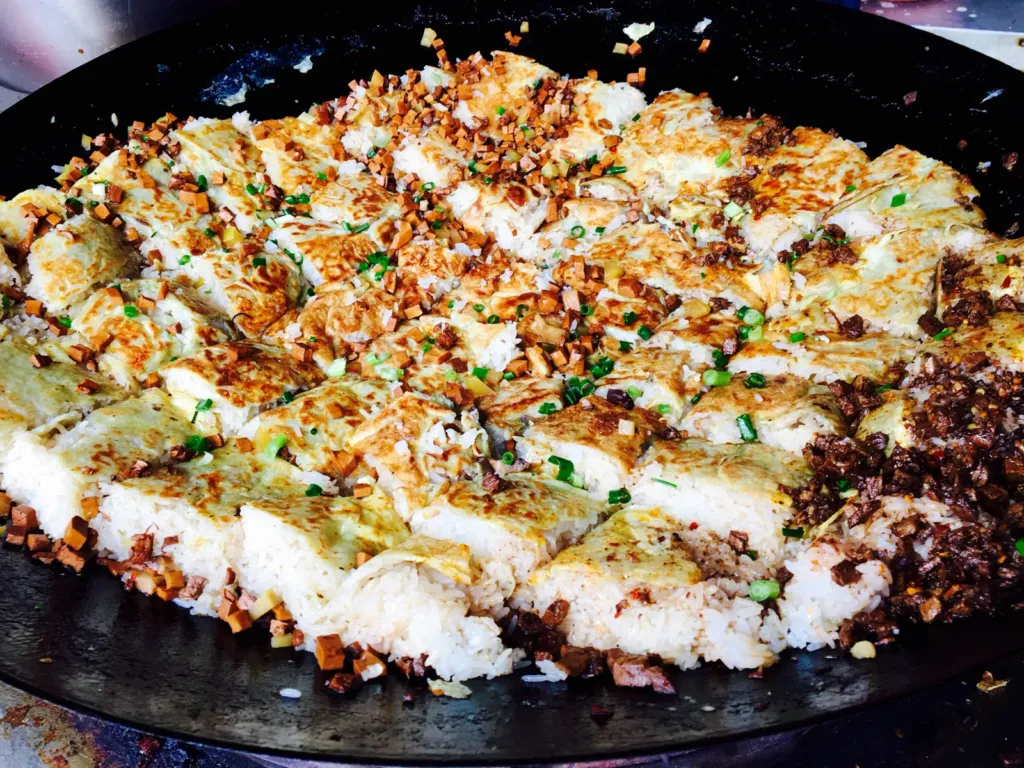
Three-delicacy doupi三鲜豆皮
Three-delicacy doupi (三鲜豆皮) is a Wuhan breakfast of a thin mung-bean-and-rice wrapper, egg, glutinous rice and diced savoury fillings. Its appeal is the contrast between a browned, lightly crisp skin, soft rice and savoury pieces; the exact “three delicacies” can vary by kitchen.

Pork-rib and lotus-root soup排骨藕汤
Pork-rib and lotus-root soup is a Hubei soup of pork ribs and lotus-root chunks simmered until the meat is tender and the root is either soft and starchy or still slightly crisp. In Wuhan, it is a useful way to taste the province’s preference for fresh lake-country produce and soup served with a shared meal, rather than a dish tied to one named restaurant.
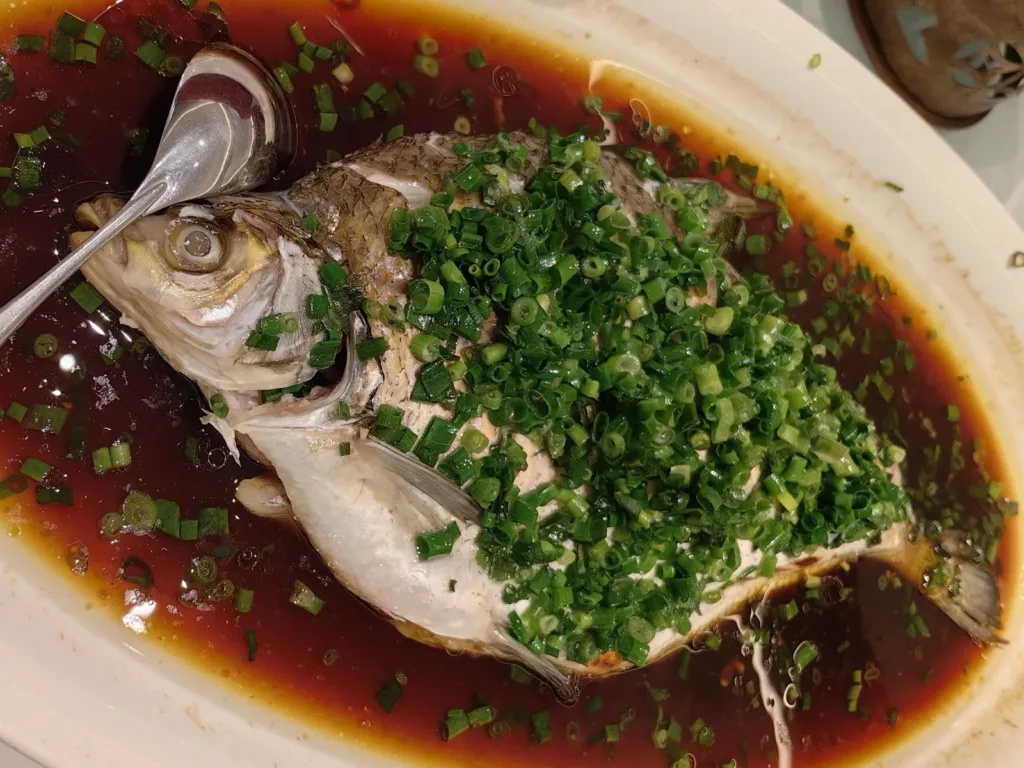
Wuchang fish武昌鱼
Wuchang fish (武昌鱼) is a Hubei freshwater-fish dish associated with Wuhan, prized for delicate, lightly fatty flesh and for the contrast between clear-soup steaming and fuller braising. Its older geographic story points to the Liangzi Lake–Fankou area by today’s Ezhou, while Wuhan helped turn the name into a widely recognized city dish.

Wuhan peppery thick rice-noodle soup糊汤米粉
Hutang mifen is Wuhan’s breakfast of fine round rice noodles in an opaque, thick fish broth seasoned with pepper. Its distinctive contrast is a smooth, savoury bowl with a crisp youtiao torn off and dipped as you eat.
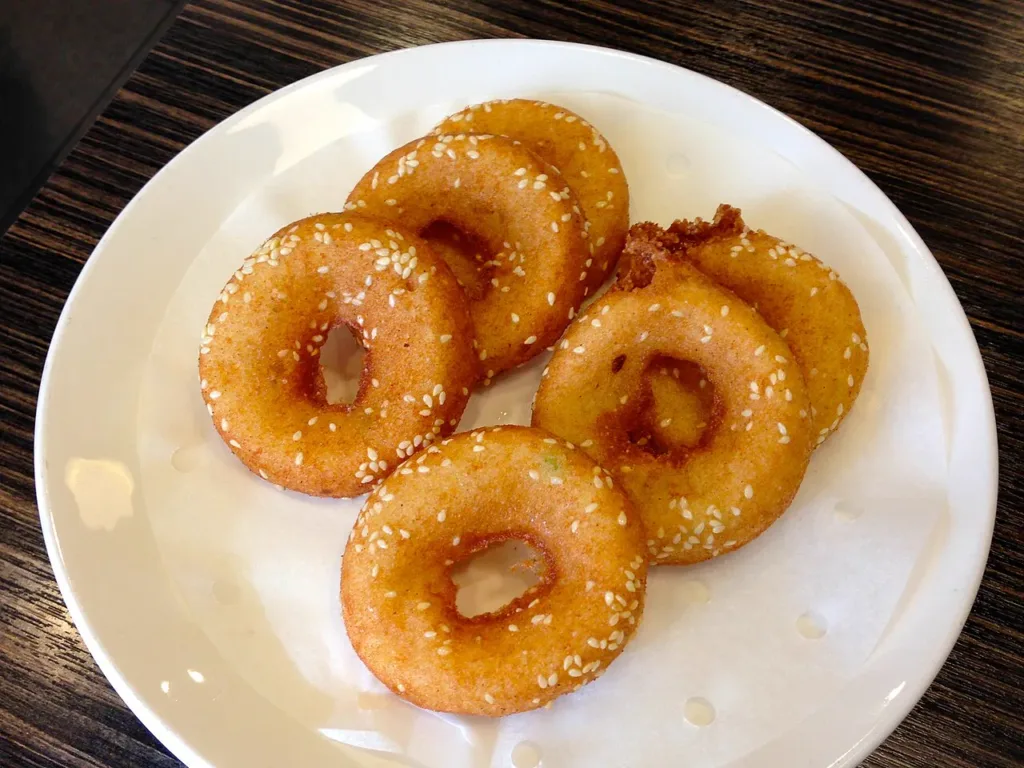
Wuhan savoury rice-batter rings武汉面窝
Wuhan mianwo is a savoury, deep-fried rice-and-soy breakfast ring. Its special appeal is the contrast between a crisp, thin centre and a softer, thicker rim, shaped in a raised-centre iron spoon and eaten as part of Wuhan’s morning “guozao” tradition.
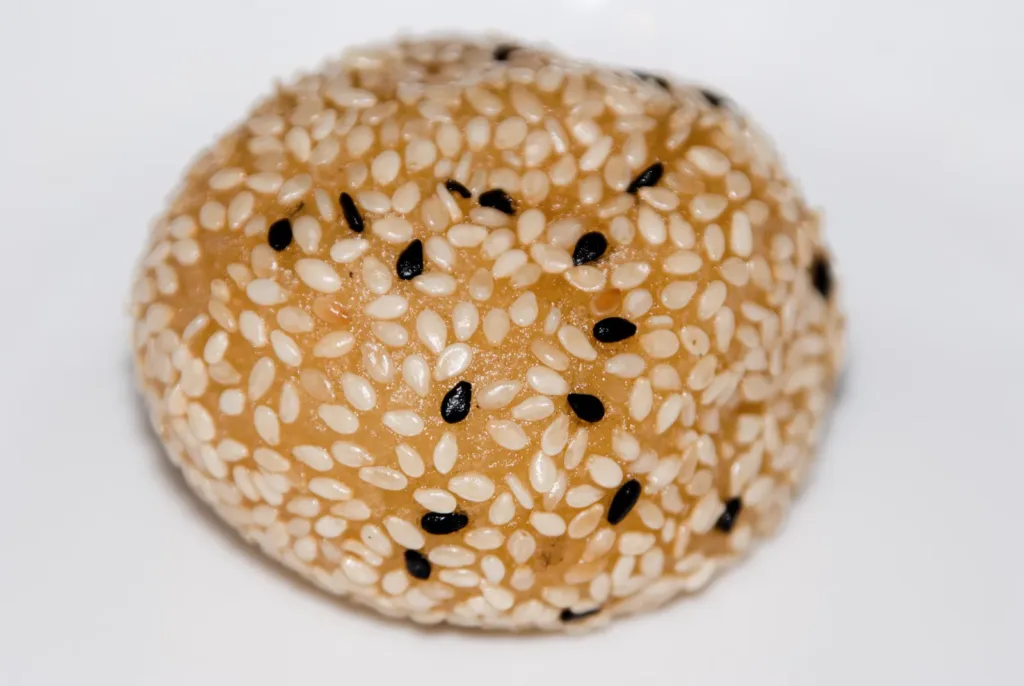
Wuhan sesame-coated rice balls欢喜坨
Huanxituo (欢喜坨) is a sweet Wuhan breakfast snack made from glutinous-rice dough, rolled in sesame and fried until the outside is crisp. The Wuhan style is especially associated with a light, hollow centre, giving it a less dense bite than a solid sesame ball.

Fried flatbread with sticky-rice dumplings油饼包烧梅
AI illustration · AI 示意图Wuhan’s 油饼包烧梅 pairs a crisp fried flatbread with rich, sticky-rice shaomai—a filling breakfast that turns two familiar components of the city’s “过早” into one handheld bite.
Arrival, stays & getting around
Arrive, stay & get around Wuhan
Check the precise airport or station name on the ticket before arranging the final transfer to your hotel.
Your arrival gateway
Wuhan 武汉
Transport gateways for Wuhan. Tianhe Airport is in Huangpi on Metro Line 2; the city has three main railway stations, Wuhan, Hankou and Wuchang, on different sides of the river, so check the station name on your ticket.
Airports
Wuhan Tianhe International Airport
武汉天河国际机场
Wuhan's main airport, in Huangpi about 26 km north of the centre. Metro Line 2 runs from the airport transport centre to Hankou and across the river to Wuchang; the airport also has a railway station and airport buses. Check whether your flight uses Terminal 2 or Terminal 3.
Railway stations
Wuhan Railway Station
武汉站
The main high-speed station at Yangchun Lake, Qingshan, for lines to Beijing, Guangzhou and beyond. Three separate metro stations serve it: Line 4 inside the station building, Line 5 at the East Square and Line 19 at the West Square. Tickets are real-name.
Hankou Railway Station
汉口站
At Jinjiadun in Jianghan, for many high-speed and conventional trains, including services towards Shanghai and Chengdu. Metro Line 2 stops here and runs on to central Hankou, Wuchang and the airport. Tickets are real-name.
Wuchang Railway Station
武昌站
At the south-east end of Zhongshan Road in Wuchang, for conventional and some high-speed trains, handy for the Wuchang side of the city. Metro Lines 4 and 7 stop at Wuchang Railway Station. Tickets are real-name.
Metro & city transport
Wuhan Metro
武汉地铁
Over a dozen lines cover the three towns, with several crossings under the Yangtze. Line 2 links the airport, Hankou Station, Jianghan Road and Wuchang; Line 4 links Wuhan and Wuchang stations. Ferries and buses fill in the rest.
More about getting around
Wuhan Tianhe International Airport is in Huangpi, about 26 km north of the centre, on Metro Line 2. The city has three main railway stations: Wuhan Station at Yangchun Lake for most high-speed trains (Metro Lines 4, 5 and 19), Hankou Station in Jianghan (Line 2) and Wuchang Station in Wuchang (Lines 4 and 7). The metro crosses the Yangtze several times; ferries also cross between Wuchang and Hankou.
Transport reference review: 2026-10-24. Consult the operator for current services and timetables.
Accommodation
Stay in Wuhan
Stay in Wuchang near Yellow Crane Tower and Hubu Lane for the main sights, in Hankou near Jianghan Road and the riverside for old streets and nightlife, or near Wuhan Station for early high-speed trains.
Find hotels on Trip.com ↗Change your destination, dates and guests on Trip.com.
Weather
Wuhan weather
Loading the current-hour forecast…
Humid subtropical, with hot, sticky summers that make Wuhan one of China's traditional 'furnace' cities, and cold, damp winters. The plum rains fall around June and July. Spring, when cherry blossom fills East Lake and the Wuhan University campus in March, and autumn are the most comfortable seasons.
Seasons & when to go
Check the city forecast ↗Bookings & travel
Make your travel plans a reality
Stays
Find hotels in Wuhan on Trip.com
Change your destination, dates and guests on Trip.com.
Find hotels on Trip.comWhy I recommend Trip.comFlights
Search for flights on Trip.com
Change your destination, dates and passengers on Trip.com.
Search flights on Trip.comWhy I recommend Trip.comTrains
Search for trains on Trip.com
Change your stations, travel date and passengers on Trip.com.
Search trains on Trip.comWhy I recommend Trip.comCars
Browse car rentals on Trip.com
Change your pick-up location and rental dates on Trip.com.
Open Trip.comWhy I recommend Trip.comActivities
Explore activities on Trip.com
Change your destination, dates and participants on Trip.com.
Explore activities on Trip.comWhy I recommend Trip.comFood
Explore local food guides
Browse local dishes, breakfast ideas, snacks and regional cooking.
Explore food guidesWhat to eat in WuhanWritten by China Revealed · Editorially updated 2026-10-24
Maps & transport note
Transport suggestions on this site may be inaccurate or out of date. Confirm your exact destination, visitor entrance, current route and return connection before setting off.
For travel in mainland China, we recommend Amap (高德地图) or Apple Maps (苹果地图) for checking local directions. Both support English. Keep the Chinese place name and full address handy, and compare the result with the venue or transport operator’s latest information.
Do not rely on Google Maps or another overseas map as your only route check for mainland China. Map coverage and features vary, and no app can guarantee an error-free route.
Amap’s English interface depends on the app version and store region. Apple Maps follows your device or app language settings; some place labels may remain in Chinese. Apple states that its map service in China uses AutoNavi (Amap). Features differ in Hong Kong, Macao and Taiwan.
Information checked 2026-09-07.