

Explore the region
Wuhan Botanical Garden is where Wuhan’s East Lake landscape meets the slower work of plant science. The visitor campus is the Moshan campus (磨山园区), on Lumo Road at the southern foot of Moshan Hill. The institution was founded in 1958 after planning began in 1956, and combines research, ex-situ conservation and public science education. Its Moshan campus is a national 4A tourist attraction and holds more than 13,000 plant resources in 17 specialty gardens.
This is not simply a seasonal flower park. The garden’s collections make big ecological questions visible: how water plants clean or adapt to water, how rare plants are conserved away from their original habitats, and how crop diversity is kept for future use. In late September 2026, for example, the garden’s public programme presented more than 500 kinds of aquatic plants, including autumn lotus displays and a walk through aquatic-plant research and conservation areas. That programme was scheduled to continue through October 2026, so seasonal displays should be treated as date-specific rather than permanent.
What to look for
Start with the aquatic-plant area. The garden describes it as East Asia’s largest aquatic-plant specialty garden; a September 2026 report gives the collection as 539 species in 211 genera, with a water-plant landscape greenhouse, germplasm beds and several display zones. Look for the “Underwater Forest” tanks, floating and emergent plants, the water-plant greenhouse and the boardwalk through the wetland-style display.
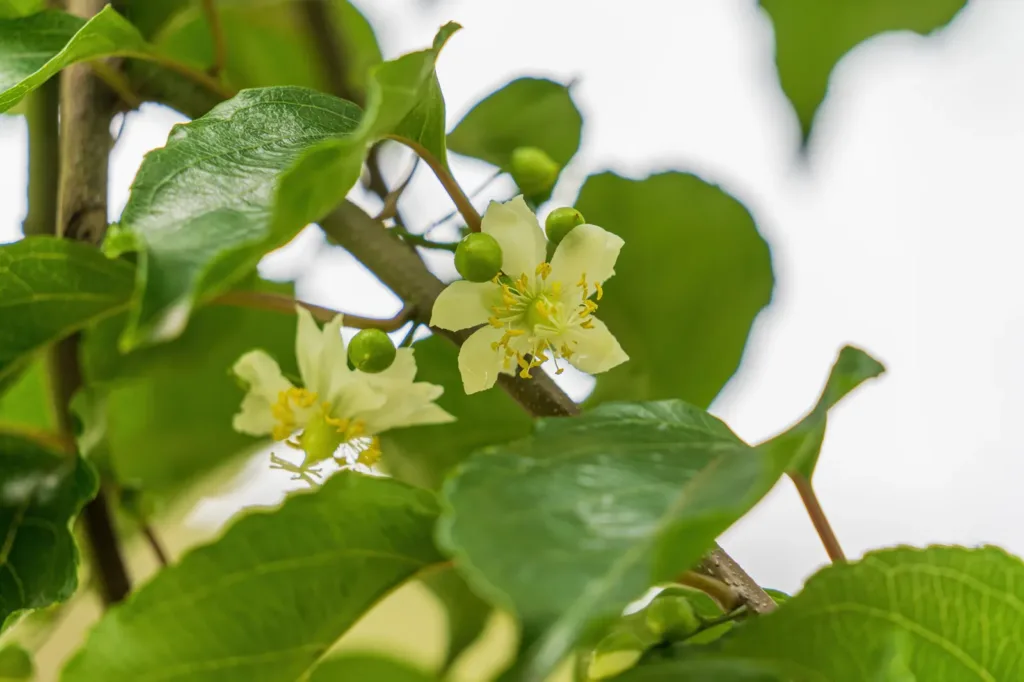
The kiwifruit garden is a reminder that a botanical garden can also be a working conservation library. Wuhan Botanical Garden maintains a national kiwifruit germplasm collection, alongside displays of plants that are useful, rare or threatened. The Bencao Garden (本草园) holds more than 1,500 medicinal plant species.
For a closer look at central China’s flora, seek out the rare-plant area and the Three Gorges plant section. The latter was completed in 2005 to conserve plants from the reservoir drawdown zone and includes more than 50 species endemic to the Three Gorges region. The bamboo garden, with close to 100 kinds of bamboo, and the peony and azalea gardens add more easily read seasonal contrasts without reducing the visit to a single flower season.
Allow time to walk rather than treating the garden as a checklist. Water, woodland and specialist collections change the view from one section to the next. The Moshan campus is the place described here; the institution also has a much larger Guanggu campus at No. 201 Jiufeng 1st Road for research and demonstration work, so do not assume that a map result for Guanggu is the public garden entrance.
Visiting and getting there
Use the Moshan campus address: No. 1 Lumo Road, Hongshan District, Wuhan — 武汉市洪山区鲁磨路特1号. The garden’s visitor material has listed buses 401, 402, 413 and 625 to the Wuhan Botanical Garden stop on Zhiwuyuan Road; another official visitor notice lists 402 and 625. Because these pages are older and bus services can change, check the live route and the stop name before travelling.
No direct metro approach or exit number is confirmed in the sources used here. A taxi or ride-hailing car should be given the Chinese destination 中国科学院武汉植物园(磨山园区), not just “Wuhan Botanical Garden”; keep the address above for the final approach. The official site maintains separate visitor pages for opening hours and tickets, but the exact current hours, price, reservation process and passport-acceptance details were not stated in the accessible text checked for this guide. Confirm them with the garden before setting out; its visitor hotline is +86 27 8751 0783.
Find Wuhan Botanical Garden of the Chinese Academy of Sciences
中国科学院武汉植物园 · 洪山区
The pin marks the area, not the entrance.
Sources & visit information
Sources checked on 23 October 2026. Hours, tickets, reservations and transport can change; confirm with the operator before you go.
Image credits & notes (1)
- Actinidia macrosperma at Wuhan Botanical Garden, a close view of the garden’s kiwifruit-related plant collections. Photo: Sun JiaoPhoto: CC BY 4.0