

Explore the region
What makes it distinctive
The city was founded in 1135, when the Peng Tusi seat was established at Fushi, the former name of Laosicheng. It remained the political, economic and cultural centre of the local Tujia area through the Tusi period, until the Qing-era abolition of the hereditary system in 1728. The importance of the place is not just its age. UNESCO describes the three Tusi Sites as evidence of a governing arrangement that connected central administration with local ethnic customs, and specifically notes that living Tujia traditions remain part of Laosicheng’s setting.
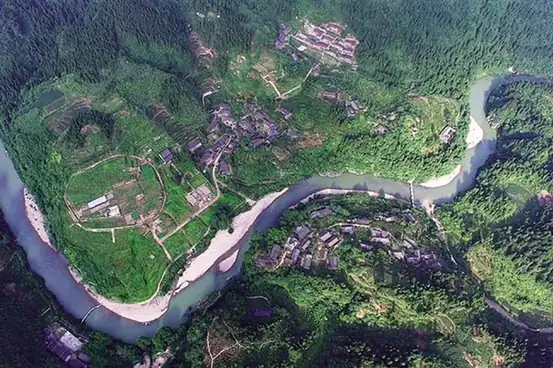
Much of the visit is a walk through archaeological evidence: foundations, walls, streets, drainage and the organisation of the palace, government, residential, religious and burial areas. Begin at Laosicheng Museum, where excavated objects and the site plan give the ruins a readable context, then compare that plan with the remains outdoors. The Lingxi River and the surrounding village are part of the setting, not a separate reconstructed backdrop.
What to look for
- The museum’s explanation of the Tusi system and the excavated history of the site.
- The palace and government zones, where the layout of a ruling centre is easier to understand than from isolated ruins.
- Stone-paved streets, drainage works, walls and building foundations: small infrastructure details show how the city functioned.
- Religious buildings, the Peng clan’s ancestral setting and Tusi tomb areas, where surviving traces connect administration with lineage and ritual.
- The Lingxi River and the village setting. Treat the village as a living community: ask before photographing people or homes, and do not enter areas that are not marked for visitors.
Visiting and getting there
The visitor destination is in Sicheng Village, Lingxi Town, Yongshun County, Xiangxi Tujia and Miao Autonomous Prefecture: 老司城博物馆/老司城遗址,湖南省湘西土家族苗族自治州永顺县灵溪镇司城村. The Hunan provincial visitor page lists the museum, archaeological site, Laosicheng Left Street, Zhoujiawan, Zushi Temple and the Lingxi River as related points within the visit area. Those names describe components of the setting; they do not by themselves prove a single ticket, a boat transfer or a guaranteed open route between every point.
The same official page places the base about 15 km from Yongshun County town and says that visitors can use a local service identified there as “168” from the county bus station, or drive. It does not publish a route direction, current timetable, fare or return schedule. Confirm the Chinese destination, the day’s service and the last return at Yongshun County bus station before setting out; keep enough time for the journey back rather than assuming a river boat or a frequent shuttle.
Current opening hours, admission arrangements, reservation procedure, passport acceptance and the operating status of any river transfer were not stated in the official pages read for this guide. Check those specific items with the site before travel. The place is a protected archaeological and World Heritage setting, so stay on visitor paths, do not climb walls or touch exposed remains, and follow local protection instructions. UNESCO notes that the property is managed under cultural-heritage and scenic-area protection rules and is vulnerable to erosion and visitor pressure.
Combine your visit
A suggested order for exploring this place and its immediate setting.
-
Laosicheng Museum老司城博物馆
Learn the site plan and Tusi historical context.
-
City remains and Left Street城址与老司城左街
Compare the archaeological traces with the reconstructed plan.
-
Lingxi River setting灵溪河沿岸
Finish with the landscape that supported the former capital.
Check access to the individual stops. A suggested sequence does not imply a combined ticket or guaranteed transfer.
Find Laosicheng
老司城 · 湘西土家族苗族自治州
The pin marks the area, not the entrance.
More places nearby
Approximate straight-line distances between map pins, not travel distances.
Zhangjiajie Museum 张家界市博物馆
49 km awayZhangjiajie Museum links the region’s famous geology with its human and urban history. The ground-floor geological display provides a useful introduction to the landscape, while the upper historical galleries move through local…
View guide →Tianmen Mountain 天门山
50 km awayTianmen Mountain is defined by its enormous natural arch and cliff-edge paths above Zhangjiajie city. The mountain-top circuit, temple area and Tianmen Cave give it a different character from Wulingyuan’s sandstone pillars…
View guide →Puguang Chan Temple 普光禅寺
52 km awayPuguang Chan Temple is an older cultural stop within Zhangjiajie’s Yongding city centre. The surviving complex reflects more than a single Buddhist tradition, with the temple, martial shrine and Wenchang-related buildings…
View guide →Sources & visit information
Sources checked on 24 October 2026. Hours, tickets, reservations and transport can change; confirm with the operator before you go.
Image credits & notes (1)
- Laosicheng · 老司城Photo: baike.baidu.comResized for the web; the photo itself has not been edited.