


Get to know Dongyin Township
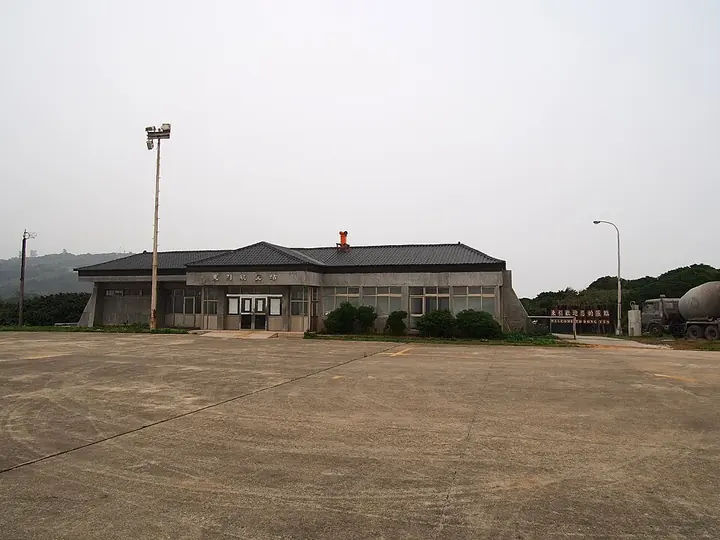
Photo adjustments
Full frame retained; proportionally resized and converted to WebP. No retouching or changes to the photographed subject. Card displays may crop the view.
- Administrative area
- Rural township · 鄉
- Part of
- Lienchiang County
- Chinese name
- 東引鄉
- Local areas
- Rural township guide
Area & population
- Area in the source
- 4.40 km²
Source: cited geographic source, as of the dates shown.
Lighthouse and coastal clefts
Dongyong Lighthouse (東湧燈塔), also called Dongyin Lighthouse (東引燈塔), dates to the Guangxu reign of the Qing dynasty (清光緒). It stands on a headland in the Shiwei Mountain area (世尾山區). Lienü Yikeng (烈女義坑) has steep gorge walls and a viewing platform overlooking coastal erosion features. At Yixiantian (一線天), a narrow rock cleft produces a strong contrast between the dark walls and the light above.
Andong Tunnel
Andong Tunnel (安東坑道) was excavated through granite for military use. About 300 metres long, it has eight openings and a steep interior approach with more than 400 steps. Sleeping quarters, an ammunition store, toilets and artillery remain from the period when troops lived and worked underground.
Sources for this guide
東引-國之北疆線 | 馬祖國家風景區觀光資訊網 · Matsu National Scenic Area Administration
東湧燈塔(東引島燈塔) | 馬祖國家風景區觀光資訊網 · Matsu National Scenic Area Administration
戰史巡禮四日遊 | 馬祖國家風景區觀光資訊網 · Matsu National Scenic Area Administration
Original English written from the listed sources and checked sentence by sentence against quoted extracts by a separate reviewer. Updated 2026-09-27.
Explore Dongyin Township
Core places to explore, with English and Chinese names.
Dongyin Township 東引鄉
Plan your visit
Getting there
Dongyin Township is about 60 km in a straight line from central Lienchiang County. Search for 東引鄉 in a map app to find stations and your accommodation.
Where to stay →More in Lienchiang County
Sources & geographic information
Administrative names and parent areas: Official geographic directory · Reference date 2026-09-06.
Map data © OpenStreetMap contributors. Pins mark approximate centres, not entrances or boundaries.