

Jilin local food
Local dishes, ingredients and the stories behind them.
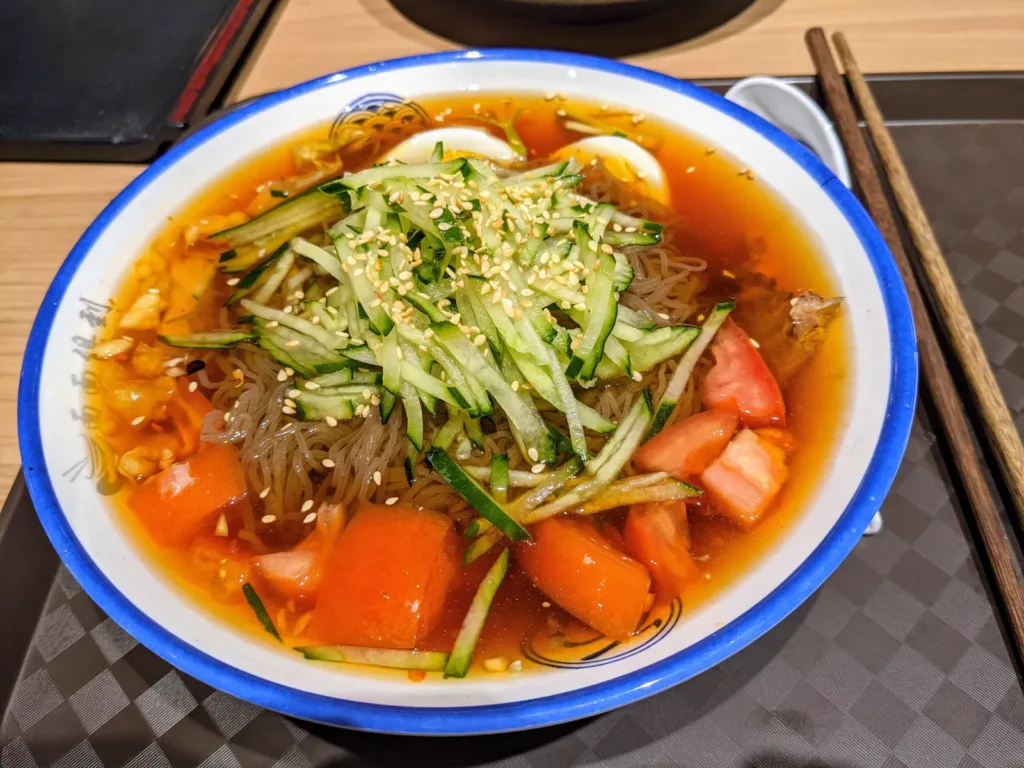
Yanbian cold noodles 延边冷面
Yanbian cold noodles are buckwheat-led noodles pressed, boiled and chilled, then served in a clear, sweet-sour beef-and-bone broth with fresh toppings. Their firm bite and very cold broth express Yanbian’s Korean-Chinese food tradition; in Yanji, the same style is commonly listed as 延吉冷面.
Read dish guide →
Pounded rice cake 打糕
In Yanbian, dagao is a chewy Korean ethnic rice cake made by steaming glutinous rice—or, for a yellow version, yellow millet—and pounding it until cohesive, then serving it plain or with soybean powder, sugar, honey, beans, nuts, or dried fruit.
Read dish guide →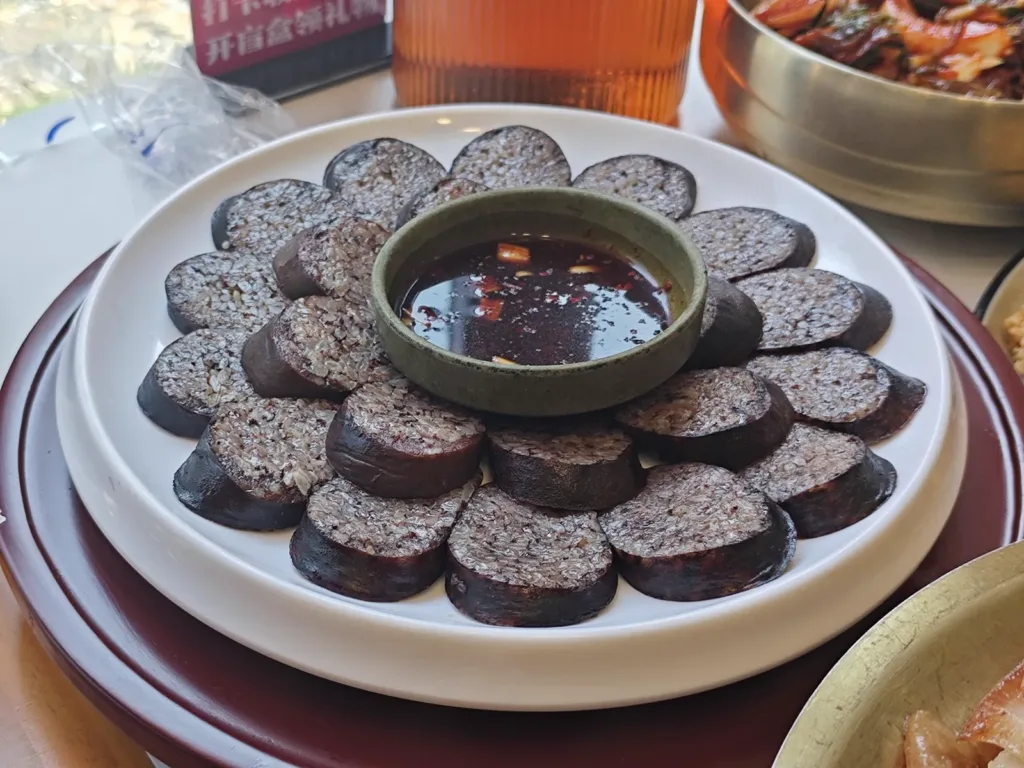
Rice sausage 米肠
Rice sausage (米肠) is a Yanbian Korean-Chinese food made by filling cleaned pork intestine with a rice-based mixture. Documented local versions may include pork blood, glutinous rice, vegetables, pork and seasonings; it is cooked, sliced and often served with a dipping sauce. Ask what is in the day's batch rather than treating one recipe as universal.
Read dish guide →
Stone-pot rice 石锅饭
In Yanbian, stone-pot rice is hot-bowl rice served with changing vegetables, meat or egg; the heated stone creates a browned rice crust and keeps the meal hot at the table.
Read dish guide →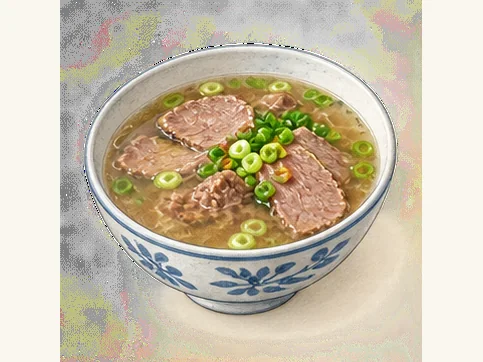
Beef soup 牛肉汤
Yanbian beef soup is a hot regional soup often served as 牛肉汤饭, with beef broth, rice and shop-specific accompaniments such as spicy sauce or fermented cabbage.
AI dish illustration · AI 菜品示意图
Read dish guide →
Pork and pickled-cabbage stew 杀猪菜
Cabbage acidity balances fatty pork, while blood sausage adds a soft, dense texture. This is a generous stew rather than one uniformly cut ingredient.
Read dish guide →
Yanbian apple pear 延边苹果梨
Yanbian apple pear is a crisp, juicy pear from the cold-climate orchards of Yanbian Korean Autonomous Prefecture. Its apple-like shape is visual, not a hybrid claim; the fruit is associated especially with Longjing and with a living farming heritage.
AI dish illustration · AI 菜品示意图
Read dish guide →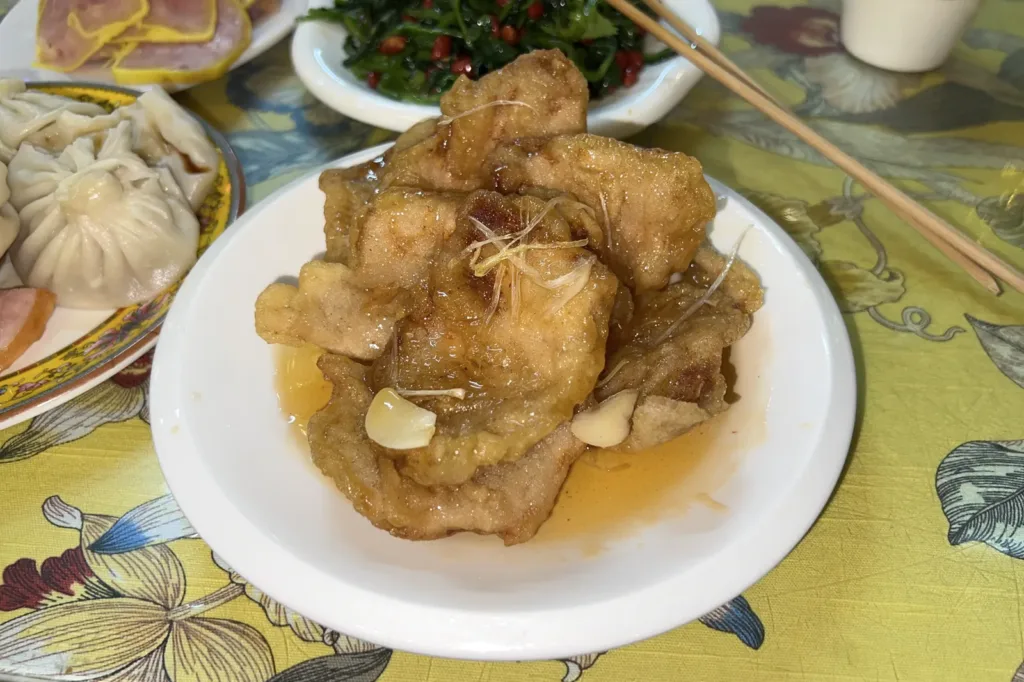
Guobaorou sweet-and-sour pork 锅包肉
Guobaorou (锅包肉) is a Harbin-associated northeastern Chinese pork dish: slices are coated in starch, fried until crisp, then quickly tossed with a sweet-and-sour sauce. It is best eaten hot, when the shell still crackles, and recipes vary between Harbin kitchens and elsewhere in Northeast China.
Read dish guide →
Snow-coat bean-paste puffs 雪衣豆沙
The shell is airy and soft rather than brittle like a breadcrumb crust, surrounding a smooth, dense sweet center. It loses volume and lightness as it waits.
AI illustration · AI 示意图
Read dish guide →
Jilin pan-fried starch jelly 吉林煎粉
Browned edges give way to slippery, springy jelly; sesame adds nuttiness, with garlic and vinegar often providing sharper notes.
AI illustration · AI 示意图
Read dish guide →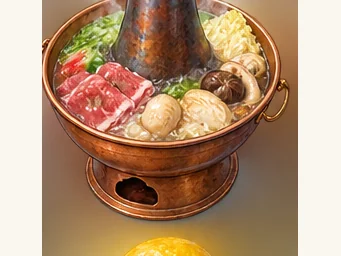
Manchu Wula hotpot 满族乌拉火锅
The flavor develops as the ingredients warm through, while vegetables soften and absorb the meat broth.
AI illustration · AI 示意图
Read dish guide →
Qingling braised fish 庆岭活鱼
Tender fish flesh absorbs the seasoning, while the skin and head offer different textures. A sauce-rich version works particularly well with plain rice.
AI illustration · AI 示意图
Read dish guide →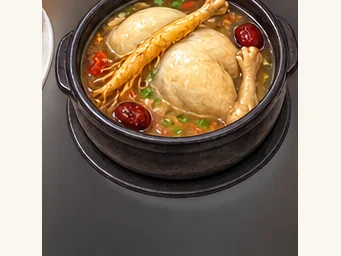
Ginseng chicken soup 人参鸡汤
The soup is savory and aromatic, with a root-like, sometimes slightly bitter note from ginseng rather than a simple sweet herbal taste.
AI illustration · AI 示意图
Read dish guide →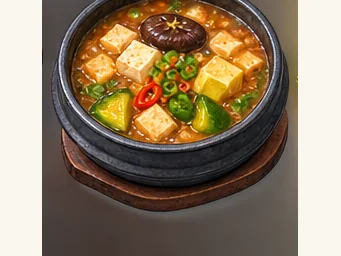
Yanji soybean-paste soup 延吉酱汤
The taste is deeply savory, salty and gently earthy, with soft tofu balancing the fermented aroma. Chili levels vary.
AI illustration · AI 示意图
Read dish guide →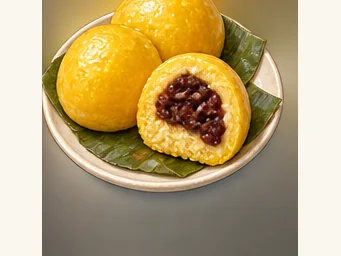
Sticky bean-filled buns 黏豆包
The wrapper is dense, chewy and slightly tacky, surrounding a softer, grainy bean center. A warm bun is more supple than a cold one.
AI illustration · AI 示意图
Read dish guide →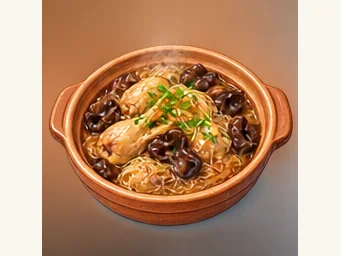
Chicken with hazel mushrooms and noodles 家鸡榛蘑粉
Expect tender chicken, earthy mushrooms and slippery noodles carrying a deep, savory sauce. Bone-in pieces make this a slower meal.
AI illustration · AI 示意图
Read dish guide →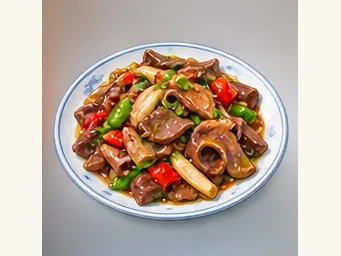
Three-ingredient offal stir-fry 溜三样
Different cuts supply contrasts of tenderness, springiness and chew. The sauce ties those textures together with a pronounced savory flavor.
AI illustration · AI 示意图
Read dish guide →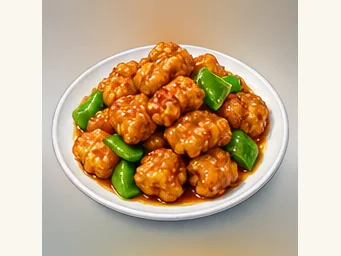
Jilin savoury pork chunks 溜肉段
The coating provides a firm crunch around tender pork, with garlic and savory seasoning more prominent than a heavily sweet glaze.
AI illustration · AI 示意图
Read dish guide →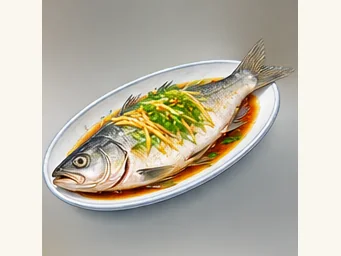
Steamed Songhua Lake whitefish 清蒸松花湖白鱼
The flesh is delicate and softly flaky, with a clean fish flavor and fine bones requiring care.
AI illustration · AI 示意图
Read dish guide →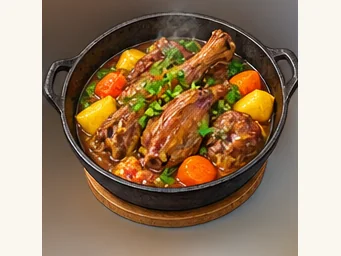
Shulan iron-pot goose 舒兰铁锅炖大鹅
Goose has a substantial chew and fuller flavor than many chicken stews. The sauce gathers rendered fat and aromatics during cooking.
AI illustration · AI 示意图
Read dish guide →
Jilin pressed noodles 吉林饸饹条
The pressing method produces a substantial, even bite. Broth softens the surface while the center can retain a pleasing firmness.
AI illustration · AI 示意图
Read dish guide →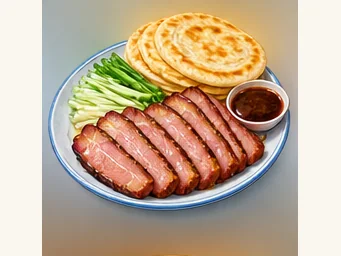
Siping smoked pork 四平李连贵熏肉
Smoky, salty pork and soft fatty layers contrast with the bread's mild chew and any crisp scallions or vegetables.
AI illustration · AI 示意图
Read dish guide →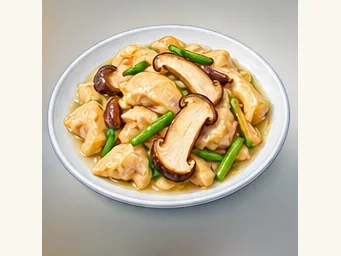
Chicken slices with matsutake 松茸鸡片
The chicken is softly savory, while matsutake contributes an earthy, aromatic note and a firmer mushroom bite. Heavy seasoning can dominate that balance.
AI illustration · AI 示意图
Read dish guide →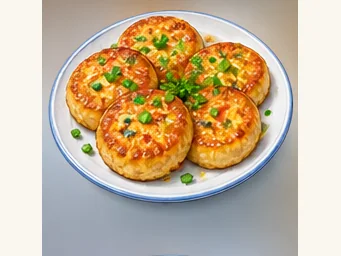
Pan-fried tofu patties 南煎豆腐饼
A browned exterior contrasts with the soft, delicate center, and the seasoning makes a mild tofu base more savory. Patties should remain moist rather than rubbery.
AI illustration · AI 示意图
Read dish guide →Jilin · Food stories

Food articles are in progress
Long-form food stories for this topic are being written. Until then, browse the dish guides above or see all Chinese food guides.