

Fujian local food
Local dishes, ingredients and the stories behind them.
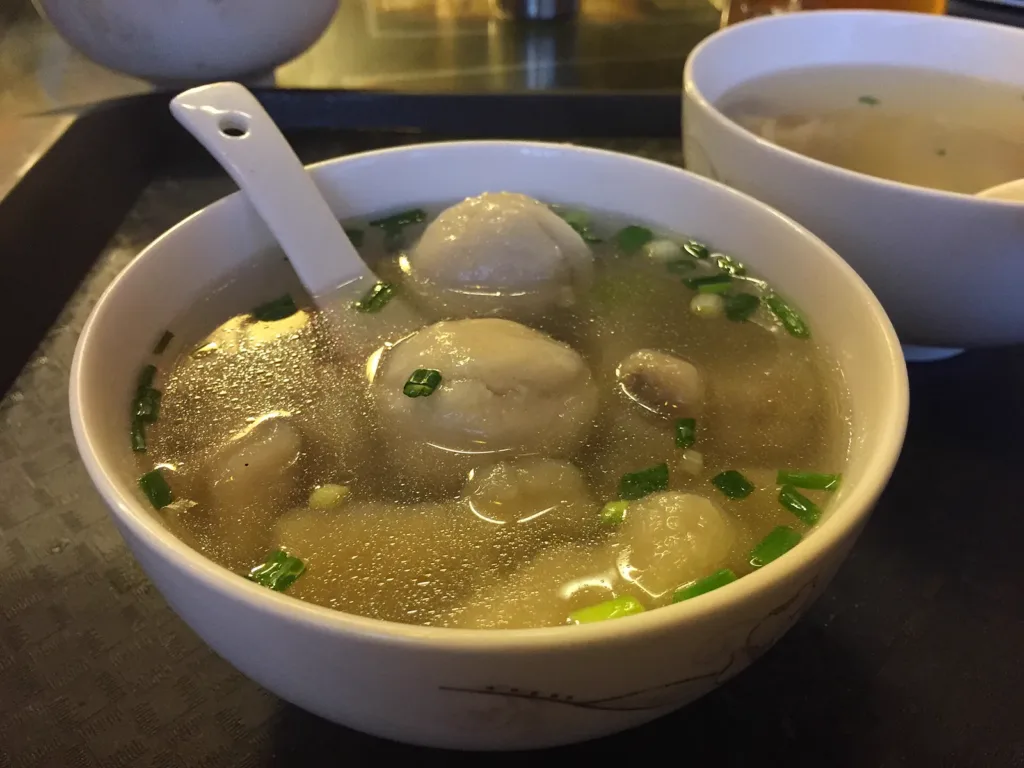
Fuzhou filled fish balls 福州鱼丸
A springy fish-paste shell filled with a savory center, Fuzhou filled fish balls turn a seafood-and-starch craft into a small bowl of soup with a distinct local identity.
Read dish guide →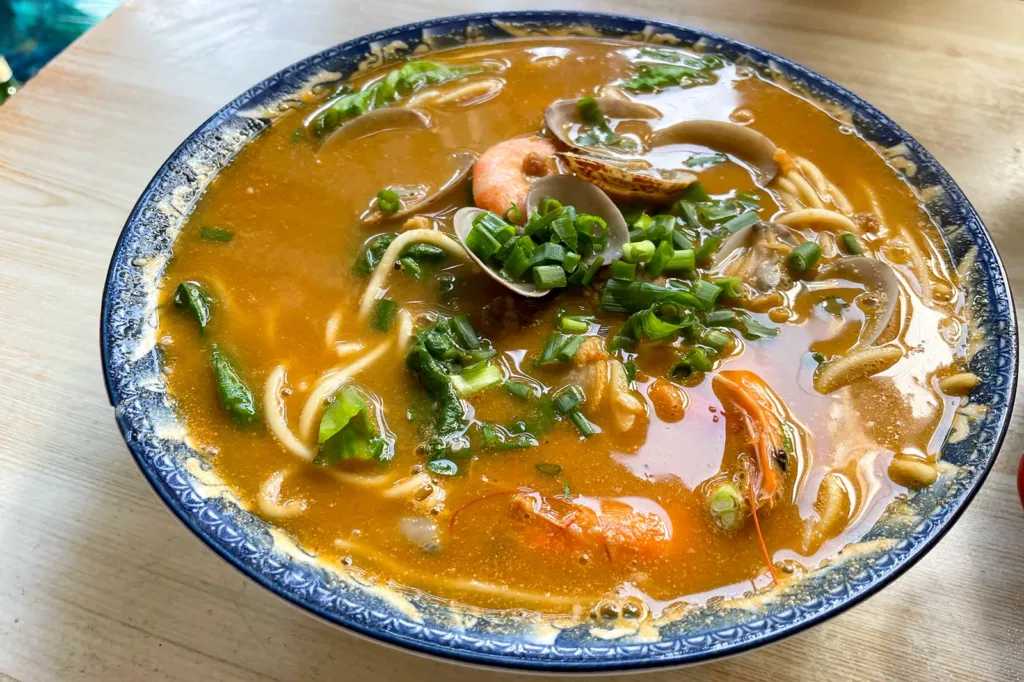
Shacha noodles 沙茶面
Shacha noodles (沙茶面, shāchá miàn) are a Xiamen noodle soup built around a savory, aromatic broth seasoned with shacha paste. The paste reflects southern Fujian’s long exchange with Southeast Asia, while each cook’s blend and choice of toppings can make the bowl taste different.
Read dish guide →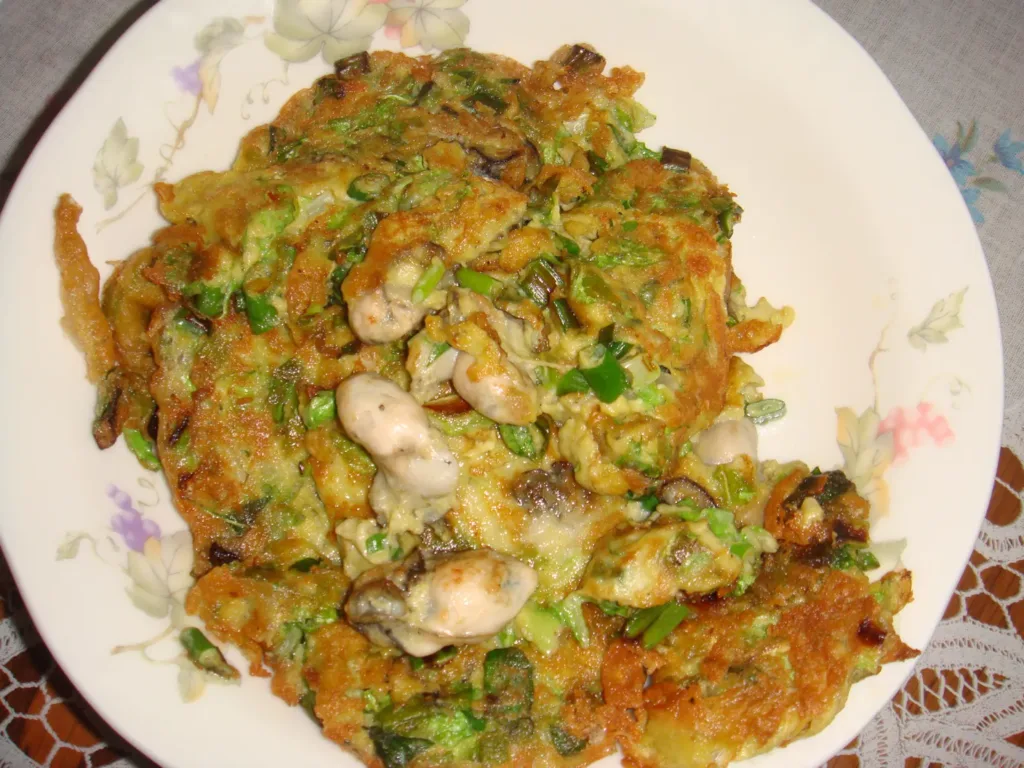
Oyster omelet 海蛎煎
Small oysters, egg and sweet-potato starch meet on a hot pan in this Southern Fujian snack. The starch sets into a tender, slightly elastic center with browned edges; garlic, greens and the sauce vary by cook.
Read dish guide →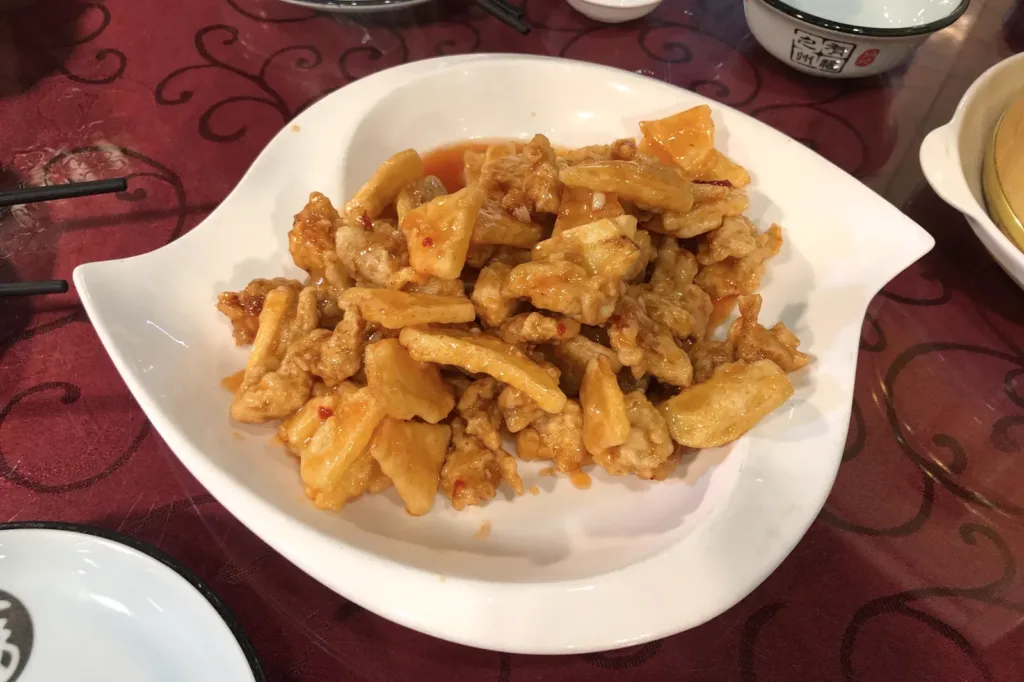
Lychee pork 荔枝肉
Lychee pork is a Fuzhou-associated Fujian dish of cross-hatched pork, starch, and a glossy sweet-and-sour sauce. It is named for the lychee-like curl and colour that appear after frying, not because the dish normally contains lychee fruit. Water chestnuts and potatoes represent common variations, so show 荔枝肉 when ordering and check the kitchen's version.
Read dish guide →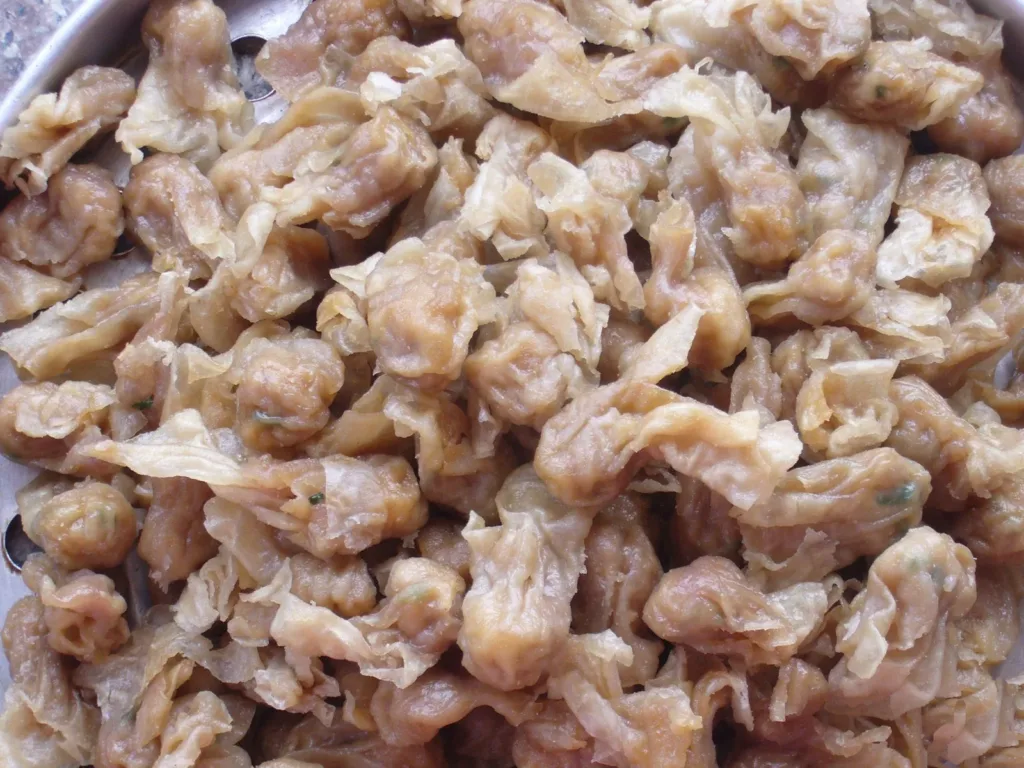
Rouyan dumpling soup 肉燕
Rouyan (肉燕), often rendered as “meat swallow,” is a Fuzhou-style dumpling soup whose wrapper is made by pounding lean pork with sweet-potato starch, rather than using an ordinary wheat wrapper. Its thin, resilient skin, savory filling, and hot broth make it a useful dish for tasting how Fuzhou treats texture and soup.
Read dish guide →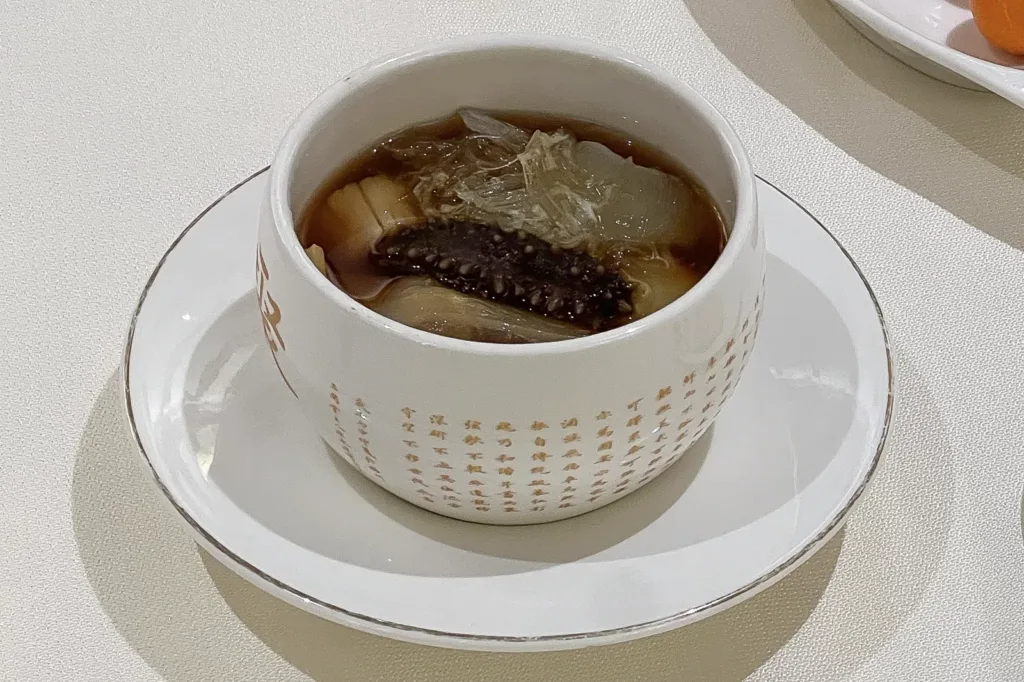
Fotiaoqiang 佛跳墙
Fotiaoqiang, or Buddha Jumps Over the Wall, is a Fuzhou banquet dish built around many separately prepared land and sea ingredients, layered in a wine jar and slowly braised. It is worth trying as a lesson in Min cuisine, but each serving can differ in ingredients, portion and preparation.
Read dish guide →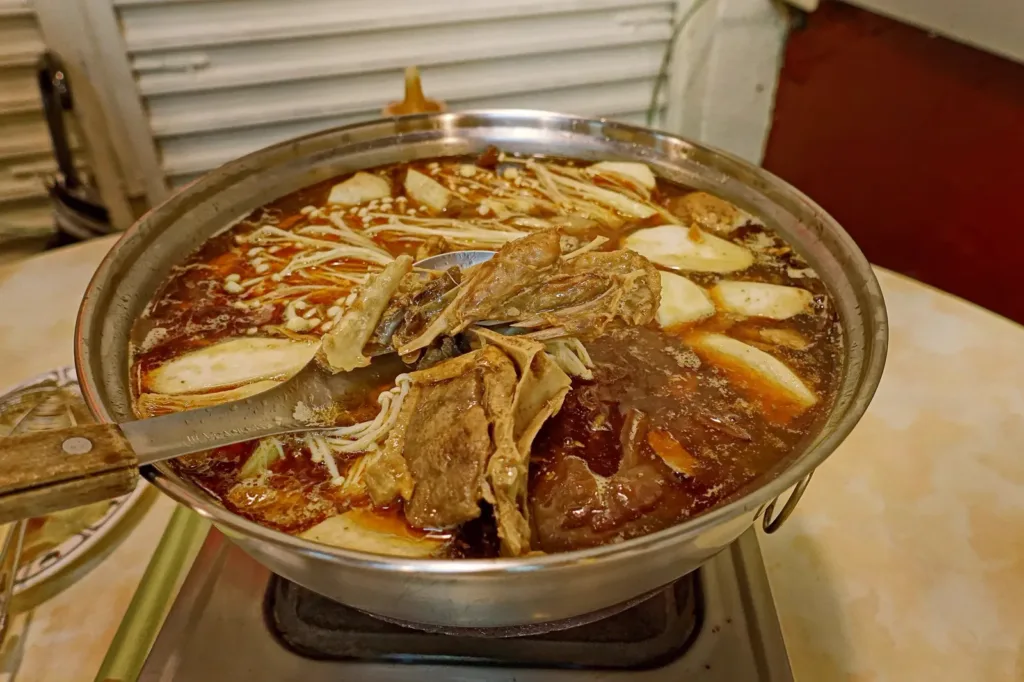
Ginger duck 姜母鸭
A Minnan duck pot where mature ginger is braised with duck until its aroma permeates the meat and the cooking juices reduce to a savory coating.
Read dish guide →
Tong'an wrapped braised pork 同安封肉
A substantial, square-cut pork joint wrapped and slowly cooked until tender, Tong'an fengrou is a Minnan banquet dish whose “sealed” reveal at the table gives it its name.
AI illustration · AI 示意图
Read dish guide →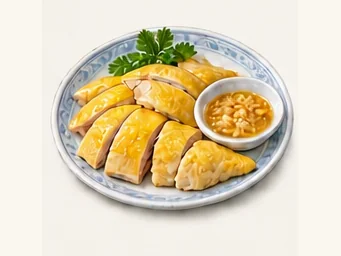
Poached Hetian chicken 白斩河田鸡
The skin is supple and the flesh has a firmer, more substantial chew than heavily braised poultry. Aromatic dips provide extra salt and sharpness.
AI illustration · AI 示意图
Read dish guide →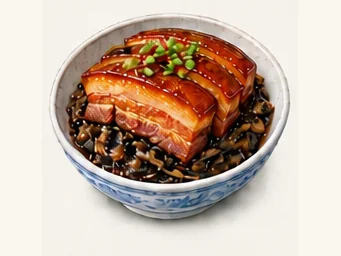
Pork with dried bamboo shoots 笋干扣肉
Rich, yielding pork contrasts with the firmer, fibrous bite of bamboo. The dried shoots add an earthy depth beyond fresh bamboo's cleaner flavor.
AI illustration · AI 示意图
Read dish guide →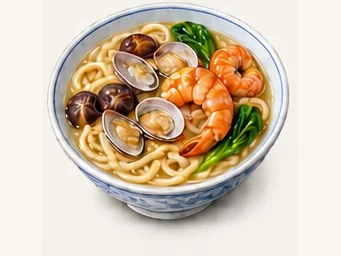
Putian braised noodles 莆田卤面
The bowl is moist and deeply savory, with soft but resilient noodles and small contrasting pieces throughout.
AI illustration · AI 示意图
Read dish guide →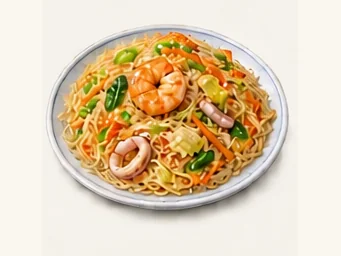
Stir-fried Xinghua vermicelli 炒兴化粉
The noodles are delicate but absorbent, carrying flavor throughout rather than relying on a large sauce pool.
AI illustration · AI 示意图
Read dish guide →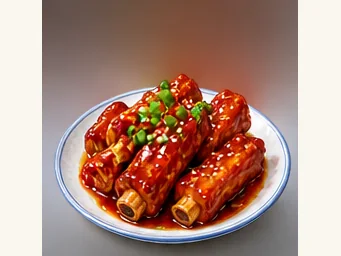
Fuzhou sweet-sour pork ribs 醉排骨
Zuipaigu (醉排骨) is a Fuzhou pork-rib dish in which fried ribs and water chestnut are quickly turned through a tangy-sweet sauce, giving the dish a crisp surface, garlic-led aroma and a distinctly local “醉汁” finish.
AI illustration · AI 示意图
Read dish guide →
Sea clams in chicken broth 鸡汤汆海蚌
A Fuzhou dish built around Zhanggang sea clams: briefly blanched slices are finished with a clear, carefully clarified chicken broth, so the bowl combines gentle sweetness, a springy bite and a clean savoury finish.
Read dish guide →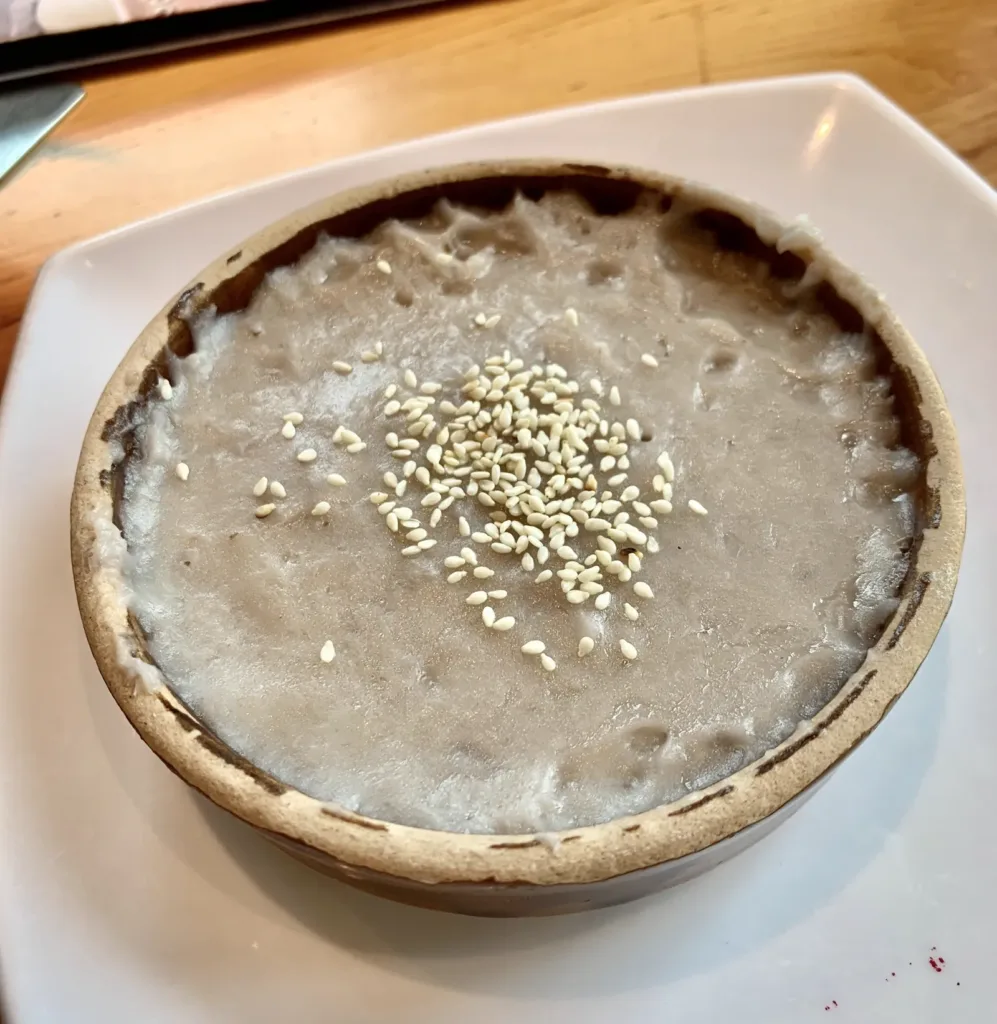
Fuzhou sweet taro paste 芋泥
Fuzhou’s 芋泥 (yuni) is a warm, smooth taro dessert associated with the end of a Fujian-style banquet. Look for a sweet paste made from cooked taro, sugar and often lard, and ask about the fat and toppings before ordering.
Read dish guide →
Dingbian rice-flake soup 鼎边糊
A characteristic Fuzhou breakfast of thin rice-batter sheets cooked around a hot wok edge and scraped into a clear, savory soup; ingredients vary, so ask what is in the broth before ordering.
Read dish guide →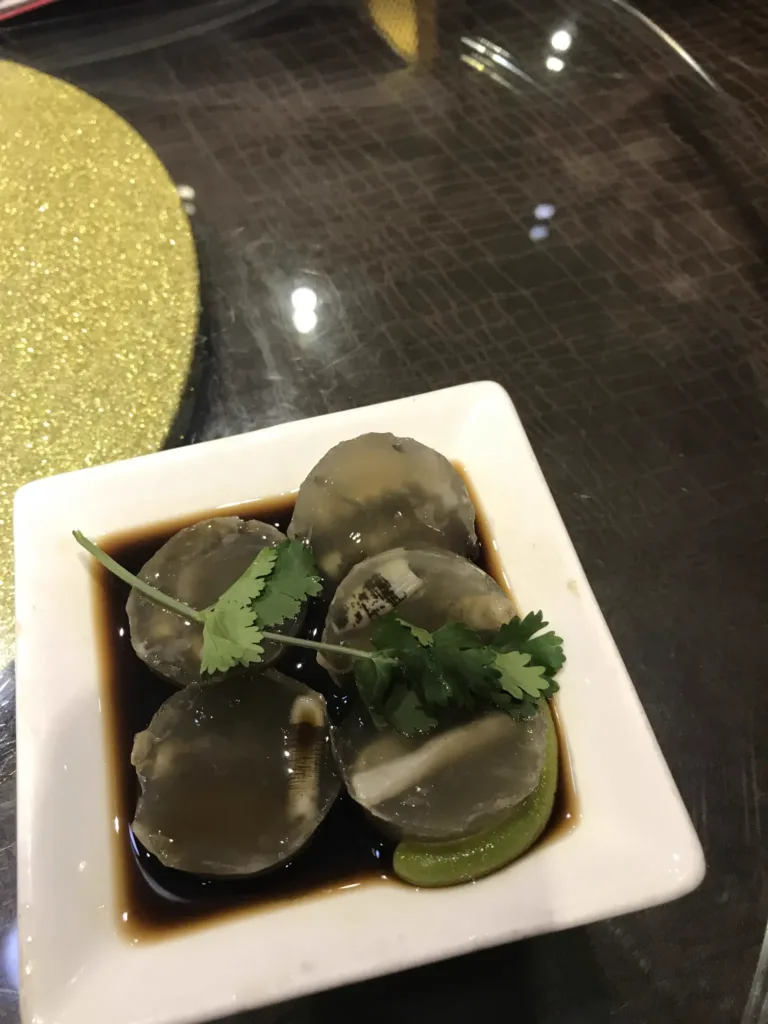
Minnan sea-worm jelly 土笋冻
A chilled Minnan coastal snack made by simmering cleaned marine worms until their natural gelatin sets the cooking liquid. The translucent jelly holds tender, springy pieces of worm; vinegar, garlic, soy, mustard or chili sauces add the sharper notes, with combinations varying by maker.
Read dish guide →
Changting dried tofu 长汀豆腐干
The texture is close and chewy, with a pronounced bean aroma and savory seasoning. It offers a stronger bite than soft bean curd.
AI illustration · AI 示意图
Read dish guide →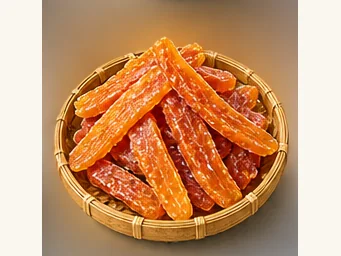
Liancheng dried sweet potato 连城地瓜干
The pieces are sweet and chewy, sometimes with a firmer outer surface and softer center. They are closer to dried fruit in eating style than a crisp potato chip.
AI illustration · AI 示意图
Read dish guide →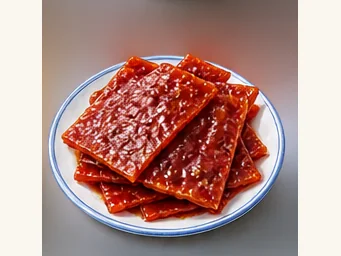
Mingxi dried pork jerky 明溪肉脯干
The texture is firm and fibrous, with a savory-sweet meat flavor that grows as it is chewed. Thinner pieces are easier to tear.
AI illustration · AI 示意图
Read dish guide →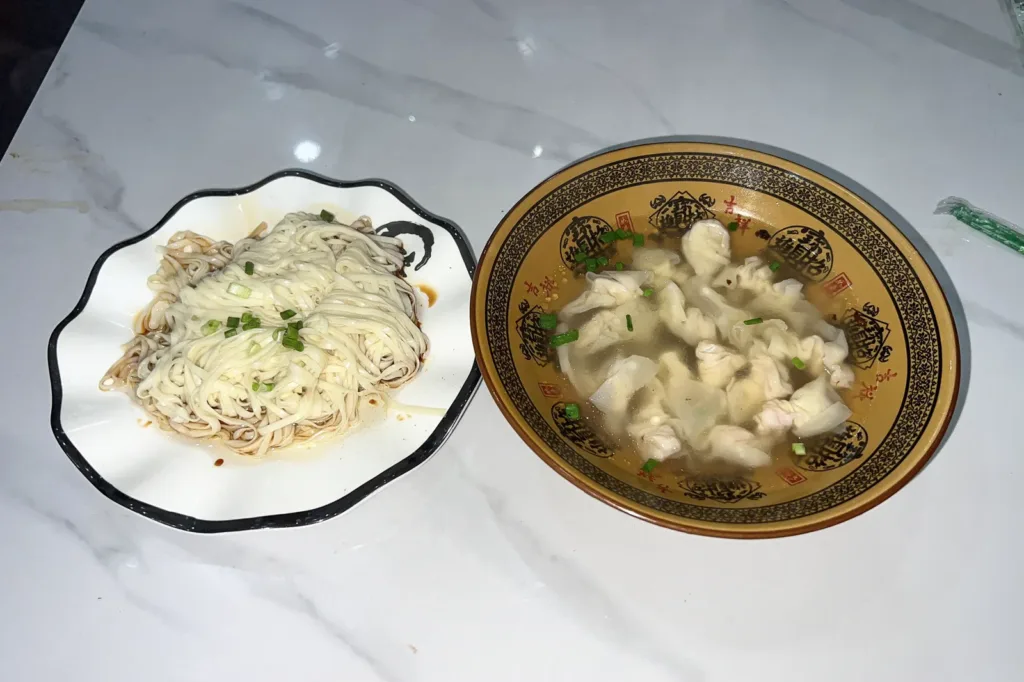
Fuzhou peanut-sauce noodles 福州拌面
Fuzhou ban mian (福州拌面) is a dry, mixed-noodle dish associated with Fuzhou and the Shanggan area of Minhou: chewy alkaline wheat noodles are tossed with a nutty sauce and commonly eaten with a separate clear soup.
Read dish guide →
Fuzhou thin-wrapped wontons 福州扁肉
Fuzhou bianrou is a small soup wonton with a flour wrapper, a savoury minced-pork filling and a light broth. Its appeal is the thin, slippery wrapper and springy centre; do not confuse it with rouyan, whose wrapper is made from pounded pork and sweet-potato starch.
Read dish guide →
Fuzhou sweet peanut soup 花生汤
A Fujian coastal sweet soup of peanuts slowly softened in a lightly sweet broth; Xiamen is one of its best-known local settings, and some shops offer an egg version.
AI illustration · AI 示意图
Read dish guide →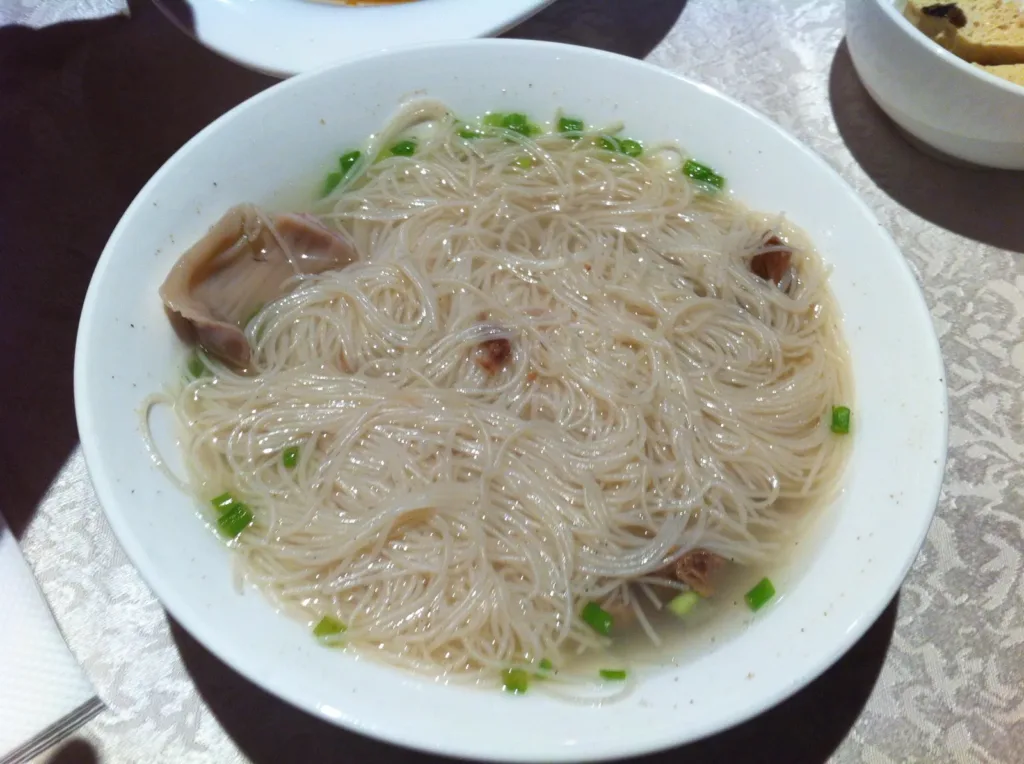
Fuzhou fine-vermicelli soup 捞化
Laohua (捞化), also called 捞兴化粉, is Fuzhou’s quick-blanched Xinghua rice-vermicelli bowl. Fine strands are lifted through boiling water, then served with broth and a choice of meat, seafood, offal, or vegetables. Its identity lies in the flexible assembly rather than a single fixed recipe: soft, absorbent noodles meet either a clear broth or a darker pig-blood broth and toppings chosen to order.
Read dish guide →Fujian · Food stories

Food articles are in progress
Long-form food stories for this topic are being written. Until then, browse the dish guides above or see all Chinese food guides.