

Get to know Raoyang County
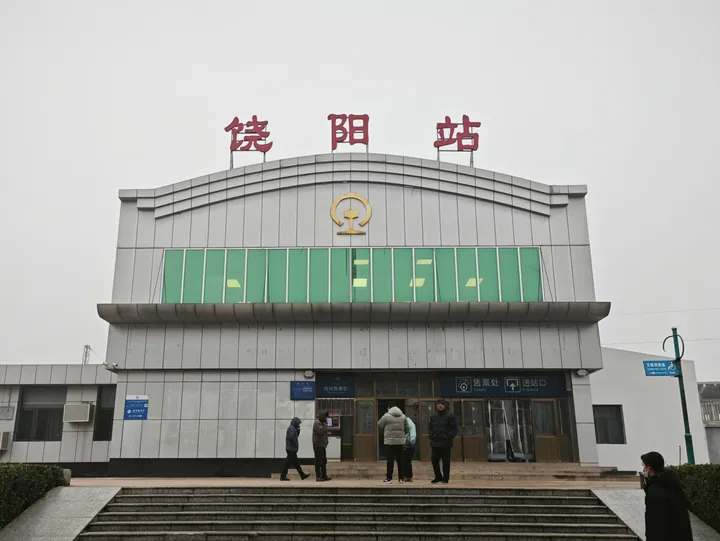
Photo adjustments
Full frame retained; proportionally resized and converted to WebP. No retouching or changes to the photographed subject. Card displays may crop the view.
- Administrative area
- County · 县
- Part of
- Hengshui
- Chinese name
- 饶阳县
- Local areas
- County guide
Area & population
- Area in the source
- 573.00 km²
- Population · 2004
- 290,000
- Administrative seat
- Raoyang Town (饶阳镇)
Source: cited geographic source, as of the dates shown.
History
The Hengshui city government lists Rao (饶) among the main fiefs of the area in remote antiquity. Under the Western Han, Raoyang County belonged to the state of Hejian (河间国), and from 158 it was part of Boling commandery (博陵郡), newly set up at Anping (安平). The same account has the Sui creating Shenzhou (深州) at Raoyang in 596, and under the Tang the refounded Shenzhou was later moved here again. Raoyang joined Hengshui prefecture when it was re-established in June 1962.
The county is tied to the study of the Classic of Poetry (诗经). Shiqin village (师钦村) in Liuchu (留楚) takes its name from the Western Han scholar Mao Chang (毛苌), who taught the classic there, and the Northern Wei classicist Liu Xianzhi (刘献之), known as a master of Confucian learning, came from Liuwu village (留吾村).
Crafts and local products
Raoyang copper carving (饶阳刻铜) joined the national intangible heritage list in 2021. Carvers use the knife as a brush and the copper surface as paper, cutting calligraphy and paintings in intaglio, relief and double-outline line work onto ink boxes, paperweights, table screens, water pots and incense burners. The skill passes mainly from master to apprentice, and the Raoyang Cultural Centre (饶阳县文化馆) is its designated guardian.
Making Chinese folk instruments is a signature local industry, according to the county head. During the third Hengshui tourism industry conference in October 2019, 2,033 erhu players performed together at Raoyang No. 2 Middle School and set a new Guinness record for the largest erhu ensemble.
What to see
The Raoyi Cultural and Creative Industry Park (饶邑文化创意产业园) groups a memorial hall for the newspaper Jizhong Daobao (冀中导报), the Ge Cunzhuang Old Film Museum (葛存壮老电影博物馆), the Raoyang Grand Theatre (饶阳大剧院) and a street themed on the cartoon Jingju Cat (京剧猫).
Getting oriented
Shijiazhuang (石家庄) lies 110 kilometres to the west, and Beijing and Tianjin are each 240 kilometres to the north. Raoyang station is on the Beijing–Kowloon railway (京九铁路), and national highway 240 crosses the county.
Highlights
- Raoyang copper carving 饶阳刻铜: National intangible heritage since 2021: calligraphy and painting cut into copper ink boxes, paperweights and table screens.
- Shiqin village 师钦村: Named after the Western Han scholar Mao Chang, who taught the Classic of Poetry there.
- Raoyi Cultural and Creative Industry Park 饶邑文化创意产业园: Includes the Jizhong Daobao memorial hall, the Ge Cunzhuang old film museum and the Raoyang Grand Theatre.
Sources for this guide
饶阳县 - 维基百科,自由的百科全书 · Chinese Wikipedia · CC BY-SA 4.0
刻铜(饶阳刻铜) - 中国非物质文化遗产网·中国非物质文化遗产数字博物馆 · China Intangible Cultural Heritage Network (Chinese National Academy of Arts)
衡水市人民政府 行政建制 · Hengshui Municipal People's Government
“文旅融合”为全域旅游画卷添彩 _ 河北省文化和旅游厅 · Hebei Provincial Department of Culture and Tourism (reprinting Hebei Daily)
国粹动漫《京剧猫》牵手饶阳 推动“文化+”--文旅·体育--人民网 · People's Daily Online (from Global Times)
Original English written from the listed sources and checked sentence by sentence against quoted extracts by a separate reviewer. Updated 2026-09-24.
Explore Raoyang County
Core places to explore, with English and Chinese names.
Raoyang County 饶阳县
Plan your visit
Getting there
Raoyang County is about 55 km in a straight line from central Hengshui. Search for 饶阳县 in a map app to find stations and your accommodation.
Where to stay →More in Hengshui
Sources & geographic information
Administrative names and parent areas: Official geographic directory · Reference date 2026-09-06.
Some facts checked against 饶阳县 — Wikipedia contributors, CC BY-SA 4.0.
Map data © OpenStreetMap contributors. Pins mark approximate centres, not entrances or boundaries.