


Get to know Linxi County
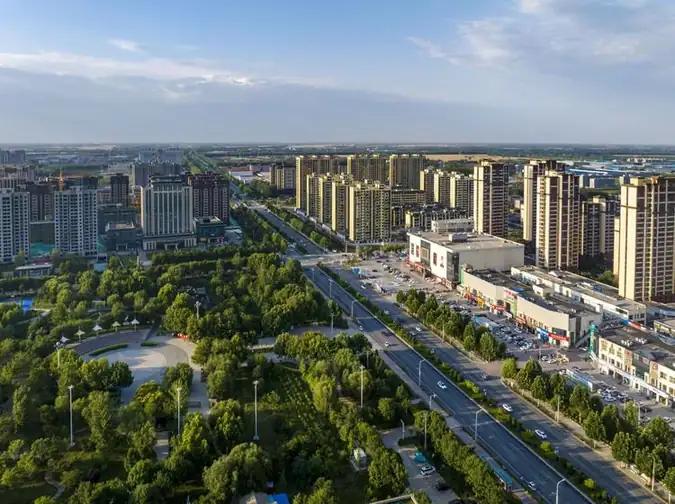
Photo adjustments
EXIF orientation normalized; resized without changing aspect ratio; converted to WebP. No subject edits.
- Administrative area
- County · 县
- Part of
- Xingtai
- Chinese name
- 临西县
- Local areas
- County guide
Area & population
- Area in the source
- 542.00 km²
- Administrative seat
- Linxi Town (临西镇)
Source: cited geographic source, as of the dates shown.
History
The Western Han set up Qingyuan County (清渊县) here in 195 BC, and the Northern Wei renamed it Linqing. From the Jin and Yuan the county seat moved east across the water to present-day Linqing, leaving this area as its western part. The county government dates Linxi County itself to March 1965. The Tantui (潭腿) school of martial arts, known as Linqing Tantui, started here, and the model worker Lü Yulan (吕玉兰) came from Linxi.
What to see
The Yuan-dynasty canal through Linxi is part of a World Heritage site, and the Linqing old city site (临清古城遗址) is a national protected site. The Balijuan Mosque (八里圈清真寺) and the Chenyao site (陈窑遗址) are on the provincial list. The Linxi History and Culture Exhibition Hall (临西县历史文化展览馆) follows the county's story from the Neolithic to the present with more than 280 pictures and over 90 original objects.
Food and local products
Jianzhong hollow noodles (尖冢手工空心挂面) are made by hand and left to dry in the air rather than baked. The county government credits Wang Yuan (王垣) of Jianzhong with inventing them early in the Wanli reign, and describes them as hair-thin, white and hollow, cooking at once and keeping their shape through long boiling. Linxi's handmade dried-noodle craft is on the Hebei intangible heritage list, alongside Tantui and luantan opera.
Linxi stinky tofu (临西县臭豆腐) comes from Xishuibo village (西水波村) in Laoguanzhai town (老官寨镇), where the Shen family settled under the Kangxi emperor and an uncle who had learned the craft in Jiangsu opened a workshop. Soybeans with sugar and salt go through fourteen steps and a year of fermentation. Early in the Guangxu reign the Shens' Yuanxiangzhai (园香斋) pickle shop in Linqing sent it to the court as tribute.
Linxi luantan (临西乱弹) is a provincially listed opera that dates from the Ming Zhengde and Wanli reigns. Its eastern branch settled in Linqing, then a thriving commercial town; more than 100 traditional plays have been recorded, accompanied mainly by suona, sheng, yueqin and flute.
Getting oriented
The Beijing–Kowloon Railway (京九铁路) and the Xingtai–Linqing Expressway (邢临高速) cross the county, and the county seat is in Linxi town (临西镇).
Highlights
- Yuan-dynasty canal, Linxi section 元代运河临西段: The Yuan-dynasty canal through Linxi is part of a World Heritage site.
- Linqing old city site 临清古城遗址: National protected site.
- Jianzhong hollow noodles 尖冢手工空心挂面: Air-dried, hair-thin hollow noodles traced to the Wanli reign.
- Linxi stinky tofu 临西县臭豆腐: Fermented for a year in fourteen steps; sent to the Qing court as tribute.
- Linxi luantan 临西乱弹: Provincially listed opera dating from the Ming, with more than 100 traditional plays.
Sources for this guide
临西县人民政府 · Linxi County People's Government
临西县 - 维基百科,自由的百科全书 · Wikipedia (Chinese) · CC BY-SA 4.0
临西县人民政府 - 临西县历史文化展览馆 · Linxi County People's Government
临西县人民政府 - 尖冢手工空心挂面 · Linxi County People's Government
临西县人民政府 - 临西县臭豆腐 · Linxi County People's Government
临西县人民政府 - 临西乱弹 · Linxi County People's Government
Original English written from the listed sources and checked sentence by sentence against quoted extracts by a separate reviewer. Updated 2026-09-24.
Explore Linxi County
Core places to explore, with English and Chinese names.
Linxi County 临西县
Plan your visit
Getting there
Linxi County is about 90 km in a straight line from central Xingtai. Search for 临西县 in a map app to find stations and your accommodation.
Where to stay →More in Xingtai
Sources & geographic information
Administrative names and parent areas: Official geographic directory · Reference date 2026-09-06.
Some facts checked against 临西县 — Wikipedia contributors, CC BY-SA 4.0.
Map data © OpenStreetMap contributors. Pins mark approximate centres, not entrances or boundaries.