


Get to know Chaozhou
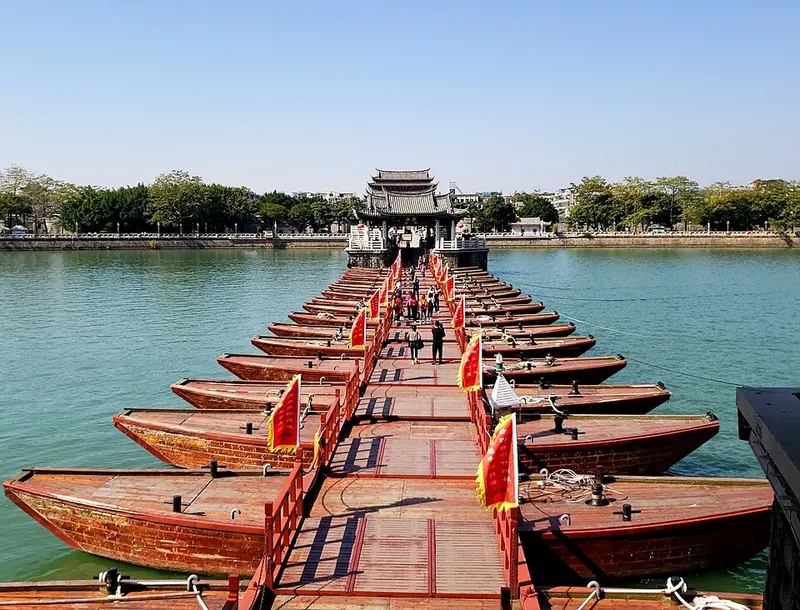
Photo adjustments
Full frame retained; proportionally resized and converted to WebP. No retouching or changes to the photographed subject. Card displays may crop the view.
- Administrative area
- Prefecture-level city · 地级市
- Part of
- Guangdong
- Chinese name
- 潮州市
- Local areas
- 3 local areas
Area & population
- Area in the source
- 3,145.93 km²
- Population · 2020 census
- 2,568,387
- Administrative seat
- Xiangqiao District
Source: cited geographic source, as of the dates shown.
Setting and landscape
Hills rise to the north and the sea lies to the south, and three hills, Jinshan (金山), Hulu Mountain (葫芦山) and Bijia Mountain (笔架山), screen the city. The climate is subtropical and monsoonal, and the prefecture has more hills than flat land.
History
The old city was the seat of Chaozhou prefecture and Haiyang County (海阳县); the prefecture once governed nine counties covering all of eastern Guangdong and parts of Fujian. Chaozhou has long been called “Zou and Lu by the sea” (海滨邹鲁), and it is a national historic and cultural city. The Tang writer Han Yu (韩愈) governed Chaozhou; a temple to him was founded in 999, and in 1189 the prefect Ding Yunyuan (丁允元) moved it to its present site on the east bank of the river.
What to see
The old city covers about 3 square kilometres, with more than 720 lanes and many Ming and Qing houses; its Paifang Street (牌坊街) is a national tourism and leisure street. Outside the east gate, Guangji Bridge (广济桥), begun in 1171, crosses the Han River with beam, arch and pontoon sections; the boats of the pontoon can be unfastened to open a channel, and pavilions on the bridge once served as shops. The Han Wengong Temple (韩文公祠), at the western foot of Bijia Mountain, keeps about forty inscribed steles from successive dynasties. Both are national key protected sites.
Food and local products
Chaozhou cuisine, whose cooking techniques joined the national intangible heritage list in 2021, draws on local produce and seafood and is known for plenty of seafood, vegetable and sweet dishes, each served with its own dipping sauce. The city describes the ideal as light but not bland, fresh but not fishy, rich but not greasy. Signature dishes include conch roasted over an open fire, sugar-frosted taro (反沙芋头) and Chaozhou beef balls (潮州牛肉丸). Gongfu tea (工夫茶), dating from the Ming, is brewed from semi-fermented oolong in a small clay pot and drunk from cups the size of half a ping-pong ball; Chaozhou’s tea art forms part of an item on UNESCO’s intangible heritage list.
Getting oriented
The prefecture comprises Xiangqiao (湘桥区) and Chao’an (潮安区) districts and Raoping County (饶平县). Chaoshan Station on the Xiamen–Shenzhen high-speed railway (厦深高铁) is a transport hub of eastern Guangdong, and Chaoshan Airport (潮汕机场) also serves the city.
Highlights
- Guangji Bridge 广济桥: Bridge begun in 1171 across the Han River, with a pontoon of boats that can be unfastened to let ships through.
- Han Wengong Temple 韩文公祠: Temple to the Tang writer Han Yu, founded in 999 and on its present site since 1189.
- Paifang Street 牌坊街: Old-city street named a national tourism and leisure street.
- Chaozhou gongfu tea 潮州工夫茶: Oolong brewed in a small clay pot and served in tiny cups; part of a UNESCO-listed tea item.
Sources for this guide
潮州简介 - 潮州市人民政府门户网站 · Chaozhou Municipal People's Government
潮州市文化旅游资源简介 - 潮州市人民政府门户网站 · Chaozhou Municipal People's Government
韩文公祠 - 潮州市人民政府门户网站 · Chaozhou Municipal People's Government
中国潮州菜之乡 - 潮州市人民政府门户网站 · Chaozhou Municipal People's Government
潮州工夫茶 - 潮州市人民政府门户网站 · Chaozhou Municipal People's Government
广济桥 - 潮州市人民政府门户网站 · Chaozhou Municipal People's Government
潮州菜烹饪技艺 - 中国非物质文化遗产网·中国非物质文化遗产数字博物馆 · China Intangible Cultural Heritage Network (ihchina.cn)
Original English written from the listed sources and checked sentence by sentence against quoted extracts by a separate reviewer. Updated 2026-09-30.
Explore Chaozhou
Core places to explore, with English and Chinese names.
Chaozhou 潮州
Guangji Bridge 广济桥
Kaiyuan Temple (Chaozhou) 开元寺
Chaozhou Museum 潮州市博物馆
Xu Imperial Son-in-law Mansion 许驸马府
Jiluehuang Temple 己略黄公祠
Chaozhou Ancient City 潮州古城
Han Yu Memorial Temple 韩文公祠
Longhu Ancient Village 龙湖古寨
Fenghuang Mountain Tea District 凤凰山茶区
Qinglan Rock Potholes 青岚冰臼
Raoping Tulou Visitor Sites 饶平土楼公开参观点
Xiangqiao District 湘桥区
Chao'an District 潮安区
Raoping County 饶平县
Places to explore around Chaozhou
The boat-supported section of Guangji Bridge in Chaozhou (潮州广济桥), photographed in December 2019. Photograph date recorded by the source: 2019-12-11.Chaozhou潮州
Chaozhou’s old city brings temple architecture and river engineering into a compact cultural visit. Kaiyuan Temple contains calligraphy and inscribed steles, while Guangji Bridge combines fixed sections with a central connection…
Read the place guide →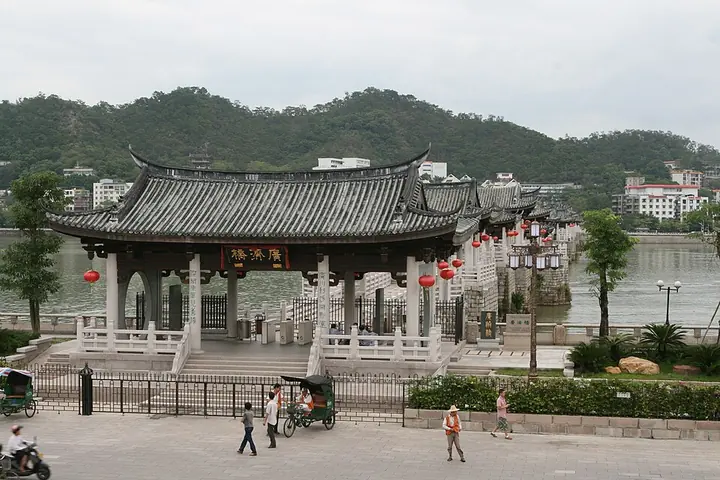 The entrance and covered spans of Guangji Bridge · 潮州广济桥 Photograph date recorded by the source: 27 September 2008.
Guangji Bridge广济桥
Guangji Bridge crosses the Han River at the eastern edge of Chaozhou’s old city. Its unusual design combines fixed bridge sections with a central floating connection formed from boats. Pavilions stand along the bridge, giving…
Read the place guide →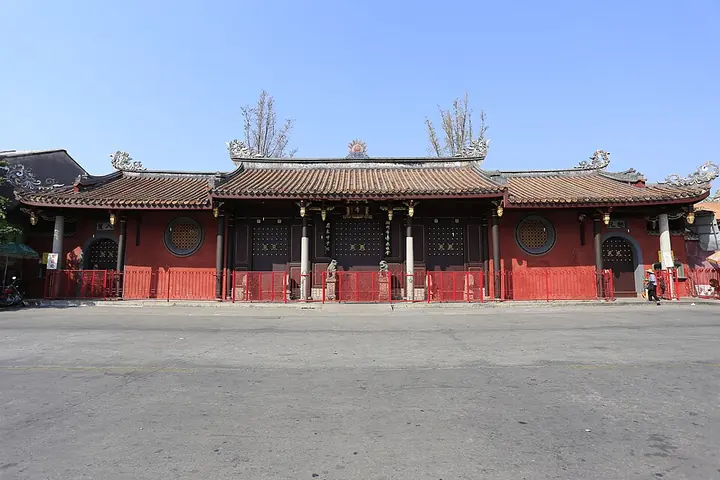 The gate of Kaiyuan Temple in Chaozhou · 潮州开元寺 Photograph date recorded by the source: 26 October 2013, 14:13:09.
Kaiyuan Temple (Chaozhou)开元寺
Kaiyuan Temple is a Buddhist temple within Chaozhou’s Xiangqiao district. It belongs to the tradition of temples named for the Tang Kaiyuan reign, with later generations adding and repairing structures through several dynasties…
Read the place guide →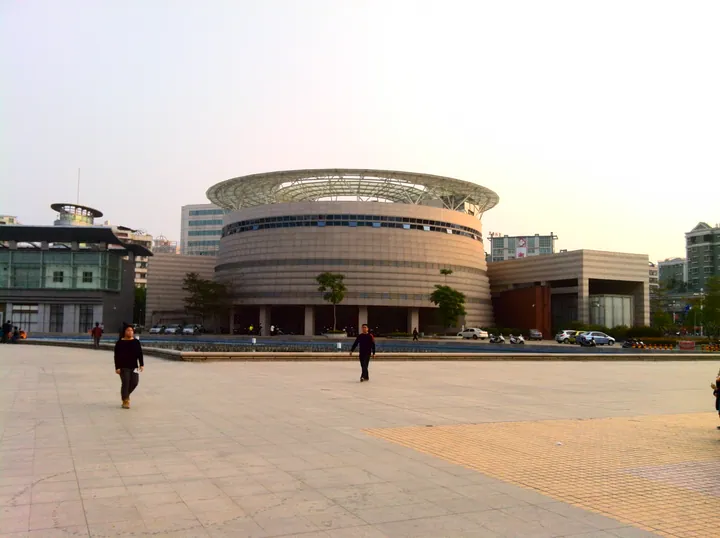 The drum-shaped Chaozhou Museum building on Renmin Square, Chaozhou · 潮州人民广场潮州博物馆鼓形建筑 Source-recorded photograph date: 2014年1月27日, 17:06:32.
Chaozhou Museum潮州市博物馆
Chaozhou Museum gives overseas migration a tangible, domestic scale. Its Chaozhou Overseas Chinese History exhibition uses miniature settings and multimedia alongside objects carried or collected by emigrant families. Old…
Read the place guide →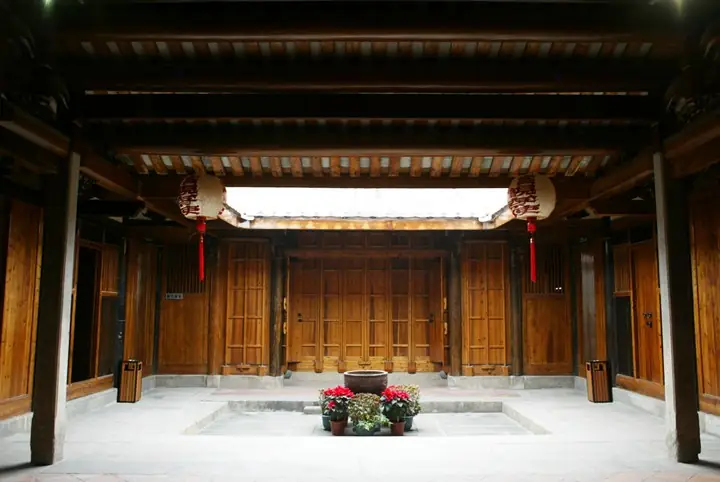 Timber courtyard inside Xu Imperial Son-in-law Mansion, Chaozhou · 潮州许驸马府木构庭院 Photograph date recorded by the source: 3 August 2012.
Xu Imperial Son-in-law Mansion许驸马府
The Xu Imperial Son-in-law Mansion preserves a historic residence pattern in Chaozhou’s old city. The building is associated with Xu Jue, an imperial son-in-law of the Song period, and its arrangement remains the main reason to…
Read the place guide →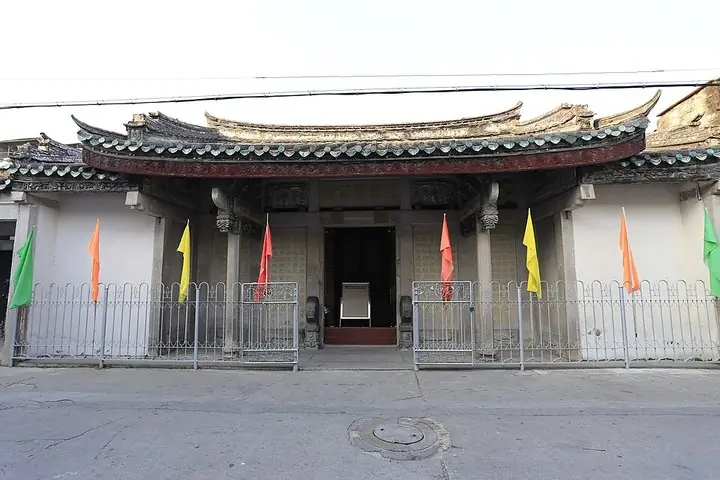 Entrance of Jilue Huang Ancestral Hall, Chaozhou · 潮州己略黄公祠入口 Photograph date recorded by the source: 26 October 2013, 16:14:20.
Jiluehuang Temple己略黄公祠
Jiluehuang Temple is a late-Qing ancestral hall in Chaozhou whose principal attraction is its architectural carving. The timber decoration is worked into the building rather than displayed as isolated gallery pieces. Stone…
Read the place guide →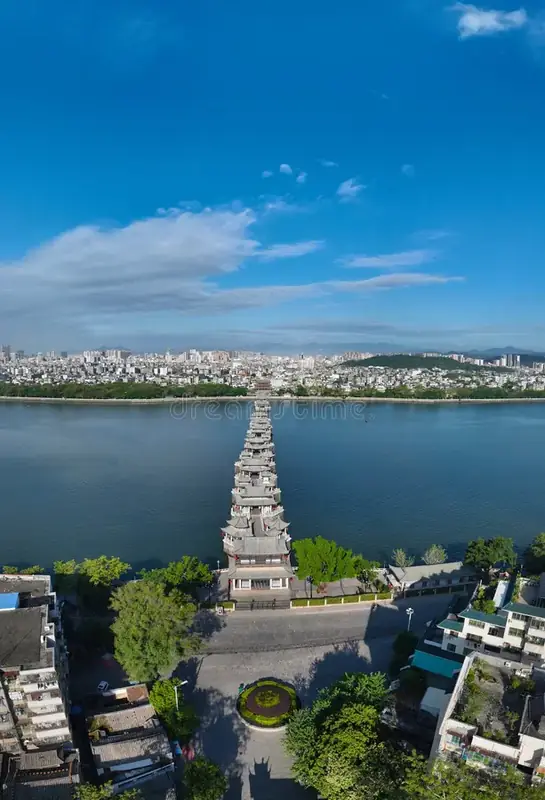 Chaozhou Ancient City · 潮州古城
Chaozhou Ancient City潮州古城
Chaozhou's old city is the historic core of Chaozhou in eastern Guangdong, within Xiangqiao District, the municipality's central-southern district. Its north-south axis is Taiping Road, an alignment kept since the Tang and Song, and its eastern side is closed by the Guangjimen gate tower with the Han River beyond.
Read the place guide →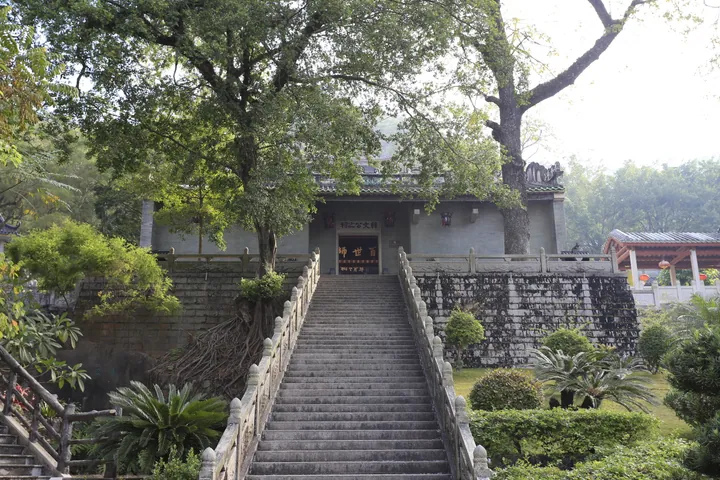 Stone stairway leading up to Han Yu Memorial Temple, Chaozhou · 潮州韩文公祠石阶 Source-recorded photograph date: 2013-10-27 09:04:35.
Han Yu Memorial Temple韩文公祠
Chaozhou's shrine to the Tang writer Han Yu, on this hillside since 1189, with a 56-step stair, old steles and an oak garden.
Read the place guide →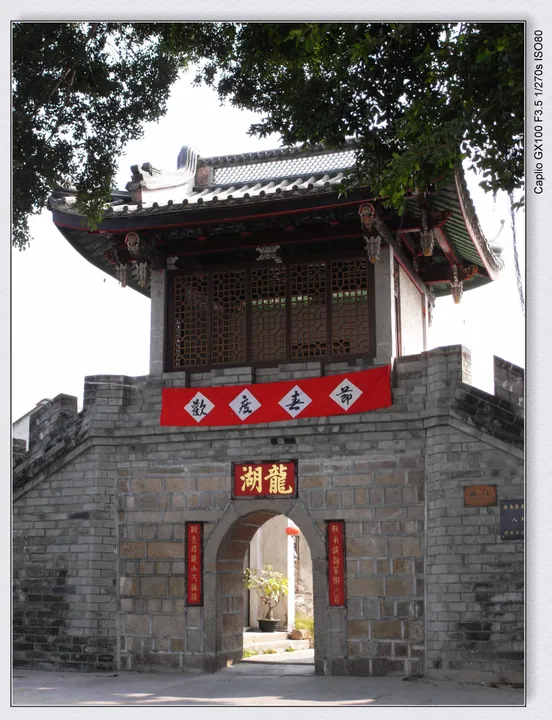 North gate of Longhu Ancient Stockade (Longhu Guzhai) in Chao'an District, Chaozhou · 潮州市潮安区龙湖古寨北门 Source-recorded photograph date: Taken on 6 February 2009.
Longhu Ancient Village龙湖古寨
Longhu Guzhai is a walled village in Longhu town, Chaoan District, Chaozhou, standing on the west bank of the middle and lower Han River about 16 kilometres from the Chaozhou urban area. It covers roughly 1.5 square kilometres and is still lived in, with close to ten thousand residents.
Read the place guide →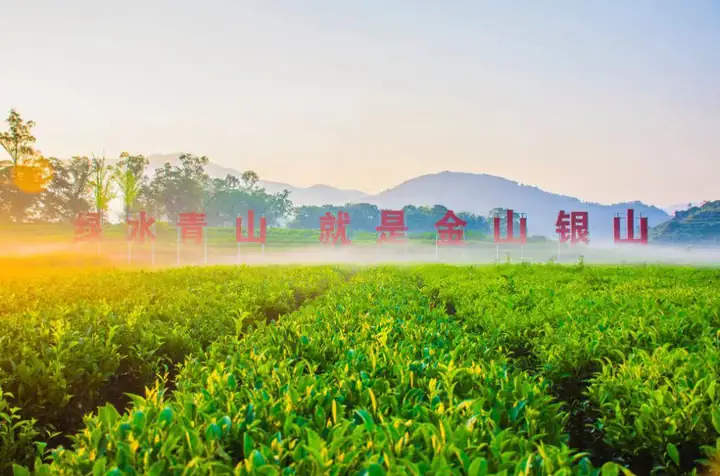 Fenghuang Mountain Tea District · 凤凰山茶区
Fenghuang Mountain Tea District凤凰山茶区
The Fenghuang Shan tea district is the upland tea country of Fenghuang town in Chaoan District, Chaozhou, where Fenghuang dancong oolong is grown. The Ministry of Agriculture lists it as the Guangdong Chaoan Fenghuang Dancong Tea Culture System, covering 230 square kilometres, in the second batch of China Nationally Important Agricultural Heritage Systems.
Read the place guide →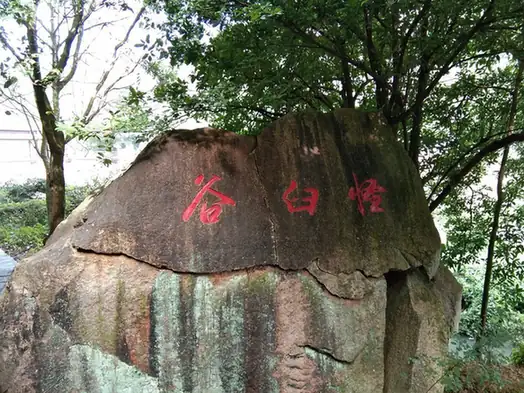 Qinglan Rock Potholes · 青岚冰臼
Qinglan Rock Potholes青岚冰臼
Qinglan is a valley in Raoping County, Chaozhou, along which rock hollows differing in size and shape are distributed. Its water-erosion landforms are one of the stated themes of Qinglan National Geopark, which is made up of the Qinglan-Xianglushan area and the Pingxi area in Zhangxi and Fubin towns.
Read the place guide →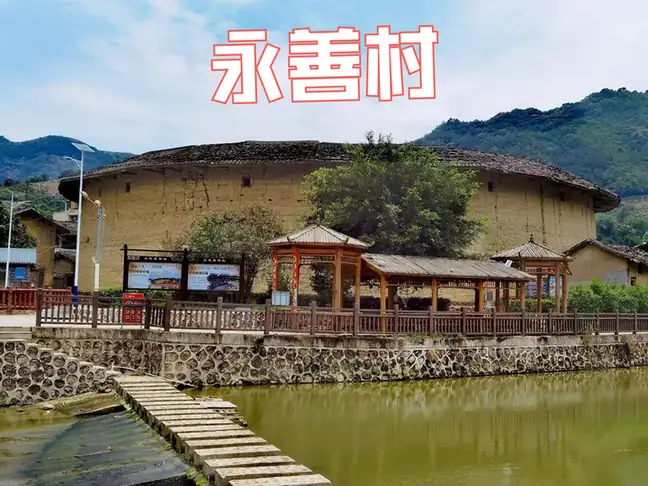 Raoping Tulou Visitor Sites · 饶平土楼公开参观点
Raoping Tulou Visitor Sites饶平土楼公开参观点
The catalogue heading covers Raoping County's earthen-walled communal buildings; the one the Raoping County government names and describes is Daoyun Lou, at Nanlian village in Sanrao town, in the northern hills of Chaozhou municipality. It is an octagonal rammed-earth building of the Ming, listed since 2006 as a national key cultural relic protection unit.
Read the place guide →Local life & food
Chaozhou local specialties
潮州市特色美食 · 17 specialties to discover
 Chaozhou beef balls 潮州牛肉丸AI illustration · AI 示意图
A good ball has a springy, dense bite and concentrated beef flavor, quite different from a loose Western-style meatball.
Source ↗Read the dish guide →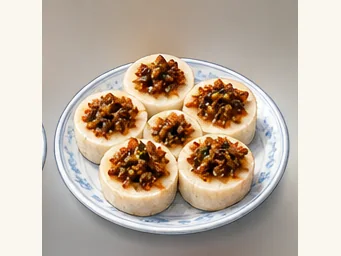 Chaozhou savory rice cups 咸水粿AI illustration · AI 示意图
The rice base is soft and mild, while the radish is salty, aromatic and slightly chewy or crisp. Optional chili changes the otherwise gentle snack.
Source ↗Read the dish guide → Gongfu tea 工夫茶
Small servings concentrate the tea's aroma, while successive brews reveal changes in strength, sweetness and astringency. The tea chosen matters as much as the equipment.
Source ↗Read the dish guide →

Photo adjustments
EXIF orientation applied where present; resized proportionally to at most 640 px on the long edge and encoded as WebP. No crop, retouching, recoloring or subject changes.
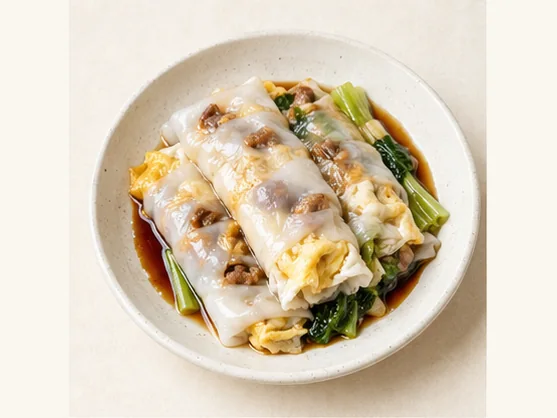 Chaoshan steamed rice rolls 潮汕肠粉AI dish illustration / AI 菜品示意图
The wrapper should feel soft and slippery rather than springy like a thick noodle. Sauce gives much of the flavour, with savoury meat, egg or seafood and little bursts of texture from the filling.
Source ↗Read the dish guide → Chaozhou Soy-Braised Goose 潮州卤鹅AI illustration · AI 示意图(仅供参考,非实拍)
Chaozhou Soy-Braised Goose (潮州卤鹅) is a whole goose cooked in a spiced soy-sauce master stock, a Teochew dish from Chaozhou (潮州), Guangdong.
Read the dish guide →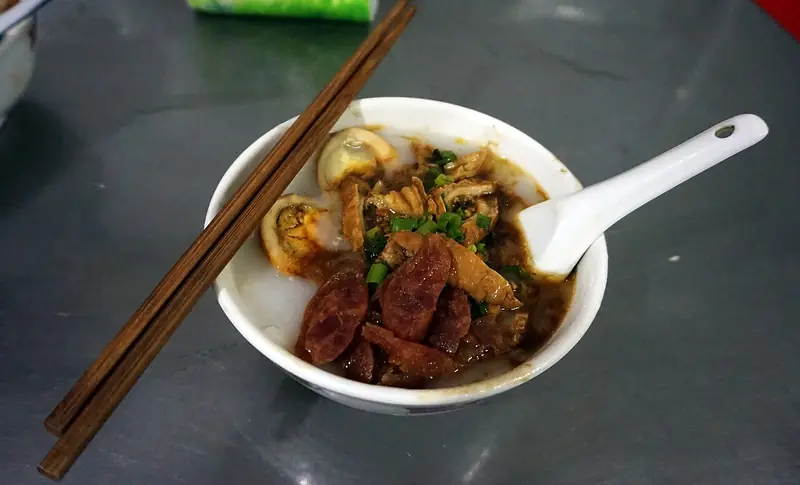 Rice Sheets in Rice Gravy 粿汁
Rice Sheets in Rice Gravy (粿汁) is a traditional dish of the Chaoshan (潮汕) region, sold in guozhi shops large and small in central Shantou (汕头).
Read the dish guide →
Photo adjustments
EXIF orientation normalized; resized without changing aspect ratio; converted to WebP. No subject edits.
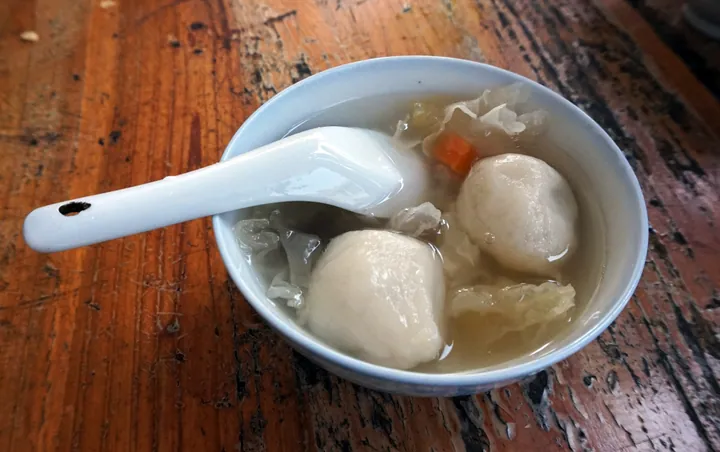 Yamunian Glutinous Rice Balls 鸭母捻
Yamunian Glutinous Rice Balls (鸭母捻) are filled glutinous rice dumplings cooked in sweet soup, a traditional snack of the Chaoshan (潮汕) region, with well-known dessert shops in Shantou (汕头), Chaozhou (潮州) and Jieyang (揭阳).
Read the dish guide →
Photo adjustments
Full frame retained; proportionally resized and converted to WebP. No retouching or changes to the photographed subject. Card displays may crop the view.
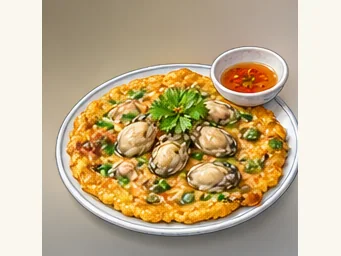 Chaoshan oyster omelet 蚝烙AI illustration · AI 示意图
The oysters stay tender and briny, while the starch creates both crisp fragments and a softer, elastic center.
Source ↗Read the dish guide →All dish names · 全部菜名 (17)
- Chaozhou beef balls · 潮州牛肉丸
- Chaozhou savory rice cups · 咸水粿
- Gongfu tea · 工夫茶
- Chaoshan steamed rice rolls · 潮汕肠粉
- Chaozhou Soy-Braised Goose · 潮州卤鹅
- Rice Sheets in Rice Gravy · 粿汁
- Yamunian Glutinous Rice Balls · 鸭母捻
- Chaoshan oyster omelet · 蚝烙
- Chaozhou Fried Spring Rolls · 潮州春饼
- Fermented Tofu Pastry · 腐乳饼
- Sugar-Frosted Taro · 反沙芋头
- Chaoshan Raw Marinated Seafood · 潮汕生腌
- Claypot Congee · 砂锅粥
- Cold Salt-Poached Fish · 鱼饭
- Liquorice-Marinated Fresh Fruit · 甘草水果
- Fenghuang Deep-Fried Tofu Puffs · 凤凰浮豆干
- Xikou Braised Goose · 溪口卤鹅
More dishes from across Guangdong are in the Guangdong food guide.
Counties & districts in Chaozhou
3 areas belong directly to Chaozhou.
3 areas
Xiangqiao District 湘桥区
Xiangqiao District (simplified Chinese: 湘桥区; traditional Chinese: 湘橋區; pinyin: Xiāngqiáo Qū) is a district and the urban area of Chaozhou City, Guangdong province.
Explore the area →DistrictChao'an District 潮安区
Chao'an is a district of Chaozhou City in eastern Guangdong Province in Southern China. It was Chao'an County until June 2013, when it became a district of Chaozhou.
Explore the area →CountyRaoping County 饶平县
Raoping County (postal: Jaoping; simplified Chinese: 饶平县; traditional Chinese: 饒平縣; pinyin: Ráopíng Xiàn) is a county in eastern Guangdong Province, bordering Fujian Province to the east, facing the South…
Explore the area →No areas match this name.
Plan your visit
Getting there
Search for 潮州市 in a map app to find stations and your accommodation.
Where to stay →Build your route
Chaozhou and Guangji Bridge are about 3 km apart in a straight line. The linked place guides have entrance and visit details.
Continue with Guangdong →More in Guangdong
Sources & geographic information
Administrative names and parent areas: Official geographic directory · Reference date 2026-09-06.
Photo: Chaozhou · Akira CA · CC BY-SA 4.0. Full frame retained; proportionally resized and converted to WebP. No retouching or changes to the photographed subject. Card displays may crop the view.

Photo: Guangji Bridge · 小杰杰 · CC BY 3.0. Full frame retained; proportionally resized and converted to WebP. No retouching or changes to the photographed subject. Card displays may crop the view.

Photo: Kaiyuan Temple (Chaozhou) · Zhangzhugang · CC BY-SA 4.0. Full frame retained; proportionally resized and converted to WebP. No retouching or changes to the photographed subject. Card displays may crop the view.

Photo: Chaozhou Museum · CzRadiofun · Public domain. Full frame retained; proportionally resized and converted to WebP. No retouching or changes to the photographed subject. Card displays may crop the view.

Photo: Xu Imperial Son-in-law Mansion · Haier7917 · Haier7917 — 许驸马府.JPG — CC BY-SA 3.0 · CC BY-SA 3.0. The exact downloaded source bytes are separately retained and hashed. Prepared JPEG is proportionally reduced to a maximum 720-pixel long edge; full frame retained, no subject alteration. Final website rendition: full frame retained, proportionally resized to at most 720 pixels and converted to WebP. No additional retouching or subject alteration. Card displays may crop the view.

Photo: Jiluehuang Temple · Zhangzhugang · Zhangzhugang — Chaozhou_Jiluehuanggong_Ci_2013.10.26_16-14-20.jpg — CC BY-SA 4.0 · CC BY-SA 4.0. The exact downloaded source bytes are separately retained and hashed. Prepared JPEG is proportionally reduced to a maximum 720-pixel long edge; full frame retained, no subject alteration. Final website rendition: full frame retained, proportionally resized to at most 720 pixels and converted to WebP. No additional retouching or subject alteration. Card displays may crop the view.

Photo: Chaozhou Ancient City · Source photographer · License not provided. EXIF orientation normalized; resized without changing aspect ratio; converted to WebP. No subject edits.
Photo: Han Yu Memorial Temple · Zhangzhugang · CC BY-SA 3.0. Full frame retained; proportionally resized and converted to WebP. No retouching or changes to the photographed subject. Card displays may crop the view.

Photo: Longhu Ancient Village · gdczjkk · CC BY 3.0. Full frame retained; proportionally resized and converted to WebP. No retouching or changes to the photographed subject. Card displays may crop the view.

Photo: Fenghuang Mountain Tea District · Source photographer · License not provided. EXIF orientation normalized; resized without changing aspect ratio; converted to WebP. No subject edits.
Photo: Qinglan Rock Potholes · Source photographer · License not provided. EXIF orientation normalized; resized without changing aspect ratio; converted to WebP. No subject edits.
Photo: Raoping Tulou Visitor Sites · Source photographer · License not provided. EXIF orientation normalized; resized without changing aspect ratio; converted to WebP. No subject edits.
Map data © OpenStreetMap contributors. Pins mark approximate centres, not entrances or boundaries.