

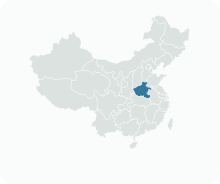
Get to know Xun County
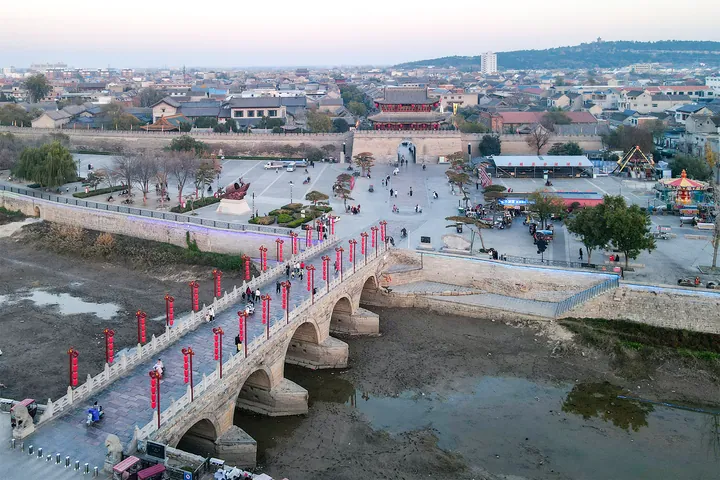
Photo adjustments
Full frame retained; proportionally resized and converted to WebP. No retouching or changes to the photographed subject. Card displays may crop the view.
- Administrative area
- County · 县
- Part of
- Hebi
- Chinese name
- 浚县
- Local areas
- County guide
Area & population
- Area in the source
- 1,088.00 km²
- Population · 2019
- 680,700
Source: cited geographic source, as of the dates shown.
Setting and landscape
Plain makes up 82 per cent of the county and hills the rest; the highest point is 231.8 metres. The county government sums up the land as six hills, three rivers and 32 slopes, with the Huolong Ridge (火龙岗) in the west and a great sandy hollow in the east. The Wei River crosses the whole county and the Qi River (淇河) flows south along its western boundary.
History
The area was called Li (黎) under the Shang. Liyang County (黎阳县) was set up in the early Western Han, its seat northeast of Dapi Hill (大伾山). The Liyang old city site, now a national key protected site (2019), was a town from the Western Han to the Northern Song until Yellow River floods destroyed it between 1023 and 1028. Liyang Granary (黎阳仓), built in 583 under the Sui, went out of use after the Yellow River shifted course in 1194. In 1115 the Song raised the area to Xunzhou, with its seat on top of Fuqiu Hill (浮丘山); in 1369 it became Xun County and the seat moved to the flat ground northeast of the hill.
What to see
The Xun section of the Grand Canal and the Liyang Granary site are World Heritage. The street plan of the old town (浚县古城) survives, and its city wall, begun in 1369, still runs 768 metres along the Wei River with two arched gates, Guanlan (观澜门) and Yunshu (允淑门). At the town centre stands Wenzhi Pavilion (文治阁), a Qing tower about 20 metres high; wall and pavilion are a national key protected site. Dapi and Fuqiu hills are covered with temples, and the county government lists the Northern Wei giant stone Buddha as the earliest in China and the largest in the north. According to the Hebi city government, Wang Yangming (王阳明) wrote poems and lectured on Dapi Hill.
National intangible heritage here includes the clay craft nigugu (泥咕咕), shehuo (社火) folk performances, Xilu Dapingdiao opera (西路大平调) and the first-month temple fair, which the Hebi city government dates back over 1,700 years.
Food and local products
Wangqiao village (王桥村) is known as the home of tofu, with a traceable history of 300 years; its tofu is made mostly by hand in seven steps, from bean selection to pressing, and the skin lifted from the pot is eaten cold or rolled round minced meat and fried. Shantang (善堂) peanuts, Xiaohe (小河) Chinese cabbage and Xinzhen (新镇) chives are listed as national noted farm products.
Highlights
- Xun County Old Town 浚县古城: Walls begun in 1369 run 768 metres along the Wei River; Wenzhi Pavilion stands at the centre.
- Dapi Hill 大伾山: Temple hill with a Northern Wei giant stone Buddha; Wang Yangming lectured here.
- Liyang Granary site 黎阳仓遗址: Sui granary built in 583, now World Heritage as part of the Grand Canal.
- Nigugu clay whistles 泥咕咕: Clay craft on the national intangible heritage list.
- Wangqiao tofu 王桥豆腐: Made mostly by hand in seven steps in Wangqiao village, with a traceable history of 300 years.
Sources for this guide
浚县概况 · Xun County People's Government
地理环境 · Xun County People's Government
历史沿革 · Xun County People's Government
全国重点文物保护单位——浚县古城墙及文治阁 · Hebi Municipal People's Government
黎阳仓遗址 · Hebi Municipal People's Government (from the Xun County government)
“王桥”豆腐、豆腐皮 · Hebi Municipal People's Government
全国重点文物保护单位——黎阳故城遗址 · Hebi Municipal People's Government (from the Xun County tourism development centre)
鹤壁概况 · Hebi Municipal People's Government
Original English written from the listed sources and checked sentence by sentence against quoted extracts by a separate reviewer. Updated 2026-09-24.
Explore Xun County
Core places to explore, with English and Chinese names.
Places to explore around Xun County
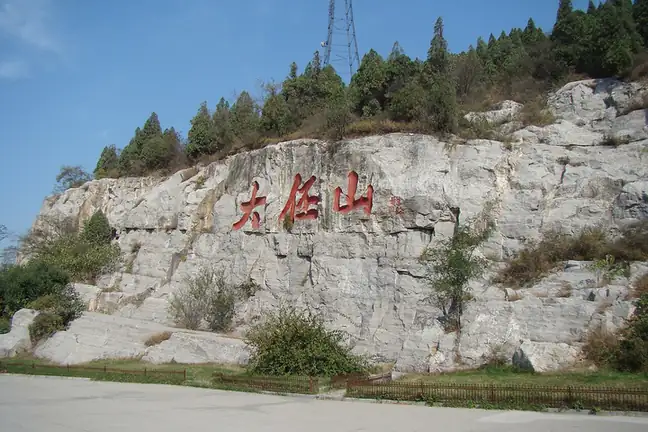 Dapi Mountain · 大伾山
Dapi Mountain大伾山
Dapishan is a hill in Xun County, in Hebi, Henan, known for the cliff-carved Buddha and the body of stone carvings cut into its rock.
Read the place guide → Xunxian Ancient City (浚县古城), Xun County. Photograph: "20241201 Yunxi Bridge and West City Gate of Xun County 01".
Xunxian Ancient City浚县古城
The Xunxian old town is the surviving historic quarter of Xun County in Hebi, Henan, administered as the Liyang City cultural tourism district; the county was anciently called Liyang and is a national famous historic and cultural city.
Read the place guide →Plan your visit
Getting there
Xun County is about 25 km in a straight line from central Hebi. Search for 浚县 in a map app to find stations and your accommodation.
Where to stay →Build your route
Dapi Mountain and Xunxian Ancient City are both listed here. The linked place guides have entrance and visit details.
Continue with Hebi →More in Hebi
Sources & geographic information
Administrative names and parent areas: Official geographic directory · Reference date 2026-09-06.
Photo: Dapi Mountain · 山海风 · CC BY-SA 3.0. EXIF orientation normalized; resized without changing aspect ratio; converted to WebP. No subject edits.

Photo: Xunxian Ancient City · Windmemories · CC BY-SA 4.0. Full frame retained; EXIF orientation normalized, proportionally resized to at most 800 pixels and converted to WebP. No generated pixels or subject changes. Cards may crop the display.

Map data © OpenStreetMap contributors. Pins mark approximate centres, not entrances or boundaries.