

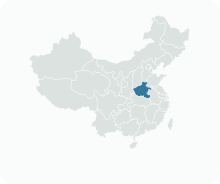
Get to know Dengzhou
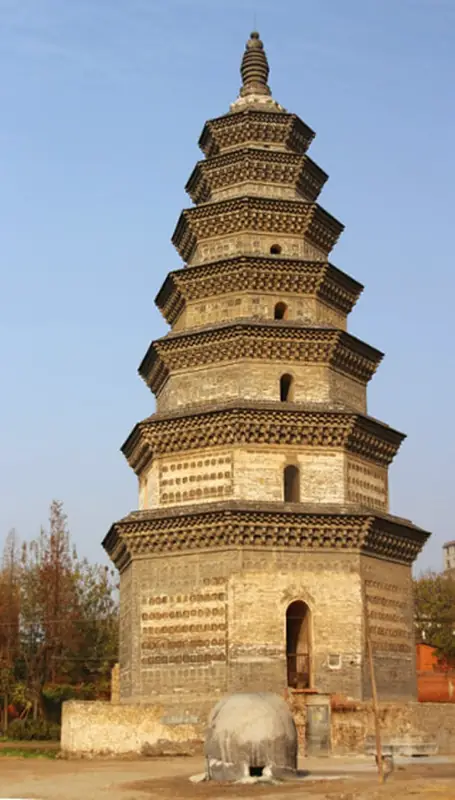
Photo adjustments
EXIF orientation normalized; resized without changing aspect ratio; converted to WebP. No subject edits.
- Administrative area
- County-level city · 县级市
- Part of
- Nanyang
- Chinese name
- 邓州市
- Local areas
- County-level city guide
Area & population
- Area in the source
- 2,294.00 km²
- Population · 2019
- 1,366,000
Source: cited geographic source, as of the dates shown.
Setting and landscape
The city government sums up the land as few hills, many low ridges and wide plains. The ground falls from northwest to southeast; the highest point is Zhulian Mountain (朱连山) in the west, at 471.8 metres, and the lowest 85.4 metres. Twenty-nine rivers enter from the north and west and gather in the southeast to join the Bai River (白河) on its way to the Han. One of them, the Tuan (湍河), rises at Baotianman (宝天曼) in the Funiu Mountains. The Middle Route of the South–North Water Transfer allots 600 million cubic metres of Danjiang water a year to Dengzhou's farms.
History
The Baligang (八里岗) Yangshao-culture site goes back 6,400 years. The state of Deng (邓国) had its capital here until Chu conquered it in 678 BC and founded the town of Rang (穰邑). In 208 Cao Cao dug a grain canal south of Rang, today's Xiaocao River (小漕河), to carry grain for the Battle of Red Cliffs. The Northern Wei moved the seat of Jingzhou to Rang in 497. Fan Zhongyan took office in Dengzhou in 1045 and wrote the Yueyang Tower essay at the Huazhou Academy (花洲书院). Ceded to the Jin in 1141, Dengzhou was on the Jin front line, and border markets for trade with the Southern Song were set up there three times. According to the city government, rulers from the Northern Wei to the Jin considered moving their capital to Dengzhou six times. Deng County became Dengzhou city in 1988.
What to see
Dengzhou is a Henan provincial historic and cultural city. Its Ming-era inner and outer moats nest one inside the other like the character hui (回). Road works on Tuanjie Middle Road in October 2021 uncovered a Song–Jin commercial street, named one of Henan's ten major archaeological discoveries of 2023. The gold and silver coffins and Buddhist relics found at the Northern Song Fusheng Temple Pagoda (福胜寺塔) are national-grade relics. Other sites include the Wuli Mausoleum (吾离陵), ancestral tomb of the Deng clan; Huazhou Academy; the Shaanxi-Shanxi Guild Hall at Jitan (汲滩陕山会馆); the Xingshan (杏山) provincial geopark; and the Tuan River aqueduct (湍河渡槽) and Tuanhe National Wetland Park (湍河国家湿地公园).
Food and local products
The city government singles out wheat and tobacco among its crops, and the local tobacco leaf is known as Deng leaf (邓片). The city government also calls Dengzhou China's leading chilli-growing city and the largest lotus-root base north of the Yangtze.
Highlights
- Huazhou Academy 花洲书院: Where Fan Zhongyan wrote his essay on Yueyang Tower while governing Dengzhou from 1045.
- Song–Jin commercial street site 宋金商业街遗址: Found in 2021 under Tuanjie Middle Road; one of Henan's ten major archaeological discoveries of 2023.
- Fusheng Temple Pagoda 福胜寺塔: Northern Song pagoda whose gold and silver coffins and relics are national-grade finds.
- Wuli Mausoleum 吾离陵: Tomb of Marquis Wuli of the Spring and Autumn state of Deng, ancestral tomb of the Deng clan.
Sources for this guide
邓州概况 · Dengzhou Municipal People's Government
历史沿革 · Dengzhou Municipal People's Government
自然地理 · Dengzhou Municipal People's Government
Original English written from the listed sources and checked sentence by sentence against quoted extracts by a separate reviewer. Updated 2026-09-24.
Explore Dengzhou
Core places to explore, with English and Chinese names.
Plan your visit
Getting there
Dengzhou is about 60 km in a straight line from central Nanyang. Search for 邓州市 in a map app to find stations and your accommodation.
Where to stay →More in Nanyang
Sources & geographic information
Administrative names and parent areas: Official geographic directory · Reference date 2026-09-06.
Map data © OpenStreetMap contributors. Pins mark approximate centres, not entrances or boundaries.