

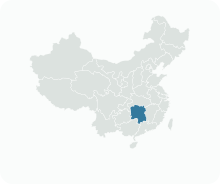
Get to know Yuanjiang
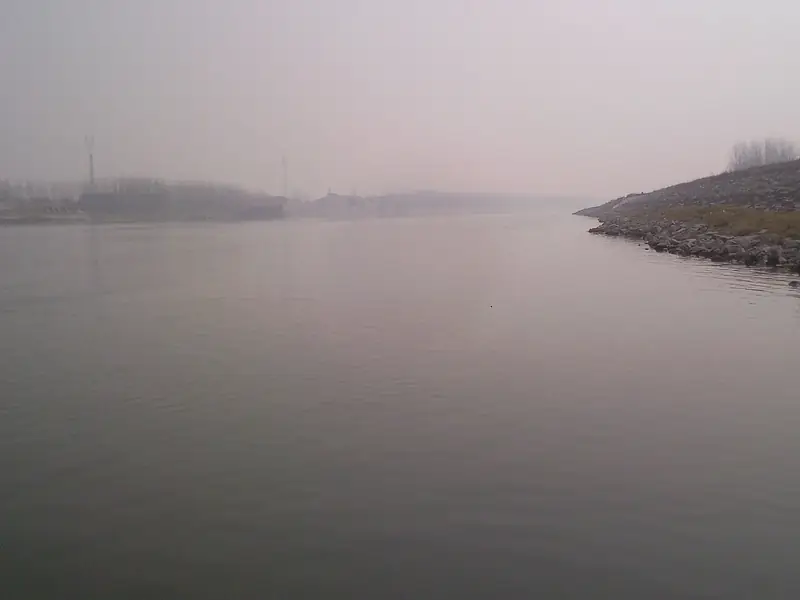
Photo adjustments
Full frame retained; EXIF orientation normalized, proportionally resized to at most 800 pixels and converted to WebP. No generated pixels or subject changes. Cards may crop the display.
- Administrative area
- County-level city · 县级市
- Part of
- Yiyang
- Chinese name
- 沅江市
- Local areas
- County-level city guide
Area & population
- Area in the source
- 1,797.00 km²
- Population · 2017
- 819,000
Source: cited geographic source, as of the dates shown.
Setting and landscape
Most of the land is plain built up by river silt and by reclamation from the lake, crossed by channels and dotted with lakes; in the city centre two rivers loop around the town and seven lakes sit within it. Northeast of the city rise the ochre-red Chishan (赤山) hills, described in a passage the city quotes as the right wing of Dongting, running for tens of li. The city is known as a home of reeds.
History
Chinese Wikipedia dates primitive villages around Luhu (漉湖) to more than 5,000 years ago. A county was first set up here under the Liang of the Southern Dynasties as Yaoshan (药山); it took the name Yuanjiang under the Sui and became a city in 1988. The city government lists Palaeolithic sites among its relics and links the area with the poet Qu Yuan (屈原).
What to see
The "eight ancient views of Chishan" recorded in the county gazetteer name spots across the hills. They include Lishan (蠡山), where legend says the Yue minister Fan Li (范蠡) retired; Guangong Shazui (关公沙嘴), a ridge where Guan Yu (关羽) is said to have stationed troops; a crescent-shaped bay called Mingyue Chengwan (明月澄湾); and the Jiuxi Dragon Pool (九溪龙潭), where nine streams gather below the Changpo slope.
Food and local products
Rice has been grown here for 5,300 years, according to the city government, and Yuanjiang rice is a national geographical-indication product. Local lake foods include whitebait from Xiaohezui (小河咀), softshell turtle from Huangmaozhou (黄茅洲) and crabs from Tianxin Lake (天心湖), and the city names whitebait in milky broth (奶汤银鱼) and steamed softshell turtle among the classic dishes of the Dongting Lake school of Hunan cooking. The lake islands give the four wild vegetables of Dongting: reed shoots, Artemisia, wild celery and liaomi (蓼米). Yuanjiang reed shoots (沅江芦笋) gained a national geographical indication in 2016 and are cooked with fish or pickled, while Artemisia goes into small cakes (藜蒿粑粑). The city is also known for citrus from Xinwan (新湾) and pomelos from Nanzui (南嘴).
Highlights
- Chishan eight ancient views 赤山古八景: Eight named spots in the Chishan hills recorded in the Jiaqing-era Yuanjiang county gazetteer.
- Yuanjiang reed shoots 沅江芦笋: Wild lake-island vegetable with a national geographical indication since 2016.
- Whitebait in milky broth 奶汤银鱼: Whitebait dish named by the city among the classics of the Dongting Lake school of Hunan cooking.
- Yuanjiang rice 沅江大米: National geographical-indication rice from a place where rice has been grown for 5,300 years.
Sources for this guide
沅江市 - 维基百科,自由的百科全书 · Chinese Wikipedia · CC BY-SA 4.0
洞庭名郡 水城沅江 · Yuanjiang Municipal People's Government
洞庭风物志 · 水城农产品 · Yuanjiang Municipal People's Government (Yuanjiang Release)
洞庭风物志 · 赤山古八景 · Yuanjiang Municipal People's Government (Yuanjiang Release)
Original English written from the listed sources and checked sentence by sentence against quoted extracts by a separate reviewer. Updated 2026-09-25.
Explore Yuanjiang
Core places to explore, with English and Chinese names.
Yuanjiang 沅江市
Plan your visit
Getting there
Yuanjiang is about 50 km in a straight line from central Yiyang. Search for 沅江市 in a map app to find stations and your accommodation.
Where to stay →More in Yiyang
Sources & geographic information
Administrative names and parent areas: Official geographic directory · Reference date 2026-09-06.
Some facts checked against 沅江市 — Wikipedia contributors, CC BY-SA 4.0.
Map data © OpenStreetMap contributors. Pins mark approximate centres, not entrances or boundaries.