

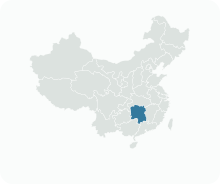
Get to know Ziyang District
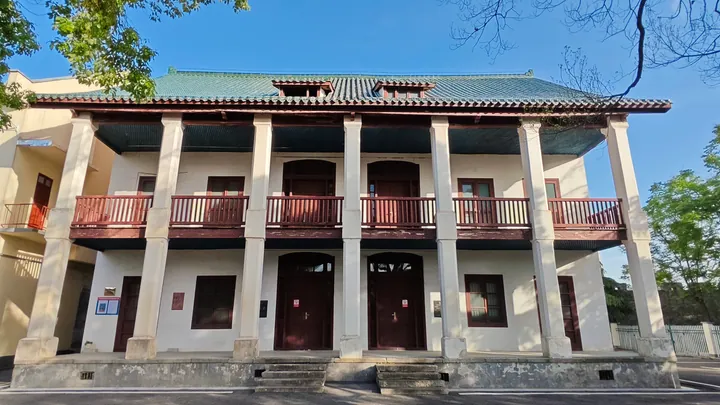
Photo adjustments
Full frame retained; proportionally resized and converted to WebP. No retouching or changes to the photographed subject. Card displays may crop the view.
- Administrative area
- District · 市辖区
- Part of
- Yiyang
- Chinese name
- 资阳区
- Local areas
- District guide
Area & population
- Area in the source
- 1,280.00 km²
Source: cited geographic source, as of the dates shown.
Setting and landscape
The district sits where the last spurs of the Xuefeng Mountains (雪峰山) and the central Hunan hills give way to the Dongting plain: low hills in the west, silt plain in the east. Its highest point, Yanggu Zhai (羊牯寨) in Xinqiaohe (新桥河), reaches only 226.2 metres. Wetlands cover about 132,500 mu, and Huangjia Lake (黄家湖), about 13,000 mu, is a national wetland park and national water conservancy scenic area.
History
The district government traces the town back to Yiyang County, founded under the Qin around 221 BC and named for lying on the sunny side of the Yi River. The old town was a Three Kingdoms battlefield, and the legend of Guan Yu (关羽) going to a parley armed only with his sword is set here. Wharf and river-trade culture gave Yiyang its nickname Silver City (银城). The town north of the river became the county-level city of Yiyang in 1950, and Ziyang District was created in 1994 when the county-level city of Yiyang was abolished.
What to see
Surviving Three Kingdoms relics include the Lu Su Dike (鲁肃堤) and Zhuge Well (诸葛井). In the old town, the district lists the Yiyang Ancient City (益阳古城), the Wenchang Pavilion (文昌阁), a Three Kingdoms culture corridor and the Ming-Qing lanes (明清古巷), now opened as a street, while the Zi River waterfront, Qinglongzhou Park (青龙洲公园) and the Damatou (大码头) wharf area link the riverside sights.
Food and local products
The district grows rice, vegetables, pigs, tea and aquatic products and calls itself China's home of crucian carp. Named local products include Yincheng hibiscus (银城木槿), Ziyang germ rice and Zhangjiasai (张家塞) sweet rice wine.
Highlights
- Ming-Qing lanes 明清古巷: Old-town lanes of Yiyang, opened as a street by the district.
- Huangjia Lake 黄家湖: National wetland park and national water conservancy scenic area of about 13,000 mu.
- Lu Su Dike 鲁肃堤: Relic of the Three Kingdoms battlefield in the old town.
- Zhangjiasai sweet rice wine 张家塞甜酒: Named local product of the district.
Sources for this guide
资阳区 - 维基百科,自由的百科全书 · Chinese Wikipedia · CC BY-SA 4.0
资阳概况 · Ziyang District People's Government
资阳历史沿革 · Ziyang District People's Government
自然环境 · Ziyang District People's Government
Original English written from the listed sources and checked sentence by sentence against quoted extracts by a separate reviewer. Updated 2026-09-25.
Explore Ziyang District
Core places to explore, with English and Chinese names.
Places to explore around Ziyang District
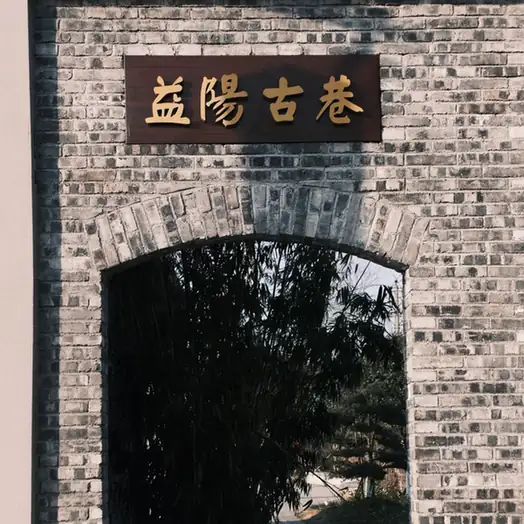 Yiyang Ancient City Lanes ·
 Plan your visit
Getting there
Ziyang District is about 15 km in a straight line from central Yiyang. Search for 资阳区 in a map app to find stations and your accommodation.
Where to stay →Build your route
Start with Yiyang Ancient City Lanes. The linked place guides have entrance and visit details.
Continue with Yiyang →More in Yiyang
Sources & geographic information
Administrative names and parent areas: Official geographic directory · Reference date 2026-09-06.
Some facts checked against 资阳区 — Wikipedia contributors, CC BY-SA 4.0.
Photo: Yiyang Ancient City Lanes · Source photographer · License not provided. EXIF orientation normalized; resized without changing aspect ratio; converted to WebP. No subject edits.
Map data © OpenStreetMap contributors. Pins mark approximate centres, not entrances or boundaries.