


Get to know Zhenba County
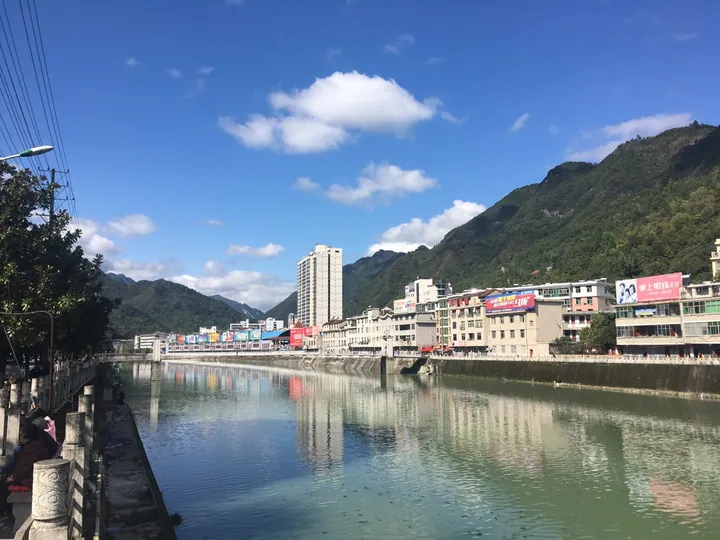
Photo adjustments
Full frame retained; proportionally resized and converted to WebP. No retouching or changes to the photographed subject. Card displays may crop the view.
- Administrative area
- County · 县
- Part of
- Hanzhong
- Chinese name
- 镇巴县
- Local areas
- County guide
Area & population
- Area in the source
- 3,437.00 km²
- Population · 2019
- 279,972
Source: cited geographic source, as of the dates shown.
What to see
Liba formed part of the Sichuan–Shaanxi revolutionary base (川陕革命根据地). Its themed settings now include a revolutionary-history corridor and a themed experience called Retracing the Long March (重走长征路). Beyond those displays, the town has rapeseed-and-rice sightseeing fields, orchards and workshops, with activities built around taking part in farm work and harvests.
Local products and traditions
At Liba’s heritage centre, traditional agricultural tools share space with hand-pounded ciba rice-cake making (糍粑) and a virtual-reality demonstration of rice growth. QR-code points around town play folk songs, including the rice-weeding song Haoyang Ge (薅秧歌). In Xinglong Town (兴隆镇), Chuxiyuan (楮溪源) centres its tea-themed landscape on high-mountain tea gardens, with teahouses and guesthouses among its facilities.
Sources for this guide
全景镇巴 - 镇巴县人民政府 · Zhenba County Government
陕西省汉中市镇巴县:红脉润青山 · China Culture Daily, republished by Ministry of Culture and Tourism
Original English written from the listed sources and checked sentence by sentence against quoted extracts by a separate reviewer. Updated 2026-09-26.
Explore Zhenba County
Core places to explore, with English and Chinese names.
Zhenba County 镇巴县
Plan your visit
Getting there
Zhenba County is about 100 km in a straight line from central Hanzhong. Search for 镇巴县 in a map app to find stations and your accommodation.
Where to stay →More in Hanzhong
Sources & geographic information
Administrative names and parent areas: Official geographic directory · Reference date 2026-09-06.
Map data © OpenStreetMap contributors. Pins mark approximate centres, not entrances or boundaries.