


Get to know Mudan District
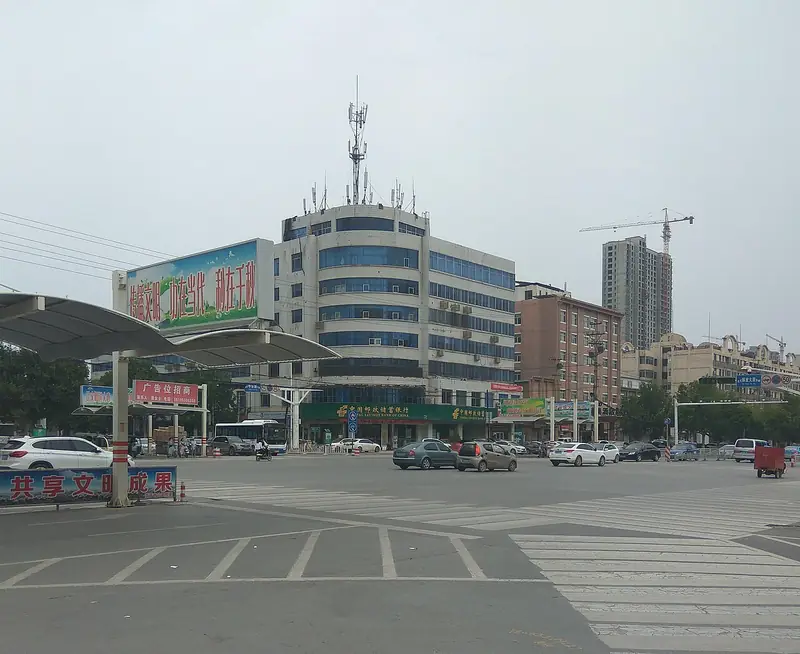
Photo adjustments
EXIF orientation normalized; resized without changing aspect ratio; converted to WebP. No subject edits.
- Administrative area
- District · 市辖区
- Part of
- Heze
- Chinese name
- 牡丹区
- Local areas
- District guide
Area & population
- Area in the source
- 1,415.00 km²
- Population · 2019
- 1,020,600
Source: cited geographic source, as of the dates shown.
Peonies and history
Heze was historically called Caozhou (曹州). Xinhua dates Caozhou peony growing to the Sui and Tang dynasties and its rise to fame to the Ming and Qing, quoting an old record that Caozhou gardeners planted flowers "the way others plant millet" (种花如种黍粟), by the hundred mu. The traditional medicine danpi (丹皮) comes from the peony root. Chinese Wikipedia counts nine colour groups, ten flower forms and 1,308 varieties grown in the district.
The peony runs through local stories and crafts. Ge Jin (葛巾), a peony fairy in Pu Songling's (蒲松龄) Strange Tales from a Chinese Studio (聊斋志异), comes from a Heze tale, and a statue of her often stands in Heze's peony gardens. The green variety Lümu Yinyu (绿幕隐玉), which opens green and turns jade-white, was bred by the Heze grower Sun Jingyu (孙景玉) and his son. The district government also calls Mudan a home of calligraphy and painting, opera, storytelling arts, martial arts and folk art.
What to see
Caozhou Peony Garden (曹州牡丹园) on Renmin North Road (人民北路) is a national 4A scenic area that the district describes as the largest peony and herbaceous-peony garden in the world by planted area. It grew from more than ten Ming and Qing peony gardens, among them Zhao's garden (赵氏园), Sangli garden (桑篱园) and Guiling garden (桂陵园). In 1982 it gained two Ming-style archway gates bearing its name in the calligraphy of Shu Tong (舒同). More than a hundred plants are over a century old, and its halls include the National Flower Hall (国花馆), the Flower-Viewing Tower (观花楼) and Tianxiang Pavilion (天香阁). The Heze International Peony Festival opens here each year, and the peonies flower from mid-April to early May.
Caozhou Hundred Flowers Garden (曹州百花园), a national 2A scenic area founded in the Jiajing reign of the Ming, is known as the "garden of rare peonies" for its many prized varieties. Caozhou old town (曹州古城) in Heze's old urban area is round outside and square inside: a square city ringed by a circular moat. The Caozhou Academy of Calligraphy and Painting (曹州书画院) has a long corridor of inscribed stone tablets.
Highlights
- Caozhou Peony Garden 曹州牡丹园: National 4A garden built from Ming and Qing peony gardens; the peony festival opens here.
- Caozhou Hundred Flowers Garden 曹州百花园: Garden founded in the Ming Jiajing reign, known for rare peony varieties.
- Caozhou old town 曹州古城: Square old city inside a round moat.
- Lümu Yinyu peony 绿幕隐玉: Green-to-white variety bred by Heze grower Sun Jingyu.
Sources for this guide
牡丹区 - 维基百科,自由的百科全书 · Wikipedia (Chinese) · CC BY-SA 4.0
新华走笔丨在菏泽,读懂这封“牡丹来信”-新华网 · Xinhua News Agency
曹州牡丹园:菏泽牡丹甲天下_菏泽市区历史遗迹_大众网 · Dazhong Net (Dazhong Daily)
走进牡丹区 - 牡丹区人民政府 · Mudan District People's Government
Original English written from the listed sources and checked sentence by sentence against quoted extracts by a separate reviewer. Updated 2026-09-26.
Explore Mudan District
Core places to explore, with English and Chinese names.
Places to explore around Mudan District
 Caozhou Peony Garden (
Plan your visit
Getting there
Mudan District is about 6 km in a straight line from central Heze. Search for 牡丹区 in a map app to find stations and your accommodation.
Where to stay →Build your route
Start with Caozhou Peony Garden. The linked place guides have entrance and visit details.
Continue with Heze →More in Heze
Sources & geographic information
Administrative names and parent areas: Official geographic directory · Reference date 2026-09-06.
Some facts checked against 牡丹区 — Wikipedia contributors, CC BY-SA 4.0.
Photo: Caozhou Peony Garden · 董辰兴 · CC BY-SA 4.0. Full frame retained; EXIF orientation normalized, proportionally resized to at most 800 pixels and converted to WebP. No generated pixels or subject changes. Cards may crop the display.

Map data © OpenStreetMap contributors. Pins mark approximate centres, not entrances or boundaries.