


Get to know Linqu County
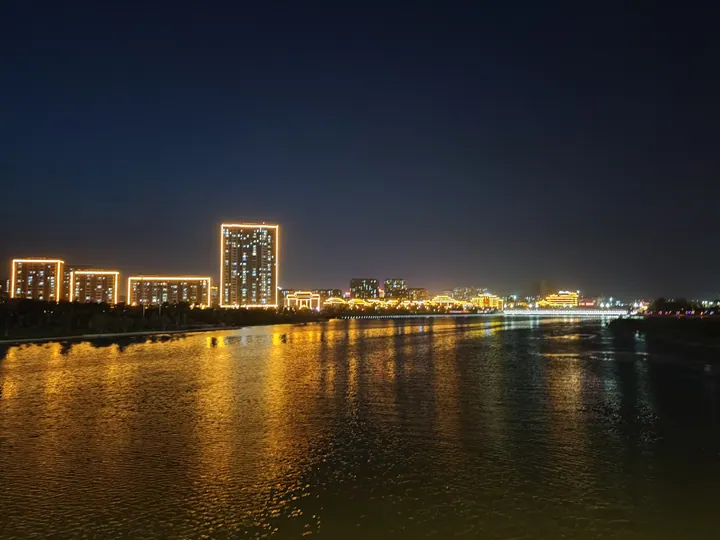
Photo adjustments
Full frame retained; proportionally resized and converted to WebP. No retouching or changes to the photographed subject. Card displays may crop the view.
- Administrative area
- County · 县
- Part of
- Weifang
- Chinese name
- 临朐县
- Local areas
- County guide
Area & population
- Area in the source
- 1,831.00 km²
- Population · 2018
- 925,567
Source: cited geographic source, as of the dates shown.
Setting and landscape
Mount Yi (沂山) rises 45 kilometres south of the county town, its main summit, Yuhuang Peak (玉皇顶), reaching 1,032 metres. The Mi River (弥河) starts at the foot of Mount Yi and is the county's main river; the Yeyuan Reservoir (冶源水库) on its upper course holds more water than any other reservoir in Linqu. The county counts more than 230 rivers and streams.
History
Linqu has been a county for more than 2,000 years. In the Spring and Autumn and Warring States periods the area belonged to Qi (齐国) and was the fief of Guan Zhong (管仲); the Sui merged the counties of the area into a single Linqu County. The county lists 221 sites of the Beixin, Dawenkou and Longshan cultures and more than 130 protected monuments, among them the Great Wall of Qi (齐长城), the Northern Qi tomb of Cui Fen (崔芬墓), Northern Wei stone Buddhas and the Dongzhen stele forest (东镇碑林).
What to see
Mount Yi, also called Dongzhen (东镇, "guardian of the east"), is placed by the county government first among China's five guardian mountains; it is a national 5A scenic area and a national forest park. The Shiji (史记) records that the Yellow Emperor performed sacrifices on the mountain.
The Shanwang fossil beds (山旺化石) at Jiaoyan Mountain (角岩山) in Shanwang town, about 22 kilometres east of the county town, preserve insects, fish, birds, mammals and plants from the Miocene, about 18 million years ago. The diatomite shale splits into paper-thin layers, forty or fifty to a centimetre, which earned it the old name "ten thousand scrolls" (万卷书). The beds became a national nature reserve in 1980, and a national geopark was approved in 2001.
Laolong Bay (老龙湾), nicknamed "the Jiangnan of the north" (北国江南), is counted among China's 72 famous springs. The autumn leaves at Shimenfang (石门坊) are compared with those of the Fragrant Hills (香山) in Beijing.
Food and local products
Linqu's listed specialities include the whole-sheep banquet (临朐全羊席), Laolongwan trout (老龙湾鳟), large hawthorns from Sanshanyu (三山峪大山楂), red toona shoots from Sitou (寺头红香椿), Jiushan apples (九山苹果), Wujing black goats (五井黑山羊) and Hongsi inkstones (红丝砚). Ornamental stones, hand-painted New Year pictures, sculpture and rosewood work are named as its four main cultural industries.
Getting oriented
The Qingzhou–Linqu railway (青临铁路) connects the county with the Qingdao–Jinan line (胶济铁路). The Changchun–Shenzhen expressway (长深高速) crosses it from north to south, and the Jinan–Weifang expressway (济潍高速) runs through the north.
Highlights
- Mount Yi 沂山: 1,032-metre mountain 45 km south of the county town; national 5A scenic area and national forest park.
- Shanwang fossil beds 山旺化石: Miocene fossils about 18 million years old in paper-thin diatomite layers; national nature reserve since 1980.
- Laolong Bay 老龙湾: Spring counted among China's 72 famous springs.
- Shimenfang 石门坊: Known for autumn leaves compared with those of Beijing's Fragrant Hills.
- Hongsi inkstone 红丝砚: One of Linqu's ten listed specialities.
Sources for this guide
县情概况 · Linqu County People's Government
临朐县 - 维基百科,自由的百科全书 · Wikipedia (Chinese) · CC BY-SA 4.0
沂山 - 维基百科,自由的百科全书 · Wikipedia (Chinese) · CC BY-SA 4.0
山东山旺国家地质公园 - 维基百科,自由的百科全书 · Wikipedia (Chinese) · CC BY-SA 4.0
Original English written from the listed sources and checked sentence by sentence against quoted extracts by a separate reviewer. Updated 2026-09-23.
Explore Linqu County
Core places to explore, with English and Chinese names.
Places to explore around Linqu County
 AI illustration · AI 示意图(仅供参考,非该地点实拍)
Mount Yi Scenic Area沂山景区
Mount Yi is the Linqu part of the wider Yimeng mountain landscape. Its forested slopes, Dongzhen Temple and Yuhuangding summit make it a distinct destination from Mount Meng farther south.
Read the place guide → Shimenfang Scenic Area · 石门坊
Shimenfang Scenic Area石门坊
Shimenfang (石门坊) is a scenic area of more than twenty square kilometres about ten kilometres west of the Linqu county seat in Weifang, Shandong, known for images carved into its cliffs and for the smoke-tree foliage that reddens across its hills in late autumn.
Read the place guide →Plan your visit
Getting there
Linqu County is about 60 km in a straight line from central Weifang. Search for 临朐县 in a map app to find stations and your accommodation.
Where to stay →Build your route
Mount Yi Scenic Area and Shimenfang Scenic Area are both listed here. The linked place guides have entrance and visit details.
Continue with Weifang →More in Weifang
Sources & geographic information
Administrative names and parent areas: Official geographic directory · Reference date 2026-09-06.
Some facts checked against 临朐县 — Wikipedia contributors, CC BY-SA 4.0.
Some facts checked against 沂山 — Wikipedia contributors, CC BY-SA 4.0.
Some facts checked against 山东山旺国家地质公园 — Wikipedia contributors, CC BY-SA 4.0.
Photo: Shimenfang Scenic Area · Source photographer · License not provided. EXIF orientation normalized; resized without changing aspect ratio; converted to WebP. No subject edits.
Map data © OpenStreetMap contributors. Pins mark approximate centres, not entrances or boundaries.