


Get to know Jinsha Township
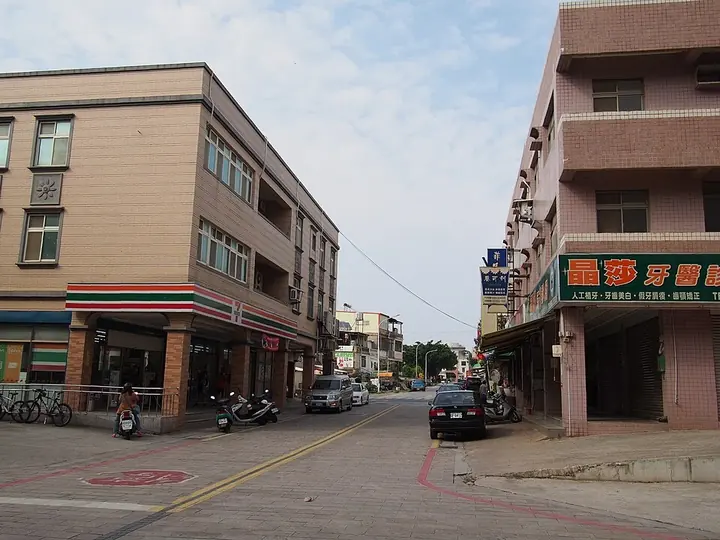
Photo adjustments
Full frame retained; proportionally resized and converted to WebP. No retouching or changes to the photographed subject. Card displays may crop the view.
- Administrative area
- Township · 鎮
- Part of
- Kinmen County
- Chinese name
- 金沙鎮
- Local areas
- Township guide
Area & population
- Area in the source
- 41.29 km²
Source: cited geographic source, as of the dates shown.
A clan settlement
The eighteen-house complex was built for members of the Wang clan by a father and son who had prospered through overseas trade. Construction took 25 years and was completed in 1900. The houses stand in three rows along the slope. Restoration in 1979 added an enclosing wall and ceremonial gateway, and the settlement was named Kinmen Folk Culture Village (金門民俗文化村).
Brick, stone and timber
Stone foundations support red brickwork, tiled roofs and fir beams. Horseback and swallowtail roof forms alternate across the complex; façades incorporate wood and stone carvings and decorative ceramics. Stone slabs pave the lanes between houses. The two-courtyard houses have connected side wings, while their main halls traditionally combined ancestor worship with reception and ceremonial uses.
Sources for this guide
金門——從戰場到旅遊點 - 台灣光華雜誌 · Taiwan Panorama, Ministry of Foreign Affairs
觸摸那傳統文化的根鬚——訪金門民俗文化村 - 台灣光華雜誌 · Taiwan Panorama, Ministry of Foreign Affairs
Original English written from the listed sources and checked sentence by sentence against quoted extracts by a separate reviewer. Updated 2026-09-27.
Explore Jinsha Township
Core places to explore, with English and Chinese names.
Jinsha Township 金沙鎮
Plan your visit
Getting there
Jinsha Township is about 10 km in a straight line from central Kinmen County. Search for 金沙鎮 in a map app to find stations and your accommodation.
Where to stay →More in Kinmen County
Sources & geographic information
Administrative names and parent areas: Official geographic directory · Reference date 2026-09-06.
Map data © OpenStreetMap contributors. Pins mark approximate centres, not entrances or boundaries.