


Get to know Dounan Township
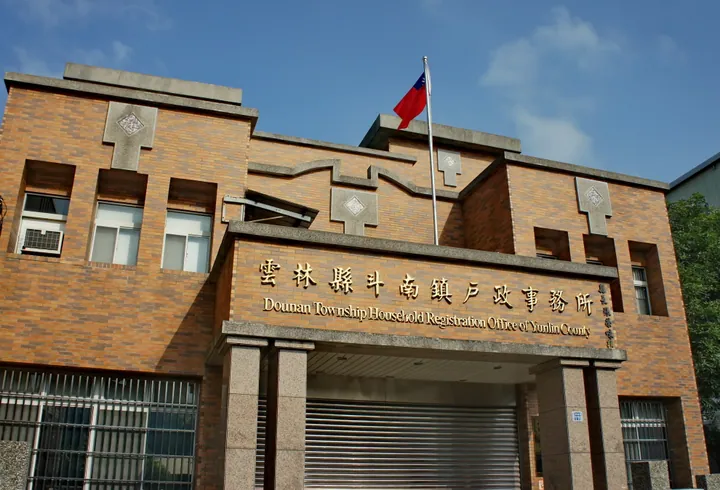
Photo adjustments
Full frame retained; proportionally resized and converted to WebP. No retouching or changes to the photographed subject. Card displays may crop the view.
- Administrative area
- Township · 鎮
- Part of
- Yunlin County
- Chinese name
- 斗南鎮
- Local areas
- Township guide
Area & population
- Area in the source
- 48.00 km²
Source: cited geographic source, as of the dates shown.
Settlement and waterways
The town’s rivers include Yunlin (雲林溪), Shiniu (石牛溪), Lunzi (崙仔溪) and Dahukou (大湖口溪) creeks. Dounan became its official name in 1920. Its fertile river-deposited soils supported farming, and the township stands between Douliu, Huwei and Dapi, with Chiayi across its southern river boundary.
Railway warehouses and local arts
Taliwu Cultural Park (他里霧文化園區) and the No. 7 and No. 8 warehouse creative base are named cultural destinations. The township’s cultural places also include a puppetry park known as Ou de Jia (偶的家). Shigui Creek Panda Painted Village (石龜溪熊貓彩繪村) adds mural art, while Shunan Temple (斗南順安宮) and the former Japanese-style elementary-school residence (斗南國小日式宿舍) represent other parts of the local heritage. Potatoes are among the crops grown in the township.
Sources for this guide
雲林社造e即通-斗南鎮鄉鎮簡介 · Yunlin County Government community-development website
斗南鎮 - 维基百科,自由的百科全书 · Wikipedia contributors · CC BY-SA 4.0
Original English written from the listed sources and checked sentence by sentence against quoted extracts by a separate reviewer. Updated 2026-09-30.
Explore Dounan Township
Core places to explore, with English and Chinese names.
Dounan Township 斗南鎮
Plan your visit
Getting there
Dounan Township covers the centre of Yunlin County. Search for 斗南鎮 in a map app to find stations and your accommodation.
Where to stay →More in Yunlin County
Sources & geographic information
Administrative names and parent areas: Official geographic directory · Reference date 2026-09-06.
Some facts checked against 斗南鎮 — Wikipedia contributors, CC BY-SA 4.0.
Map data © OpenStreetMap contributors. Pins mark approximate centres, not entrances or boundaries.