


Get to know Kaihua County
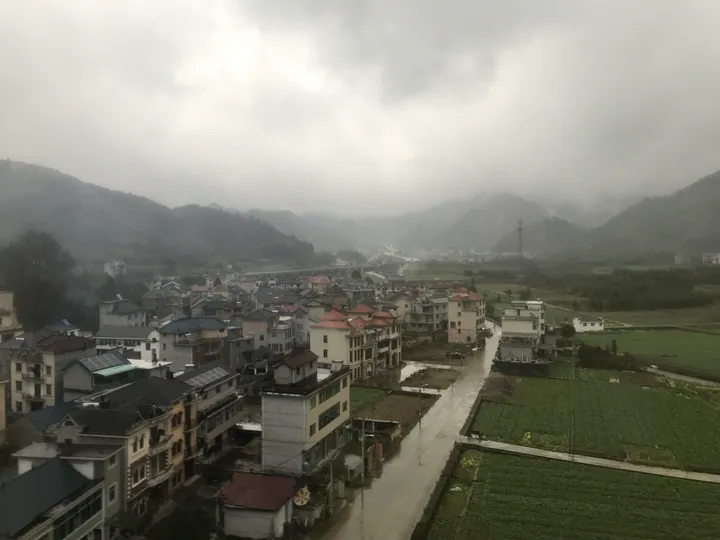
Photo adjustments
Full frame retained; proportionally resized and converted to WebP. No retouching or changes to the photographed subject. Card displays may crop the view.
- Administrative area
- County · 县
- Part of
- Quzhou
- Chinese name
- 开化县
- Local areas
- County guide
Area & population
- Area in the source
- 2,224.00 km²
- Population · 2004
- 340,000
Source: cited geographic source, as of the dates shown.
Setting and landscape
The Qiantang headwaters are protected in Qianjiangyuan National Park (钱江源国家公园), which Guangming Daily listed in 2017 among China's ten pilot national parks. The park covers about 252 square kilometres of Kaihua and borders Xiuning (休宁) in Anhui and Wuyuan (婺源) and Dexing (德兴) in Jiangxi. It takes in the Gutianshan national nature reserve (古田山国家级自然保护区), the Qianjiangyuan national forest park and a provincial scenic area.
The park lies in the Baiji Mountains (白际山脉), from 170 metres at Shuangxikou (双溪口) in Suzhuang (苏庄镇) up to 1,260 metres on Shi'er Mountain (石耳山). Guangming Daily describes large tracts of old-growth forest and names it the main habitat of Elliot's pheasant and the black muntjac, both first-class protected animals.
History
In 966 the Wuyue king Qian Hongchu (钱弘俶) took seven townships from Changshan (常山县) and set up the Kaihua station; the name joins the first characters of two of them, Kaiyuan (开源) and Chonghua (崇化). The station was raised to a county in 981.
What to see
The Root Palace (根宫佛国文化旅游区) opened in 2002 and became a national 5A scenic area in 2013. Xinhua Zhejiang reports more than 20,000 large root carvings there, the heaviest single piece weighing over 40 tonnes, and China Daily reports its Guinness World Records listing as the largest root-carving museum. China Daily also counts Kaihua root carving as one of the "four carvings of Zhejiang" with Qingtian (青田) stone carving, Dongyang (东阳) wood carving and boxwood carving.
At the Mid-Autumn Festival the 18 townships of the county perform the incense fire-grass dragon (开化香火草龙), placed on the national intangible-heritage list in 2011: a straw dragon is stuck with incense sticks that are lit for the dance, and afterwards the dragon is thrown into the river. The national list singles out the version from Fuhu village (富户村) in Suzhuang as the most spectacular, and cites a Suzhuang clan genealogy recording that in 1362 local people danced it to reward the Red Turban troops of Zhu Yuanzhang (朱元璋).
Food and local products
Four Kaihua products carry national geographical-indication status: Kaihua black fungus (开化黑木耳), Kaihua Longding tea (开化龙顶茶), Kaihua eucommia tea (开化杜仲茶) and Kaihua golden tea (开化黄金茶).
Highlights
- Qianjiangyuan National Park 钱江源国家公园: About 252 square kilometres at the Qiantang headwaters, bordering Anhui and Jiangxi.
- Root Palace 根宫佛国文化旅游区: 5A root-carving park opened in 2002, with more than 20,000 large carvings.
- Kaihua incense fire-grass dragon 开化香火草龙: National intangible heritage: a straw dragon lit with incense at Mid-Autumn.
- Kaihua Longding tea 开化龙顶茶: National geographical-indication tea.
Sources for this guide
开化第十四届根艺活动:根韵传薪启新程 文旅共富谱新章 - 中国日报网 · China Daily
让开化根雕做下去、传下去、走出去 · Xinhua Zhejiang
十个国家公园体制试点 _光明日报 _光明网 · Guangming Daily
龙舞(开化香火草龙) - 中国非物质文化遗产网 · China Intangible Cultural Heritage Network (Ministry of Culture and Tourism)
钱江源国家公园 - 维基百科,自由的百科全书 · Wikipedia (Chinese) · CC BY-SA 4.0
开化县 - 维基百科,自由的百科全书 · Wikipedia (Chinese) · CC BY-SA 4.0
Original English written from the listed sources and checked sentence by sentence against quoted extracts by a separate reviewer. Updated 2026-09-25.
Explore Kaihua County
Core places to explore, with English and Chinese names.
Places to explore around Kaihua County
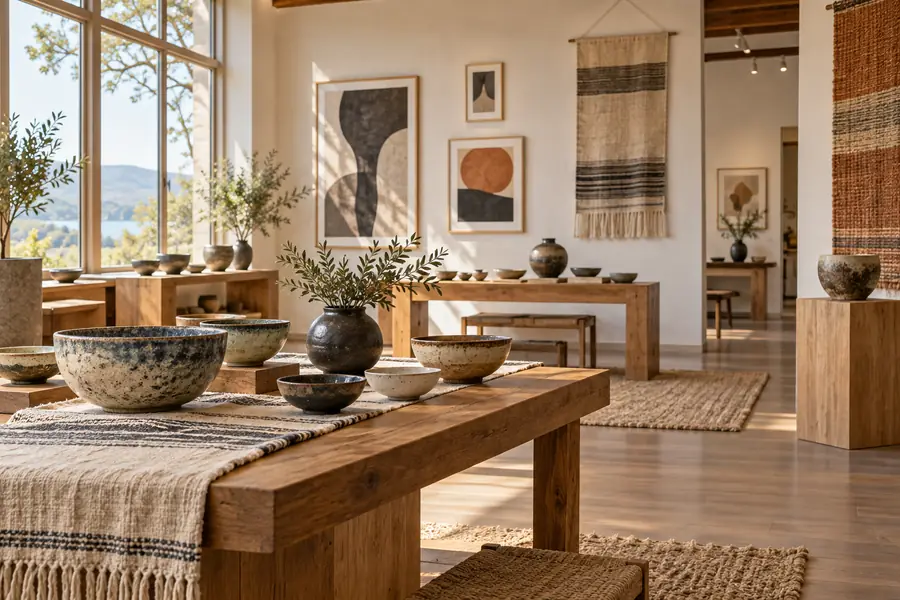 AI illustration · AI 示意图(仅供参考,非该地点实拍)
Root Palace Buddhist Culture Tourism Area根宫佛国文化旅游区
Root Palace, also known as Genbo Garden, is a root-carving art attraction in Kaihua.
Read the place guide →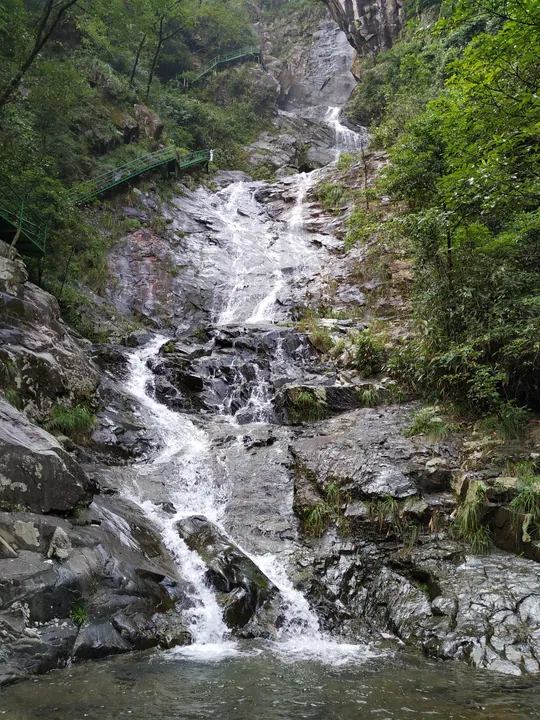 A waterfall cascading through the forested canyon of Qianjiangyuan National Forest Park, Kaihua · 开化钱江源国家森林公园峡谷瀑布 Source-recorded photograph date: 2018-07-23 08:20:56.
Qianjiangyuan Scenic Area钱江源
Forest park at the source of the Qiantang River in Qixi, Kaihua, Zhejiang, with evergreen broadleaf forest, headwater streams and a winter-frozen waterfall.
Read the place guide → Root Palace Buddhist Kingdom · 根宫佛国
Root Palace Buddhist Kingdom根宫佛国
Gengong Foguo in Kaihua is a modern cultural destination built around root carving, with Buddhist figures as a major focus of its art displays.
Read the place guide →Plan your visit
Getting there
Kaihua County is about 45 km in a straight line from central Quzhou. Search for 开化县 in a map app to find stations and your accommodation.
Where to stay →Build your route
Root Palace Buddhist Culture Tourism Area and Qianjiangyuan Scenic Area are both listed here. The linked place guides have entrance and visit details.
Continue with Quzhou →More in Quzhou
Sources & geographic information
Administrative names and parent areas: Official geographic directory · Reference date 2026-09-06.
Some facts checked against 钱江源国家公园 — Wikipedia contributors, CC BY-SA 4.0.
Some facts checked against 开化县 — Wikipedia contributors, CC BY-SA 4.0.
Photo: Qianjiangyuan Scenic Area · Zhangzhugang · CC BY-SA 4.0. Full frame retained; proportionally resized and converted to WebP. No retouching or changes to the photographed subject. Card displays may crop the view.

Photo: Root Palace Buddhist Kingdom · Source photographer · License not provided. EXIF orientation normalized; resized without changing aspect ratio; converted to WebP. No subject edits.
Map data © OpenStreetMap contributors. Pins mark approximate centres, not entrances or boundaries.