


Get to know Bishan District
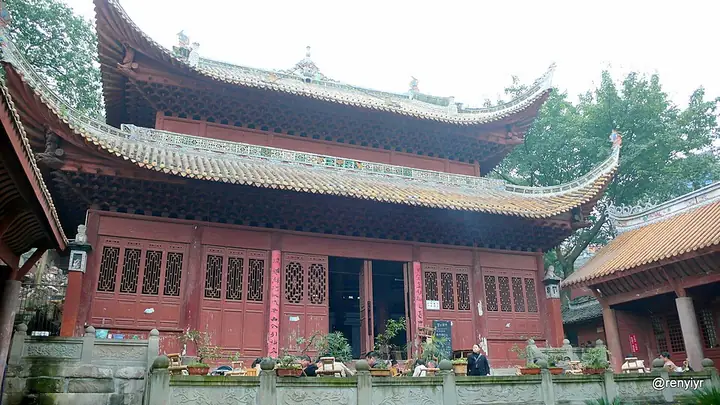
Photo adjustments
Full-frame source proportionally resized and converted to WebP for display. No subject alteration. Source-supplied marks and edits remain; cards may crop the view.
- Administrative area
- District · 市辖区
- Part of
- Chongqing
- Chinese name
- 璧山区
- Local areas
- District guide
Area & population
- Area in the source
- 912.00 km²
- Population · 2020
- 756,022
Source: cited geographic source, as of the dates shown.
History
Bishan became a county in 757 under the Tang, taking its name from Chongbi Mountain (重壁山). It was merged into Ba County in 1285 under the Yuan, re-established under the Ming, and restored in 1729, when the character of its name changed from "壁" (wall) to "璧" (jade disc). It became a district of Chongqing in May 2014.
The district government names two scholars from here, Feng Shixing (冯时行) and Pu Guobao (蒲国宝), who both placed first in the imperial examinations, and says Bishan keeps the only intact Confucian temple (文庙) in Chongqing. The anthropologist Isabel Crook (伊莎白) carried out the fieldwork for her study of Xinglong Chang (兴隆场) here.
What to see
Laifeng post station (来凤驿) was one of the "four great post stations" of the Ming and Qing Chengdu–Chongqing road, alongside Longquan (龙泉驿), Shuangfeng (双凤驿) and Baishi (白市驿), and one of its largest trading stops. Guidao Bay Park (古道湾公园), opened in January 2021 at the eastern foot of Maolai Mountain, recreates the post station, the Laoguankou pass (老关口) and other scenes from the old road.
Xiuhu Lake (秀湖) and Yuquan Lake (玉泉湖) sit within the town, and the district government counts 38 city parks. Its culture-and-tourism route links the Dayuanxiang Museum (大圆祥博物馆) of wood carving, the Confucian temple and the former home of Xie Weijin (谢唯进故居).
Food and crafts
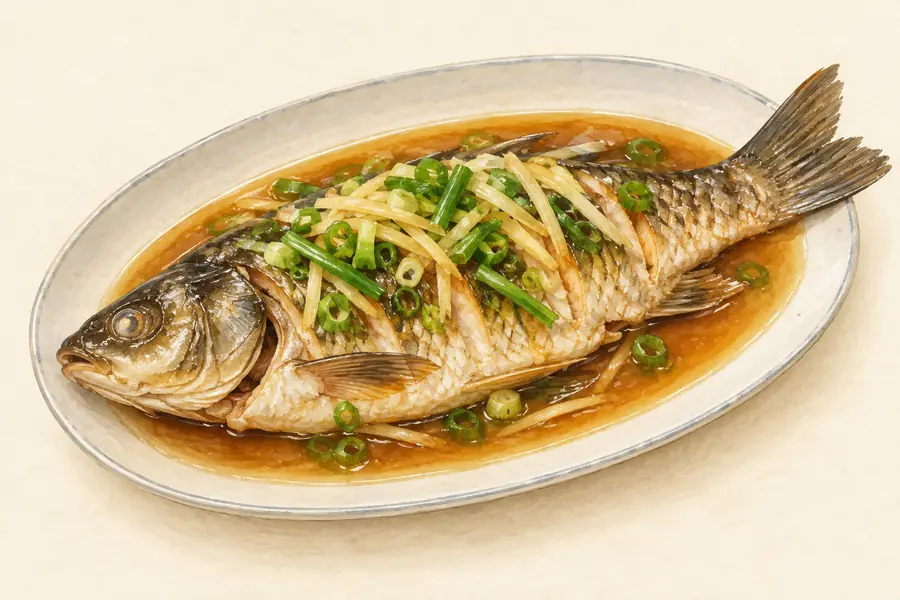
Laifeng fish (来凤鱼) comes from Laifeng subdistrict and has more than 300 years of history. The district government describes it as bighead carp or grass carp cooked with house-made chilli, broad-bean paste and pickled vegetables, numbing, hot and tender, finished with red oil and green onion. Plain-cut Bishan rabbit (璧山白砍兔) is on the district's intangible-heritage list.
Municipal intangible-heritage items include the Danuo exorcism dance (大傩舞) of the Dingjia area, Bishan wind-and-percussion music (璧山吹打) and bamboo carving; micro-carving on gold, jade and even hair is also practised, with pieces held by the National Museum of China.
Highlights
- Laifeng fish 来凤鱼: Laifeng dish of bighead or grass carp cooked with chilli, broad-bean paste and pickles, with more than 300 years of history
- Guidao Bay Park 古道湾公园: Park recreating the Laifeng post station and the Laoguankou pass of the old post road
- Xiuhu Lake 秀湖: Lake within the town, part of Bishan's park system
- Dayuanxiang Museum 大圆祥博物馆: Wood-carving museum on the district's culture route
Sources for this guide
区域概况_重庆市璧山区人民政府 · Bishan District People's Government, Chongqing
科技范・文化味・烟火气——璧山新质都市旅游的破圈之道_重庆市璧山区人民政府 · Bishan District People's Government, Chongqing
璧山区 - 维基百科,自由的百科全书 · Wikipedia (Chinese) · CC BY-SA 4.0
巴蜀四大名驿来凤驿“重现”璧山 · People's Daily Online (Chongqing channel), from Chongqing Morning Post
重庆璧山第二届“鱼超”争霸赛将启幕-中新网重庆 · China News Service (Chongqing)
重庆市璧山区人民政府 · Bishan District People's Government, Chongqing
Original English written from the listed sources and checked sentence by sentence against quoted extracts by a separate reviewer. Updated 2026-09-25.
Explore Bishan District
Core places to explore, with English and Chinese names.
Places to explore around Bishan District
 AI illustration · AI
 Local life & food
Bishan District local specialties
璧山区特色美食 · 6 specialties to discover
 Bishan Laifeng Spicy Fish 璧山来凤鱼AI illustration · AI 示意图(仅供参考,非实拍)
Bishan Laifeng Spicy Fish (璧山来凤鱼) is a freshwater fish dish from Laifeng post station (来凤驿) in Bishan District (璧山区), Chongqing, cooked in a red oil of pickled chilli and bean paste and finished with a pour of oil sizzled with Sichuan pepper and dried chilli.
Read the dish guide →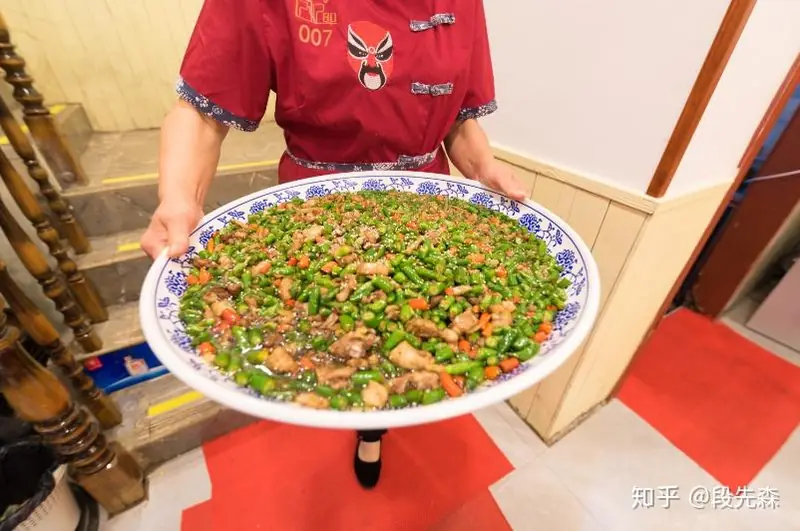 Bishan Rabbit Dishes 璧山兔
Bishan Rabbit Dishes (璧山兔) are the rabbit cooking of Bishan District (璧山区), Chongqing, a family of dishes that runs from skin-on braised rabbit in a hot, numbing, sour-sweet dressing to boiled spicy rabbit and a pot of chicken and rabbit cooked together.
Read the dish guide →Photo adjustments
EXIF orientation normalized; resized without changing aspect ratio; converted to WebP. No subject edits.
 Bishan Soft Tofu with Rice 璧山豆花饭AI illustration · AI 示意图(仅供参考,非实拍)
Bishan Soft Tofu with Rice (璧山豆花饭) is a meal from Bishan District (璧山区), Chongqing: soft tofu dipped in an oil dip and eaten with a bowl of rice steamed in a wooden barrel.
Read the dish guide →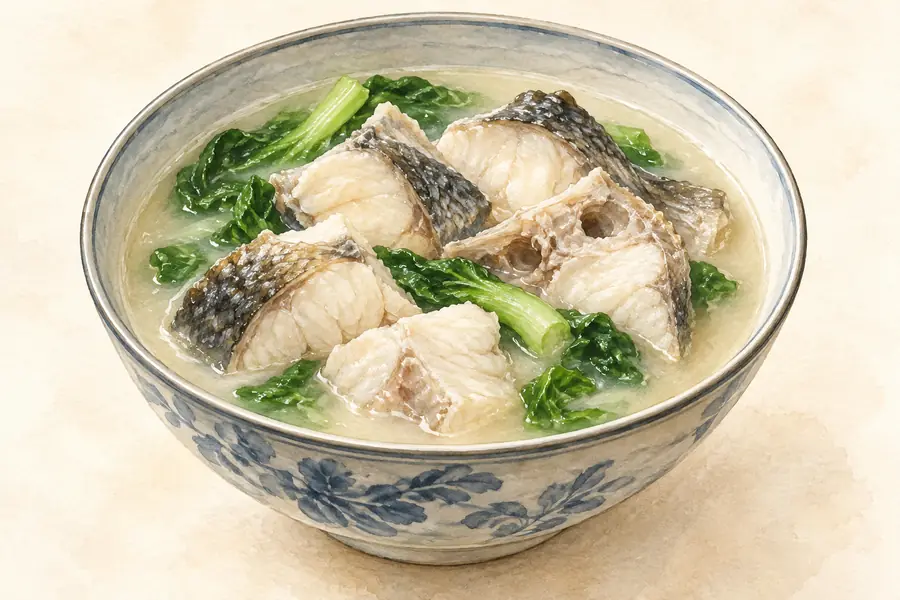 Laifeng Fish with Pickled Mustard Greens 来凤酸菜鱼AI illustration · AI 示意图(仅供参考,非实拍)
Laifeng Fish with Pickled Mustard Greens (来凤酸菜鱼) is listed among the local specialties of Bishan District, Chongqing. The name includes 鱼 (fish), 酸菜 (pickled vegetables).
Read the dish guide →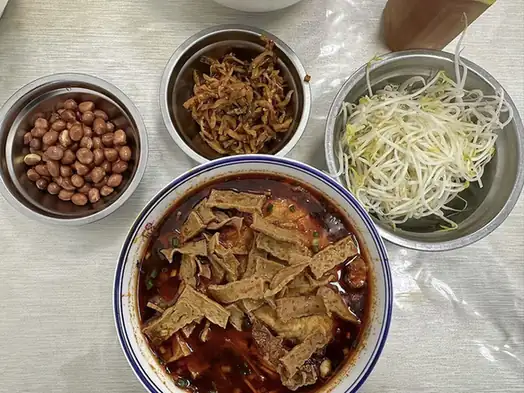 Bishan Rice Noodles 璧山米粉
Bishan Rice Noodles (璧山米粉) is listed among the local specialties of Bishan District, Chongqing. The term 米粉 points to rice noodles or rice meal.
Read the dish guide →
Photo adjustments
EXIF orientation normalized; resized without changing aspect ratio; converted to WebP. No subject edits.
 Dingjia Rabbit 丁家兔AI illustration · AI 示意图(仅供参考,非实拍)
Dingjia Rabbit (丁家兔) is associated with Dingjia (丁家) in Bishan (璧山), where the local rabbit dish has a bright red appearance, tender meat and a spicy, numbing flavour.
Read the dish guide →More dishes from across Chongqing are in the Chongqing food guide.
Plan your visit
Getting there
Bishan District is about 35 km in a straight line from central Chongqing. Search for 璧山区 in a map app to find stations and your accommodation.
Where to stay →Build your route
Start with Xiuhu Park. The linked place guides have entrance and visit details.
Continue with Chongqing →More in Chongqing
Sources & geographic information
Administrative names and parent areas: Official geographic directory · Reference date 2026-09-06.
Official administrative update
Official administrative update
Some facts checked against 璧山区 — Wikipedia contributors, CC BY-SA 4.0.
Map data © OpenStreetMap contributors. Pins mark approximate centres, not entrances or boundaries.