

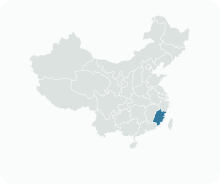
Get to know Dehua County
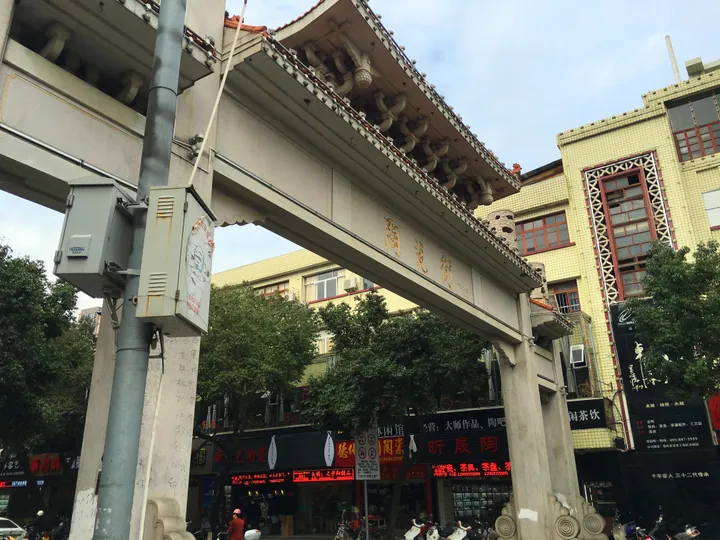
Photo adjustments
Full frame retained; proportionally resized and converted to WebP. No retouching or changes to the photographed subject. Card displays may crop the view.
- Administrative area
- County · 县
- Part of
- Quanzhou
- Chinese name
- 德化县
- Local areas
- County guide
Area & population
- Area in the source
- 2,204.00 km²
- Population · 2020 census
- 332,148
Source: cited geographic source, as of the dates shown.
Setting and landscape
The county covers 2,232 square kilometres and borders Yongtai (永泰县) and Xianyou (仙游县) to the east, Yongchun (永春县) to the south, Datian (大田县) to the west and Youxi (尤溪县) to the north. The county government counts 258 peaks above 1,000 metres; mountain land makes up 81.6 percent of the area, and the Daiyun range is described as Fujian's second-largest. Rainfall averages about 1,769 millimetres a year, and the average temperature is 19.5°C.
History
Between 785 and 795 Guide (归德场), a sub-county unit split from Yongtai County, was set up on the site of the present county town, and in 933 it became Dehua County, the name meaning 'to transform the people by virtue'. From the Song to the Ming it belonged to Quanzhou; in 1734 it passed to Yongchun department (永春州), and it has been part of Quanzhou city since the city was formed in 1985. Surveys between 1954 and 1988 found 229 old kiln sites from the Song to the Republic, spread over 61 villages. The Qudougong Dehua kiln site (屈斗宫德化窑址), covering Song-to-Ming kilns in Xunzhong (浔中), Sanban (三班) and Gaide (盖德), became a national key protected site in 1988.
Porcelain and crafts
The Ming sculptor He Chaozong (何朝宗, about 1540–1628) developed a school of porcelain figure carving drawing on clay, wood and stone Buddhist sculpture; his works are held in museums in Britain, the United States, Japan and Germany. A hill that supplied his kaolin, once called Bainiqi (白泥崎, 'white clay slope'), is now named Guanyinqi (观音岐) after his porcelain Guanyin figures. The county government describes Dehua wares as 'white as snow, thin as paper, bright as a mirror and ringing like a chime stone', and in 1915 Su Xuejin's (苏学金) porcelain plum blossom won a gold medal at the Panama–Pacific exposition.
What to see
Jiuxian Mountain (九仙山) holds the Lingjiu temple (灵鹫岩), founded in the Tang Kaiyuan era and rebuilt in 1988–1990, about 50 cliff inscriptions, the datable ones from the Yuan, Ming and Qing, and a stone Maitreya 2.7 metres tall carved before 716 by the monk Zou Wubi (邹无比) in the Maitreya Cave. The county also lists a Yuan-dynasty stone Guanyin, 2 metres high, beside the path from Guangqin temple (广钦寺) to Shitou Mountain (狮头山); a pavilion was built over it in 2003.
Highlights
- Qudougong Dehua kiln site 屈斗宫德化窑址: Song-to-Ming kiln sites listed as a national key protected site in 1988.
- Jiuxian Mountain 九仙山: Lingjiu temple, about 50 cliff inscriptions and a Tang stone Maitreya 2.7 m tall.
- Guanyinqi 观音岐: Kaolin hill renamed after He Chaozong's porcelain Guanyin figures.
- Dehua porcelain 德化瓷: White wares and porcelain figures in the tradition of the Ming sculptor He Chaozong.
Sources for this guide
千年古县_千年古县_德化县人民政府 · Dehua County People's Government
建制沿革_建制沿革_德化县人民政府 · Dehua County People's Government
地理环境_地理环境_德化县人民政府 · Dehua County People's Government
人文历史_人文历史_德化县人民政府 · Dehua County People's Government
自然资源_自然资源_德化县人民政府 · Dehua County People's Government
Original English written from the listed sources and checked sentence by sentence against quoted extracts by a separate reviewer. Updated 2026-09-25.
Explore Dehua County
Core places to explore, with English and Chinese names.
Places to explore around Dehua County
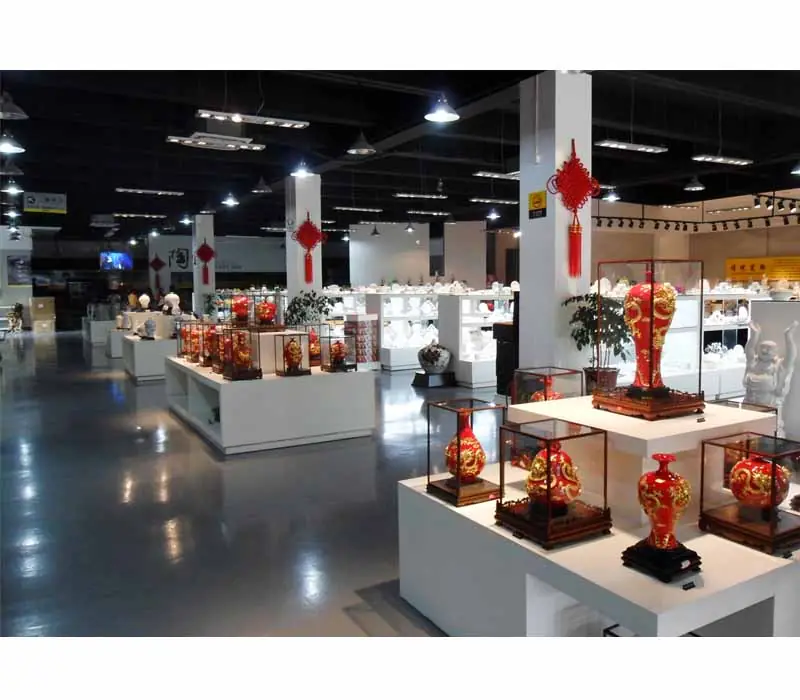 Dehua Ceramics Museum · 德化陶瓷博物馆
Dehua Ceramics Museum德化陶瓷博物馆
The Dehua Ceramics Museum traces the county's kiln traditions through white-porcelain figures, everyday vessels and ceramics made for overseas markets.
Read the place guide →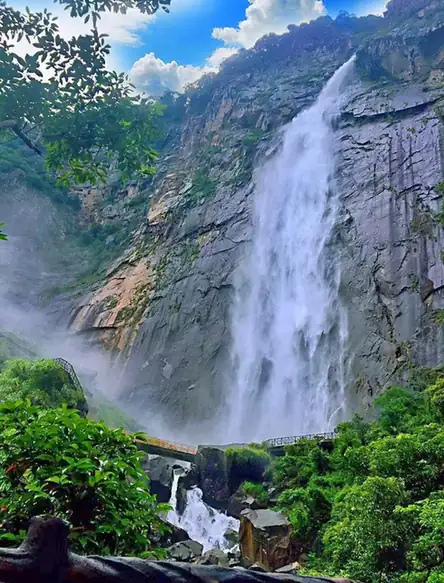 Shiniu Mountain · 石牛山
Shiniu Mountain石牛山
Shiniushan rises in northeastern Dehua's Daiyun Mountains, with a 1,782-metre main peak in Shuikou and a landscape of striking rocks, caves and waterfalls.
Read the place guide →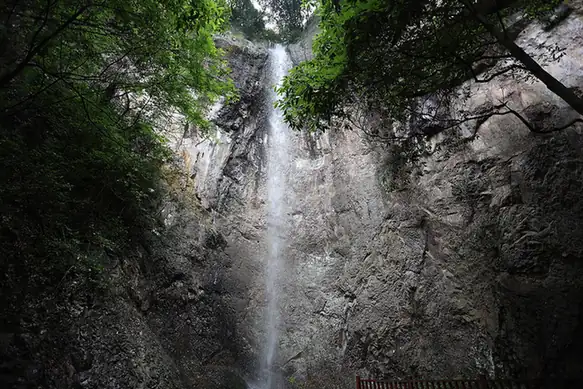 Jiuxian Mountain · 九仙山
Jiuxian Mountain九仙山
Jiuxianshan in northwestern Dehua combines a 1,658-metre summit with boulder caves, carved inscriptions and Buddhist temple sites.
Read the place guide →Plan your visit
Getting there
Dehua County is about 80 km in a straight line from central Quanzhou. Search for 德化县 in a map app to find stations and your accommodation.
Where to stay →Build your route
Dehua Ceramics Museum and Shiniu Mountain are both listed here. The linked place guides have entrance and visit details.
Continue with Quanzhou →More in Quanzhou
Sources & geographic information
Administrative names and parent areas: Official geographic directory · Reference date 2026-09-06.
Photo: Dehua Ceramics Museum · Source photographer · License not provided. EXIF orientation normalized; resized without changing aspect ratio; converted to WebP. No subject edits.
Photo: Shiniu Mountain · Source photographer · License not provided. EXIF orientation normalized; resized without changing aspect ratio; converted to WebP. No subject edits.
Photo: Jiuxian Mountain · 松照庵 · CC BY-SA 4.0. EXIF orientation normalized; resized without changing aspect ratio; converted to WebP. No subject edits.

Map data © OpenStreetMap contributors. Pins mark approximate centres, not entrances or boundaries.