


Get to know Gaoyao District
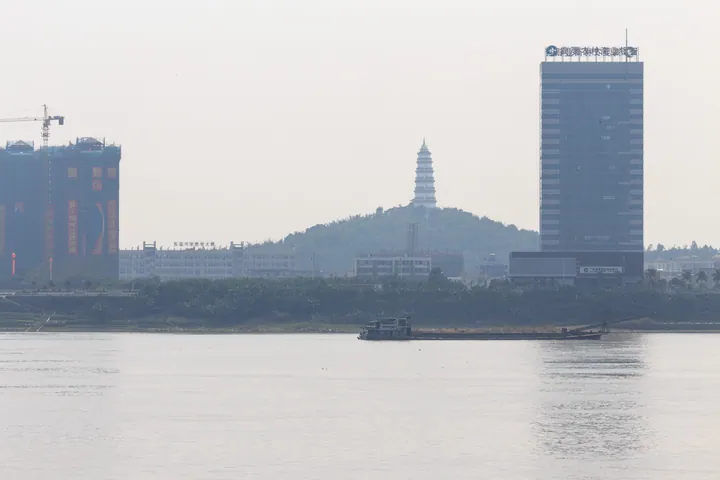
Photo adjustments
Full frame retained; proportionally resized and converted to WebP. No retouching or changes to the photographed subject. Card displays may crop the view.
- Administrative area
- District · 市辖区
- Part of
- Zhaoqing
- Chinese name
- 高要区
- Local areas
- District guide
Area & population
- Area in the source
- 2,206.00 km²
- Population · 2020 census
- 741,591
Source: cited geographic source, as of the dates shown.
Setting and landscape
Gaoyao meets Sanshui District (三水区) of Foshan (佛山) to the east, Gaoming District (高明区) and Xinxing County (新兴县) to the south, Deqing County (德庆县) and Yuncheng District (云城区) to the west, and Guangning County (广宁县), Sihui (四会市), Duanzhou (端州区) and Dinghu (鼎湖区) to the north. The land falls from mountains in the northwest through hills in the south to low-lying ground in the southeast. Sanxianding (三县顶山) in Hetai (河台镇), on the border with Guangning and Deqing, reaches 917 metres on the Gaoyao side, and Lanke Mountain (烂柯山) in Jindu (金渡镇) reaches 766 metres.
History
Emperor Wu of Han founded Gaoyao County in 111 BC after putting down the revolt of Lü Jia (吕嘉) in the Nanyue (南越) kingdom. In 1096 the future Emperor Huizong of Song, Zhao Ji (赵佶), was made Prince of Duan with Duanzhou (端州) as his fief, and on taking the throne he raised it to a superior prefecture with Gaoyao as its seat. When the Liangguang supreme commander moved his seat from Wuzhou (梧州) to Zhaoqing in 1564, Gaoyao became the military, political and cultural centre of Guangdong and Guangxi for 182 years. It became a county-level city in 1993 and a district in 2015, with its government in Nan'an subdistrict (南岸街道).
Food and local products
Duan inkstones (端砚) have been known since the early Tang, and stone quarried at Lanke Mountain makes the most prized ones; their making was on the first national intangible-heritage list in 2006. Jindu patterned mats (金渡花席) weave dyed and undyed grass; mat-making began in the Ming, and the patterned kind appeared after foreign dyes reached Jindu in the mid-Qing. Dawan town (大湾镇) makes hardwood furniture from imported timbers.
Maixi grass carp (麦溪鲩) come from the Maixi ponds of Guxi village (古西村) in Dawan, gained geographical-indication protection in 2012 and were a tribute fish under the Qing. The district government calls it best steamed, with only a little salt, oil and shredded dried tangerine peel, without ginger, scallion or soy sauce. Provincial intangible heritage here includes the Gaoyao spring sacrifice (高要春社) and the Jinli (金利) dragon-boat custom.
What to see
Ziyun Valley (紫云谷), a national AAA scenic area in Yankeng village (砚坑村), Jindu, is built around the Duan inkstone quarries; the Laokeng (老坑) quarry site was listed as a provincial protected site in 2002. The district government also names Jinzhongshan Provincial Forest Park (金钟山省级森林公园), the eight-trigram layout of Licha old village (黎槎古村), the West River Wine Culture Museum (西江酒文化馆) and Maozhua Valley (猫爪谷) among its main sights.
Highlights
- Ziyun Valley 紫云谷: AAA scenic area at the Duan inkstone quarries of Yankeng village, Jindu.
- Duan inkstone 端砚: National intangible heritage since 2006; Lanke Mountain stone is the most prized.
- Jindu patterned mats 金渡花席: Mats woven from dyed and undyed grass, a provincial intangible-heritage craft.
- Maixi grass carp 麦溪鲩: Pond-raised fish from Guxi village, Dawan, with geographical-indication protection since 2012.
Sources for this guide
高要概况 - 肇庆市高要区人民政府网站 · Gaoyao District People's Government, Zhaoqing
大湾麦溪鲩 - 肇庆市高要区人民政府网站 · Gaoyao District People's Government (local chronicles office)
紫云谷景区 - 肇庆市高要区人民政府网站 · Gaoyao District Culture, Radio, Television, Tourism and Sports Bureau
Original English written from the listed sources and checked sentence by sentence against quoted extracts by a separate reviewer. Updated 2026-09-23.
Explore Gaoyao District
Core places to explore, with English and Chinese names.
Gaoyao District 高要区
Plan your visit
Getting there
Gaoyao District covers the centre of Zhaoqing. Search for 高要区 in a map app to find stations and your accommodation.
Where to stay →More in Zhaoqing
Sources & geographic information
Administrative names and parent areas: Official geographic directory · Reference date 2026-09-06.
Map data © OpenStreetMap contributors. Pins mark approximate centres, not entrances or boundaries.