

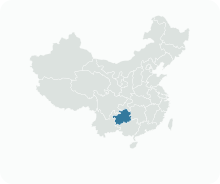
Get to know Qianxi City
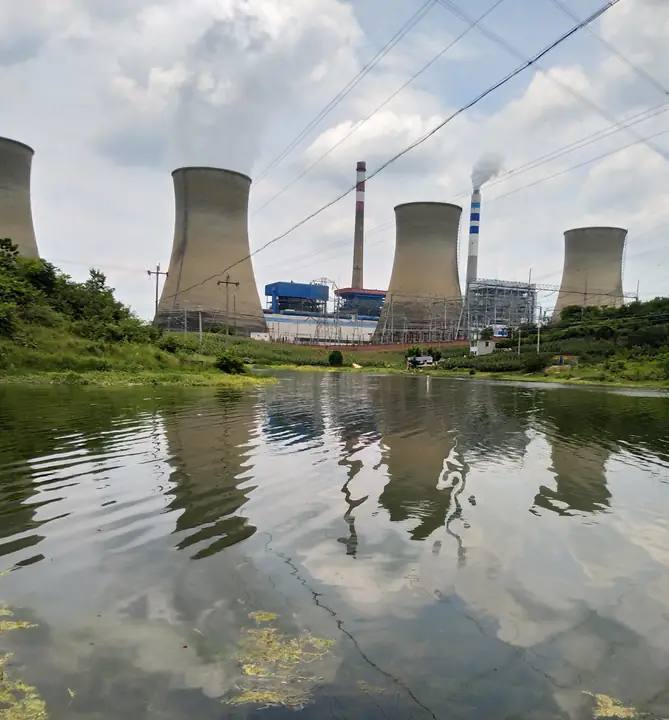
Photo adjustments
Full-frame source proportionally resized and converted to WebP for display. No subject alteration. Source-supplied marks and edits remain; cards may crop the view.
- Administrative area
- County-level city · 县级市
- Part of
- Bijie City
- Chinese name
- 黔西市
- Local areas
- County-level city guide
Area & population
- Area in the source
- 2,380.50 km²
- Population · 2019
- 970,700
- Administrative seat
- Liancheng Subdistrict
Source: cited geographic source, as of the dates shown.
History
Guanyindong (观音洞), a Palaeolithic cave found by the archaeologist Pei Wenzhong (裴文中) in 1964, has been a major national protected site since 2001. In 2018 researchers reported stone tools from the cave dated to roughly 170,000 to 80,000 years ago, some made with the Levallois technique, a reading that other scholars have challenged. The city government calls it a birthplace of early humans in southern China.
The Shuixi (水西) regime ruled here for fifteen centuries. Qianxi keeps the old post road of the Longchang Nine Posts (龙场九驿) linked with Lady Shexiang (奢香夫人), a Ming-era stateswoman, and an old Xiang shrine (象祠) tied to Wang Yangming's (王阳明) belief that no one is beyond teaching. Other sites include the Sanchu Palace (三楚宫), the Military Temple (武庙), the Shuixi old town (水西古城) and the Yachi River battle site. Qianxi is the home of Qian opera (黔剧), Guizhou's representative local opera; Wenqin opera (文琴戏), flower-lantern opera (花灯戏) and Tailai Yang opera (太来阳戏) are also part of its stage traditions.
What to see
The Wujiangyuan Baili gallery (乌江源百里画廊) is listed by the city as first among China's ten beautiful karst lakes. Shuixi Kehai National Wetland Park (水西柯海国家湿地公园), Guizhou's first wetland park built around a cluster of highland lakes, has more than 30 lakes set among pine woods. Other lakes and caves include Zhiga'alu Lake (支嘎阿鲁湖), Shuixi Cave (水西洞), Baxian Cave (八仙洞), Dongfeng Lake (东风湖) and Suofeng Lake (索风湖). Among its villages, Huawuji (化屋基) is called Guizhou's home of Miao song and dance.
Food and crafts
Local snacks include malacui (麻辣脆), Zhao Laowu's huangba rice cakes (赵老五黄粑), glutinous-rice cakes wrapped around tofu (糍粑包豆腐) and leicha rice cakes (擂茶糍粑). Crafts include bamboo-carved birdcages, root carving, batik, embroidery and paper cutting. Festivals range from the Yi torch festival and the Miao Tiaohua festival (跳花节) to the Manchu Banjin festival (颁金节).
Getting oriented
Five expressways and the Chengdu–Guiyang fast railway pass through the city, which the city government calls Bijie's eastern gateway.
Highlights
- Guanyindong 观音洞: Palaeolithic cave found in 1964; major national protected site since 2001.
- Shuixi Kehai National Wetland Park 水西柯海国家湿地公园: More than 30 highland lakes among pine woods; Guizhou's first wetland park of its kind.
- Longchang Nine Posts road 龙场九驿: Old post road linked with the Ming-era stateswoman Lady Shexiang.
- Qian opera 黔剧: Guizhou's representative local opera, which originated in Qianxi.
Sources for this guide
黔西市情简介 · Qianxi City People's Government
Guanyindong - Wikipedia · Wikipedia · CC BY-SA 4.0
Original English written from the listed sources and checked sentence by sentence against quoted extracts by a separate reviewer. Updated 2026-09-24.
Explore Qianxi City
Core places to explore, with English and Chinese names.
Qianxi City 黔西市
Plan your visit
Getting there
Qianxi City is about 80 km in a straight line from central Bijie City. Search for 黔西市 in a map app to find stations and your accommodation.
Where to stay →More in Bijie City
Sources & geographic information
Administrative names and parent areas: Official geographic directory · Reference date 2026-09-06.
Some facts checked against Guanyindong — Wikipedia contributors, CC BY-SA 4.0.
Map data © OpenStreetMap contributors. Pins mark approximate centres, not entrances or boundaries.