

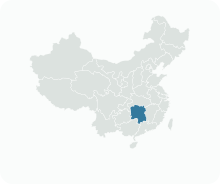
Get to know Jiangyong County
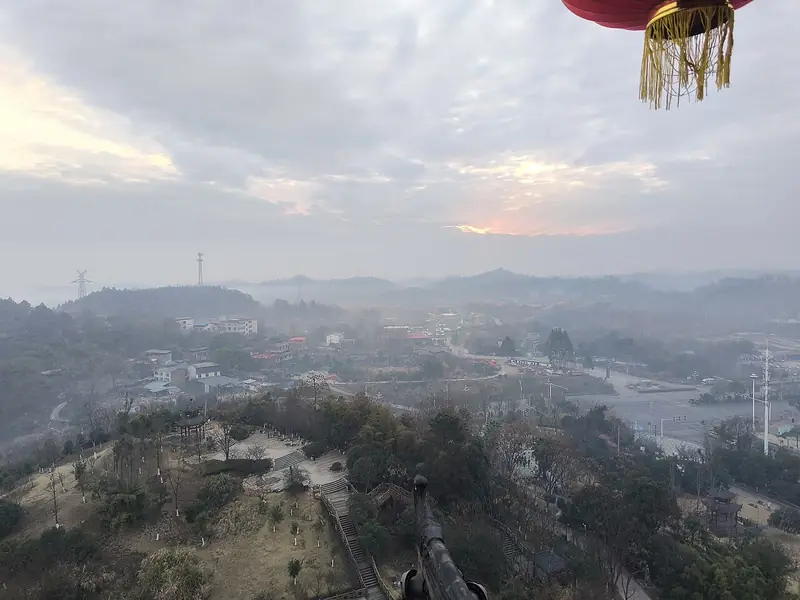
Photo adjustments
Full frame retained; EXIF orientation normalized, proportionally resized to at most 800 pixels and converted to WebP. No generated pixels or subject changes. Cards may crop the display.
- Administrative area
- County · 县
- Part of
- Yongzhou
- Chinese name
- 江永县
- Local areas
- County guide
Area & population
- Area in the source
- 1,632.62 km²
- Population · 2010
- 232,599
- Administrative seat
- Xiaopu
Source: cited geographic source, as of the dates shown.
History
The county was first set up under the Qin and was known in the past as Yongming (永明), a name set up in the Tang. The county government groups its heritage as the "three qian" (三千文化): Qianjiadong (千家峒), which it calls the place of origin and ancestral home of the Yao people; Nushu (女书), the "thousand-year riddle"; and the thousand-year-old village of Shanggantang (上甘棠).
What to see
Nushu is a script once used only by women to write the local dialect. Its use centred on Shangjiangxu (上江圩) and reached neighbouring townships of Dao County. Women wrote prayers in it on paper and fans for the goddess Powang (婆王) at her temple, also called Huashan Temple (花山庙), on the tenth day of the fifth lunar month. Women doing needlework together in one room would listen to Nushu texts being read and sung, and a girl who hoped to become sworn sisters with a friend wrote her a Nushu letter proposing it. Because women had their Nushu burned when they died, very few originals from the Qing or earlier survive. It is on the national intangible heritage list.
Shanggantang (上甘棠) stands where Xiemu County (谢沐县), founded in 111 BC, had its seat for seven hundred years. The Zhou (周) clan settled here in 828 and named the village after the "Gantang" poem of the Book of Songs (诗经). More than 200 Ming and Qing houses remain, along with the Wenchang Pavilion (文昌阁), the Buying Bridge (步瀛桥) and inscriptions at the Yuebei Pavilion (月陂亭). Among the carvings are four large characters, "loyalty, filial piety, integrity, honour" (忠、孝、廉、节), attributed to Wen Tianxiang (文天祥). The village is a national key protected site and a Chinese historic and cultural village.
Food and local products
Jiangyong's "five fragrances" (江永五香) are the fragrant pomelo, taro, ginger, rice and mushroom. The county pomelo (江永香柚) is large, from one to one and a half kilograms, pear- or gourd-shaped with pale yellow skin, and is picked from early to mid November. Besides being eaten fresh, it can be stewed with chicken or made into pomelo wine. The spongy pith is blanched and braised in chicken stock, made into pomelo-peel stuffed tofu, or chopped into dumpling filling.
Highlights
- Shanggantang Village 上甘棠村: Zhou clan village since 828, with more than 200 Ming and Qing houses; a national key protected site.
- Nushu 女书: A women's script of the Shangjiangxu area, on the national intangible heritage list.
- Qianjiadong 千家峒: Called by the county the place of origin and ancestral home of the Yao.
- Jiangyong pomelo 江永香柚: A large pear- or gourd-shaped pomelo picked from early to mid November.
Sources for this guide
走进江永 · Jiangyong County People's Government
江永县情 · Jiangyong County People's Government
千古之谜--女书 · Jiangyong County People's Government
千年古村--上甘棠 · Jiangyong County People's Government
江永香柚 · Jiangyong County People's Government
Original English written from the listed sources and checked sentence by sentence against quoted extracts by a separate reviewer. Updated 2026-09-24.
Explore Jiangyong County
Core places to explore, with English and Chinese names.
Places to explore around Jiangyong County
 Shanggantang Village · 上甘棠村
Shanggantang Village上甘棠村
Zhou-clan village in Jiangyong County, Hunan, with a stone bridge first built in 1126, a 1620 pavilion and Ming and Qing houses.
Read the place guide →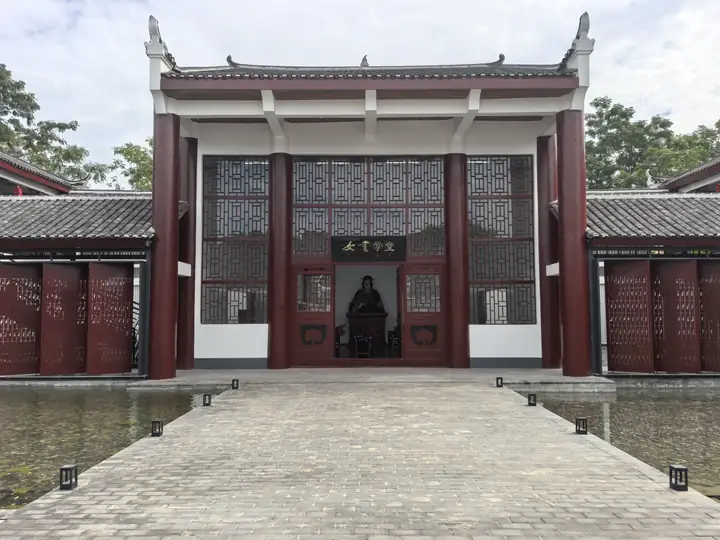 Nushu Garden · 女书园
Nushu Garden女书园
The Nüshu Garden (女书园) stands at Pumei village in Shangjiangxu Town, Jiangyong County, Yongzhou, Hunan, on a river islet ringed by water. It was built in 2002 to collect and display material on nüshu, the women's script of this corner of southern Hunan.
Read the place guide →Plan your visit
Getting there
Jiangyong County is about 130 km in a straight line from central Yongzhou. Search for 江永县 in a map app to find stations and your accommodation.
Where to stay →Build your route
Shanggantang Village and Nushu Garden are both listed here. The linked place guides have entrance and visit details.
Continue with Yongzhou →More in Yongzhou
Sources & geographic information
Administrative names and parent areas: Official geographic directory · Reference date 2026-09-06.
Photo: Shanggantang Village · Source photographer · License not provided. EXIF orientation normalized; resized without changing aspect ratio; converted to WebP. No subject edits.
Photo: Nushu Garden · Source photographer · License not provided. EXIF orientation normalized; resized without changing aspect ratio; converted to WebP. No subject edits.
Map data © OpenStreetMap contributors. Pins mark approximate centres, not entrances or boundaries.