

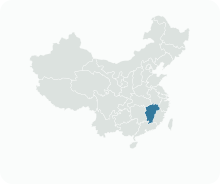
Get to know Qingyuan District
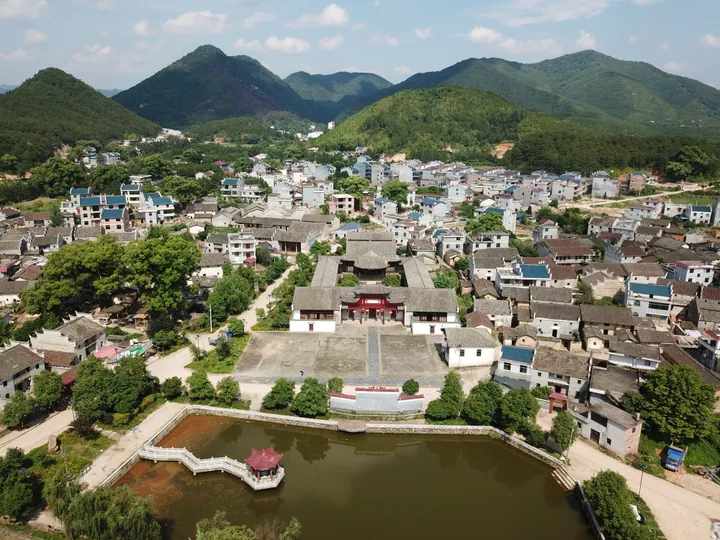
Photo adjustments
Full frame retained; proportionally resized and converted to WebP. No retouching or changes to the photographed subject. Card displays may crop the view.
- Administrative area
- District · 市辖区
- Part of
- Ji'an
- Chinese name
- 青原区
- Local areas
- District guide
Area & population
- Area in the source
- 915.00 km²
- Population · 2018
- 227,500
Source: cited geographic source, as of the dates shown.
Setting and landscape
The Gan River runs for 29.7 kilometres through the district, and the Gu River (孤江) and Fushui River (富水河) cross it; the district government counts more than 30 rivers and 54 reservoirs. Forest covers 63.8 per cent of the land. Wildlife is densest in Donggu She Ethnic Township (东固畲族乡) and Futian (富田).
History
Qingyuan was created in September 2000, when Ji'an prefecture became a city, from ten townships and farms taken from the former county-level Ji'an city and Jishui and Ji'an counties. It was the main battlefield of the first three counter-encirclement campaigns; the Donggu base (东固革命根据地) set up here was called the 'East Jinggang', and the district government says the Central Soviet Area's first bank and first red post office were created here.
What to see
Qingyuan Mountain (青原山), 6 kilometres south of the urban area, was praised by the poet Yang Wanli (杨万里) as the finest landscape in Jiangxi. Jingju Temple (净居寺) was founded in 705 as Anyin Temple and renamed by Emperor Huizong of Song; in 714 Xingsi (行思), a disciple of the Sixth Patriarch Huineng, came here and founded the Qingyuan line of Chan Buddhism. Zuguan (祖关), the third of the old gates up the mountain, carries two characters written by Yan Zhenqing (颜真卿). Wang Yangming (王阳明) and his followers lectured here from the Ming Zhengde reign; the Yangming Academy (阳明书院) was built on its present site in 1839 and restored in 2013. The scenic area became a national 4A attraction in 2014.
Meipi Village (渼陂古村) lies on the Fushui River in Wenpi town (文陂镇), 28 kilometres from the city centre. It was founded in the early Southern Song by Liang Shijie (梁仕阶), who led his clan south from Hu County in Shaanxi and named the village after a lake there. It keeps 367 Ming and Qing buildings, an old street over 900 metres long with 108 late-Qing and Republican shops, and more than 180 Red Army slogans; the Liang ancestral hall, Yongmu Hall (永慕堂), was the headquarters of the Red Fourth Army, and the 'February 7' Pitou meeting (二七陂头会议) was held here in 1930.
Food and local products
The district promotes 'six treasures'. Zhidao fragrant rice (蜘稻香米) is grown with spiders instead of chemical pesticides. The others are Donggu lotus-seed drink (东固莲子汁); Qingyuan black fungus, grown in winter in idle farmland by the Fushui River; Jinggang Golden Bud tea (井冈黄金芽) from gardens at 760 metres in Donggu; Laojiefu (老介福) pastries; and sweet potato strips steamed and baked three times each (青原倒蒸红薯干).
Highlights
- Jingju Temple 净居寺: Founded in 705; where Xingsi founded the Qingyuan line of Chan Buddhism in 714.
- Yangming Academy 阳明书院: Built on its present site on Qingyuan Mountain in 1839, restored in 2013.
- Meipi Village 渼陂古村: Southern Song clan village with 367 Ming and Qing buildings and the Red Fourth Army headquarters in Yongmu Hall.
- Jinggang Golden Bud tea 井冈黄金芽: Tea from gardens at 760 metres in Donggu She Ethnic Township.
- Double-steamed sweet potato strips 青原倒蒸红薯干: Sweet potato steamed and baked three times each.
Sources for this guide
江西省吉安市青原区人民政府_自然资源 · Qingyuan District People's Government, Ji'an
江西省吉安市青原区人民政府_红色故土 · Qingyuan District People's Government, Ji'an
江西省吉安市青原区人民政府_青原特产 · Qingyuan District People's Government, Ji'an
江西省吉安市青原区人民政府_青原山景区 · Qingyuan District Culture, Radio, Television and Tourism Bureau (on the district government portal)
江西省吉安市青原区人民政府_渼陂古村 · Qingyuan District Culture, Radio, Television and Tourism Bureau (on the district government portal)
青原区 - 维基百科,自由的百科全书 · Wikipedia (Chinese) · CC BY-SA 4.0
Original English written from the listed sources and checked sentence by sentence against quoted extracts by a separate reviewer. Updated 2026-09-25.
Explore Qingyuan District
Core places to explore, with English and Chinese names.
Places to explore around Qingyuan District
 Meibei Old Village (渼陂古村), Qingyuan District. Photograph: "Ji".
Meibei Old Village渼陂古村
Meibei (渼陂古村) is an old village at Wenbi town in Qingyuan District, Ji'an, Jiangxi, built by the Liang lineage from the early Southern Song and preserved as one of the most complete groups of Gan-style architecture in the province.
Read the place guide →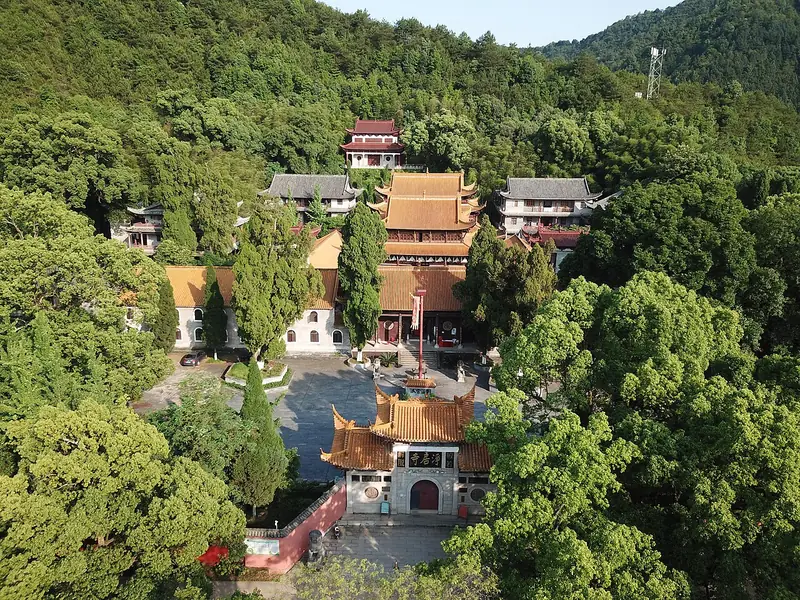 Qingyuan Mountain Jingju Temple (青原山净居寺), Qingyuan District. Photograph: "Ji".
Qingyuan Mountain Jingju Temple青原山净居寺
Jingju Temple (青原山净居寺) is a Chan Buddhist monastery on Qingyuan Mountain in Qingyuan District, Ji'an, Jiangxi, founded by the monk Xingsi and regarded as the ancestral seat of the Qingyuan line of Chan.
Read the place guide →Plan your visit
Getting there
Qingyuan District is about 5 km in a straight line from central Ji'an. Search for 青原区 in a map app to find stations and your accommodation.
Where to stay →Build your route
Meibei Old Village and Qingyuan Mountain Jingju Temple are both listed here. The linked place guides have entrance and visit details.
Continue with Ji'an →More in Ji'an
Sources & geographic information
Administrative names and parent areas: Official geographic directory · Reference date 2026-09-06.
Some facts checked against 青原区 — Wikipedia contributors, CC BY-SA 4.0.
Photo: Meibei Old Village · Zhangzhugang · CC BY-SA 4.0. Full frame retained; EXIF orientation normalized, proportionally resized to at most 800 pixels and converted to WebP. No generated pixels or subject changes. Cards may crop the display.

Photo: Qingyuan Mountain Jingju Temple · Zhangzhugang · CC BY-SA 4.0. Full frame retained; EXIF orientation normalized, proportionally resized to at most 800 pixels and converted to WebP. No generated pixels or subject changes. Cards may crop the display.

Map data © OpenStreetMap contributors. Pins mark approximate centres, not entrances or boundaries.