


Get to know Jingyang District
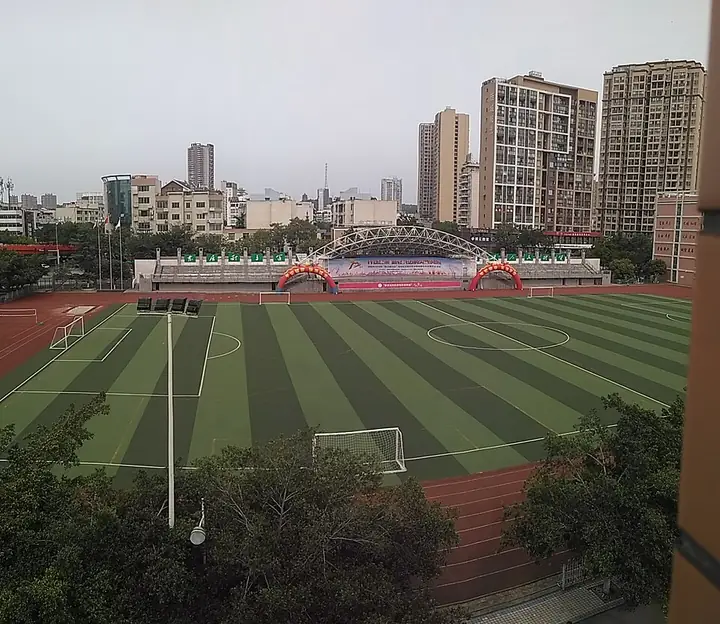
Photo adjustments
Full-frame source proportionally resized and converted to WebP for display. No subject alteration. Source-supplied marks and edits remain; cards may crop the view.
- Administrative area
- District · 市辖区
- Part of
- Deyang
- Chinese name
- 旌阳区
- Local areas
- District guide
Area & population
- Area in the source
- 684.00 km²
- Population · 2020
- 828,189
- Administrative seat
- Jingdong Subdistrict
Source: cited geographic source, as of the dates shown.
Deyang Confucian Temple
Deyang Confucian Temple (德阳文庙) was founded in 1206, during the Southern Song dynasty, originally east of the city. After falling into disrepair, it was rebuilt at its present South Street (南街) location in 1368. The State Council designated it a national key cultural-relic protection site in June 2001.
Square and riverfront
Confucian Temple Square (文庙广场) lies south of the temple. Formerly called Red Flag Square (红旗广场), it received its present name in 2003. Jing Lake (旌湖) is the name for the river’s urban reach; sightseeing and leisure promenades extend for about 15 kilometres in total along its two banks.
Explore Jingyang District
Core places to explore, with English and Chinese names.
Places to explore around Jingyang District
 Dacheng Hall and its courtyard at Deyang Confucian Temple, July 2015.
Plan your visit
Getting there
Jingyang District covers the centre of Deyang. Search for 旌阳区 in a map app to find stations and your accommodation.
Where to stay →Build your route
Start with Deyang Confucian Temple. The linked place guides have entrance and visit details.
Continue with Deyang →More in Deyang
Sources & geographic information
Administrative names and parent areas: Official geographic directory · Reference date 2026-09-06.
Photo: Deyang Confucian Temple · Nekitarc · CC BY-SA 4.0. Proportionally resized and converted to WebP without cropping, retouching or changing the photographed subject.

Map data © OpenStreetMap contributors. Pins mark approximate centres, not entrances or boundaries.