


Get to know Namasia District
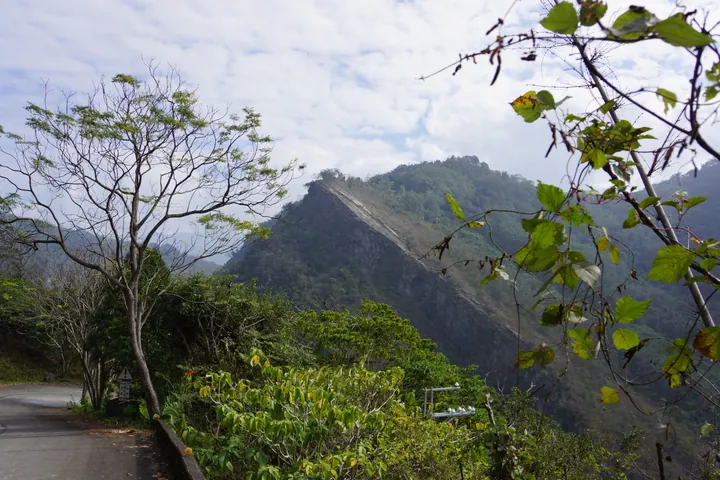
Photo adjustments
Full frame retained; proportionally resized and converted to WebP. No retouching or changes to the photographed subject. Card displays may crop the view.
- Administrative area
- District · 區
- Part of
- Kaohsiung City
- Chinese name
- 那瑪夏區
- Local areas
- District guide
Name and ceremonies
National Sun Yat-sen University (國立中山大學) recounts a Kanakanavu legend in which a young man named Masia (瑪夏) saves his people. The name Namasia honours him by adding “Na” to his name. Local ceremonies include the Bunun Ear-shooting Festival (射耳祭), Kanakanavu River Festival (河祭) and Mikong Festival (米貢祭), and Hla’alua Sacred Shell Festival (聖貝祭).
Farms and fireflies
Fragmented farmland supports a varied range of crops, including peaches, aiyu (愛玉), plums, including red-fleshed varieties, Jinhuang mangoes (金煌芒果) and mountain tea. Coffee is also grown. Fireflies become especially abundant in April and May, making their habitats a focus of local nature tourism.
Sources for this guide
高雄市地方創生概況 – 國立中山大學社會實踐網 · National Sun Yat-sen University
Original English written from the listed sources and checked sentence by sentence against quoted extracts by a separate reviewer. Updated 2026-09-27.
Explore Namasia District
Core places to explore, with English and Chinese names.
Namasia District 那瑪夏區
Plan your visit
Getting there
Namasia District is about 85 km in a straight line from central Kaohsiung City. Search for 那瑪夏區 in a map app to find stations and your accommodation.
Where to stay →More in Kaohsiung City
Sources & geographic information
Administrative names and parent areas: Official geographic directory · Reference date 2026-09-06.
Map data © OpenStreetMap contributors. Pins mark approximate centres, not entrances or boundaries.