


Get to know Qimen County
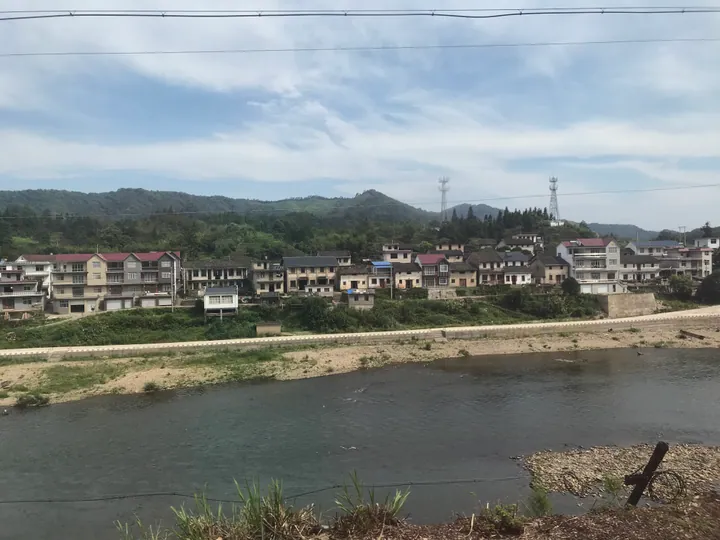
Photo adjustments
Full frame retained; proportionally resized and converted to WebP. No retouching or changes to the photographed subject. Card displays may crop the view.
- Administrative area
- County · 县
- Part of
- Huangshan
- Chinese name
- 祁门县
- Local areas
- County guide
Area & population
- Area in the source
- 2,257.00 km²
- Population · 2020
- 145,644
- Administrative seat
- Qishan Town
Source: cited geographic source, as of the dates shown.
History
Qimen became a county in 762, under the Tang, when it belonged to Shezhou (歙州); from the Song it was part of Huizhou prefecture (徽州府). The name joins Mount Qi (祁山), north-east of the town, and Changmen (阊门) to the south-west. In the 1860s Zeng Guofan (曾国藩) kept his army headquarters here.
Under the Ming Wanli reign, Zheng Zhizhen (郑之珍) of Qingxi in Qimen wrote the play text of Mulian Rescues His Mother, and Huizhou Mulian opera (徽州目连戏) spread from here to neighbouring counties. Most troupes were organised by clan, with all members drawn from one lineage, and players worked acrobatics such as rope-walking and leaping through fire into the fighting scenes. In Luxi village (芦溪村), the Qimen nuo dance (祁门傩舞) is still performed from the second day of the lunar new year: masked dancers in dragon robes walk through the village, accompanied only by gongs and drums.
Food and local products
Keemun black tea, or Qimen hongcha (祁门红茶, "Qihong"), was first made in 1876 and won a gold medal at the 1915 Panama-Pacific exposition; China's intangible-heritage register calls it the only black tea among China's ten famous teas. Traditional Qihong is made by hand: withering, rolling, fermenting and drying, then sifting, cutting, winnowing, picking over, re-firing and blending. The finished tea is dark and glossy with tight, fine strands, brews a bright red liquor, and is prized for a scent tea tasters call "sugar" or "apple", with a hint of orchid. Its making technique has been a national intangible heritage item since 2008. Qimen also produces An tea (安茶), a Chinese geographical-indication product.
What to see
Eleven old opera stages, all inside clan ancestral halls, were listed together in 2006 as a national protected site, the Qimen Ancient Stages (祁门古戏台): eight in Xin'an (新安乡) and three in Shanli (闪里镇). Hong Family Mansion (洪家大屋), used as Zeng Guofan's field headquarters, is also a national protected site.
Guniujiang (牯牛降), on the border with Shitai County (石台县), is the main body of the Huangshan range where it runs west; its highest peak reaches 1,728 metres, and it lies about 65 kilometres from the county town. The county is one of Anhui's key forestry counties, with forest cover of 85.78 per cent.
Highlights
- Keemun black tea 祁门红茶: First made in 1876; its making technique has been a national intangible heritage item since 2008.
- Qimen Ancient Stages 祁门古戏台: Eleven ancestral-hall opera stages listed as a national protected site in 2006.
- Guniujiang 牯牛降: Mountain area on the Shitai border, highest peak 1,728 metres.
- Qimen nuo dance 祁门傩舞: Masked new-year ritual dance of Luxi village, a national intangible heritage item since 2008.
Sources for this guide
祁门县 - 维基百科,自由的百科全书 · Wikipedia (Chinese) · CC BY-SA 4.0
红茶制作技艺(祁门红茶制作技艺) - 中国非物质文化遗产网 · China Intangible Cultural Heritage Network (ihchina.cn)
傩舞(祁门傩舞) - 中国非物质文化遗产网 · China Intangible Cultural Heritage Network (ihchina.cn)
目连戏(徽州目连戏) - 中国非物质文化遗产网 · China Intangible Cultural Heritage Network (ihchina.cn)
牯牛降 - 维基百科,自由的百科全书 · Wikipedia (Chinese) · CC BY-SA 4.0
祁门古戏台 - 维基百科,自由的百科全书 · Wikipedia (Chinese) · CC BY-SA 4.0
Original English written from the listed sources and checked sentence by sentence against quoted extracts by a separate reviewer. Updated 2026-09-25.
Explore Qimen County
Core places to explore, with English and Chinese names.
Places to explore around Qimen County
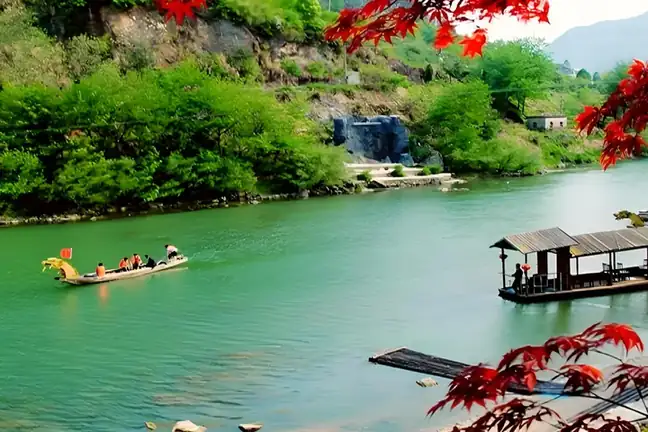 Guniujiang Guanyintang Scenic Area ·
 Local life & food
Qimen County local specialties
祁门县特色美食 · 1 specialties to discover
 Qimen Zhonghe soup 祁门中和汤AI dish illustration / AI 菜品示意图
Expect a gentle, savoury soup with soft tofu and more resilient chopped additions. It is less heavy than a deep-fried course.
Source ↗Read the dish guide →All dish names · 全部菜名 (1)
More dishes from across Anhui are in the Anhui food guide.
Plan your visit
Getting there
Qimen County is about 60 km in a straight line from central Huangshan. Search for 祁门县 in a map app to find stations and your accommodation.
Where to stay →Build your route
Start with Guniujiang Guanyintang Scenic Area. The linked place guides have entrance and visit details.
Continue with Huangshan →More in Huangshan
Sources & geographic information
Administrative names and parent areas: Official geographic directory · Reference date 2026-09-06.
Some facts checked against 祁门县 — Wikipedia contributors, CC BY-SA 4.0.
Some facts checked against 牯牛降 — Wikipedia contributors, CC BY-SA 4.0.
Some facts checked against 祁门古戏台 — Wikipedia contributors, CC BY-SA 4.0.
Photo: Guniujiang Guanyintang Scenic Area · Source photographer · License not provided. EXIF orientation normalized; resized without changing aspect ratio; converted to WebP. No subject edits.
Map data © OpenStreetMap contributors. Pins mark approximate centres, not entrances or boundaries.