

Discover Chinese food
Local dishes, ingredients and the stories behind them.
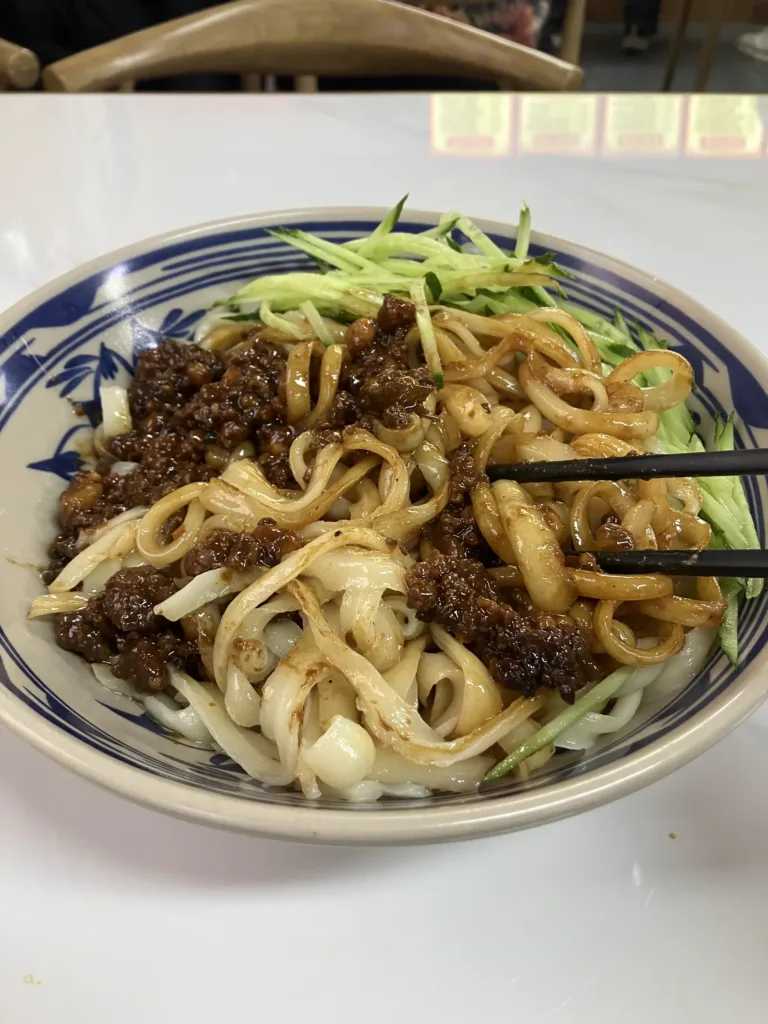
Zhajiangmian 炸酱面
Zhajiangmian (炸酱面) is a Beijing-style bowl of cooked wheat noodles, a spoonful of dark fried sauce, and fresh or blanched vegetable accompaniments. Diners mix the parts themselves, balancing the savoury sauce with crisp cucumber, sprouts or other seasonal càimǎ toppings.
Read dish guide →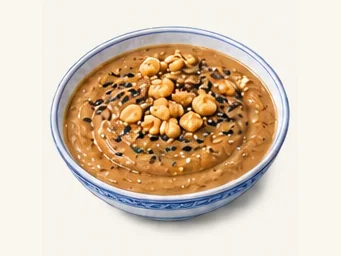
Toasted-flour cereal 油炒面
Youchaomian (油炒面) is a Beijing-associated warm snack made by slowly toasting flour, blending it with fat and often sesame or chopped nuts, then whisking a portion with boiling water into a thick, spoonable paste. Sweetened with sugar and sometimes scented with osmanthus, it tastes of roasted flour and toasted seeds; recipes differ in their fat, garnishes and degree of sweetness.
AI illustration · AI 示意图
Read dish guide →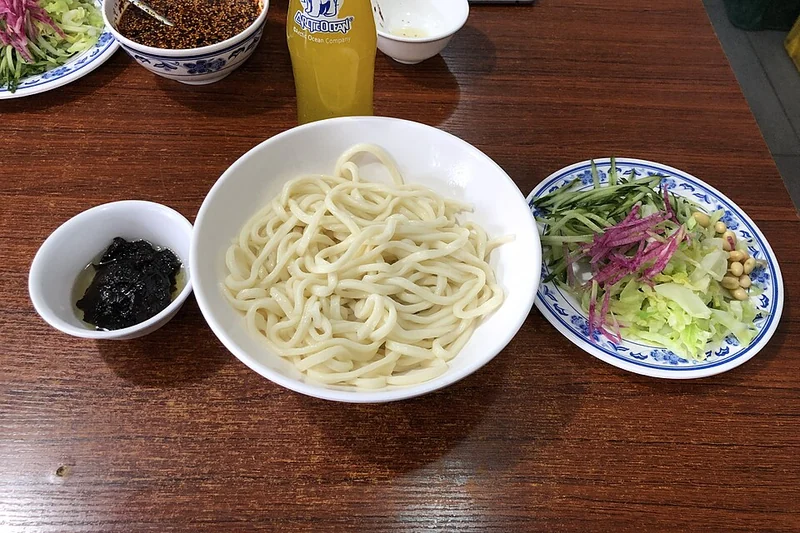
Old Beijing Noodles with Fried Bean Sauce 老北京炸酱面
Chewy noodles carry a strongly savoury sauce. Mixing the crisp vegetables through the bowl spreads that intensity rather than leaving one very salty mouthful at the top.
Read dish guide →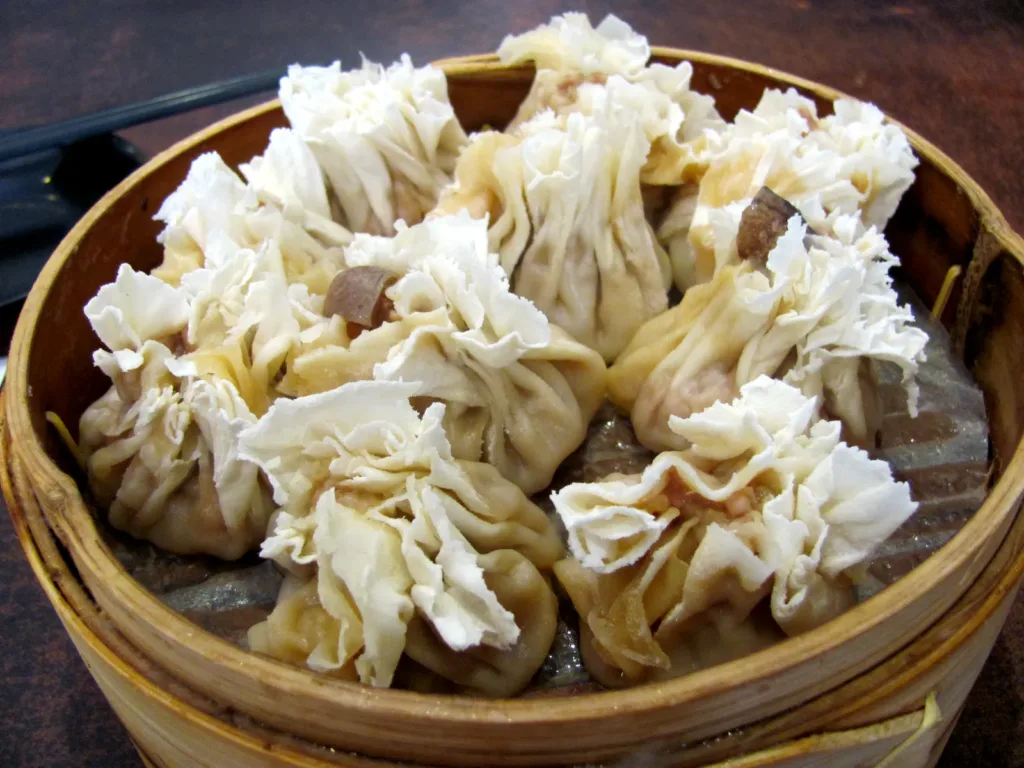
Duyichu Shaomai Dumplings 都一处烧麦
Duyichu shaomai (都一处烧麦) is the signature steamed dumpling craft of a historic Beijing restaurant. Its thin, open-topped wrapper is pleated into a flower-like, wheat-ear rim around juicy meat, vegetable, or seafood fillings. The documented menu tradition changes with the seasons.
Read dish guide →
Goubuli buns 狗不理包子
Expect a savory, juicy center and a substantial but tender skin. Quality depends on the particular kitchen and the freshness of the basket.
Read dish guide →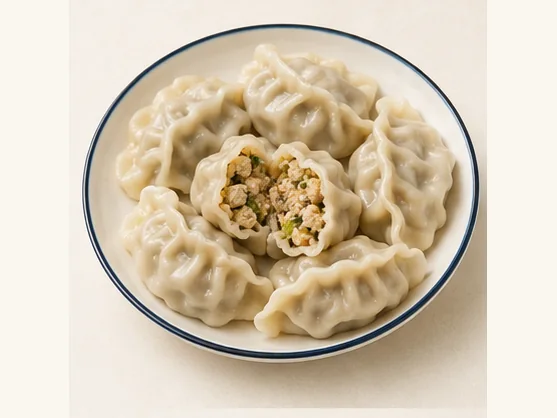
Tianjin festive vegetable dumplings 天津素饺子
Expect a moist, savoury filling rather than plain steamed vegetables. Sesame paste adds body, fermented bean curd brings depth, and the different chopped ingredients make the texture more varied than a smooth mashed filling.
AI dish illustration / AI 菜品示意图
Read dish guide →
Tianjin Sesame and Fermented-Tofu Dumplings 津味素饺
Fermented bean curd supplies a salty, developed flavour, while sesame paste adds a rounded roasted aroma. To understand the version on a menu, ask which chopped vegetables and other filling ingredients accompany that seasoning. The same local flavour family can appear in buns, but a steamed bun and a dumpling have different wrappers and serving forms. Specify 饺子 if that is what you want. For a first taste, try the dumpling before adding a strong dipping sauce so the filling remains easy to distinguish. Confirm sesame, soy and wheat ingredients, and ask the maker about any egg or seafood if avoiding them.
AI dish illustration / AI 菜品示意图
Read dish guide →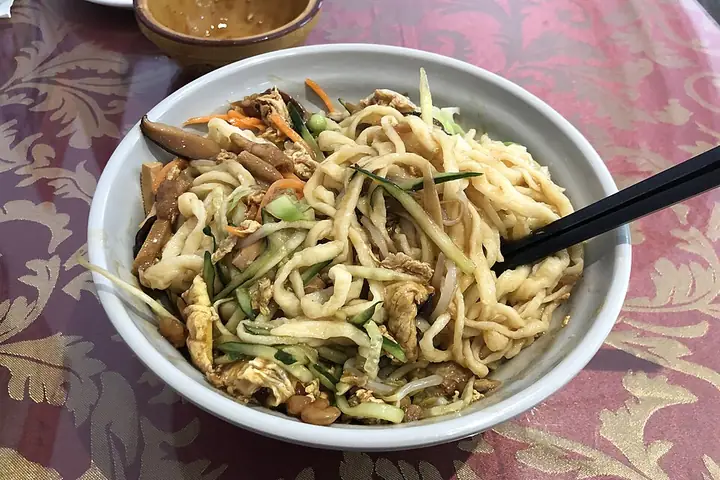
Tianjin Noodles with Savoury Gravy 天津卫打卤面
Noodles provide the base, the thickened topping carries much of the seasoning, and vegetable accompaniments can add a fresher bite. The photo selected for this page is a Tianjin three-delicacies version; sanxian is a menu category whose particular combination still needs confirmation. When ordering, ask what is in that day’s gravy and whether the vegetables arrive separately, so you can judge the whole serving before mixing it. Explain shellfish, egg or other ingredient restrictions specifically. Wheat gluten in a topping is an additional component, distinct from the noodle strands themselves, and a meat-free-looking gravy may still have an animal-based stock.
Read dish guide →
Baiyunzhang-style buns 白运章包子
A thin, tender wrapper surrounds a generous savory filling, with sesame fragrance and rich meat juices. The contrast is filling-led rather than bread-heavy.
AI dish illustration · AI 菜品示意图
Read dish guide →
Zhonghexuan steamed dumplings 中和轩蒸饺
Expect a tender, slightly elastic skin and moist filling, with meat and aromatics determining the final flavor.
AI illustration · AI 示意图
Read dish guide →
Wuji pressed noodles 无极饸饹
Pressed noodles have a sturdy, satisfying bite and carry sauce well along their rounded surfaces. Their flavor depends heavily on the flour mixture and accompanying soup.
AI illustration · AI 示意图
Read dish guide →
Shangyi translucent dumplings 尚义玻璃饺子
The wrapper is supple and slightly elastic, creating a different bite from an opaque wheat dumpling. The center provides most of the seasoning and richness.
AI illustration · AI 示意图
Read dish guide →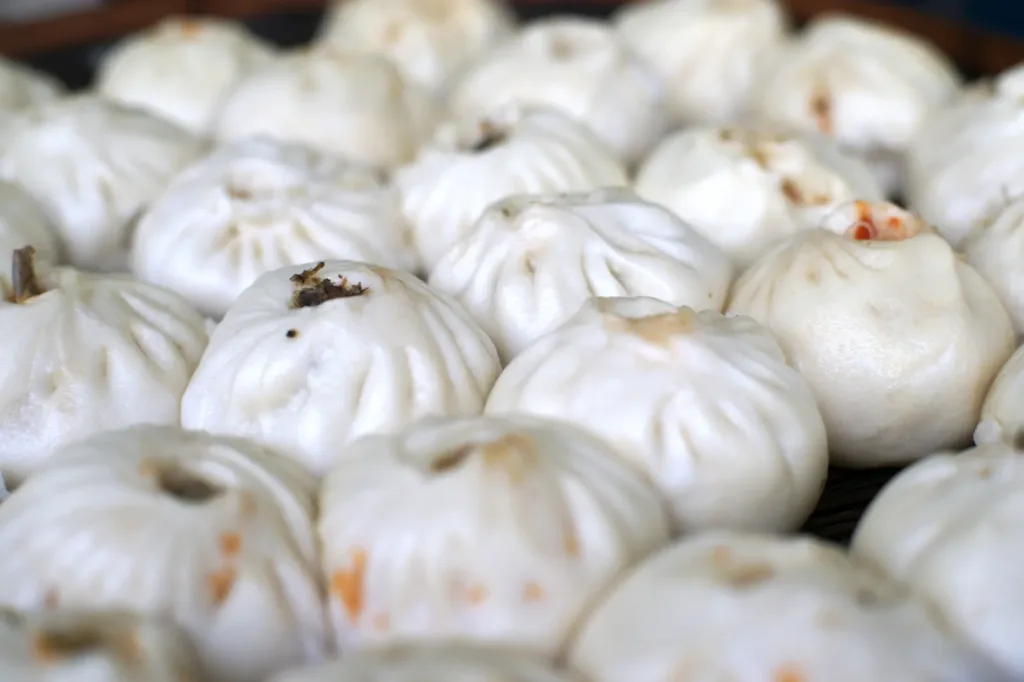
Chengde pine-twig steamed buns 承德松枝包子
Chengde's Songzhi baozi is a filled wheat bun in the Chengde food repertoire. Its defining detail is the use of pine twigs beneath the buns during steaming, replacing a cloth liner in the maker account; the twigs are a steaming surface rather than an edible garnish, and the filling is not one city-wide fixed recipe.
Read dish guide →
Gaocheng Palace Noodles 藁城宫面
Gaocheng Palace Noodles (藁城宫面) are very fine, hollow dried wheat noodles made in Gaocheng district (藁城区) of Shijiazhuang (石家庄), Hebei.
AI illustration · AI 示意图(仅供参考,非实拍)
Read dish guide →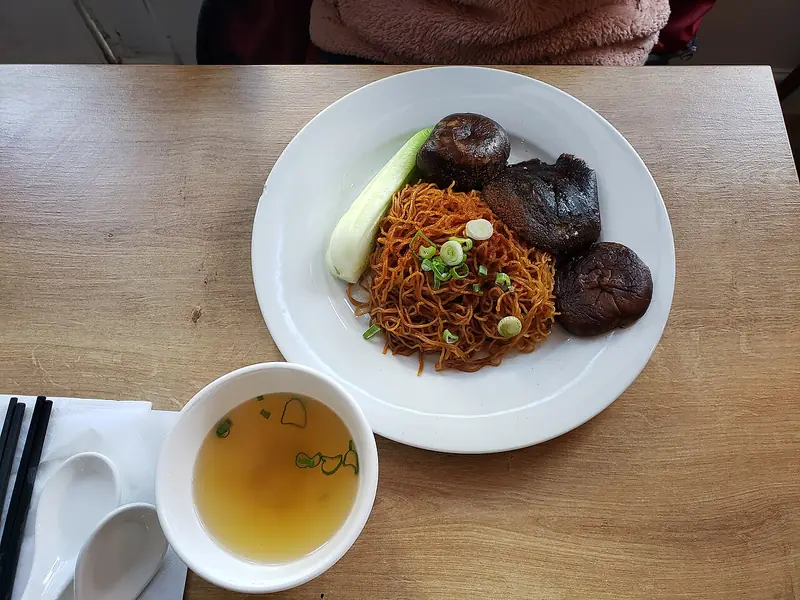
Ledou Noodles 饹豆捞面
Ledou Noodles (饹豆捞面) is listed among the local specialties of Tangshan, Hebei. The term 面 points to noodles or flour-based food.
Reference photo of a similar dish · 同类菜品参考照片
Read dish guide →
Sitiao Steamed Buns 四条包子
Sitiao Steamed Buns (四条包子) are pork-filled buns from Shanhaiguan (山海关), distinguished by juicy filling and a wrapper made from partly risen dough. The shop opened in 1958.
Reference photo of a similar dish · 同类菜品参考照片
Read dish guide →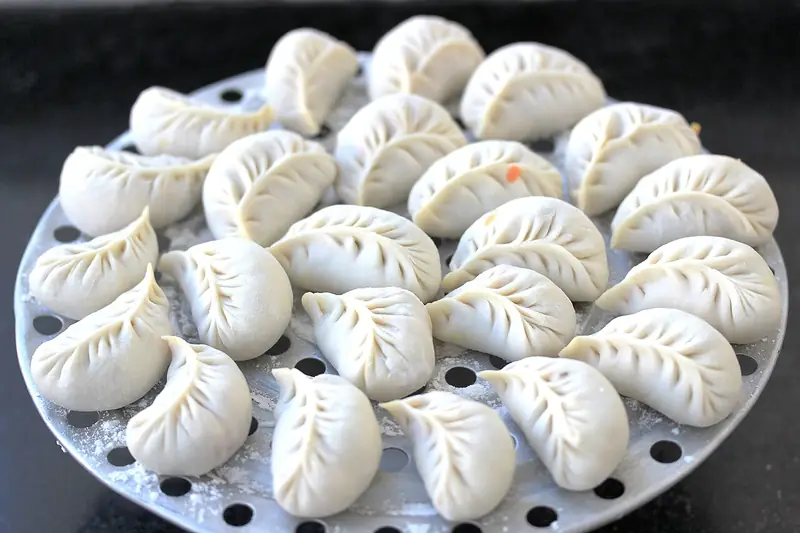
Changli Zhaojiaguan Dumplings 昌黎赵家馆饺子
Changli Zhaojiaguan Dumplings (昌黎赵家馆饺子) are the basket-steamed dumplings of the Zhaojiaguan (赵家馆) restaurant, from the county town of Changli (昌黎), Qinhuangdao, Hebei.
Reference photo of a similar dish · 同类菜品参考照片
Read dish guide →
Seafood Steamed Dumplings 海鲜蒸饺
Seafood Steamed Dumplings (海鲜蒸饺) in Qinhuangdao (秦皇岛) are known locally as haixian daxian (海鲜大馅), "big seafood filling", and the city's own news site calls them Qinhuangdao's landmark food.
AI illustration · AI 示意图(仅供参考,非实拍)
Read dish guide →Wu'an Hand-Pulled Noodles 武安拽面
Wu'an Hand-Pulled Noodles (武安拽面), zhuaimian in Chinese, are the pulled noodles of Wu'an (武安) in Handan (邯郸), Hebei.
AI illustration · AI 示意图(仅供参考,非实拍)
Read dish guide →Hei Family Dumplings 黑家饺子
Hei Family Dumplings (黑家饺子) are boiled mutton dumplings folded into the shape of an ingot (元宝), a traditional speciality of Xingtai (邢台) in Hebei with a history of nearly a hundred years.
Reference photo of a similar dish · 同类菜品参考照片
Read dish guide →Imperial Buckwheat Noodles 御拨面
Imperial Buckwheat Noodles (御拨面), also called Yibaijiazi Bo Yumian (一百家子拨御面), are the hand-cut buckwheat noodles associated with Zhangsanying Town (张三营镇) in Longhua County, Chengde. White buckwheat dough is shaped into fine triangular-prism strands with a double-handled noodle knife, then served with a savoury chicken-stock gravy, pork, hazel mushrooms and wood ear fungus.
AI illustration · AI 示意图(仅供参考,非实拍)
Read dish guide →Gucheng Dragon-and-Phoenix Tribute Noodles 故城龙凤贡面
Gucheng Dragon-and-Phoenix Tribute Noodles (故城龙凤贡面) are hand-pulled dried noodles from Gucheng County (故城县) in Hengshui (衡水), Hebei, made mainly in Gucheng town (故城镇).
AI illustration · AI 示意图(仅供参考,非实拍)
Read dish guide →Fucheng Noodles with Rich Gravy 阜城全卤面
Fucheng Noodles with Rich Gravy (阜城全卤面) are hand-rolled noodles from Fucheng County (阜城县) in Hengshui (衡水), Hebei.
AI illustration · AI 示意图(仅供参考,非实拍)
Read dish guide →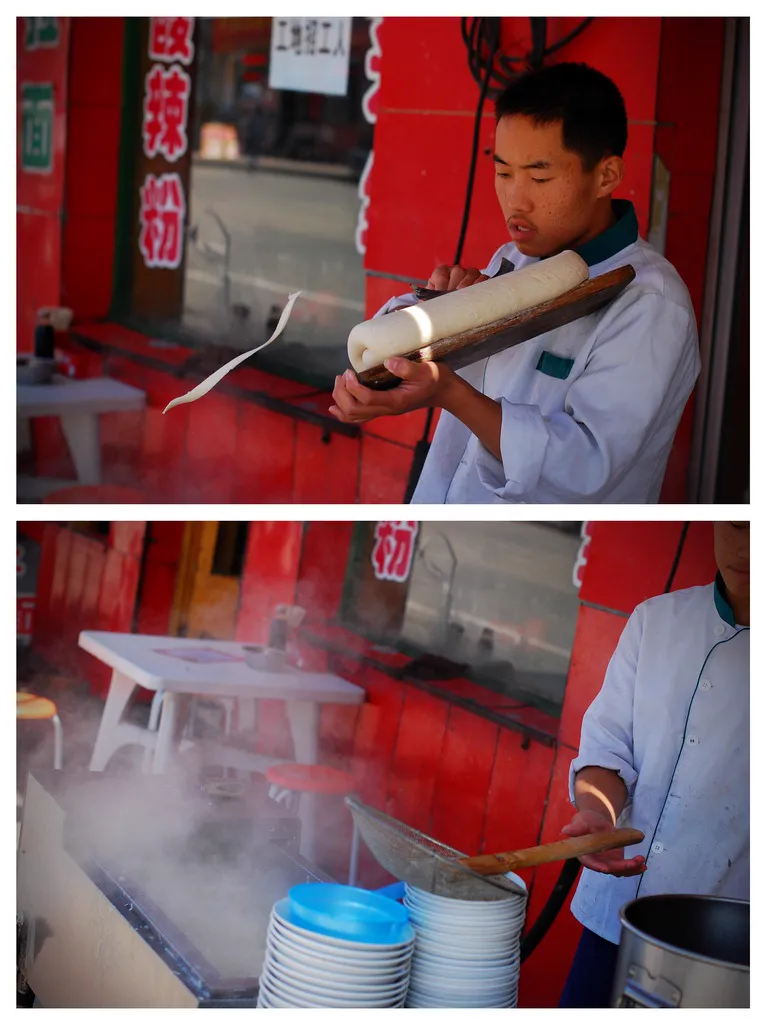
Knife-shaved noodles 刀削面
Knife-shaved noodles (刀削面, dāoxiāomiàn) are a Shanxi wheat-noodle style also listed in Datong’s local dining guide. Their defining feature is the making: a firm block of dough is shaved straight into boiling water, leaving irregular edges that hold broth. Datong has a documented local “Datong knife-shaved noodles” production standard, but the dish is a wider Shanxi tradition rather than a Datong-only recipe.
Read dish guide →Food stories

Food articles are in progress
Long-form food stories for this topic are being written. Until then, browse the dish guides above or see all Chinese food guides.