

Discover Chinese food
Local dishes, ingredients and the stories behind them.
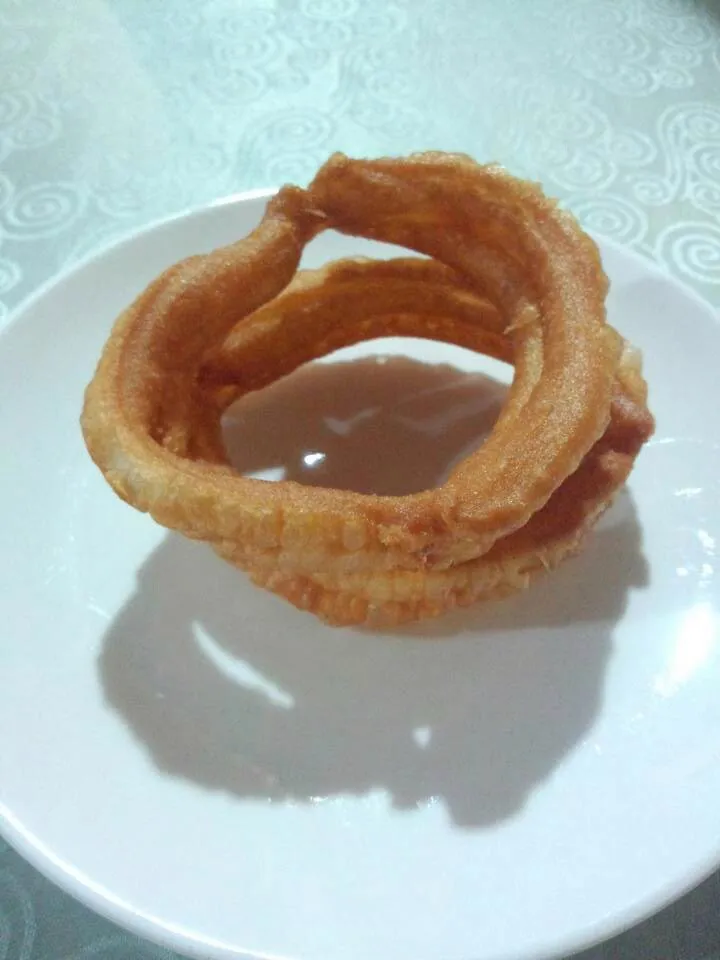
Jiaoquan 焦圈
Jiaoquan (焦圈) is a thin, deeply fried wheat-dough ring associated with Beijing breakfast stalls. Its dark-golden, open shape is made for a brittle crunch; people eat it with fermented mung-bean drink (douzhi), tuck it into a sesame flatbread, or simply snack on it.
Read dish guide →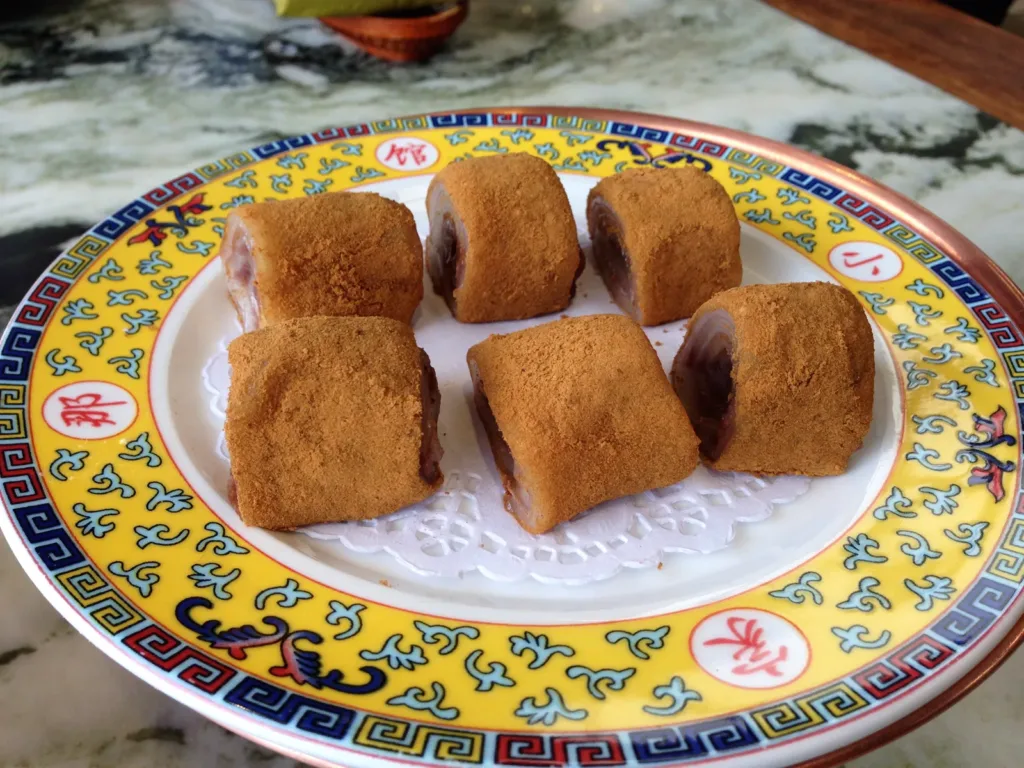
Soybean-dusted rice rolls 驴打滚
Ludagun (驴打滚) is a Beijing-associated sweet roll made by wrapping red-bean filling in steamed sticky-grain dough, then coating the roll in toasted soybean flour and cutting it into pieces. Its signature contrast is a fragrant, lightly dry soybean coating around a soft, chewy wrapper and smooth, sweet filling.
Read dish guide →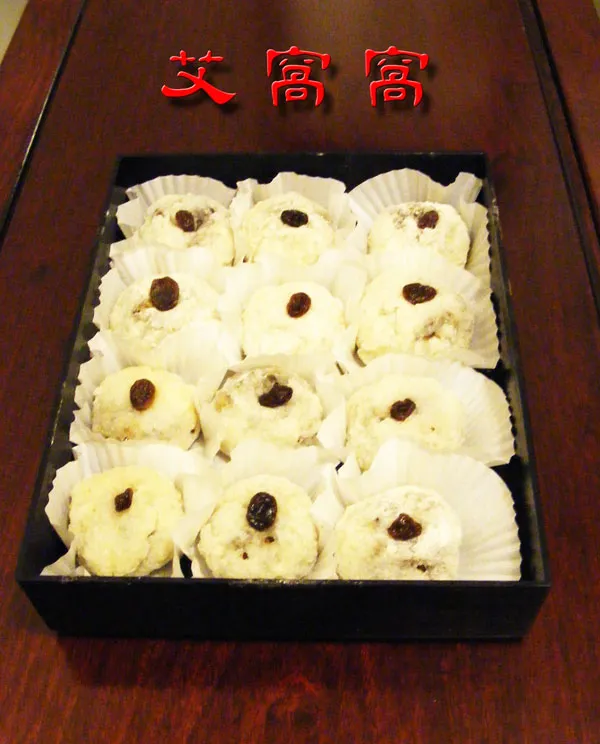
Aiwowo rice balls 艾窝窝
Aiwowo (艾窝窝) is a Beijing traditional sweet made with a tender, chewy glutinous-rice wrapper around a sweet filling. Nuts and seeds, sugar, and fruit or hawthorn cake can make the center fragrant, crunchy, or pleasantly tart; recipes and finishes vary by maker.
Read dish guide →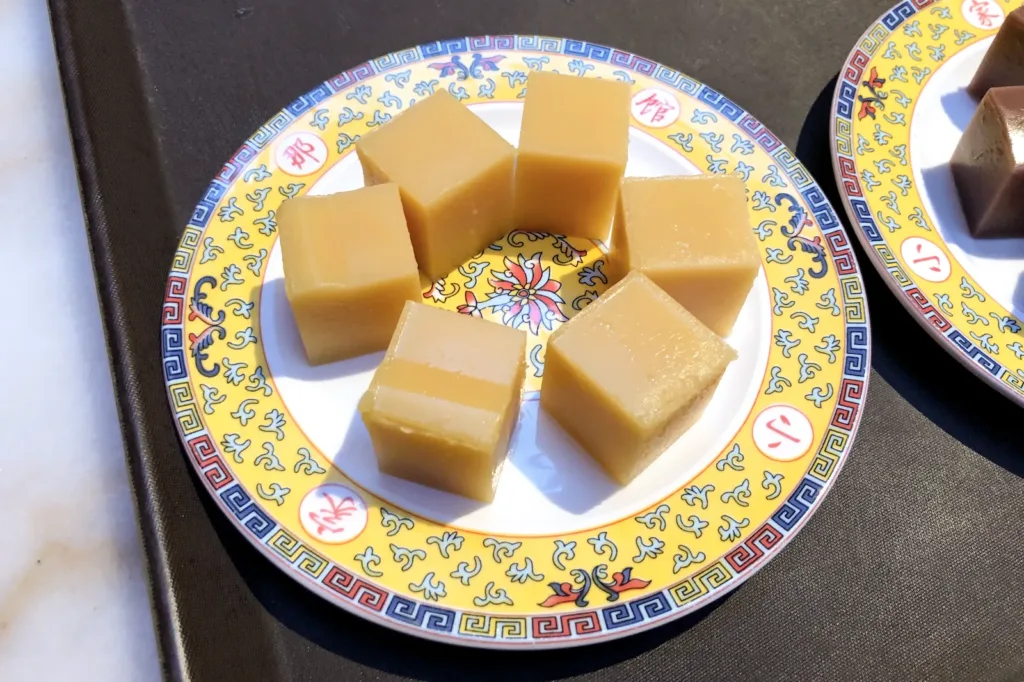
Pea-flour pudding 豌豆黄
Wandouhuang (豌豆黄) is a pale-yellow Beijing snack made by cooking peas until soft, working them into a fine paste, sweetening and setting the mixture, then cutting it into small pieces. It is known for a gentle sweetness and a cool, smooth, delicate texture; folk and refined court-style versions differ in finish and additions.
Read dish guide →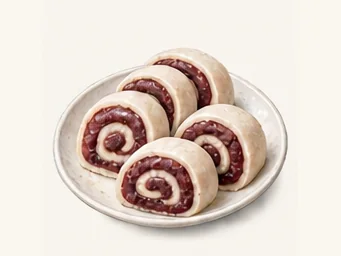
White-bean rolls 芸豆卷
Yundou juan (芸豆卷) is a Beijing-associated sweet made by shaping a soft, pale paste of cooked white kidney beans around a sweeter filling, then slicing it into small rolls. Red-bean paste is a common center; the delicate bean layer and the darker, sweeter swirl make each bite mild outside and richer in the middle.
AI illustration · AI 示意图
Read dish guide →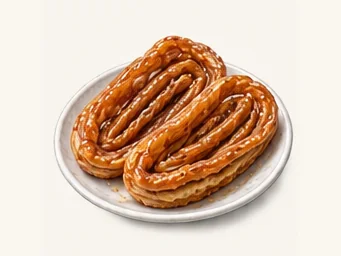
Honey-dipped ear pastries 糖耳朵
Sugar-ear pastry (糖耳朵), also called 蜜麻花, is a Beijing-associated, ear-shaped fried pastry made from layered fermented wheat dough and a brown-sugar layer, then soaked in warm malt syrup until glossy, soft and sweet. Its name means “sugar ear”; the shape, rather than a crisp shell or a honey-only glaze, is the defining cue.
AI illustration · AI 示意图
Read dish guide →
Walnut cream dessert 核桃酪
核桃酪 (hétao lào) is a traditional Beijing-associated sweet, usually a thick, spoonable blend of ground walnuts, glutinous rice and dates, sweetened to taste. Its pale grey-beige to faintly reddish colour, smooth body and nutty, gently fruity flavour make it a warming dessert rather than a crunchy walnut dish. Recipes and thickness vary; ask whether a serving contains milk.
AI illustration · AI 示意图
Read dish guide →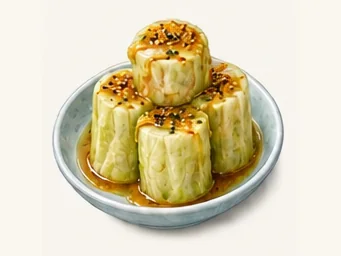
Mustard-dressed cabbage rolls 芥末墩
芥末墩 (jièmo dūn) is a Beijing-associated cold cabbage dish built around compact pieces of Chinese cabbage and a nose-tingling mustard dressing. Vinegar, salt and often sugar balance the pungency; recipes differ in whether the cabbage is lightly blanched or salted and rested, and in how long it sits before serving.
AI illustration · AI 示意图
Read dish guide →
Sweet yam-and-date rolls 糖卷果
Tang juan guo (糖卷果) is a Beijing-associated sweet made by steaming a yam-and-jujube mixture into a roll, slicing and frying it, then coating the pieces in osmanthus sugar syrup. Expect a browned outside, a soft, dense centre and a sticky, fragrant finish; sesame and tart fruit pieces may add contrast. Recipes vary by kitchen.
AI illustration · AI 示意图
Read dish guide →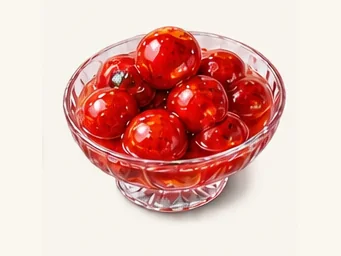
Hawthorn in syrup 炒红果
Chao hongguo (炒红果) is a Beijing-associated sweet of hawthorn fruit gently simmered with sugar and water. The fruit stays in recognizable pieces, with a glossy red finish and a sharp-sweet, soft bite; it is quite different from the brittle sugar shell on tanghulu.
AI illustration · AI 示意图
Read dish guide →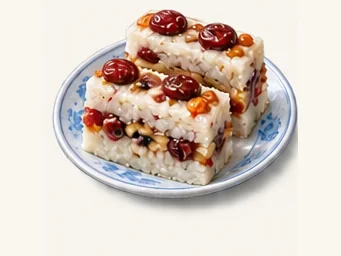
Sliced sticky-rice cake 切糕
Beijing qiegao (切糕), also called jiangmi qiegao (江米切糕), is a dense, slice-to-order sticky-rice cake found among the city’s traditional snacks. Depending on the maker, steamed sticky rice or rice flour is layered with red dates or sweet bean filling; expect a tender, chewy bite rather than the nut-and-syrup confection also called qiegao elsewhere in China.
AI illustration · AI 示意图
Read dish guide →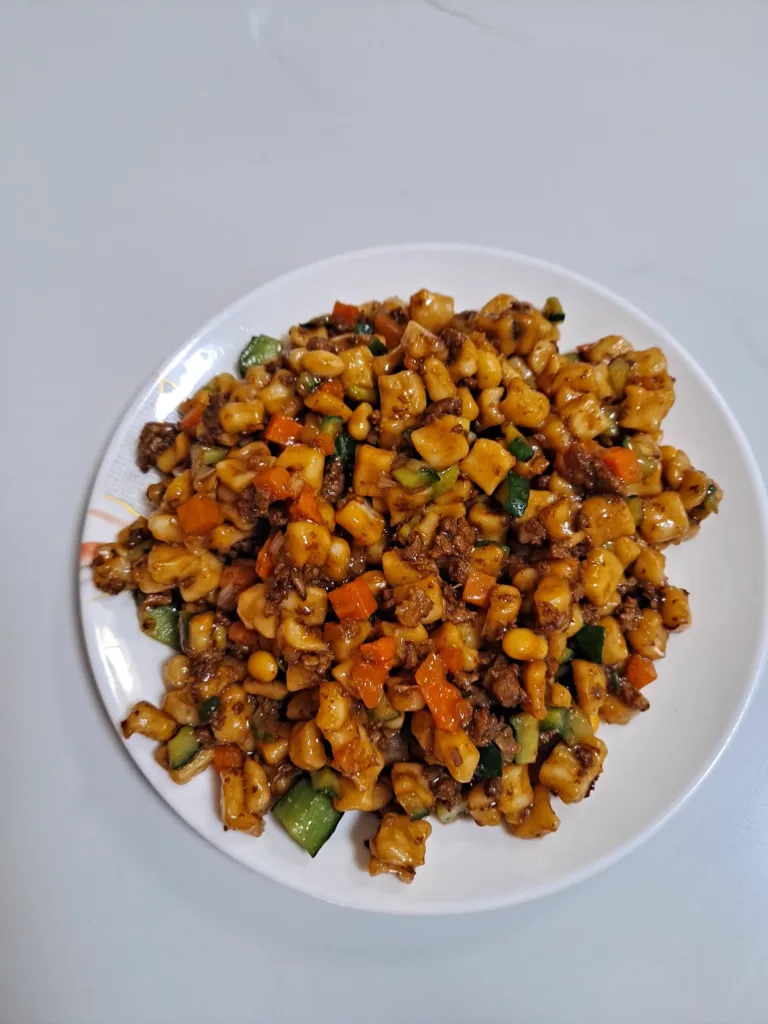
Stir-fried dough nuggets 炒疙瘩
Chao geda (炒疙瘩) is a Beijing-associated dish of small wheat-dough pieces, boiled and then stir-fried until glossy and golden with meat or seafood, vegetables and seasoning. The nuggets are springy and chewy; recipes and toppings vary, so ask what is in the particular plate.
Read dish guide →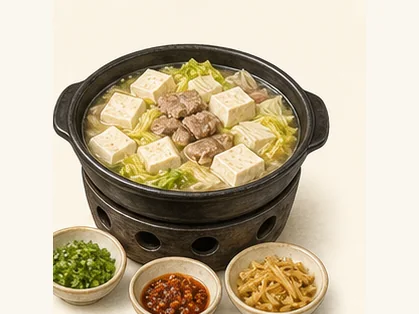
Liugou tofu brazier feast 柳沟火盆锅豆腐宴
Liugou’s tofu brazier feast is a communal Yanqing meal built around an open-topped, simmering pot of fresh, frozen and fried tofu, cabbage, potato vermicelli and smoked pork. Its mild bean-curd textures take on a savoury meat-and-bone broth, while a larger farmhouse spread may add side pots, cold dishes and staple foods; the exact menu varies by restaurant.
AI dish illustration / AI 菜品示意图
Read dish guide →
Gabacai 锅巴菜
Soft, slightly resilient strips absorb the gravy; the condiments bring nutty, salty and sometimes spicy flavors.
Read dish guide →
Tianjin sour-jujube paste 酸磨糕
Its defining feature is bright fruit acidity balanced by sugar. A thin coating tastes lively, while a large bite can be intensely sour-sweet.
AI illustration · AI 示意图
Read dish guide →
Shidasu flaky pastries 什大酥
The outer pastry flakes easily, while a softer filling supplies sweetness or a more savory contrast.
AI illustration · AI 示意图
Read dish guide →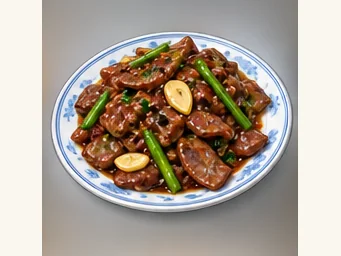
Garlic stir-fried offal 老爆三
The dish should combine tender meat with firmer offal and a strong, fresh garlic aroma. A glossy coating clings to the pieces without becoming a large bowl of gravy.
AI illustration · AI 示意图
Read dish guide →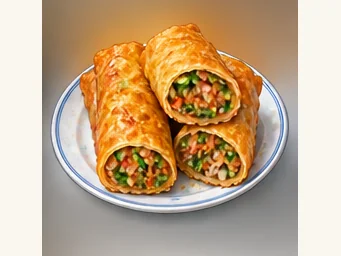
Crisp bean-curd-skin rolls 卷圈
The outer layer crackles while the filling stays moist and lightly springy, creating a rich contrast despite its vegetable-heavy contents.
AI illustration · AI 示意图
Read dish guide →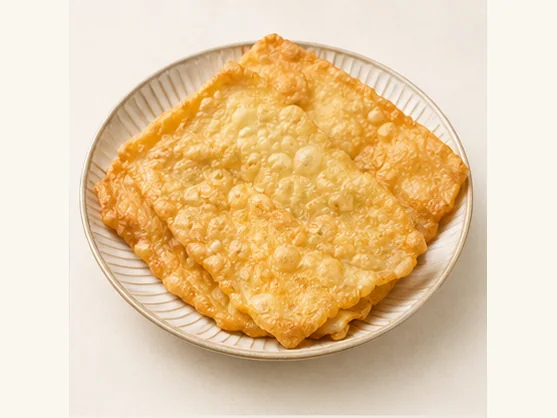
Tianjin sweet fried dough 天津糖皮儿
The contrast is between a sweet, slightly firmer top and the softer fried dough below. It is richer than a steamed bun, so a single piece can be enough when you are sampling several breakfast foods.
AI dish illustration / AI 菜品示意图
Read dish guide →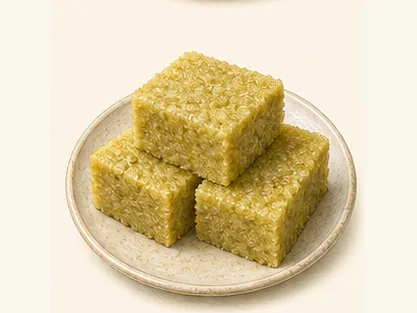
Duliu mung-bean steamed cake 独流绿豆潮糕
The crumb is soft and close-textured with a mild bean flavour. Sweetness and the proportions of bean and grain differ between producers.
AI dish illustration / AI 菜品示意图
Read dish guide →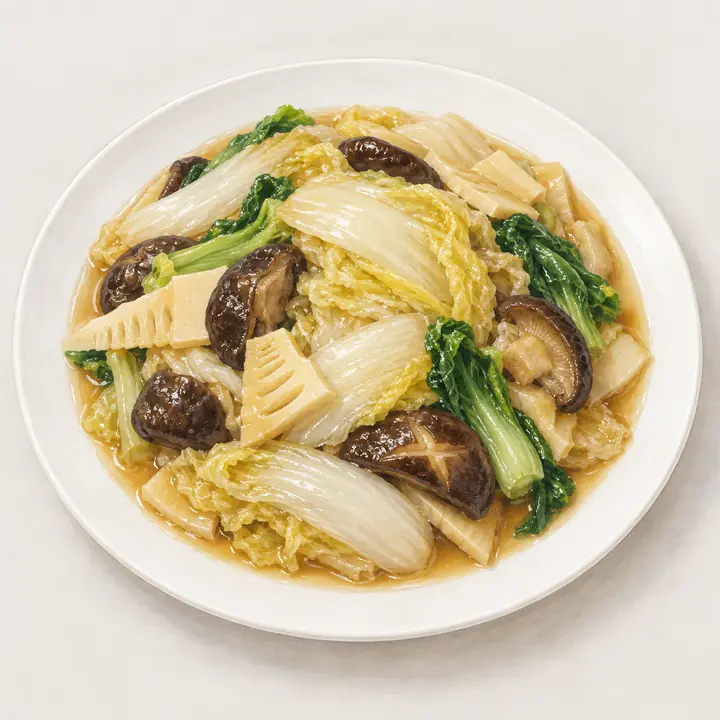
Tianjin Braised Vegetable Assortment 扒全素
For a visitor, the most useful detail is what the current assortment actually contains. Ask the server to name the vegetables and any tofu, mushrooms or gluten in that kitchen’s version, and to describe the braising liquid. A mixed vegetable dish can supply a softer, saucier element alongside crisp or fried dishes, so consider the balance of the whole order. If avoiding animal ingredients, ask specifically about stock and cooking fat. If avoiding onion or garlic for religious reasons, say so separately; the word su alone cannot confirm the kitchen’s practice.
AI dish illustration / AI 菜品示意图
Read dish guide →
Zhili banquet cooking 直隶官府菜
Texture and seasoning change from course to course; diners should expect an arranged restaurant meal rather than one standard flavor or signature ingredient.
AI dish illustration · AI 菜品示意图
Read dish guide →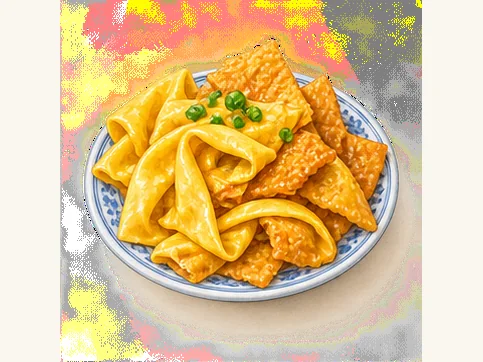
Gezha 饹馇
Fresh sheets are pliable and lightly beany; frying gives crisp edges, while stewing produces a soft, sauce-absorbing texture.
AI dish illustration · AI 菜品示意图
Read dish guide →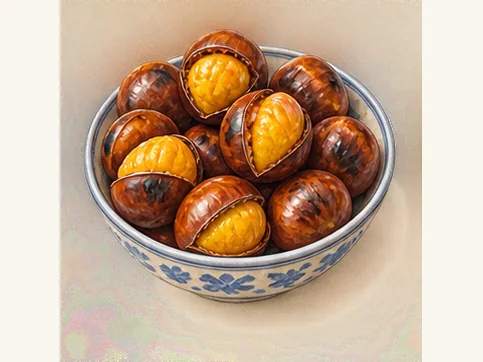
Qianxi chestnuts 迁西板栗
A good kernel is sweet, nutty and floury, becoming softer and more aromatic while warm.
AI dish illustration · AI 菜品示意图
Read dish guide →Food stories

Food articles are in progress
Long-form food stories for this topic are being written. Until then, browse the dish guides above or see all Chinese food guides.