


Get to know Luohu District
- Administrative area
- District · 市辖区
- Part of
- Shenzhen
- Chinese name
- 罗湖区
- Local areas
- District guide
Area & population
- Area
- 78.89 km²
- Population · 2020
- 1,143,801
Source: English Wikipedia, as of the dates shown.
Luohu is best explored as several distinct outings, not as one attraction. Its southern edge meets the Hong Kong border at Luohu Port; Dongmen is a pedestrian shopping quarter; Shuibei is associated with gold and jewellery; and farther east, Xianhu Botanical Garden gives the district a quieter, greener side. The district government groups Dongmen, Renmin Nan, Caiwuwei, Shuibei and other areas as separate commercial destinations, so it is useful to choose a theme rather than try to cover all of Luohu in one walk.
Choose a side of Luohu
For street-level shopping and casual eating, begin around Dongmen Old Street (东门老街). It is a pedestrian shopping area, not a preserved historic village or a single monument. Browse the shopfronts and food counters at your own pace; specific stalls and opening hours vary, so choose on the day rather than planning around an unverified venue. Metro Lines 1 and 3 both serve Laojie Station (老街站), a practical arrival and return point.
For gold and jewellery, set aside a separate visit to Shuibei (水贝). The district identifies Shuibei as its gold-and-jewellery commercial area; this is a working trade and shopping district, not a museum visit. Line 3 serves Shuibei Station (水贝站). Treat any particular showroom, market building or purchase as a separate choice: this guide does not verify individual shops, opening hours, visitor policies or prices.
Central Luohu offers a different contrast. The district's named consumer areas include Renmin Nan (人民南) and Caiwuwei (蔡屋围), while Line 1 stops at Guomao (国贸) and Grand Theater (大剧院), Lines 2/8 stop at Hubei (湖贝) and Grand Theater, and Line 9 serves Renmin (人民站). These are useful metro stations for planning a visit to the broader commercial core, rather than substitutes for the more street-focused Dongmen or the specialist Shuibei outing. Check the final walking connection to your chosen destination.
If you want plants and temple architecture rather than shops, make Xianhu Botanical Garden (仙湖植物园) a separate eastern-side excursion. The garden is in Liantang Subdistrict and includes specialist plant areas such as a cycad centre, fossil forest, and cactus-and-succulent garden; Hongfa Temple (弘法寺) is also within the grounds. Its scale and setting make it a poor add-on to a quick Dongmen stroll.
Getting around
Use the metro to link the urban visits: Line 1 or Line 3 to Laojie for Dongmen; Line 3 to Shuibei for the jewellery district; and Line 1, 2/8 or 9 for the central stations named above. For the botanical garden, take Line 2/8 to Xianhu Road (仙湖路) and use Exit C2, or take bus M182, M526, M102 or 220 to the garden bus terminus. These routes and the C2 direction are published by the garden; confirm the live route before setting out. Return by the same station or bus corridor, checking the day's operating information rather than assuming a last departure.
Luohu Port (罗湖口岸) is a border checkpoint, not a city sightseeing entrance. Shenzhen's port authority lists its operating hours as 6:30 a.m.–midnight and describes pedestrian and railway bridges linking the Shenzhen and Hong Kong sides. Check current port notices before travelling, especially for a late crossing. Port opening hours do not establish that a particular traveller may enter either side: mainland visa-free eligibility depends on passport nationality and type, and Hong Kong admission is a separate check. Confirm both sides' current entry rules for your own travel document before making a cross-border plan.
For the Shenzhen-side checkpoint, Line 1 serves Luohu Station (罗湖站); after returning through border inspection, follow the station signs for the citybound metro. Do not confuse the checkpoint with a general district taxi destination or assume that the Hong Kong railway connection operates to the same schedule as the port.
A workable visit plan
Pair Dongmen with the central commercial area if you want one day of urban shopping and street food. Visit Shuibei on its own if jewellery is your focus. Give Xianhu Botanical Garden its own half-day or longer, and use its published metro or bus connection in both directions. Treat the Hong Kong crossing as a separate itinerary with immigration time and document checks, not as a short walk from the shopping district. No single taxi drop-off point serves the whole district; use the Chinese name of the specific destination when arranging a ride.
Explore Luohu District
Core places to explore, with English and Chinese names.
Places to explore around Luohu District
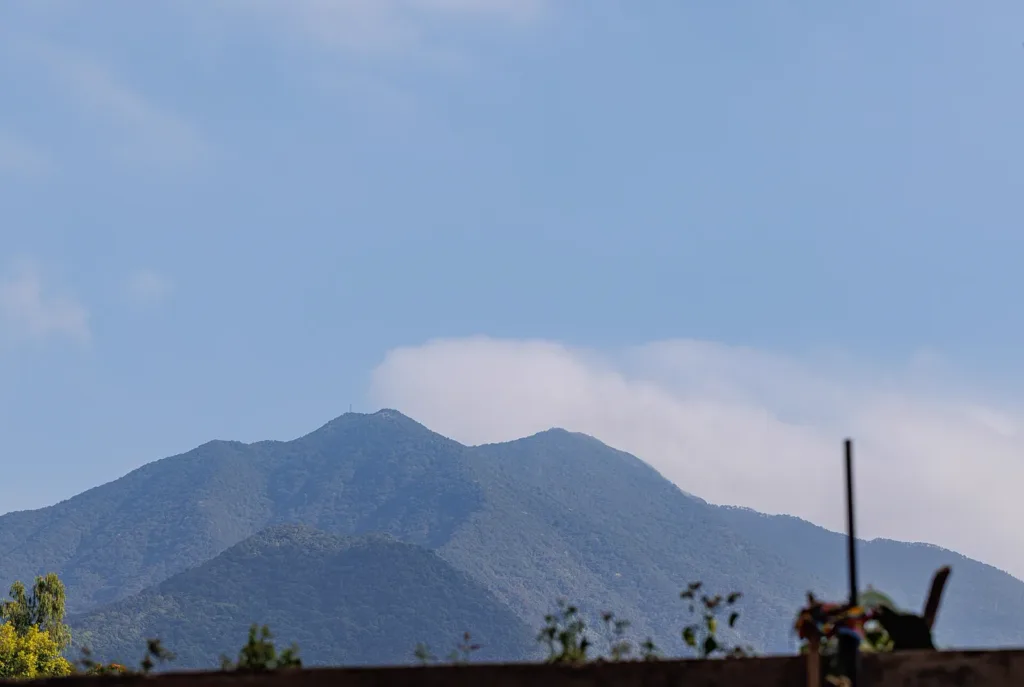 A wooded ridgeline identified as Wutong Mountain rises beneath a pale, hazy sky in Shenzhen. Photo: Dinkun Chen · CC BY-SA 4.0
Wutong Mountain梧桐山
A forested Shenzhen mountain with a 943.7-metre summit, steep stair routes and views over the city and sea; plan the trail and return before setting out.
Read the place guide → A commercial pedestrian street in Dongmen, Shenzhen, photographed in 2021; the tiled roofs and modern shop signs show the mix of older-style façades and contemporary retail. Photo: 30000lightyears · CC BY-SA 4.0
Dongmen Old Street东门老街
Dongmen is Luohu’s busy shopping and food quarter, where a bronze relief of the old market and a wartime command-site museum sit among modern retail streets.
Read the place guide →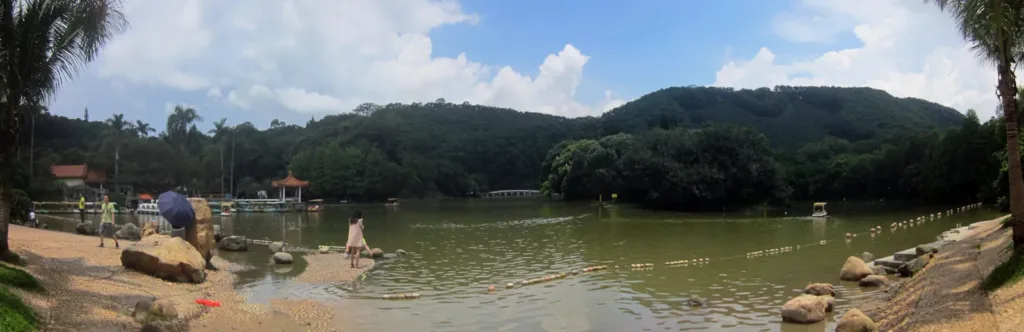 A panoramic view across Fairy Lake (Xianhu) in Fairy Lake Botanical Garden, Shenzhen, with the wooded hills behind the water. The Commons file page does not report a capture date. Photo: Huangdan2060 · CC BY 3.0
Fairy Lake Botanical Garden仙湖植物园
A large Shenzhen botanical garden of lakeside palms, specialist plant collections, fossilized wood and the mountain-side Hongfa Temple.
Read the place guide →Plan your visit
Getting there
Luohu District is about 8 km (straight-line distance) from central Shenzhen. Search for 罗湖区 in a map app to find stations and your accommodation.
Where to stay →Build your route
Wutong Mountain and Dongmen Old Street are about 10 km apart (straight-line distance). The linked place guides have entrance and visit details.
Continue with Shenzhen →More in Shenzhen
Sources & geographic information
Administrative names and parent areas: Official geographic directory (dmfw.mca.gov.cn) · Reference date 2026-09-06.
Background text adapted from Luohu, Shenzhen — Wikipedia contributors, under CC BY-SA 4.0. Text has been shortened and reorganized; source revision 1368306445.
Map data © OpenStreetMap contributors. Pins mark approximate centres, not entrances or boundaries.
Image credits & notes (1)
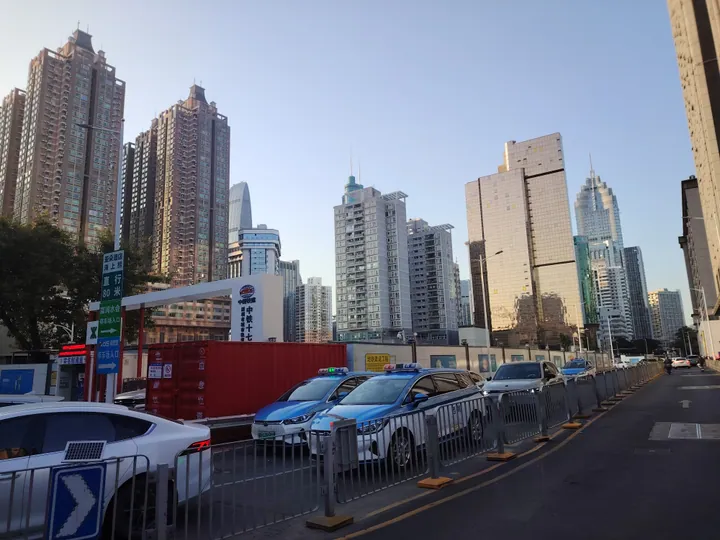
- Skyline of high-rise towers in Luohu District, Shenzhen, seen from Heping Road · 深圳罗湖区和平路一带的高楼天际线 Source-recorded photograph date: 9 February 2025 (according to Exif data).Photo: Lhzss8 · CC BY-SA 4.0Resized for the web; the photo itself has not been edited. Thumbnails may show a cropped view.
