

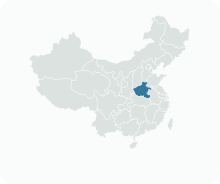
Get to know Baofeng County
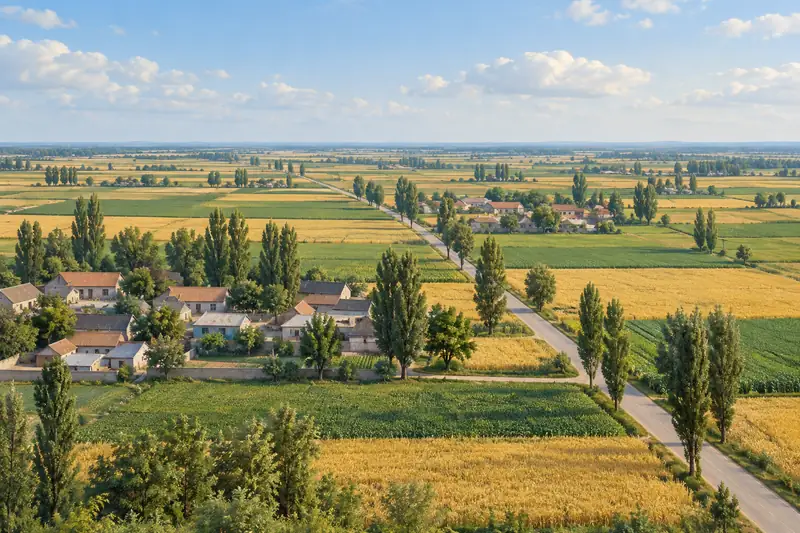
- Administrative area
- County · 县
- Part of
- Pingdingshan
- Chinese name
- 宝丰县
- Local areas
- County guide
Area & population
- Area in the source
- 722.00 km²
- Population · 2019
- 500,400
Source: cited geographic source, as of the dates shown.
Setting and landscape
The land falls from west to east: hills rise on both the eastern and western sides, and the middle of the county mixes plain and low hills. The highest point, 740 metres, is an unnamed peak on the border with Lushan (鲁山). Rivers drain to the Huai (淮河) through the Beiru (北汝河) and Sha systems.
History
Under the Shang and Zhou the area was the domain of the marquises of Ying (应), and the Qin made it Fucheng County (父城县). In 1120, when iron smelting, porcelain making and brewing were all thriving here, the Northern Song court gave it the name Baofeng, "treasure and plenty". During the Chinese civil war Baofeng was the seat of the leading bodies of the Communist Party's Central Plains Bureau (中原局) and the Central Plains Military Region (中原军区); their former headquarters became a Henan provincial protected site in 2016.
What to see
Xiangshan Temple (香山寺), south of Naodian town (闹店镇) between the Big and Small Longshan hills (大小龙山), is honoured as the ancestral seat of the Guanyin cult in Chinese Buddhism. Its nine-storey octagonal brick pagoda, 33 metres high, was rebuilt in 1068, and a stele of 1100 written out by the calligrapher Cai Jing (蔡京) records Guanyin's legend; both have been national key cultural relics since 2013.
The Qingliangsi Ru Official Kiln Site (清凉寺汝官窑遗址) at Qingliangsi village in Daying town (大营镇) is where Ru ware, ranked first of the five great kilns of the Song, was made; it is a national key cultural relic, and Ru firing is national intangible heritage. On the 13th day of the first lunar month, folk storytellers and ballad singers from across China bring drums and fiddles to Majie (马街) for the Majie Storytelling Fair (马街书会), a national intangible heritage item that the World Record Association certified in 2013 as the largest folk-performance gathering in the world.
Food and local products
Baofeng liquor (宝丰酒) is made by a traditional method listed as national intangible heritage, and Shangjiuwu town (商酒务), where Yi Di (仪狄), the legendary first brewer of the Xia era, is said to have first made wine, received a plaque in 2016 naming it his home. Yinghe vinegar (应河醋) has a tourism park with an old-method vinegar workshop and a vinegar museum. Magic is the county's other trade: Baofeng was named China's hometown of magic in 2006, and more than 1,400 performing troupes are based here.
Highlights
- Xiangshan Temple 香山寺: Ancestral seat of the Guanyin cult; 33-metre brick pagoda rebuilt in 1068; national key cultural relic since 2013.
- Qingliangsi Ru Official Kiln Site 清凉寺汝官窑遗址: Kiln site of Ru ware, first of the five great Song kilns; national key cultural relic.
- Majie Storytelling Fair 马街书会: Gathering of folk storytellers on the 13th day of the first lunar month; national intangible heritage.
- Baofeng liquor 宝丰酒: Its traditional brewing method is national intangible heritage.
Sources for this guide
[宝丰概况]-宝丰县人民政府门户网站 · Baofeng County People's Government
[风景名胜]-宝丰县人民政府门户网站 · Baofeng County People's Government
[资源概况]-宝丰县人民政府门户网站 · Baofeng County People's Government
Original English written from the listed sources and checked sentence by sentence against quoted extracts by a separate reviewer. Updated 2026-09-24.
Explore Baofeng County
Core places to explore, with English and Chinese names.
Places to explore around Baofeng County
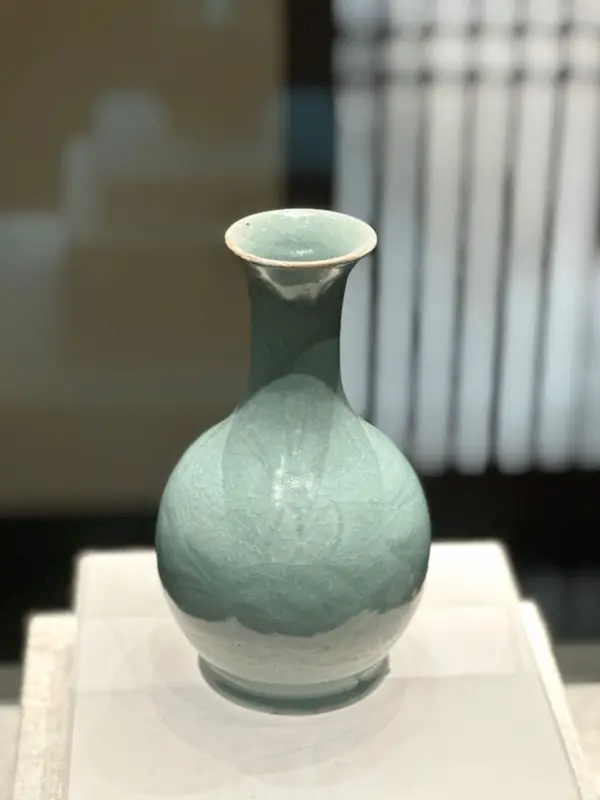 Qingliangsi Ru Official Kiln Site ·
 Plan your visit
Getting there
Baofeng County is about 15 km in a straight line from central Pingdingshan. Search for 宝丰县 in a map app to find stations and your accommodation.
Where to stay →Build your route
Start with Qingliangsi Ru Official Kiln Site. The linked place guides have entrance and visit details.
Continue with Pingdingshan →More in Pingdingshan
Sources & geographic information
Administrative names and parent areas: Official geographic directory · Reference date 2026-09-06.
Photo: Qingliangsi Ru Official Kiln Site · Source photographer · License not provided. EXIF orientation normalized; resized without changing aspect ratio; converted to WebP. No subject edits.
Map data © OpenStreetMap contributors. Pins mark approximate centres, not entrances or boundaries.