


Get to know Karakax County
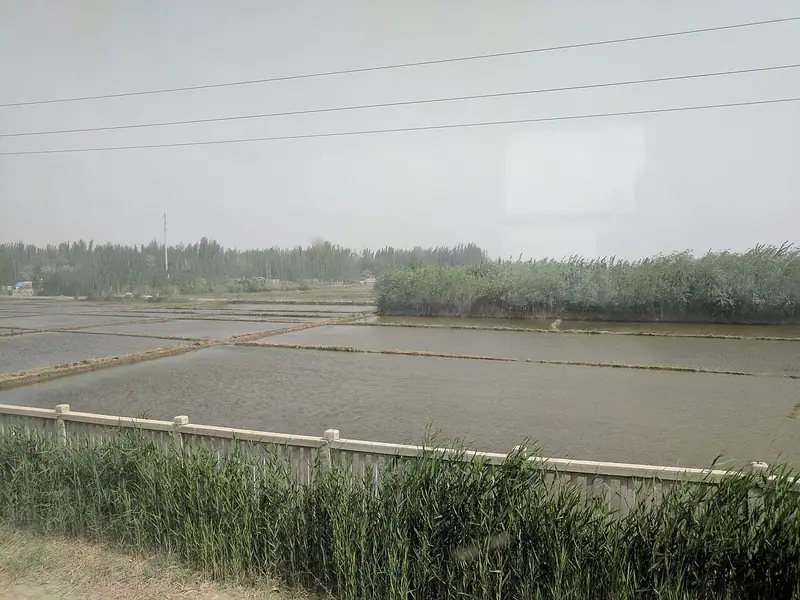
Photo adjustments
Full frame retained; EXIF orientation normalized, proportionally resized to at most 800 pixels and converted to WebP. No generated pixels or subject changes. Cards may crop the display.
- Administrative area
- County · 县
- Part of
- Hotan Prefecture
- Chinese name
- 墨玉县
- Local areas
- County guide
Area & population
- Area in the source
- 25,788.86 km²
- Population · 2020
- 571,648
- Administrative seat
- Karakax Town
Source: cited geographic source, as of the dates shown.
Paper from mulberry branches
In Buda Village (布达村), the two-kilometre paper street gathers artisans and paper shops around a craft transmission centre. The paper is made by hand from the inner bark of mulberry branches. Its nine-stage process includes soaking, peeling, boiling, pounding, fermentation, filtering, moulding, drying and rough polishing. The soft sheets are used for mounting paintings and calligraphy, and for umbrellas and fans. The craft entered the national intangible cultural heritage list in May 2006.
Courtyards and market food
Old-town lanes contain Uyghur houses and workshops selling atlas silk (艾德莱斯绸), decorative caps, carpets, woodcarving and jade. Bulake Night Market (布拉克夜市) serves roasted pumpkin, pomegranate juice, grilled fish and rice dumplings with yogurt.
Sources for this guide
图说墨玉 - 墨玉县人民政府 · Karakax County Government
图说墨玉 - 墨玉县人民政府 · Karakax County Government
Original English written from the listed sources and checked sentence by sentence against quoted extracts by a separate reviewer. Updated 2026-09-27.
Explore Karakax County
Core places to explore, with English and Chinese names.
Karakax County 墨玉县
Plan your visit
Getting there
Karakax County is about 25 km in a straight line from central Hotan Prefecture. Search for 墨玉县 in a map app to find stations and your accommodation.
Where to stay →More in Hotan Prefecture
Sources & geographic information
Administrative names and parent areas: Official geographic directory · Reference date 2026-09-06.
Map data © OpenStreetMap contributors. Pins mark approximate centres, not entrances or boundaries.