


Get to know Changshou District
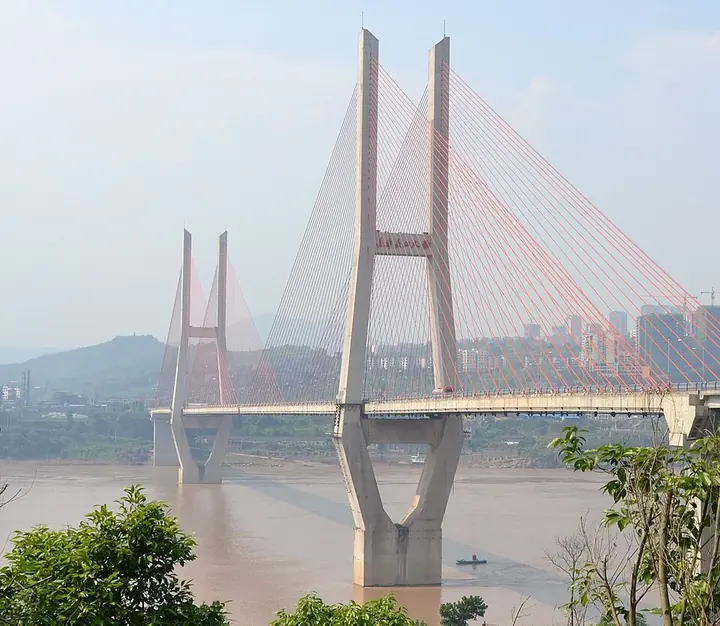
- Administrative area
- District · 市辖区
- Part of
- Chongqing
- Chinese name
- 长寿区
- Local areas
- District guide
Area & population
- Area
- 1,421.00 km²
- Population · 2020 census
- 692,960
Source: English Wikipedia, as of the dates shown.
Changshou is a substantial outlying district of Chongqing, not a downtown neighbourhood. The district government places it east of the central city and describes a 1,424-square-kilometre area with seven subdistricts and 12 towns; it is one of Chongqing’s current districts within the municipality’s 25 districts, eight counties and four autonomous counties. Think of its urban centre, Puti Mountain and the lake as separate outings rather than assuming one compact sightseeing area. Changshou is also an inhabited industrial and river district, not an uninterrupted resort landscape.
Walk the Puti cultural landscape
Puti Mountain (菩提山) combines wooded slopes with a temple and a route built around the local longevity theme. Look for the Puti Temple, the Puti Sacred Lamp and the Wanshou Stairway, whose stone steps carry repeated characters for “longevity” in varied calligraphic styles. Take the climb slowly and follow the signed route; this is a hill walk, not a flat promenade. The district’s visitor guide identifies more than 30 cultural features, but particular facilities and access can change.
Nearby, Changshou Puti Ancient Town (长寿菩提古镇) is a separate, purpose-built visitor complex rather than a surviving old town. Its West China–style architecture, bridges, streams, plazas, opera stage, temples and food streets make it a place to stroll and browse, especially when evening activity is under way. Treat the architecture as a modern interpretation of Bayu and longevity culture, not as evidence that the buildings are centuries old. The food and festival offerings vary; do not assume a particular event or shop will be operating on your visit.
Make a separate trip to Changshou Lake
Changshou Lake (长寿湖) is the reservoir formed on the Longxi River by the Shizitan hydroelectric project in the 1950s. The district’s 2026 visitor information describes a 65.5-square-kilometre water area and 203 islands. The scale is best understood from the shore: spend time at the signed visitor areas, look across the changing pattern of bays and islands, and use only marked paths and authorised boat services. The district lists boating and other water recreation among the area’s offerings, but operation depends on the day and should be checked before setting out.
Changshou’s named local produce includes pomelos, blood oranges and thin crisps (薄脆); these are useful things to look for in local shops and menus, not a claim that every restaurant serves them. The wider district also has everyday town streets and rural settlements, so allow time for the actual scale of the place rather than trying to combine a lakeside visit with every urban stop in one rushed circuit.
Sandaoguai (三倒拐), a steep historic street district with three sharp bends, is a noteworthy part of Changshou’s urban history. However, the district’s March 2026 visitor guide marked it as closed for upgrading and gave no confirmed reopening date. Do not plan to enter unless a newer local notice confirms access.
Getting around Changshou
There is no Chongqing Rail Transit metro station in Changshou District. For the urban centre, look for an intercity train to Changshou North (长寿北站), then use a local connection. A district government transport listing published in March 2026 names bus 203 between “Changshou Ancient Town” (长寿古镇) and “North Railway Station” (火车北站), and bus 108 between Puti Mountain (菩提山) and Hanyingangwan (翰林港湾). These are useful route leads, not a guarantee of today’s timetable or stop position; confirm the route, direction and final walk locally before boarding.
For the lake, distinguish Changshou North from Changshou Lake Station (长寿湖站). A district traffic notice for a two-day event in May 2026 listed coach service from Changshou Lake Station to Changshou Lake and a separate coach from Changshou Coach Passenger Transport Terminal (长寿汽车客运总站) to the lake. That notice is event-dated, not a standing timetable, and does not establish a normal return service for another date. Check current rail tickets and local coach operation before choosing this connection; otherwise arrange a taxi to a public visitor entrance.
For a taxi to the lake, use 长寿湖风景区游客中心(龙湖大道) or the signed public scenic-area gate, and ask to be dropped at the authorised visitor entrance rather than on a restricted lakeside road. For Puti Mountain, the listed destination is 长寿菩提山文化旅游景区,菩提东路2001号; use the public scenic-area entrance. Changshou is a large district, so there is no single taxi drop-off point for the district as a whole. Check attraction opening and ticket information directly before travel; the reviewed sources do not establish a date-independent price or schedule.
Guide sources
- Changshou District Government — 2026 visitor guide and transport information
- Xinhua — Chongqing adjusts parts of its administrative divisions
- iChongqing — Changshou District: A City with Nature and Culture
- iChongqing — Chongqing Changshou Puti Ancient Town
- Changshou District Government — traffic notice for May 2026 event
- Trip.com — Changshou Puti Mountain visitor listing
Explore Changshou District
Core places to explore, with English and Chinese names.
Places to explore around Changshou District
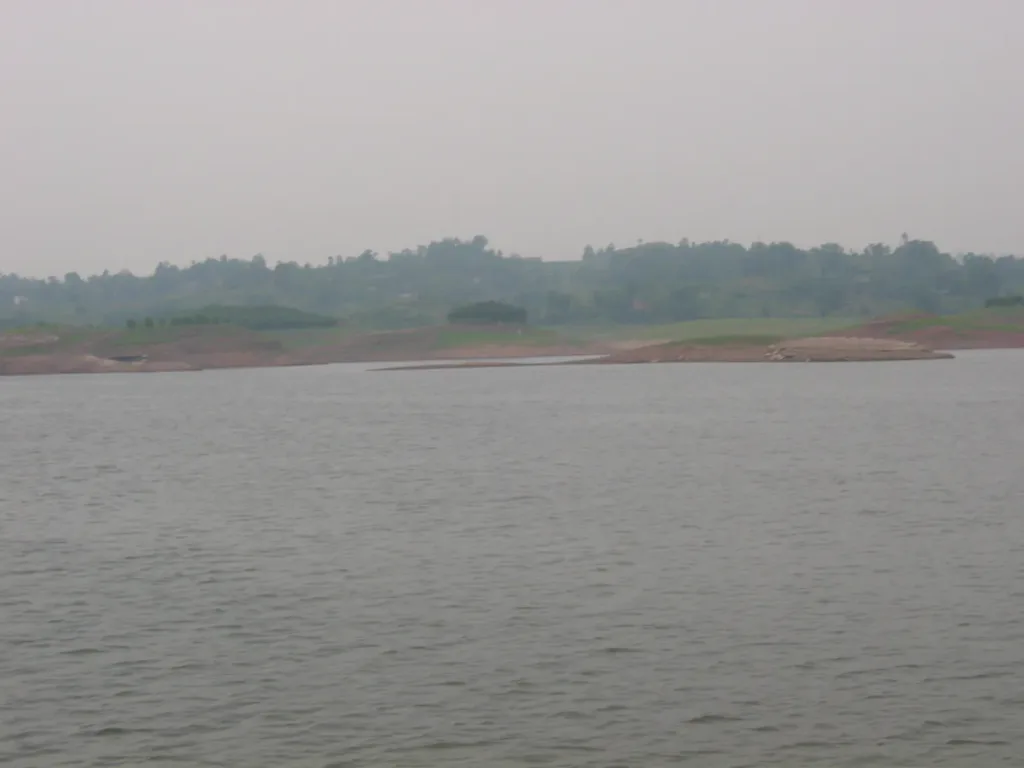 Changshou Lake shoreline and water, photographed 4 May 2006. Photo: Seasonsinthesun · CC BY-SA 4.0
Local life & food
Changshou District local specialties
长寿区特色美食 · 6 specialties to discover
 Changshou Rice Noodles 长寿米粉Reference photo of a similar dish · 同类菜品参考照片
A rice-noodle specialty associated especially with Changshou District, made from rice batter steamed into thin sheets and cut into strands. Expect a soft, slippery chew; toppings and seasoning vary by kitchen.
Read the dish guide →
Image notes
Resized for the web; the photo itself has not been edited. Thumbnails may show a cropped view.
 Changshou Thin Sesame Crisps 长寿薄脆
A paper-thin, sweet wheat crisp associated with Changshou District, traditionally baked on a flat pan and eaten as a snack.
Read the dish guide →Image notes
Resized for the web; the photo itself has not been edited.
 Changshou Smoked Blood Tofu 长寿血豆腐Reference photo of a similar dish · 同类菜品参考照片
A smoky, savory tofu-and-pork specialty associated with Changshou District, traditionally prepared for the winter and Spring Festival season.
Read the dish guide →
Image notes
Resized for the web; the photo itself has not been edited. Thumbnails may show a cropped view.
 Changshou Pork-Intestine Rice 肥肠饭AI illustration · AI 示意图(仅供参考,非实拍)
A rich, peppery pork-intestine stew—often cooked with soybeans—served with rice is especially associated with Changshou District, Chongqing.
Read the dish guide →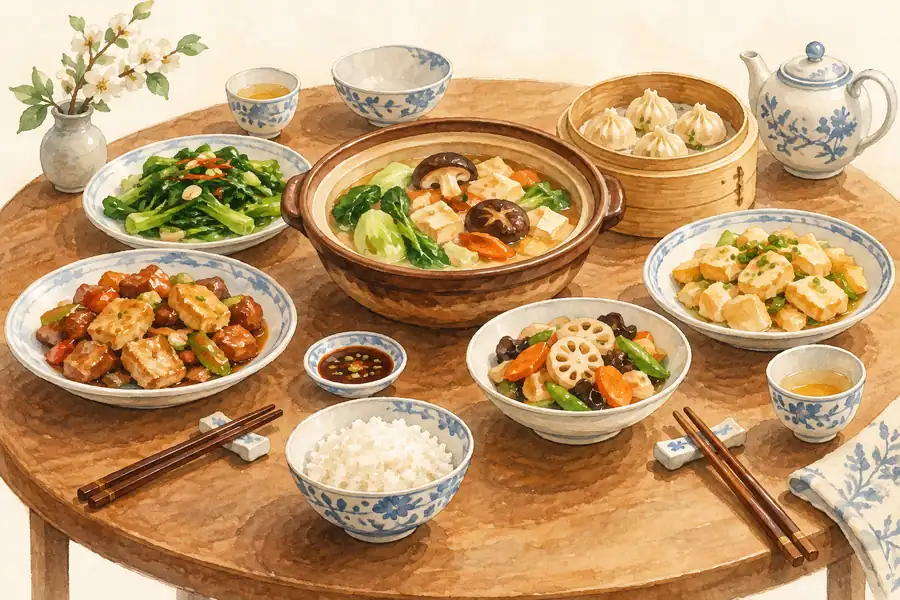 Changshou Lake Whole Fish Banquet 长寿湖全鱼宴AI illustration · AI 示意图(仅供参考,非实拍)
A lake-linked meal in Changshou District brings freshwater fish to the table in varied local preparations, from savory fish noodles to chili-seasoned and pickled-vegetable dishes.
Read the dish guide →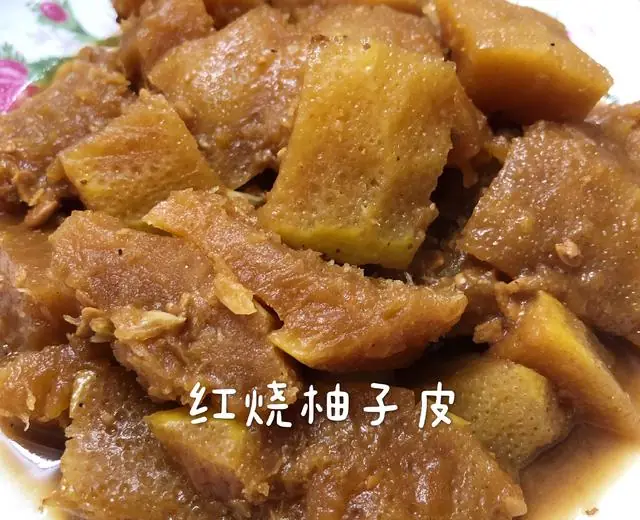 Braised Pork with Pomelo Peel 柚子皮烧肉
A Changshou-associated Chongqing dish name worth checking on local menus; recipes under similar pomelo-and-pork names are not necessarily the same preparation.
Read the dish guide →Image notes
Resized for the web; the photo itself has not been edited.
More dishes from across Chongqing are in the Chongqing food guide.
Plan your visit
Getting there
Changshou District is about 70 km (straight-line distance) from central Chongqing. Search for 长寿区 in a map app to find stations and your accommodation.
Where to stay →Build your route
Start with Changshou Lake. The linked place guides have entrance and visit details.
Continue with Chongqing →More in Chongqing
Sources & geographic information
Administrative names and parent areas: Official geographic directory (dmfw.mca.gov.cn) · Reference date 2026-09-06.
Background text adapted from Changshou, Chongqing — Wikipedia contributors, under CC BY-SA 4.0. Text has been shortened and reorganized; source revision 1368654373.
Map data © OpenStreetMap contributors. Pins mark approximate centres, not entrances or boundaries.
Image credits & notes (1)
- Changshou Yangtze River Bridge in Changshou District, Chongqing. Photo: 2012-08-03.Photo: Glabb · CC BY-SA 3.0Resized for the web; the photo itself has not been edited. Thumbnails may show a cropped view.
