

Yunnan local food
Local dishes, ingredients and the stories behind them.

Nixi Clay Pot Chicken 尼西土锅鸡
Nixi Clay Pot Chicken links a locally associated chicken with Nixi black pottery: expect a lightly seasoned, slow-cooked broth and meat eaten with chilli dipping sauce, while allowing for kitchen-to-kitchen variation.
AI illustration · AI 示意图(仅供参考,非实拍)
Read dish guide →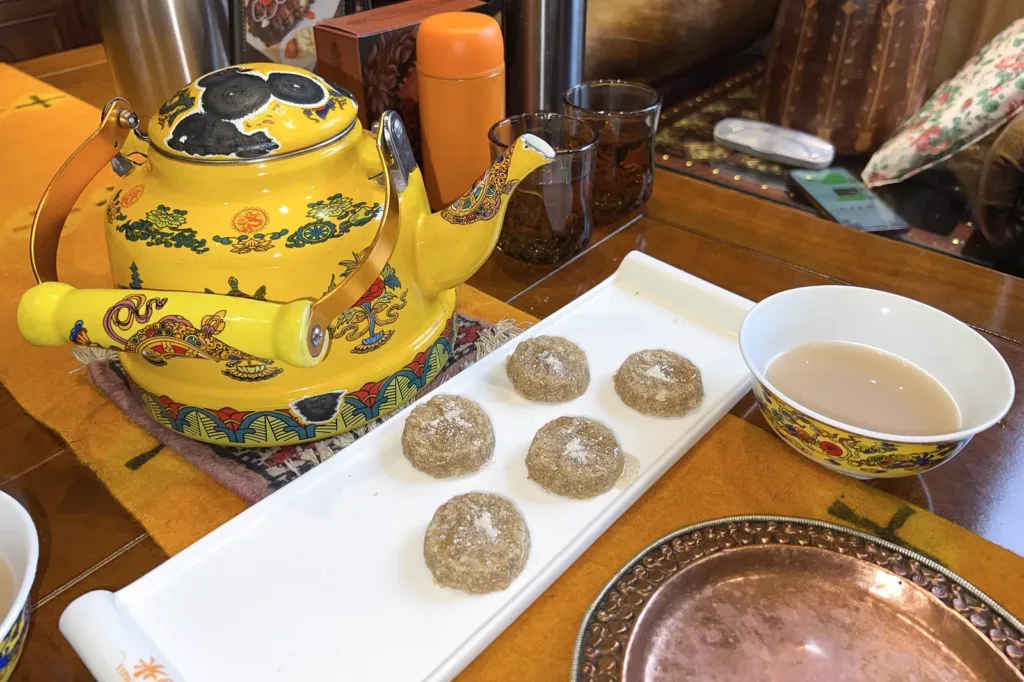
Tsampa Roasted Barley Flour 糌粑
In Diqing, tsampa (糌粑) is a Tibetan staple made from roasted highland barley flour, usually worked with butter tea and sometimes dried cheese or sugar into small hand-shaped portions. It is worth trying for the contrast between toasted grain and rich tea, and for the way a simple bowl shows how local food fits high-altitude pastoral life.
Read dish guide →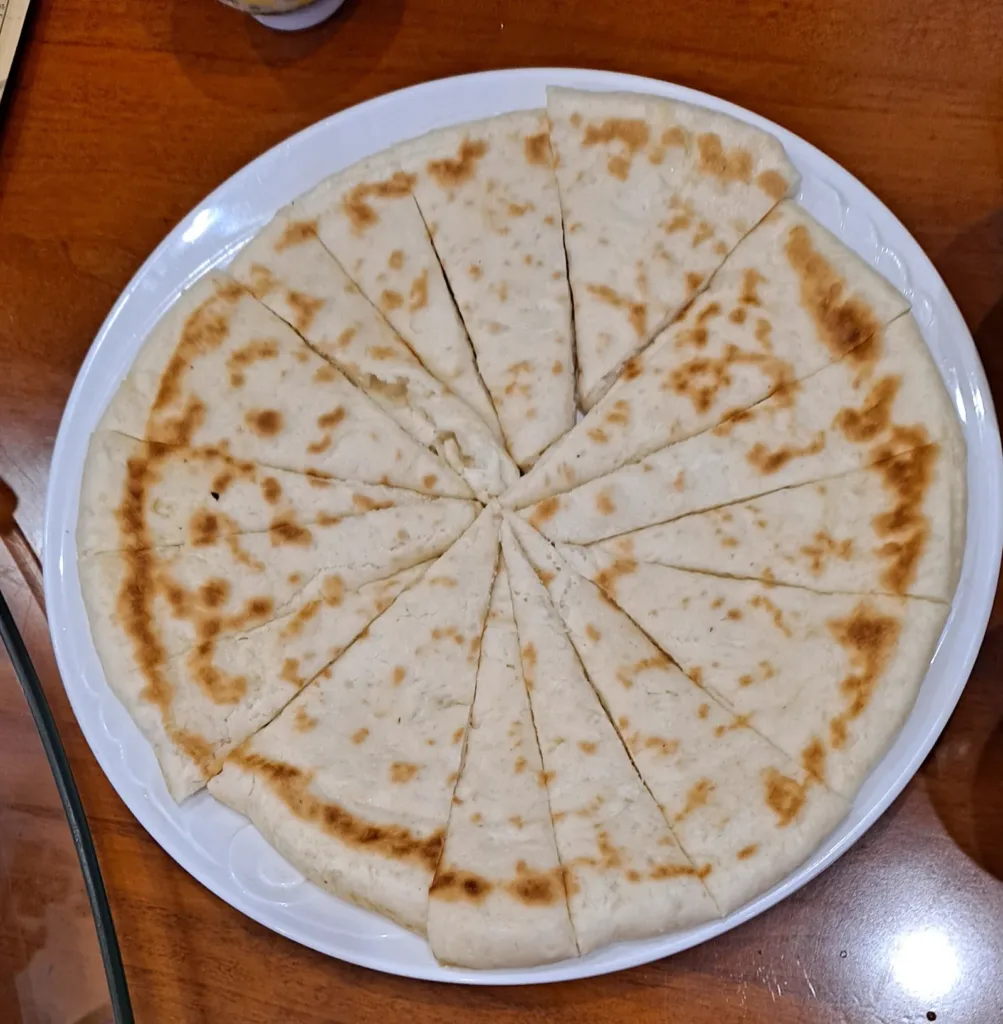
Highland Barley Cake 青稞饼
Highland Barley Cake, or 青稞饼 (qīngkē bǐng), is a baked barley-flour food found in Diqing’s Tibetan food landscape. A reported Shangri-La method uses leavened barley dough, rapeseed oil and 香豆沫, but recipes and availability vary, so treat it as a regional food to ask for rather than a city-invented fixed recipe.
Read dish guide →
Tibetan Fragrant Pig 藏香猪
Tibetan Fragrant Pig (藏香猪) is a highland pork tradition rooted in Diqing and connected to Shangri-La’s farming and food culture; try it by asking whether the kitchen serves fresh pork or cured pipa meat, rather than expecting one fixed dish.
Read dish guide →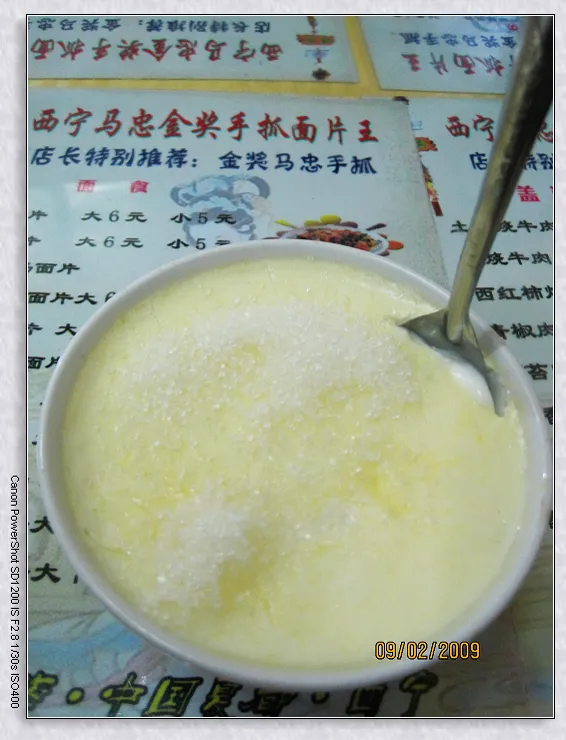
Yak Milk Yogurt 牦牛酸奶
Yak milk yogurt is a fermented dairy food associated with the Tibetan food culture of Diqing. In Shangri-La, you may meet it plain, in a wooden-bowl serving, or in modern combinations such as highland barley, ice cream, or rose; the maker’s sweetness and additions are not fixed.
Read dish guide →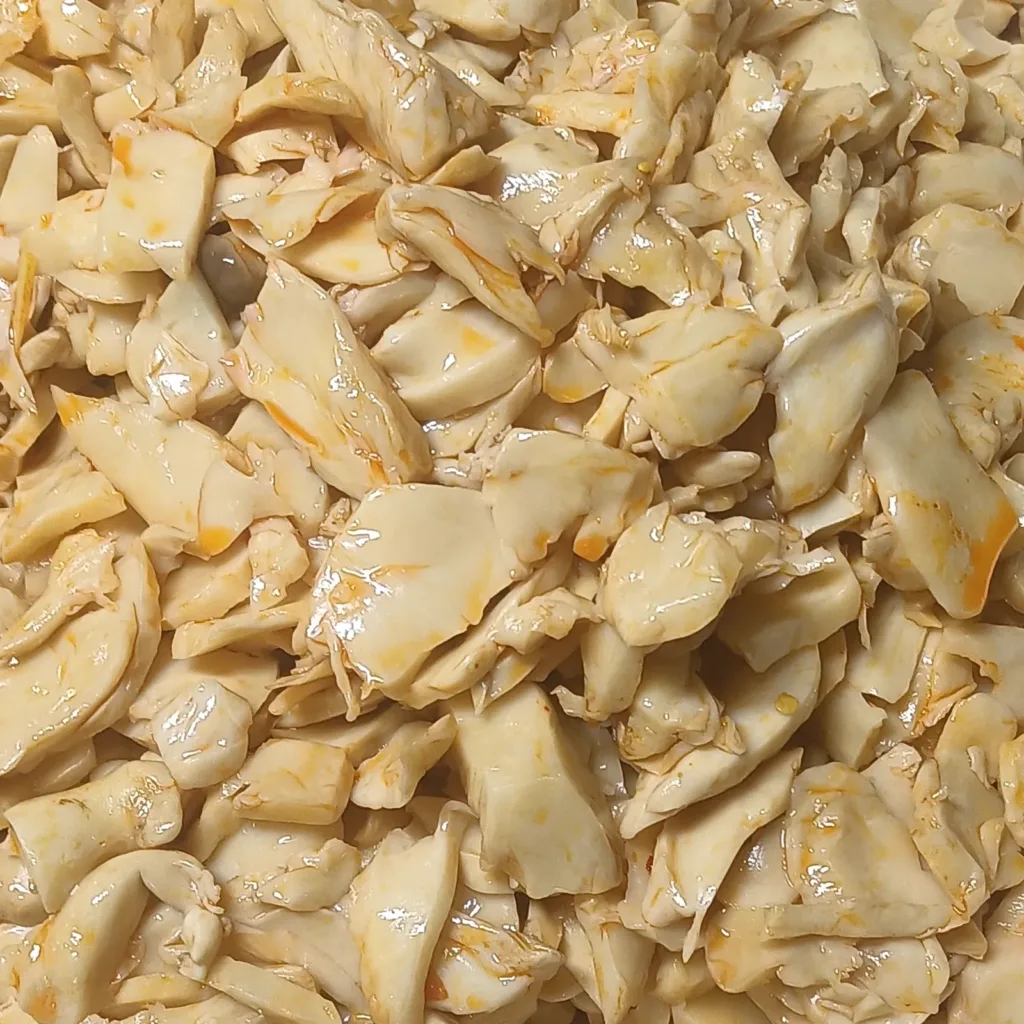
Chicken Stewed with Matsutake 松茸炖鸡
A restrained Shangri-La-area chicken soup in which sliced matsutake is added near the end, so its aroma stays distinct. It is tied to Diqing’s summer matsutake harvest, but fresh supply and kitchen versions vary.
Read dish guide →
Highland Barley Wine 青稞酒
Qingke jiu (青稞酒) is a Diqing highland-barley drink rooted in Tibetan foodways, ranging from village-fermented batches to bottled commercial spirits. Its flavor and strength can vary with the starter and process, so it is best approached as a local brewing tradition rather than a single fixed recipe.
Read dish guide →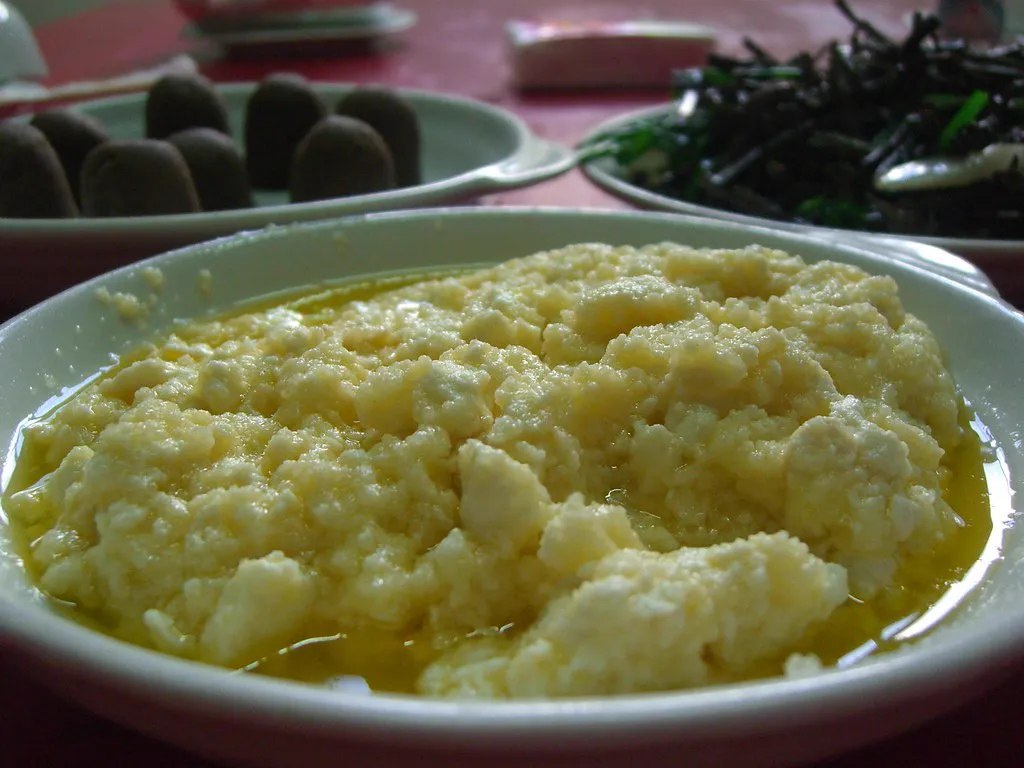
Cheese Curds 奶渣
In Diqing, 奶渣 (nǎizhā) is a traditional Tibetan-area dairy food made from the solids left after milk is churned or butter is separated; the prefecture government lists it among the region’s specialty foods. Local preparations range from 酥油煎奶渣 (sūyóu jiān nǎizhā) cooked with butter and brown sugar to a Deqin-style version finished with wild honey and served with steamed buns or 粑粑 (baba).
Read dish guide →
Lashi sour-and-spicy fish 拉市尼巴久
The flesh is delicate, while the broth combines tangy and spicy notes. Actual heat depends on the kitchen, rather than a fixed promise that the dish is mild.
AI dish illustration · AI 菜品示意图
Read dish guide →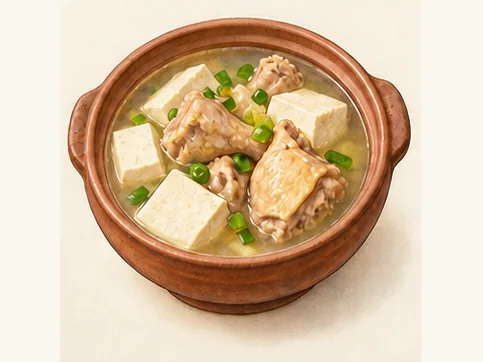
Naxi chicken with tofu 挨巴纠(土鸡炖豆腐)
The chicken is savory and substantial, while tofu provides a softer, absorbent contrast and the broth remains gentler than a chili-rich sauce.
AI dish illustration · AI 菜品示意图
Read dish guide →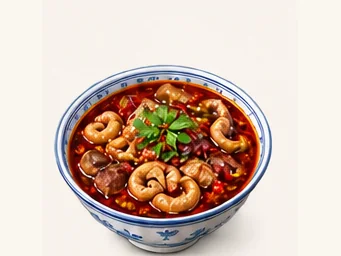
Jinsha riverside offal stew 江边辣
The dish is dark, savory and spicy, with contrasts between springy stomach, softer liver and richer intestine. It has a stronger offal character than a plain pork stew.
AI illustration · AI 示意图
Read dish guide →
Ninglang tuotuorou pork 宁蒗坨坨肉
Lean meat has a definite bite, while skin and fat add softer, richer textures. The flavor centers on the pork itself.
AI illustration · AI 示意图
Read dish guide →
Huaping hearth-baked bread 华坪火烧粑粑
The bread has a firm, roasted exterior and a softer, substantial crumb. Its mild grain flavor makes it suitable alongside tea or savory dishes.
AI illustration · AI 示意图
Read dish guide →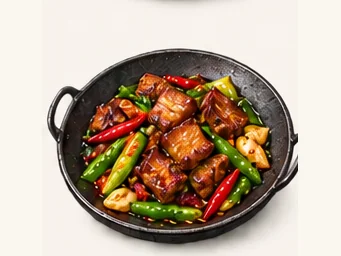
Dry-pot black pork 干锅黑猪肉
The meat is savory and browned, while vegetables absorb rendered fat and spices. Chili levels vary by restaurant.
AI illustration · AI 示意图
Read dish guide →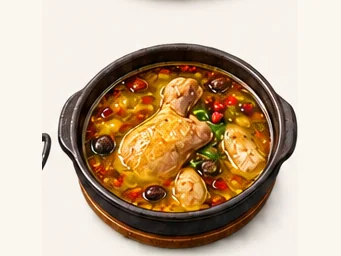
Lacquer-seed oil chicken hotpot 漆油鸡火锅
The oil gives a distinctive rich aroma, while the chicken is tender and the broth coats the mouth more fully than a plain clear soup.
AI illustration · AI 示意图
Read dish guide →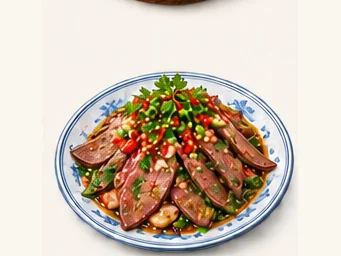
Naxi cured pork-liver salad 吹猪肝
The slices have a porous, resilient texture and concentrated savory flavor, with the dressing filling the tiny openings and adding tang or spice.
AI illustration · AI 示意图
Read dish guide →
Dongba grilled fish 东巴烤鱼
The outside can have browned, smoky edges, while the flesh beneath stays softer. Chili and herbs provide much of the stronger flavor.
AI illustration · AI 示意图
Read dish guide →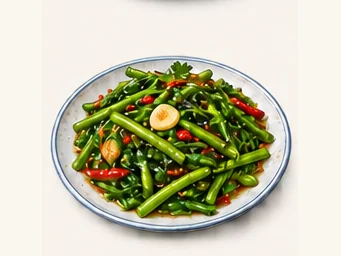
Stir-fried shuixingyanghua greens 炝炒水性杨花
The stems are tender and slippery with a mild green flavor, offering a lighter texture alongside rich meat dishes.
AI illustration · AI 示意图
Read dish guide →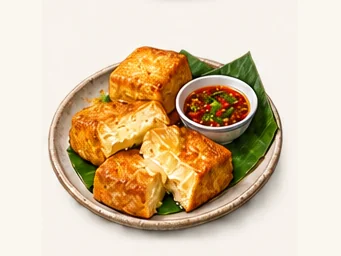
Soft-center grilled tofu 包浆豆腐
The main contrast is a lightly firm surface surrounding a creamy, almost flowing center. That center can be much hotter than the exterior suggests.
AI illustration · AI 示意图
Read dish guide →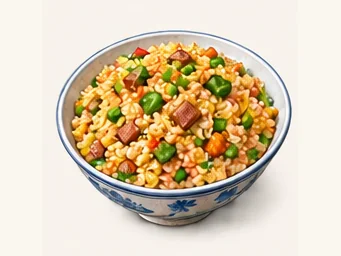
Naxi fried rice 纳西炒饭
The rice is warm and savory, with small textural contrasts from browned meat or crisp vegetables rather than a single uniform filling.
AI illustration · AI 示意图
Read dish guide →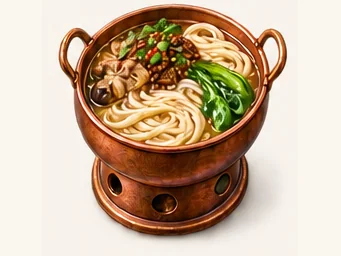
Copper-pot rice noodles 铜锅米线
The noodles are smooth and soft, with a hot broth flavored by meat, vegetables or pickled ingredients.
AI illustration · AI 示意图
Read dish guide →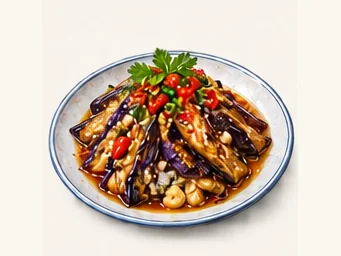
Fire-roasted eggplant salad 火烤茄子凉拌
The flesh is silky and smoky, with the dressing providing brightness and heat. It remains soft rather than becoming crisp like a fried eggplant dish.
AI illustration · AI 示意图
Read dish guide →Yunnan · Food stories

Food articles are in progress
Long-form food stories for this topic are being written. Until then, browse the dish guides above or see all Chinese food guides.