

Hainan local food
Local dishes, ingredients and the stories behind them.
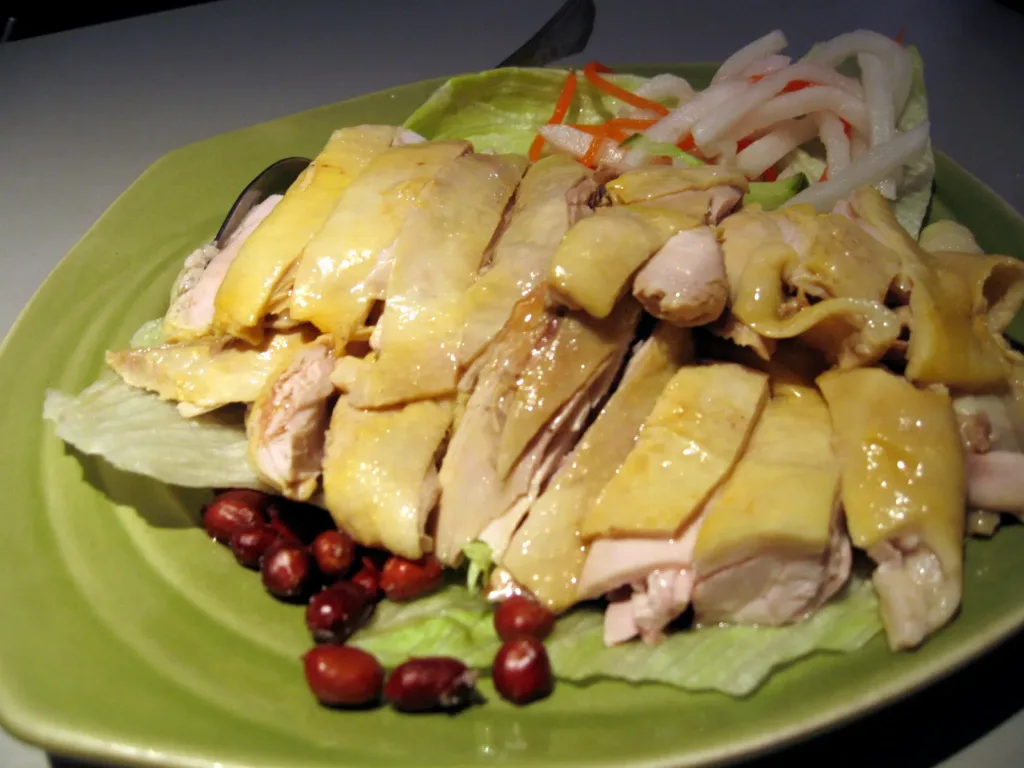
Wenchang chicken 文昌鸡
Wenchang chicken is Hainan’s chicken dish named for Wenchang, traditionally served as baiqie (white-cut chicken) with a savoury dipping sauce; in Haikou, ask for 文昌鸡 and treat the menu name separately from proof of the bird’s certified origin.
Read dish guide →
Zaopucu 糟粕醋
The broth is sharply sour, lightly spicy and savory, with seafood sweetness balancing the fermented aroma.
AI dish illustration · AI 菜品示意图
Read dish guide →
Jiaji duck 嘉积鸭
The flesh is firm and savory, with a supple skin and richness that varies by cut. The dip can contribute citrus sharpness and aromatic heat.
Read dish guide →
Dongshan goat 东山羊
Dongshan goat (东山羊) is a Hainan goat dish associated with Wanning. Its traditional white-cut and red-braised forms keep the meat and skin in focus, while dry-pot versions are darker and more concentrated.
Read dish guide →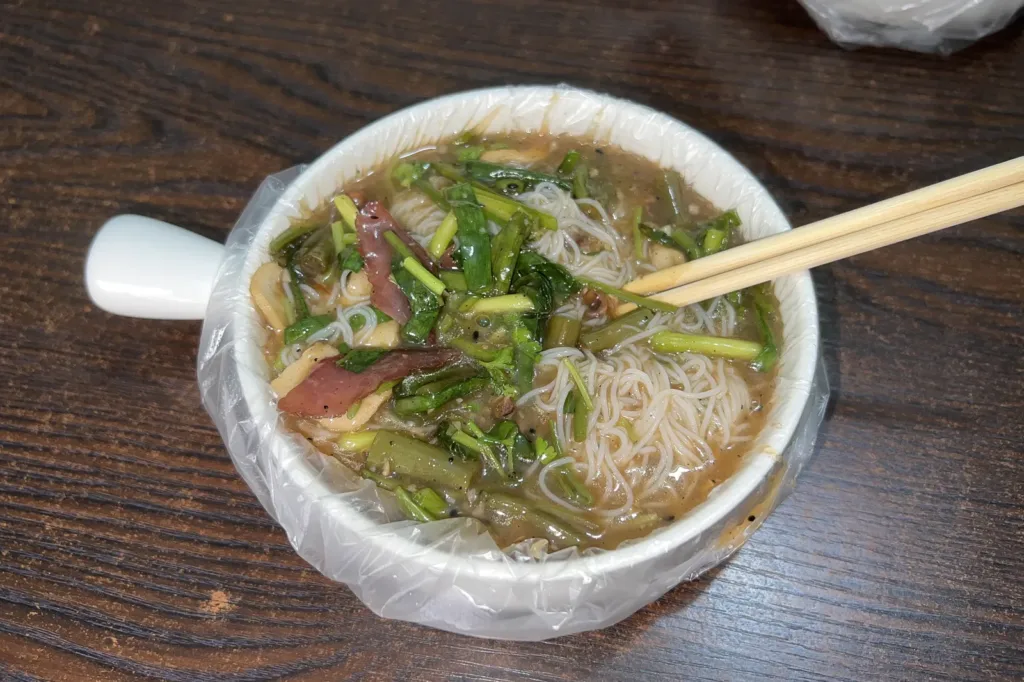
Lingshui sour noodles 陵水酸粉
Lingshui sour noodles are a Lingshui, Hainan specialty of fine rice noodles tossed with sour dressing and a changing mix of fish, beef jerky, peanuts, herbs and other toppings. The appeal is the contrast between a slippery, springy noodle and a sauce that can be sour, sweet, savory and spicy.
Read dish guide →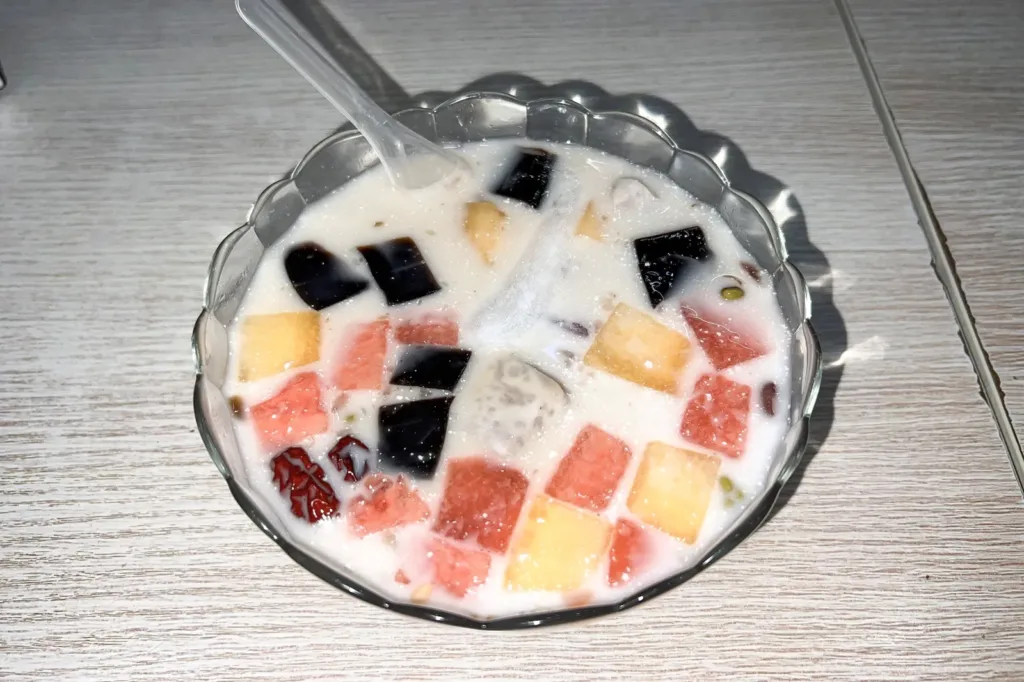
Qingbuliang 清补凉
Qingbuliang is Hainan’s chilled, build-your-own dessert: coconut milk or coconut water poured over cooked beans, grains, jellies, taro, fruit and other toppings. Its appeal is the contrast between a cold sweet base and a changing mix of soft, chewy and crisp textures.
Read dish guide →
Xinglong coffee 兴隆咖啡
Roast level controls bitterness, toasted aroma and body. A sweetened local cup can taste quite different from a plain black coffee.
AI dish illustration · AI 菜品示意图
Read dish guide →
Hainan rice noodles 海南粉
Hainan rice noodles (海南粉, Hainan fen) are fine rice noodles commonly eaten in Haikou as yan fen (腌粉): tossed with a thick savoury sauce, pickles, peanuts and other toppings. Ask for the dressed version to taste the dry, layered breakfast style, or try a soup version if you prefer broth.
Read dish guide →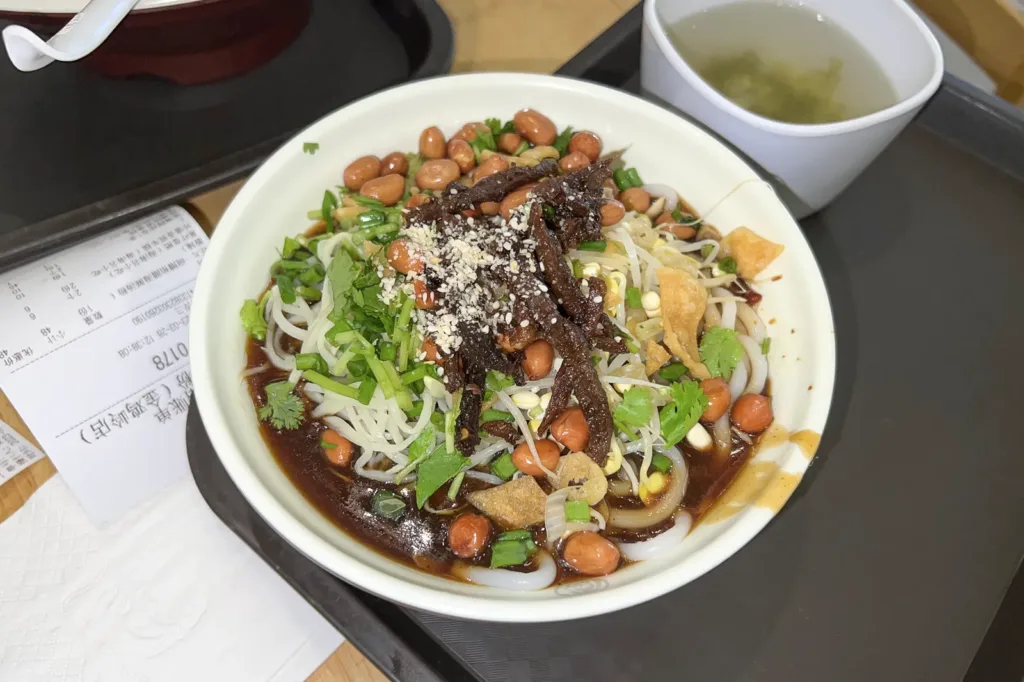
Baoluo noodles 抱罗粉
Baoluo noodles are a Hainan rice-noodle dish associated with Baoluo Town in Wenchang. The strands are slightly thicker and more resilient than very fine Hainan noodles. A bowl may arrive as tangfen (汤粉, noodles in broth) or yanfen (腌粉, dressed noodles), with toppings such as dried beef, peanuts, pickled vegetables, bamboo shoots, sesame and herbs.
Read dish guide →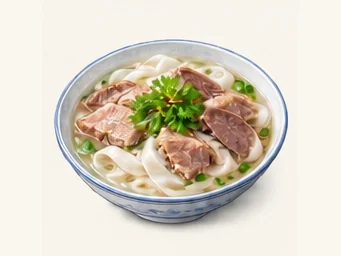
Hou’an noodle soup 后安粉
The bowl is savory and warming, with a delicate noodle texture and stronger bites from any offal. Pepper and herbs add fragrance.
AI illustration · AI 示意图
Read dish guide →
Gangmen seafood noodles 港门粉
Gangmen seafood noodles (港门粉) is a Sanya breakfast built around soft rice noodles, a clear seafood-and-pork-bone broth, handmade fish cake and a crisp fried shrimp cake. It is especially associated with Gangmen’s coastal fishing-port community, making the bowl a practical taste of Sanya’s maritime food culture.
Read dish guide →
Coconut chicken hotpot 椰子鸡
Coconut chicken hotpot (椰子鸡, yēzi jī) is a Hainan-style shared pot in which chicken cooks in fresh young-coconut water, often with tender coconut flesh and light additions. Its appeal is the clear, gently sweet broth, tender chicken, and a sharp dipping sauce served at the table.
Read dish guide →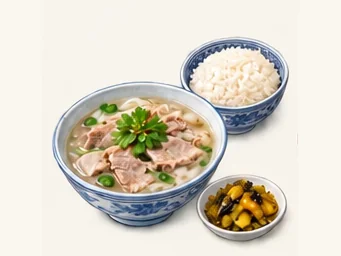
Pepper soup with rice 辣汤饭
The heat is peppery and aromatic rather than necessarily the burning sensation of chili. Tender meat and a clear savory broth make a substantial combination.
AI illustration · AI 示意图
Read dish guide →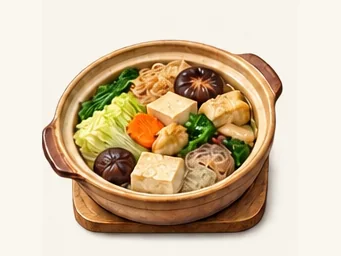
Haikou vegetable casserole 海口斋菜煲
Haikou vegetable casserole (海口斋菜煲) is a Qiongbei New Year dish built from tofu products, glass noodles, mushrooms and vegetables simmered in one pot. Its appeal is not a fixed recipe but a local custom: on the first day of the lunar year, families traditionally eat a meat-free pot whose ingredients carry wishes for cleanliness, diligence and prosperity.
AI illustration · AI 示意图
Read dish guide →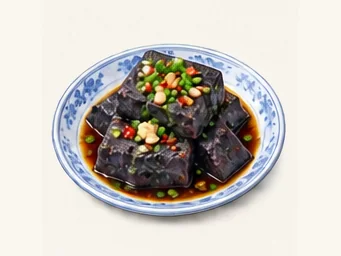
Shishan black tofu 石山黑豆腐
The tofu has a mild bean flavor and a soft, cohesive interior; its exact color and firmness vary. Browning or sauce changes the final character considerably.
AI illustration · AI 示意图
Read dish guide →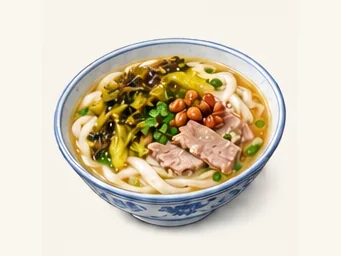
Shishan rice noodles 石山粉
Soft rice strands meet a vegetal, sometimes lightly sharp mustard note. Any meat topping adds richness, while broth quantity determines whether the meal feels light or concentrated.
AI illustration · AI 示意图
Read dish guide →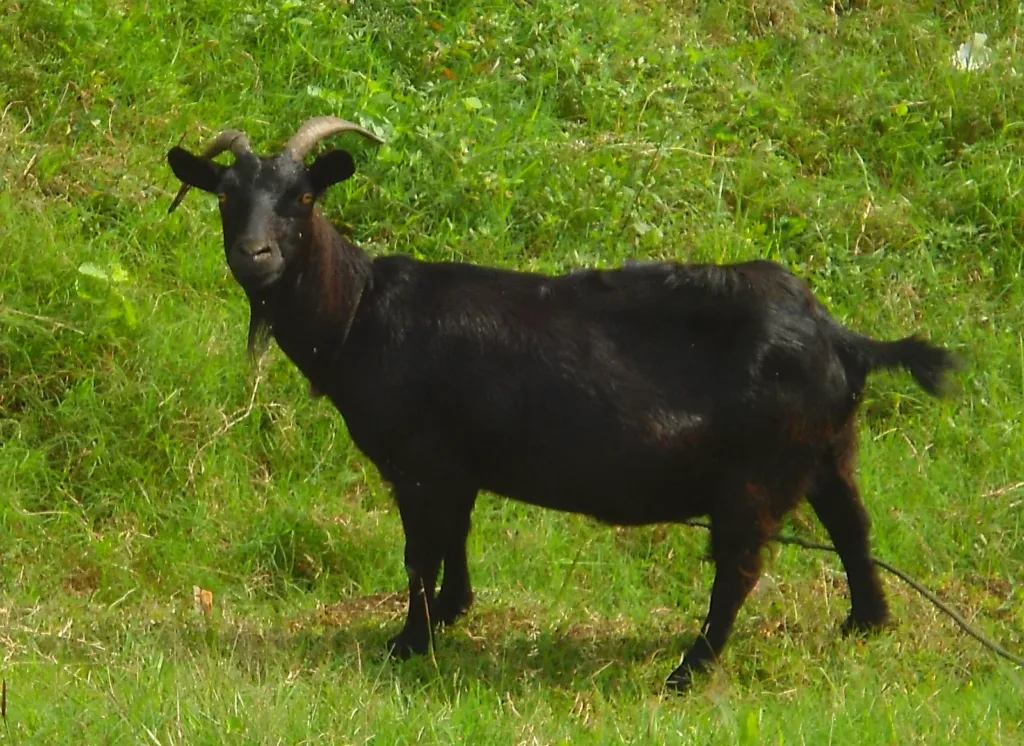
Shishan goat hotpot 石山壅羊火锅
Shishan goat hotpot is a Haikou-area communal meal built around the locally named Shishan goat. A bone-based broth, thin slices of skin and meat, and Hainan-style dipping sauces mark it as a local Shishan style rather than a generic mutton hotpot; it is especially associated with the volcanic countryside of Shishan in southwestern Haikou.
Read dish guide →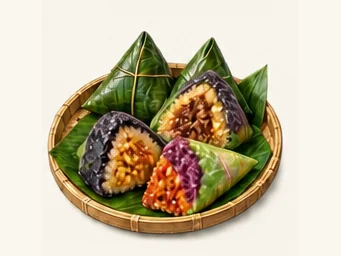
Five-color rice zongzi 五色粽
The parcel is sticky and substantial, with a leaf aroma and different flavors depending on whether the filling is sweet or savory.
AI illustration · AI 示意图
Read dish guide →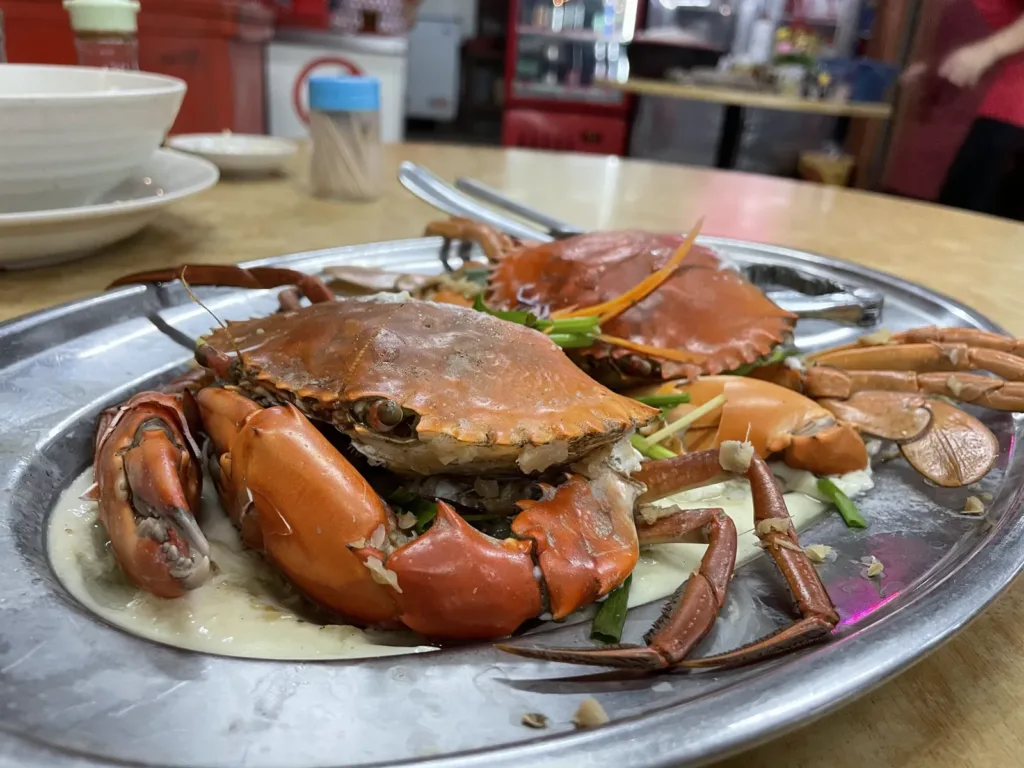
Steamed Hele crab 和乐蟹
Steamed Hele crab is a Hainan seafood dish associated with Hele Town in Wanning. Steaming lets the crab’s own meat and golden crab fat show through, with ginger, garlic and vinegar on the side; in Sanya, order it as a regional specialty rather than a dish born in the city.
Read dish guide →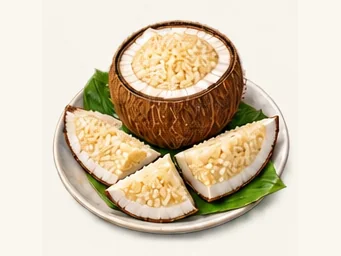
Coconut rice 椰子饭
Coconut rice (椰子饭, yēzi fàn) is a Hainan sweet rice preparation steamed inside a coconut shell and cut into boat-shaped pieces. Coconut juice perfumes the rice, while softened coconut flesh adds a chewy contrast; in Haikou, treat it as a regional dish rather than a recipe owned by one named restaurant.
AI illustration · AI 示意图
Read dish guide →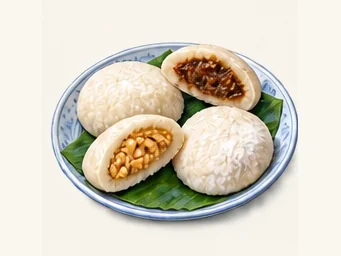
Yibua coconut rice cakes 椰子粑
The exterior is sticky and tender, while grated coconut or crushed nuts add a more textured center. The sweetness can be quite concentrated.
AI illustration · AI 示意图
Read dish guide →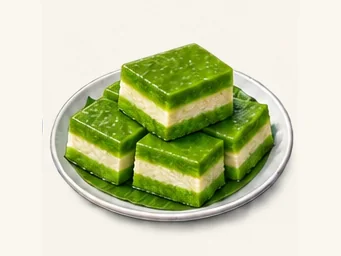
Hainan pandan cake 斑斓糕
The cake is softly chewy or tender, with a leafy pandan fragrance and coconut richness. Green color alone does not identify how the flavor was produced.
AI illustration · AI 示意图
Read dish guide →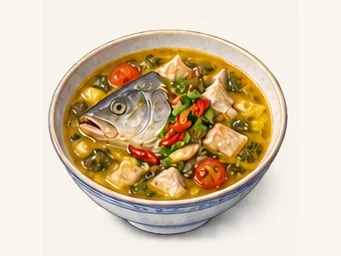
Wuzhishan sour fish soup 五指山酸鱼汤
The liquid is bright and sour, balancing tender fish and a savory base; the exact herbal note depends on the leaf used.
AI illustration · AI 示意图
Read dish guide →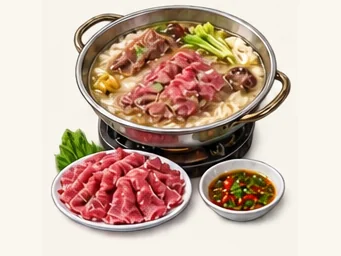
Xiangou beef hotpot 仙沟牛肉火锅
The attraction is comparing tender lean meat, richer fatty cuts and other textures as they cook. The broth becomes more savory during the meal.
AI illustration · AI 示意图
Read dish guide →Hainan · Food stories

Food articles are in progress
Long-form food stories for this topic are being written. Until then, browse the dish guides above or see all Chinese food guides.