

Tibet (Xizang) local food
Local dishes, ingredients and the stories behind them.
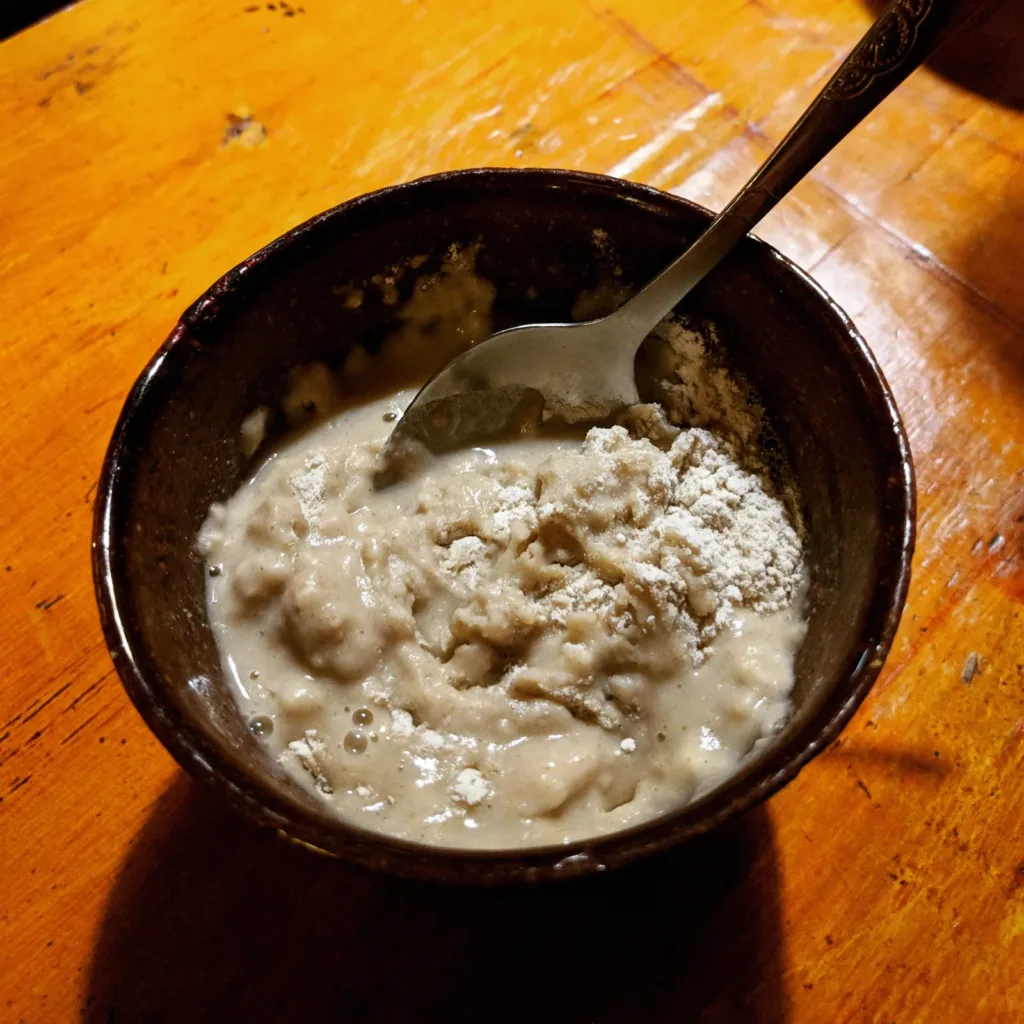
Tsampa 糌粑
Tsampa is roasted highland-barley flour mixed to order with tea, butter or other dairy. In Lhasa, it is best understood as a staple and a way of eating: toasted, grainy flour becomes a hand-mixed dough or porridge, with local variations in grains and accompaniments.
Read dish guide →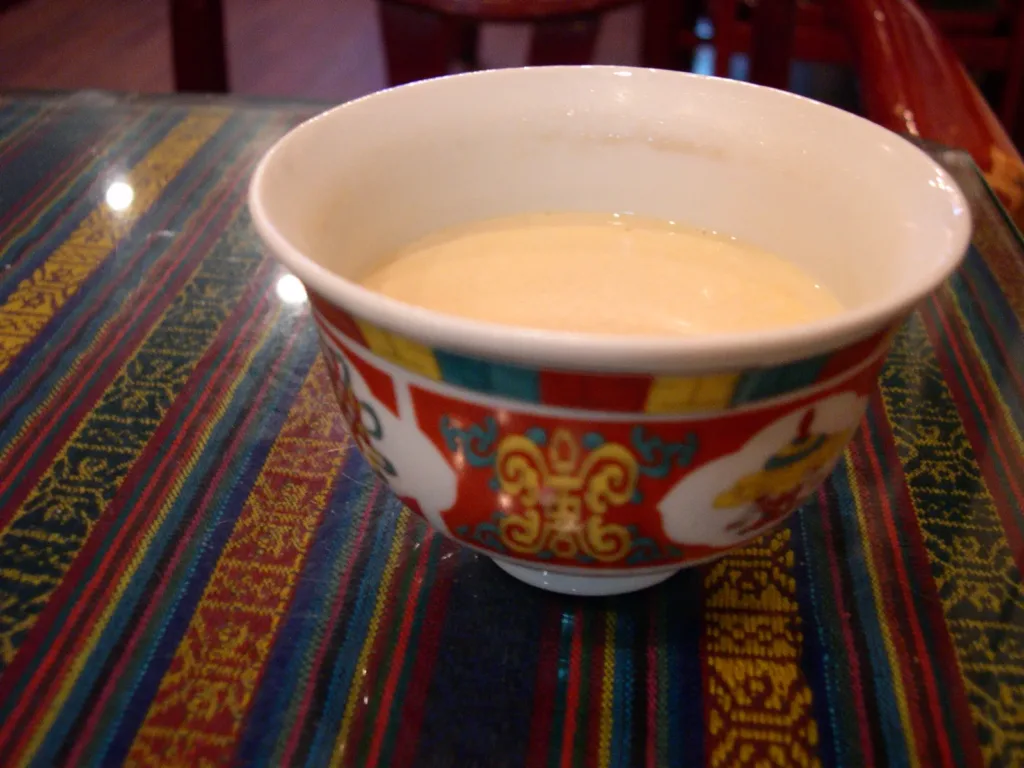
Butter tea 酥油茶
Butter tea is a hot, savoury Tibetan drink made by blending strong tea with butter and salt. In Lhasa, it is a taste of everyday hospitality and a natural partner for tsampa—not a sweet milk tea and not a treatment for altitude sickness.
Read dish guide →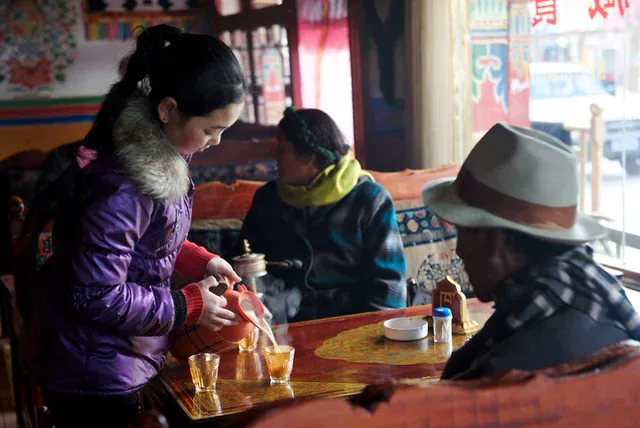
Lhasa sweet tea 拉萨甜茶
Lhasa sweet tea is a hot, milky black tea sweetened with sugar and closely tied to everyday teahouse life in Lhasa, where breakfast, conversation, and unhurried time share the same table.
Read dish guide →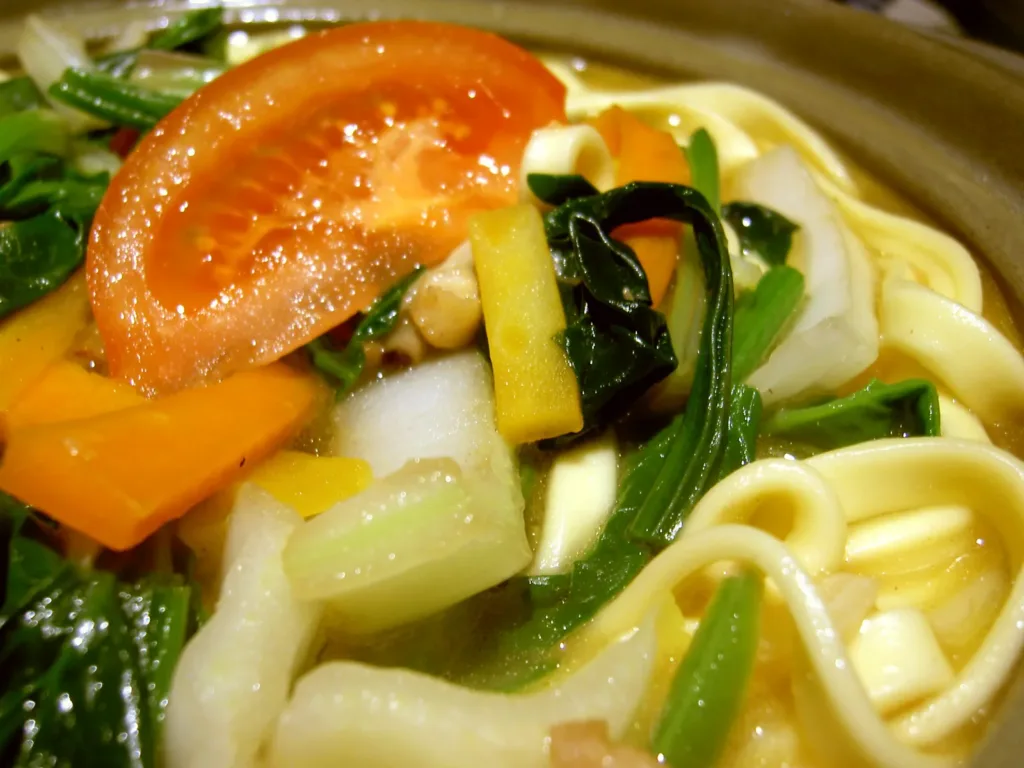
Tibetan broth noodles 藏面
Tibetan broth noodles, or 藏面 (Zangmian), are a familiar Lhasa tea-house breakfast: pale, alkaline wheat noodles served in hot yak-bone or beef broth, commonly finished with diced meat and scallion. The bowl is simple, but it is also a way into the everyday rhythm of Lhasa’s tea houses.
Read dish guide →
Yogurt rice 酸奶拌饭
The rice is soft and mildly sweet from its grain, while the yogurt is creamy and distinctly tart; temperature also changes the contrast.
AI dish illustration · AI 菜品示意图
Read dish guide →
Dried yak meat 风干牦牛肉
The result is concentrated in meat flavor, with a firm chew that can range from pliable to very hard. Fat content changes the texture substantially.
AI dish illustration · AI 菜品示意图
Read dish guide →
Lulang stone-pot chicken 鲁朗石锅鸡
Lulang stone-pot chicken is a Nyingchi-area shared stew built around fresh chicken, palm ginseng and a Medog stone pot, with optional seasonal ingredients such as matsutake. Its appeal is the meeting of a mild herbal broth, tender chicken and the stone-pot tradition linking Lulang’s dining town with Medog craftsmanship.
AI illustration · AI 示意图
Read dish guide →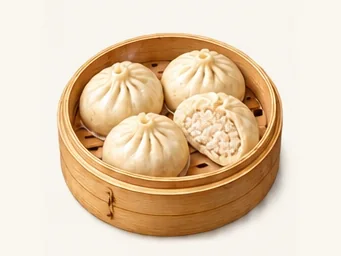
Cheese-curd buns 奶渣包子
The bread is fluffy and mild, while the center is denser, gently tangy and distinctly dairy-flavored rather than a meat filling.
AI illustration · AI 示意图
Read dish guide →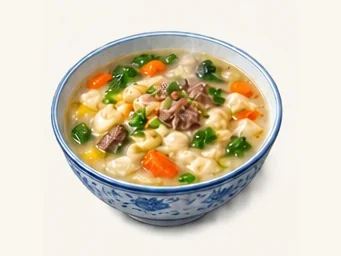
Guthuk New Year soup 古突
The soup is warming and filling, with soft dough and savory ingredients rather than a single dominant sauce.
AI illustration · AI 示意图
Read dish guide →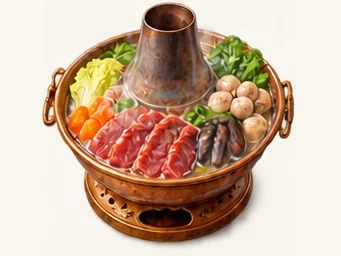
Tibetan yak hotpot 藏式牦牛肉火锅
The meat is savory and can be fairly lean, while longer-cooked cuts contribute richer broth. A separate dip lets diners introduce chili without changing the whole pot.
AI illustration · AI 示意图
Read dish guide →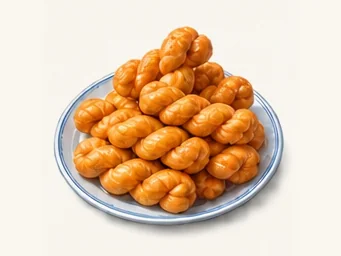
Khapse fried pastries 卡塞
The pastries are crisp and crumbly, with a lightly sweet or plain fried-dough flavor that varies by recipe.
AI illustration · AI 示意图
Read dish guide →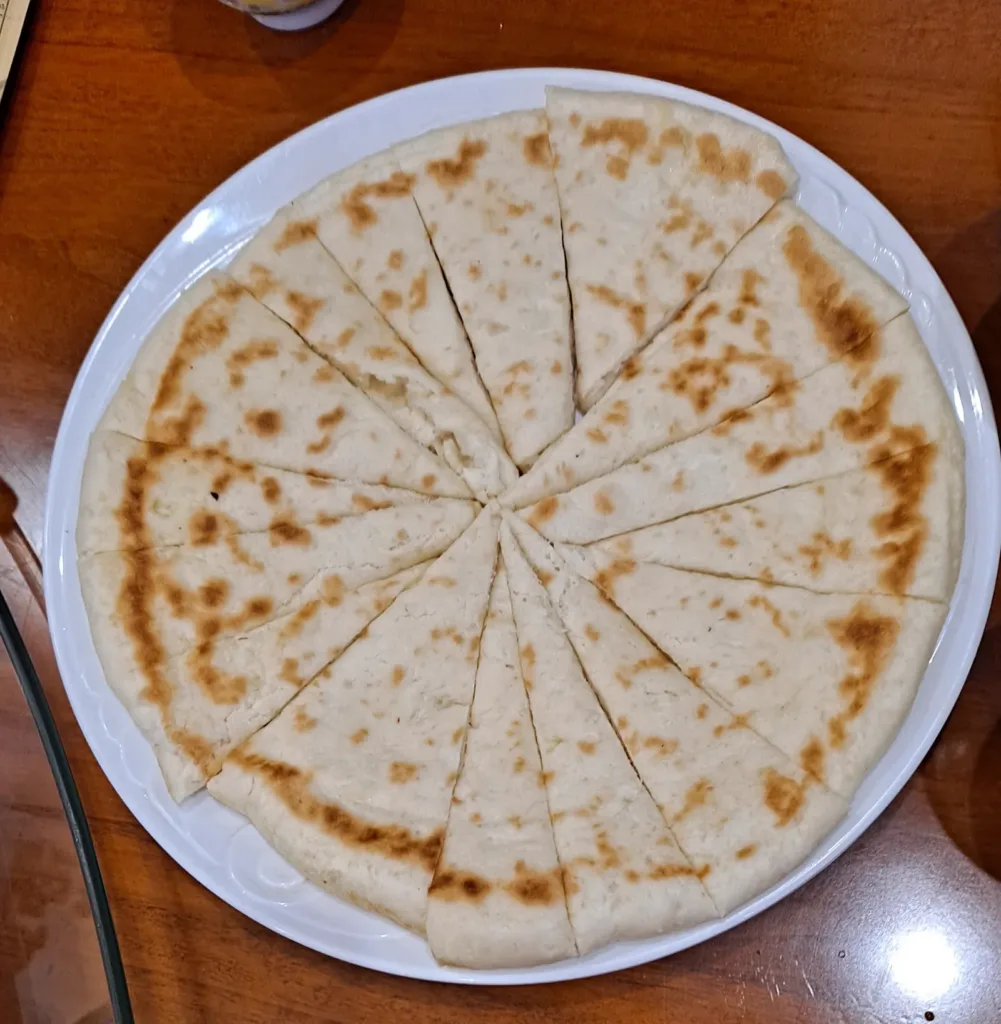
Highland-barley flatbread 青稞饼
Highland-barley flatbread (青稞饼) is a Tibetan barley-based flatbread with a grain-forward texture and kitchen-to-kitchen variations in flour, sweetness, fillings and cooking method. In Lhasa, treat it as a food to ask for at a Tibetan restaurant or tea house, not as a dish with one fixed recipe or one guaranteed shop.
Read dish guide →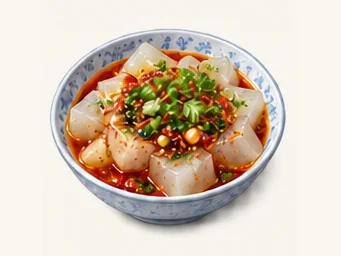
Shigatse pengbi pea jelly 朋必
Pengbi (朋必) is Shigatse’s savory pea-jelly snack: a soft, set pea mixture seasoned with scallion, curry and oil, often served with chili and sometimes made with minced meat, with recipes and availability varying by stall.
AI illustration · AI 示意图
Read dish guide →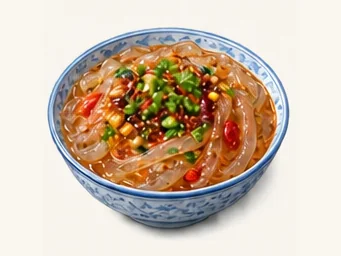
Crystal potato noodles 水晶土豆粉
The noodles are smooth, slippery and elastic, with little flavor of their own; broth, chili or other condiments determine the final taste.
AI illustration · AI 示意图
Read dish guide →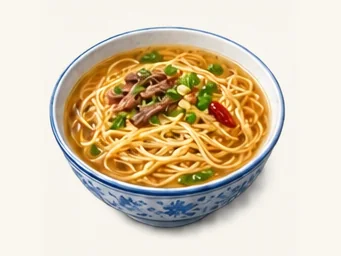
Yanjing jiajia noodles 盐井加加面
Each bowl is modest, with tender noodles and a warm, savory stock, allowing the diner to pace the meal.
AI illustration · AI 示意图
Read dish guide →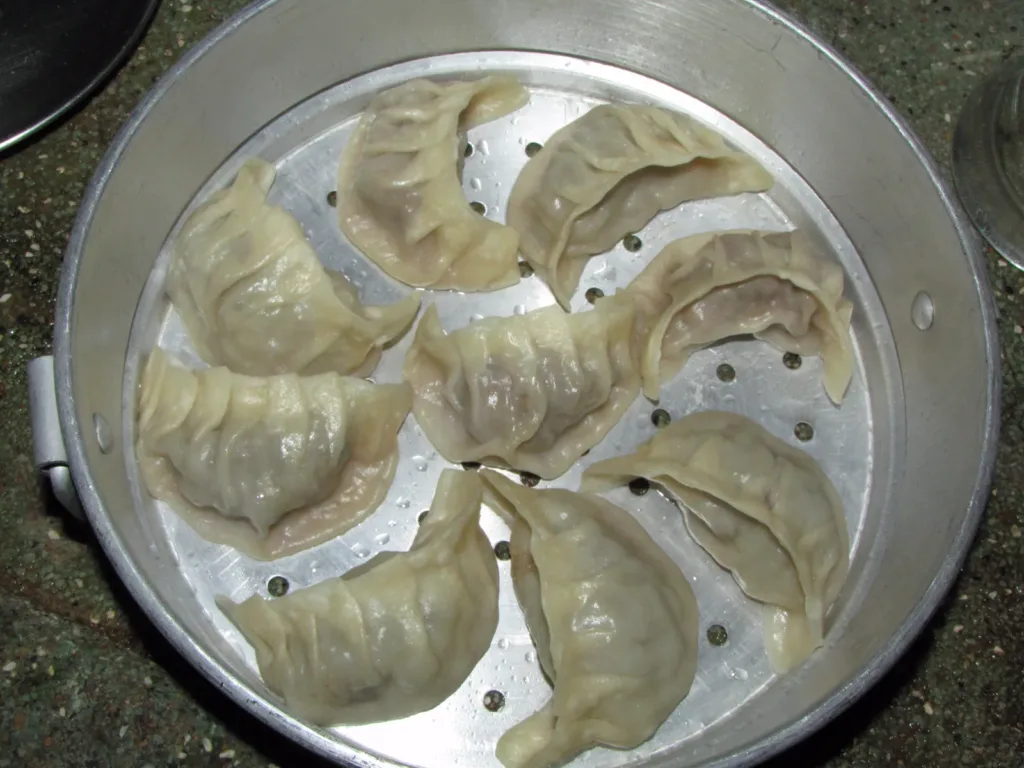
Lhasa meat-filled momo 拉萨藏包子
Lhasa meat-filled momo, known locally as Xia momo (夏馍馍) or zang bao, are Tibetan steamed dumplings with an unleavened wheat wrapper and a juicy meat filling. In Lhasa, they are a practical way to taste Tibetan home-style food: ask what meat is used, then try the first dumpling before adding chilli sauce.
Read dish guide →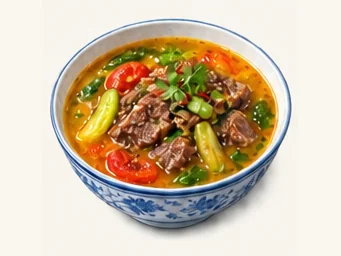
Yak beef in sour soup 酸汤牦牛肉
The meat is savory and relatively firm, while the tangy broth lightens the rich flavor and vegetables add softer or crisp textures.
AI illustration · AI 示意图
Read dish guide →
Gamba lamb soup 岗巴羊肉汤
A clear, lamb-forward Shigatse-area dish linked to Gamba County: simple cooking lets the meat lead, while hand-grabbed lamb and the barley-thickened preparation called 帕耶 show how the same local ingredient is used at the table.
AI illustration · AI 示意图
Read dish guide →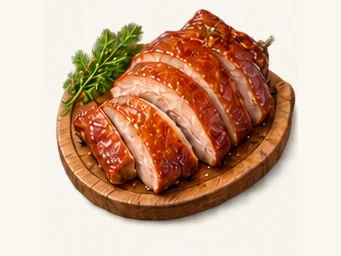
Roast Tibetan pork 烤藏香猪
`烤藏香猪` is a Nyingchi-area way to roast Tibetan fragrant pork: block-cut meat is cooked over charcoal or a brazier so skin, fat and lean meat meet in one bite, while Gongbu-style seasonings vary by kitchen.
AI illustration · AI 示意图
Read dish guide →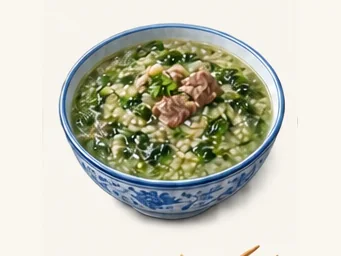
Tibetan nettle porridge 荨麻粥
The greens contribute an earthy vegetable flavor, while the grain gives a soft, filling texture. Richer additions change the bowl's weight considerably.
AI illustration · AI 示意图
Read dish guide →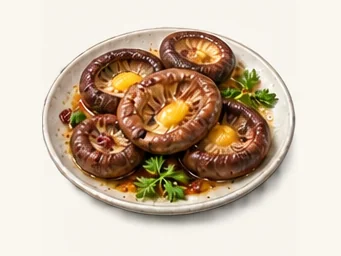
Butter-roasted mushrooms 色夏玛扎(酥油烤蘑菇)
The caps are tender and juicy, with browned edges where they contact the heat. Butter contributes richness while the mushroom aroma remains prominent.
AI illustration · AI 示意图
Read dish guide →
Beef with sour radish 酸萝卜炒牛肉
Tender beef meets crisp, tangy radish, with the pickling liquid giving a bright sour-salty finish. Chili may add a separate layer of heat.
AI illustration · AI 示意图
Read dish guide →
Makye Ame vegetable rolls 玛吉阿米素菜卷
Makye Ame vegetable rolls are a named restaurant order associated with the Makye Ame restaurant at the southeast corner of Lhasa’s Barkhor. A thin wrapper encloses cooked vegetables; kitchens may finish the rolls soft or crisp, while the exact filling and sauce are not standardized in the sources reviewed.
Read dish guide →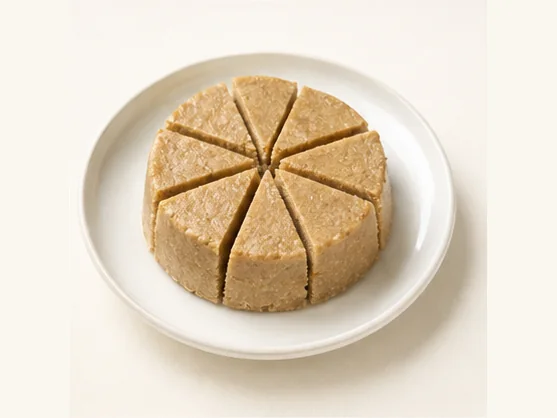
Tibetan masen barley & butter sweet 西藏玛森
Expect toasted grain, rich dairy and sweetness, with a slightly crumbly or compact mouthfeel. Small curd pieces can add a tangy contrast to the butter and sugar.
AI dish illustration / AI 菜品示意图
Read dish guide →Tibet (Xizang) · Food stories

Food articles are in progress
Long-form food stories for this topic are being written. Until then, browse the dish guides above or see all Chinese food guides.