

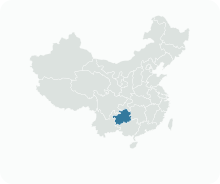
Get to know Tongren City
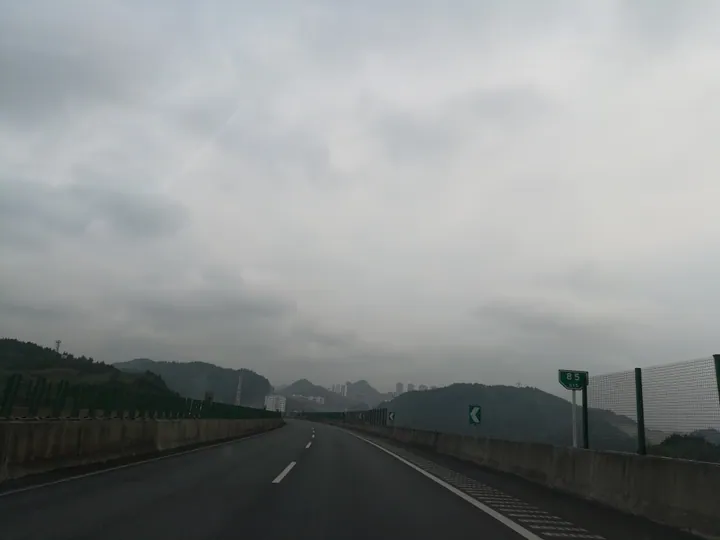
Photo adjustments
Full frame retained; proportionally resized and converted to WebP. No retouching or changes to the photographed subject. Card displays may crop the view.
- Administrative area
- Prefecture-level city · 地级市
- Part of
- Guizhou
- Chinese name
- 铜仁市
- Local areas
- 10 local areas
Area & population
- Area in the source
- 18,014.00 km²
- Population · 2020
- 3,298,468
- Administrative seat
- Bijiang District
Source: cited geographic source, as of the dates shown.
Setting and landscape
The Yuan (沅江) and Wu (乌江) river systems drain the prefecture. Fanjingshan, the main peak of the Wuling range, rises where Yinjiang (印江县), Jiangkou (江口县) and Songtao (松桃县) counties meet, reaching 2,572 metres at Fenghuang Mountain (凤凰山); it was inscribed as World Natural Heritage in July 2018. Its forests shelter the Guizhou snub-nosed monkey (黔金丝猴) and the dove tree (珙桐).
History
The city traces its name to Tongren (铜人), "bronze men": in the Yuan a fisherman is said to have brought up three bronze figures from the river at Tongyan (铜岩). In 1413 the Ming abolished the Sizhou and Sinan pacification commissions and set up Tongren, Sinan, Shiqian and Wuluo prefectures under the new Guizhou administration, merging most of Wuluo into Tongren in 1438. Tongren became a prefecture-level city in 2011. Songtao Miao embroidery (松桃苗绣), Tujia folk songs and Yuping flute making (玉屏箫笛制作技艺) are among its national intangible-heritage items.
What to see
On Fanjingshan the Mushroom Stone (蘑菇石) and the Red Clouds Golden Summit (红云金顶) are the landmark rock forms, and since the Tang the mountain has been a Buddhist site devoted to Maitreya, with temples such as Cheng'en Temple (承恩寺). In the city, the Zhongnanmen quarter (中南门历史文化旅游区), seat of Tongren prefecture from 1413, stands where three rivers meet and keeps its layout of nine gates, three streets and six lanes, with old wharves, a Confucian temple and Dongshan Temple (东山寺). The Shiqian ancient hot spring (石阡古温泉) dates to 1606; the municipal tourism account describes its mineral spring water as remaining at 45°C.
Food and local products
In Jiangkou, families make she fan (社饭) on the spring she day, near the equinox, to honour their ancestors: rice cooked with wild wormwood greens, cured pork, walnuts and peanuts, shared among friends and neighbours. Fanjingshan tea and Shiqian moss tea (石阡苔茶) are local teas.
Getting oriented
The city's September 2026 overview lists Tongren Fenghuang Airport (铜仁凤凰机场), the Qianbei airport at Dejiang (德江), the Shanghai–Kunming high-speed railway and the Chongqing–Huaihua railway. It has two districts and eight counties.
Highlights
- Fanjingshan 梵净山: Main peak of the Wuling range, 2,572 m at Fenghuang Mountain; World Natural Heritage since 2018 and a Maitreya Buddhist site since the Tang.
- Zhongnanmen old town 中南门历史文化旅游区: Seat of Tongren prefecture from 1413, with nine gates, three streets, six lanes and old wharves where three rivers meet.
- Shiqian ancient hot spring 石阡古温泉: Historic spring dating to 1606, described by the municipal tourism account as having water at 45°C.
- Songtao Miao embroidery 松桃苗绣: One of Tongren's national intangible-heritage items.
- She fan 社饭: Jiangkou spring dish of rice with wormwood greens, cured pork, walnuts and peanuts, made to honour ancestors.
- Shiqian moss tea 石阡苔茶: Local tea named alongside Fanjingshan tea in the city's overview.
Sources for this guide
铜仁市情简介 · Tongren Municipal People's Government
铜仁市人民政府-历史沿革 · Tongren Municipal People's Government
铜仁市人民政府-地理资源 · Tongren Municipal People's Government
梵净山 - 维基百科,自由的百科全书 · Chinese Wikipedia · CC BY-SA 4.0
社饭 · Tongren Municipal People's Government
登山泡泉逛古城 康养旅居到铜仁——梵净山下的诗意栖居之旅 · Tongren Municipal People's Government, republishing Tongren Integrated Media Center
Original English written from the listed sources and checked sentence by sentence against quoted extracts by a separate reviewer. Updated 2026-10-01.
Explore Tongren City
Core places to explore, with English and Chinese names.
Fanjingshan 梵净山
Yamugou 亚木沟
Daming Border City 大明边城
Miaowangcheng Village 苗王城
Wanshan Mercury Mine Site 万山汞矿遗址
Yunshe Village 云舍村
Zhaisha Dong Village 寨沙侗寨
Loushang Ancient Village 楼上古寨
Shiqian Ancient Hot Spring 石阡古温泉
Zhongnanmen Historic and Cultural Scenic Area 中南门历史文化旅游区
Bijiang District 碧江区
Wanshan District 万山区
Jiangkou County 江口县
Yuping Dong Autonomous County 玉屏侗族自治县
Shiqian County 石阡县
Sinan County 思南县
Yinjiang Tujia and Miao Autonomous County 印江土家族苗族自治县
Dejiang County 德江县
Yanhe Tujia Autonomous County 沿河土家族自治县
Songtao Miao Autonomous County 松桃苗族自治县
Places to explore around Tongren City
 Mount Fanjing · 梵净山
Fanjingshan梵净山
Fanjingshan combines forested mountain slopes with exposed rock formations and Buddhist summit buildings. Mushroom Stone has a broad upper section balanced on a narrower base, while the Red Clouds Golden Summit rises as a…
Read the place guide → Yamugou · 亚木沟
Yamugou亚木沟
Yamugou pairs a narrow stream gorge with a developed Tujia cultural park. The gorge route uses boardwalks beside the water, letting the close rock walls and vegetation define the natural part of the visit. The cultural park…
Read the place guide → Daming Border City · 大明边城
Daming Border City大明边城
Daming Border City is a modern visitor complex beside Tongren’s Jin River, created around themes from Guizhou’s Ming-period frontier history. Its recreated townscape and public river setting provide the physical basis for a…
Read the place guide → AI illustration · AI 示意图(仅供参考,非该地点实拍)
Miaowangcheng Village苗王城
Miaowangcheng’s houses and lanes occupy a defensible riverside setting in Songtao. Timber stilt houses follow the slope, while the winding stone passages reflect the old settlement’s enclosed layout. The developed visitor route…
Read the place guide → Wanshan Mercury Mine Site · 万山汞矿遗址
Wanshan Mercury Mine Site万山汞矿遗址
The Wanshan mercury mine site is the surviving workings of a cinnabar and mercury field at Wanshan town in Wanshan district, Tongren, Guizhou. Mining at its Heidongzi section goes back to the Qin and Han periods and the mine was closed by state policy in 2001; the site was selected in 2006 for the sixth batch of Major Historical and Cultural Sites Protected at the National Level.
Read the place guide → Yunshe Village · 云舍村
Yunshe Village云舍村
Yunshe is a Tujia village under Taiping town in Jiangkou County, Tongren, Guizhou, built along the bank of the Taiping river inside the Fanjingshan Taipinghe scenic area. Its name comes from the Tujia language and means 'the place where the monkeys drink water'; it was on the first national list of Chinese Traditional Villages in 2012.
Read the place guide → Zhaisha Dong Village · 寨沙侗寨
Zhaisha Dong Village寨沙侗寨
Zhaisha is a Dong village at the foot of Fanjingshan in Jiangkou County, Tongren, Guizhou, about 10 kilometres from the county town and standing beside the Taiping river. It is a natural village where the county's Dong population lives together, laid out around a square with a bell-and-drum tower.
Read the place guide → Loushang Ancient Village · 楼上古寨
Loushang Ancient Village楼上古寨
Loushang is an old stockade village on the Liaoxian river in Guorong township, Shiqian County, Tongren, Guizhou, founded in the sixth year of the Ming Hongzhi era (1493). Its architectural complex was placed in the seventh national batch of Major Historical and Cultural Sites Protected at the National Level in 2013.
Read the place guide → AI illustration · AI 示意图(仅供参考,非该地点实拍)
Shiqian Ancient Hot Spring石阡古温泉
The Shiqian ancient hot spring, also known as the Chengnan hot spring, is a hot-spring bathing complex on the south side of the Shiqian county town, Tongren, Guizhou. The county tourism bureau records that it was built in the thirtieth year of the Ming Wanli era (1602) and is one of the oldest hot springs in China still in use.
Read the place guide →AI illustration · AI 示意图(仅供参考,非该地点实拍)Zhongnanmen Historic and Cultural Scenic Area中南门历史文化旅游区
The Zhongnanmen historic and cultural tourism area is the restored old prefectural city of Tongren, in Bijiang District, Guizhou, where a prefecture was established in 1413 and the city wall built in 1451. The district government records an unbroken 608-year history across a built area of about 290,000 square metres and 164 buildings, of which 117 are preserved originals and 47 are new construction.
Read the place guide →Local life & food
Tongren City local specialties
铜仁市特色美食 · 12 specialties to discover
 Jiangkou rice tofu 江口米豆腐AI illustration · AI 示意图
The cubes are soft and smooth with a mild grain flavor, while chili, vinegar and aromatics give the bowl its assertive finish.
Source ↗Read the dish guide → Sinan flower-patterned rice cakes 思南花甜粑AI dish illustration / AI 菜品示意图
The rice cake becomes soft and chewy when warmed, with sweetness shaped by syrup, sweet rice wine or other accompaniments.
Source ↗Read the dish guide →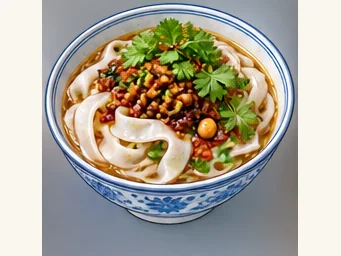 Tongren mung-bean noodles 铜仁绿豆粉AI illustration · AI 示意图
They are rustic and tender, with a lightly beany aroma and less stretch than wheat noodles. The irregular surfaces catch the soup.
Source ↗Read the dish guide →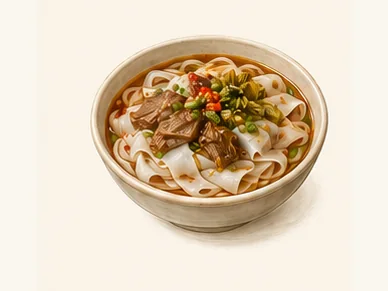 Tongren guoba rice noodles 铜仁锅巴粉AI dish illustration / AI 菜品示意图
Expect a soft rice texture carrying the broth's flavour. The name should not make you expect a dry plate of crunchy rice crackers.
Source ↗Read the dish guide → Tongren Mugwort Rice with Cured Pork 铜仁社饭AI illustration · AI 示意图(仅供参考,非实拍)
Tongren Mugwort Rice with Cured Pork (铜仁社饭) is she fan, steamed glutinous and ordinary rice mixed with young artemisia and diced cured pork, made in Tongren (铜仁), Guizhou, for the spring she (社) observance around the spring equinox.
Read the dish guide →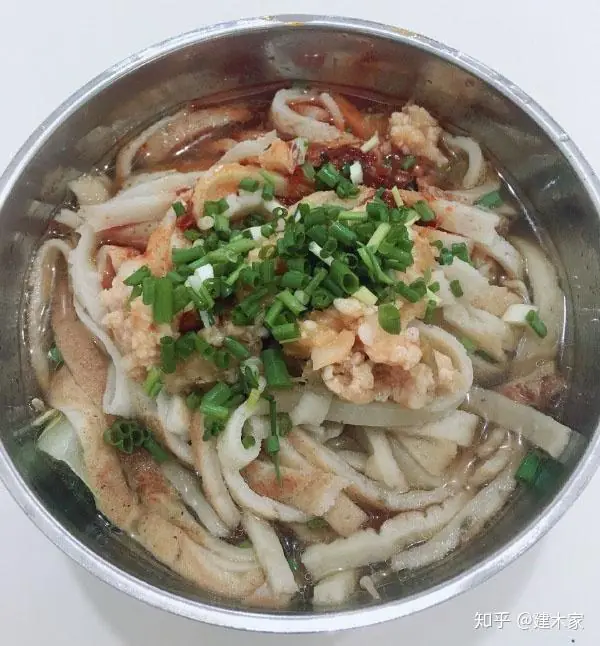 Shiqian Mung Bean Noodles 石阡绿豆粉
Shiqian Mung Bean Noodles (石阡绿豆粉) are the mung-bean noodles of Shiqian (石阡) county in Tongren (铜仁), Guizhou: thin sheets ground from mung beans and rice, and in Shiqian the usual first meal of the day.
Read the dish guide →Photo adjustments
EXIF orientation normalized; resized without changing aspect ratio; converted to WebP. No subject edits.
 Yanhe Glutinous Rice Buns 沿河糯米包子Reference photo of a similar dish · 同类菜品参考照片
Yanhe Glutinous Rice Buns (沿河糯米包子) are steamed buns with a glutinous-rice skin and a filling of pork and tofu, made in Yanhe Tujia Autonomous County (沿河土家族自治县) in Tongren (铜仁), Guizhou.
Read the dish guide →
Photo adjustments
Full frame retained; EXIF orientation normalized, proportionally resized to at most 800 pixels and converted to WebP. No generated pixels or subject changes. Cards may crop the display.
 Yinjiang Mung Bean Noodles 印江绿豆粉AI illustration · AI 示意图(仅供参考,非实拍)
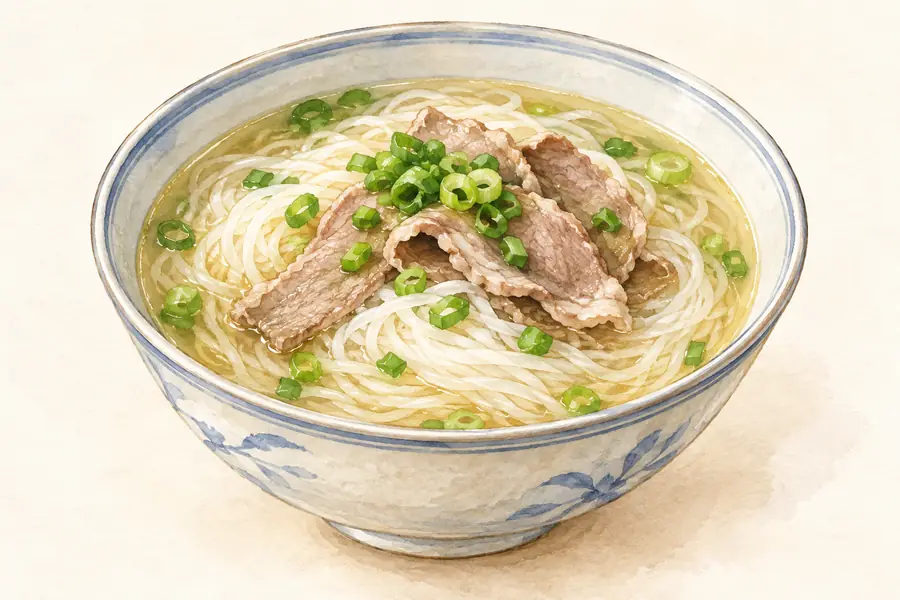
Yinjiang Mung Bean Noodles (印江绿豆粉) are strips cut from thin sheets of cooked rice-and-mung-bean batter, a traditional food of Yinjiang Tujia and Miao Autonomous County (印江土家族苗族自治县) in Tongren (铜仁), Guizhou.
Read the dish guide →All dish names · 全部菜名 (12)
- Jiangkou rice tofu · 江口米豆腐
- Sinan flower-patterned rice cakes · 思南花甜粑
- Tongren mung-bean noodles · 铜仁绿豆粉
- Tongren guoba rice noodles · 铜仁锅巴粉
- Tongren Mugwort Rice with Cured Pork · 铜仁社饭
- Shiqian Mung Bean Noodles · 石阡绿豆粉
- Yanhe Glutinous Rice Buns · 沿河糯米包子
- Yinjiang Mung Bean Noodles · 印江绿豆粉
- Dejiang Tujia Boiled Savory Tea · 德江土家熬茶
- Songtao Green Soybean Sheet Noodles · 松桃锅巴粉
- Yuping Mugwort Rice with Cured Pork · 玉屏社饭
- Tongren Sour Fermented Fish · 铜仁酸扎鱼
More dishes from across Guizhou are in the Guizhou food guide.
Counties & districts in Tongren City
10 areas belong directly to Tongren City.
10 areas
Bijiang District 碧江区
Bijiang District (simplified Chinese: 碧江区; traditional Chinese: 碧江區; pinyin: Bìjiāng Qū) is the seat of the city of Tongren, Guizhou province, China.
Explore the area →DistrictWanshan District 万山区
Wanshan District (simplified Chinese: 万山区; traditional Chinese: 萬山區; pinyin: Wànshān Qū) is a district of the city of Tongren, Guizhou province, China, bordering Hunan province to the southeast and east.
Explore the area →CountyJiangkou County 江口县
Jiangkou County is a county under the jurisdiction of the prefecture-level city of Tongren, in the northeast of Guizhou Province, China. The county government is located in Shuangjiang.
Explore the area →Autonomous countyYuping Dong Autonomous County 玉屏侗族自治县
Yuping Dong Autonomous County (Dong language: Yuil piinc) is an autonomous county under the administration of the prefecture-level city of Tongren, in the east of Guizhou Province, China, bordering Hunan…
Explore the area →Show fewer areas
Shiqian County 石阡县
Shiqian County (simplified Chinese: 石阡县; traditional Chinese: 石阡縣; pinyin: Shíqiān Xiàn) is a county under the administration of the prefecture-level city of Tongren, in the northeast of Guizhou Province…
Explore the area →CountySinan County 思南县
Sinan County (simplified Chinese: 思南县; traditional Chinese: 思南縣; pinyin: Sīnán Xiàn) is a county under the administration of the prefecture-level city of Tongren, in the northeast of Guizhou Province, China.
Explore the area →Autonomous countyYinjiang Tujia and Miao Autonomous County 印江土家族苗族自治县
Yinjiang Tujia and Miao Autonomous County (simplified Chinese: 印江土家族苗族自治县; traditional Chinese: 印江土家族苗族自治縣; pinyin: Yìnjiāng Tǔjiāzú Miáozú Zìzhìxiàn; Tujia: Yinv jiangr Bif Ziv Kar hev Bef Kar zouf xengv…
Explore the area →CountyDejiang County 德江县
Dejiang County is a county under the administration of the prefecture-level city of Tongren, in the northeast of Guizhou Province, China. The government is located in Qinglong.
Explore the area →Autonomous countyYanhe Tujia Autonomous County 沿河土家族自治县
Yanhe Tujia Autonomous County (simplified Chinese: 沿河土家族自治县; traditional Chinese: 沿河土家族自治縣; pinyin: Yánhé Tǔjiāzú Zìzhìxiàn; lit.
Explore the area →Autonomous countySongtao Miao Autonomous County 松桃苗族自治县
Songtao Miao Autonomous County (simplified Chinese: 松桃苗族自治县; traditional Chinese: 松桃苗族自治縣; pinyin: Sōngtáo Miáozú Zìzhìxiàn) is an autonomous county in the northeast of Guizhou province, China, bordering…
Explore the area →No areas match this name.
Plan your visit
Getting there
Search for 铜仁市 in a map app to find stations and your accommodation.
Where to stay →Build your route
Fanjingshan and Yamugou are about 15 km apart in a straight line. The linked place guides have entrance and visit details.
Continue with Guizhou →More in Guizhou
Sources & geographic information
Administrative names and parent areas: Official geographic directory · Reference date 2026-09-06.
Some facts checked against 梵净山 — Wikipedia contributors, CC BY-SA 4.0.
Photo: Fanjingshan · Mande5255881 · CC BY-SA 3.0. Wikimedia thumbnail; fitted to the ranking-card frame.

Photo: Yamugou · Source photographer · License not provided. EXIF orientation normalized; resized without changing aspect ratio; converted to WebP. No subject edits.
Photo: Daming Border City · Source photographer · License not provided. EXIF orientation normalized; resized without changing aspect ratio; converted to WebP. No subject edits.
Photo: Wanshan Mercury Mine Site · Source photographer · License not provided. EXIF orientation normalized; resized without changing aspect ratio; converted to WebP. No subject edits.
Photo: Yunshe Village · Source photographer · License not provided. EXIF orientation normalized; resized without changing aspect ratio; converted to WebP. No subject edits.
Photo: Zhaisha Dong Village · Source photographer · License not provided. EXIF orientation normalized; resized without changing aspect ratio; converted to WebP. No subject edits.
Photo: Loushang Ancient Village · Source photographer · License not provided. EXIF orientation normalized; resized without changing aspect ratio; converted to WebP. No subject edits.
Map data © OpenStreetMap contributors. Pins mark approximate centres, not entrances or boundaries.