

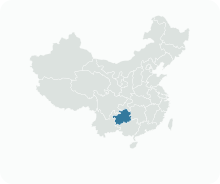
Get to know Qiandongnan Miao and Dong Autonomous Prefecture
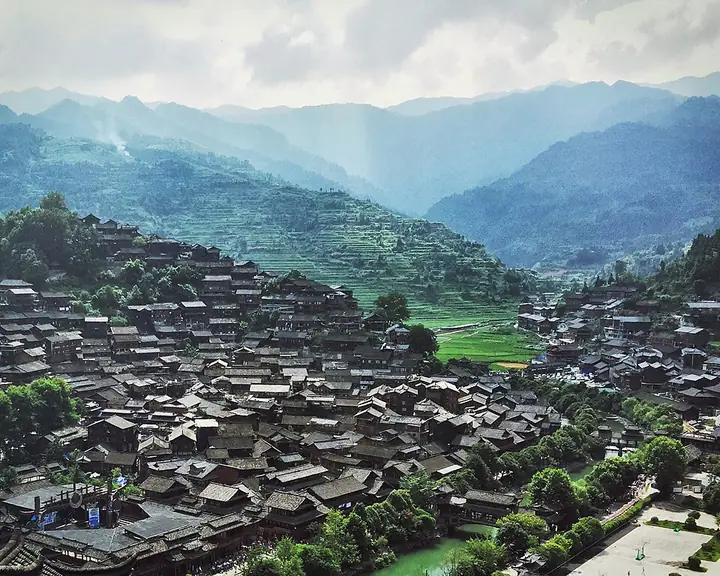
Photo adjustments
Full-frame source proportionally resized and converted to WebP for display. No subject alteration. Source-supplied marks and edits remain; cards may crop the view.
- Administrative area
- Autonomous prefecture · 自治州
- Part of
- Guizhou
- Chinese name
- 黔东南苗族侗族自治州
- Local areas
- 16 local areas
Area & population
- Area in the source
- 30,337.00 km²
- Population · 2018
- 3,538,300
- Administrative seat
- Kaili
Source: cited geographic source, as of the dates shown.
Setting and landscape
The Miao Mountains (苗岭) run through the prefecture, and in the south-east Leigong Mountain (雷公山) rises to 2,178.8 metres at its main peak, Huangyang Mountain (黄羊山), the prefecture's highest point. North of the Miao Mountains the Qingshui (清水江) and Wuyang (舞阳河) rivers drain to the Yuan (沅江) and the Yangtze; to the south the Duliu (都柳江) flows to the Pearl. In northern Shibing County (施秉县), dolomite karst around Yuntai Mountain (云台山) and the Shanmu River (杉木河) was inscribed as part of the South China Karst World Heritage site in 2014.
History and culture
The autonomous prefecture was founded in 1956. The Dong Grand Song (侗族大歌), an unaccompanied, unconducted polyphonic choir that the prefecture traces back more than 2,500 years, centres on southern Liping (黎平县) and northern Congjiang (从江县); singers from Xiaohuang village (小黄村) in Congjiang astonished a Paris festival in 1986, and UNESCO inscribed the songs in 2009. Festivals described by the prefecture include the Miao Sisters' Festival of Taijiang (台江苗族姊妹节), the Miao New Year in Leishan (雷山苗年) and dragon-boat racing at Zhenyuan (镇远).
What to see
Xijiang (西江千户苗寨) in Leishan County (雷山县) is a hillside Miao settlement of wooden stilt houses; it made its name when the provincial tourism conference met there in 2008. Zhenyuan old town (镇远古城), Zhaoxing Dong village (肇兴侗寨) in Liping, Basha (岜沙) in Congjiang, the Sanbao Dong villages (三宝侗寨) of Rongjiang (榕江县) and Longli old town (隆里古城) in Jinping (锦屏县) have all been upgraded to national A-level scenic standards. National key cultural relics include the Langde upper village (郎德上寨), the Zengchong drum tower (增冲鼓楼), the Diping wind-and-rain bridge (地坪风雨桥), Zhenyuan's city wall and the Liping Conference site (黎平会议会址).
Food and local products
Sour soup underpins the local table: Kaili red sour soup (凯里红酸汤) is fermented from tomatoes and fresh red chillies, white sour soup from rice, wheat or soybeans, and both serve as hotpot stock or seasoning. For sour-soup fish (酸汤鱼), fresh fish is cooked in boiling red sour soup with pepper, fermented chilli and mountain-pepper oil. Dong cooks make niubie hotpot (牛瘪火锅) from the filtered stomach contents of cattle, slightly bitter and served to honoured guests, and Leishan fish sauce (雷山鱼酱酸), stream fish fermented with chilli, ginger and sweet rice wine for at least 30 days, is on Guizhou's provincial intangible-heritage list.
Getting oriented
Kaili, the prefecture's only county-level city, lies a little over 160 kilometres east of Guiyang; the other fifteen divisions are counties.
Highlights
- Xijiang Miao village 西江千户苗寨: Miao wooden stilt houses on a hillside in Leishan County.
- Shibing Karst 施秉喀斯特: Dolomite karst around Yuntai Mountain and the Shanmu River; part of the South China Karst World Heritage site since 2014.
- Dong Grand Song 侗族大歌: Unaccompanied polyphonic Dong choir centred on southern Liping and northern Congjiang; UNESCO intangible heritage since 2009.
- Zhenyuan old town 镇远古城: Old town whose city wall is a national key cultural relic; scene of yearly dragon-boat racing.
- Sour-soup fish 酸汤鱼: Fresh fish cooked in fermented red sour soup with fermented chilli and mountain-pepper oil.
- Leishan fish sauce 雷山鱼酱酸: Miao condiment of stream fish fermented with chilli, ginger and sweet rice wine; provincial intangible heritage.
Sources for this guide
施秉喀斯特世界自然遗产简介 · Qiandongnan Miao and Dong Autonomous Prefecture People's Government
侗族大歌——人类非物质文化遗产 · Qiandongnan Miao and Dong Autonomous Prefecture People's Government
何为凯里酸汤? · Qiandongnan Miao and Dong Autonomous Prefecture People's Government
如诗如梦如锦绣 是风是景是远方——黔东南州建州66年来旅游产业化发展成就综述 · Qiandongnan Miao and Dong Autonomous Prefecture People's Government
黔东南苗族侗族自治州 - 维基百科,自由的百科全书 · Chinese Wikipedia · CC BY-SA 4.0
寻味贵州 “必吃榜”更新丨解锁黔东南州的宝藏美食 - 贵州省人民政府 · Guizhou Provincial People's Government
Original English written from the listed sources and checked sentence by sentence against quoted extracts by a separate reviewer. Updated 2026-10-01.
Explore Qiandongnan Miao and Dong Autonomous Prefecture
Core places to explore, with English and Chinese names.
Jiabang Rice Terraces 加榜梯田
Xiaohuang Dong Village 小黄侗寨
Basha Miao Village 岜沙苗寨
Xiasi Ancient Town 下司古镇
Jianhe Hot Spring 剑河温泉
Shidong Ancient Town 施洞古镇
Yuntai Mountain 云台山
Shanmu River 杉木河
Dali Dong Village 大利侗寨
Sanbao Dong Village 三宝侗寨
Longli Ancient City 隆里古城
Wuyang River 舞阳河
Zhenyuan County, Guizhou 镇远古城
Xijiang, Guizhou 西江千户苗寨
Langde Miao Village 郎德苗寨
Leigong Mountain Official Visitor Area 雷公山正规开放游览区
Tang'an Dong Village 堂安侗寨
Zhaoxing Dong Village 肇兴侗寨
Liping Qiaojie Old Street 黎平翘街
Kaili City 凯里市
Huangping County 黄平县
Shibing County 施秉县
Sansui County 三穗县
Zhenyuan County 镇远县
Cengong County 岑巩县
Tianzhu County 天柱县
Jinping County 锦屏县
Jianhe County 剑河县
Taijiang County 台江县
Liping County 黎平县
Rongjiang County 榕江县
Congjiang County 从江县
Leishan County 雷山县
Majiang County 麻江县
Danzhai County 丹寨县
Places to explore around Qiandongnan Miao and Dong Autonomous Prefecture
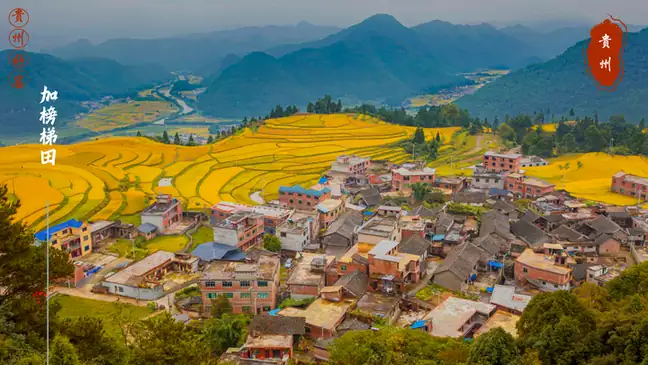 Jiabang Rice Terraces · 加榜梯田
Jiabang Rice Terraces加榜梯田
The Jiabang terraces follow the folds of steep hills around villages such as Dangniu, Jiaye and Jiache. Curving field edges form the main pattern, with timber stilt houses appearing between the cultivated slopes. Flooded fields…
Read the place guide → Xiaohuang Dong Village · 小黄侗寨
Xiaohuang Dong Village小黄侗寨
Xiaohuang is a Dong village in Gaozeng township, Congjiang County, Qiandongnan, Guizhou, with more than 700 households and over 3,000 people. It is described by China's National Ethnic Affairs Commission as the birthplace of Dong Grand Song, and it received a national cultural designation from the Ministry of Culture in 1996.
Read the place guide →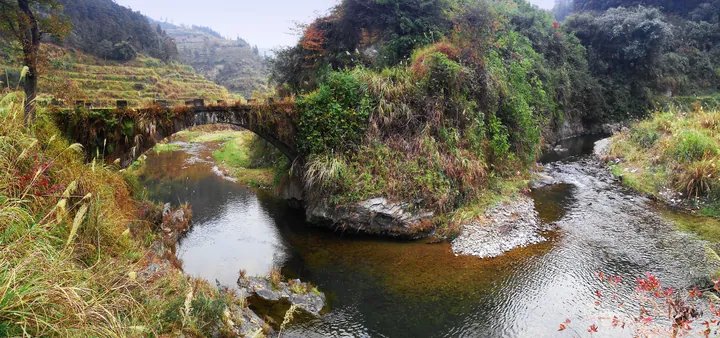 A stone arch bridge with a grassy parapet crossing a shallow rocky stream, terraced fields rising on the hillside behind it, autumn grasses and shrubs along the banks and scattered village buildings on the upper slope under a pale sky.
Basha Miao Village岜沙苗寨
Basha is a Miao village whose old trees and stone paths are central to its physical setting. Timber houses sit among the wooded slopes, while local clothing and hairstyles are visible elements of a living cultural tradition…
Read the place guide → Xiasi Ancient Town · 下司古镇
Xiasi Ancient Town下司古镇
Xiasi is an old river-trade town on the Qingshui river in Kaili City, Qiandongnan, Guizhou. It rose from water-borne trade more than six hundred years ago and is nicknamed both 'the pearl on the Qingshui river' and 'Little Shanghai of Eastern Guizhou'.
Read the place guide →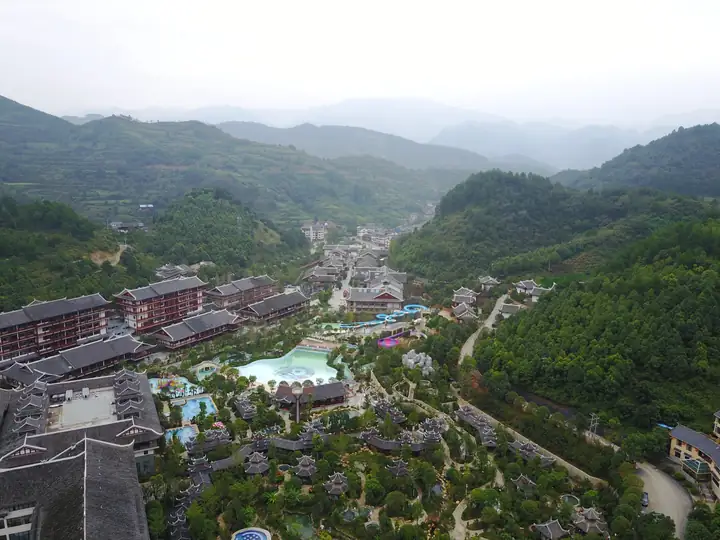 Jianhe Hot Spring · 剑河温泉
Jianhe Hot Spring剑河温泉
The Jianhe Yang'asha hot-spring town is a hot-spring scenic area in Wenquan village, Cengsong township, Jianhe County, Qiandongnan, Guizhou, 7 kilometres from the county town. It is a national AAAA tourist attraction and was named one of China's ten outstanding hot-spring tourism destinations in the fourth Jintang Awards.
Read the place guide → Shidong Ancient Town · 施洞古镇
Shidong Ancient Town施洞古镇
Shidong is a town in Taijiang County, Qiandongnan, Guizhou, whose Miao silver-ornament and embroidery handicraft industry the town government has in recent years worked to develop. The Guizhou Provincial Ethnic and Religious Affairs Commission describes it as home to the country's largest Miao silver-ornament and embroidery production base, alongside several items of national-level intangible cultural heritage.
Read the place guide → AI illustration · AI 示意图(仅供参考,非该地点实拍)
Yuntai Mountain云台山
Yuntaishan is a karst mountain scenic area in the north of Shibing County, Qiandongnan, Guizhou, part of the Shibing Karst World Natural Heritage site and the Wuyanghe National Scenic Area. It is built on 570-million-year-old Cambrian dolomite strata forming a rare cone-shaped peak-cluster and canyon landform, inscribed on the World Heritage List in 2014 as part of the 'China South Karst' nomination.
Read the place guide →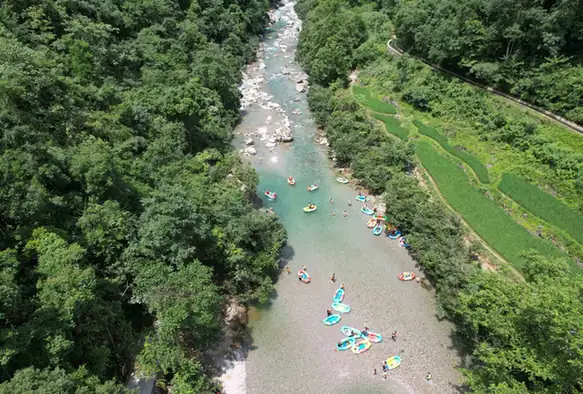 Shanmu River · 杉木河
Shanmu River杉木河
Shanmuhe is a river and canyon scenic area in Shibing County, Qiandongnan, Guizhou, part of the Shibing Karst World Natural Heritage site. Its main channel runs 44.7 kilometres through a catchment of 250 square kilometres, lying mainly within the heritage site's core and buffer zones.
Read the place guide → AI illustration · AI 示意图(仅供参考,非该地点实拍)
Dali Dong Village大利侗寨
Dali is a Dong village in Zaima township, Rongjiang County, Qiandongnan, Guizhou, beside the Lidong stream in a deep mountain valley about 23 kilometres from the county town. Its architectural complex was listed in the seventh national batch of Major Historical and Cultural Sites Protected at the National Level in March 2013, and the village itself was placed in the first national batch of Chinese Traditional Villages in December 2012.
Read the place guide → Sanbao Dong Village · 三宝侗寨
Sanbao Dong Village三宝侗寨
Sanbao is a Dong village on the Chejiang flat beside the Rongjiang county town, Qiandongnan, Guizhou, next to the Zhaihao river, a tributary of the Duliu river. The county-paired-assistance page describes it as China's largest Dong settlement, nicknamed the thousand-household Dong village, with more than 4,500 households and over 20,000 residents.
Read the place guide →AI illustration · AI 示意图(仅供参考,非该地点实拍)Longli Ancient City隆里古城
Longli is a walled Ming-dynasty military garrison town in Jinping County, Qiandongnan, Guizhou, 45 kilometres from the county town. The Jinping county government dates its founding to the nineteenth year of the Ming Hongwu era, which it gives as 1386, while a Xinhua feature gives the eighteenth year of the same era (1385 by the standard calendar) and describes it as the garrison fortress of Zhu Zhen, sixth son of the Ming founder Zhu Yuanzhang; both sources agree the town has stood for more than 600 years.
Read the place guide →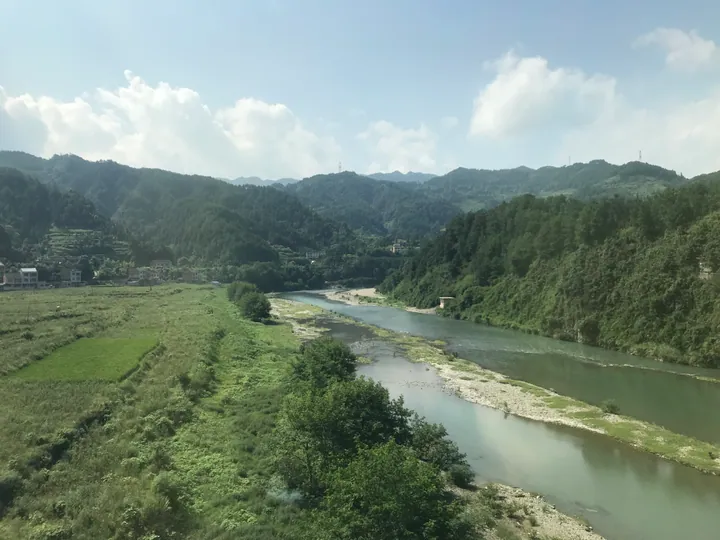 The Wu River valley in Zhenyuan County, Qiandongnan Prefecture · 黔东南苗族侗族自治州镇远县舞阳河河谷风光 Source-recorded photograph date: 2019-08-10 15:26:33.
Wuyang River舞阳河
The Wuyanghe is a river and canyon in Zhenyuan County, Qiandongnan, Guizhou, part of a national-level scenic area confirmed in 1988. Its lower section, within Zhenyuan County, comprises the Longwang, Xi and Dong gorges, joined by the Zhuge gorge across the county line in Shibing.
Read the place guide →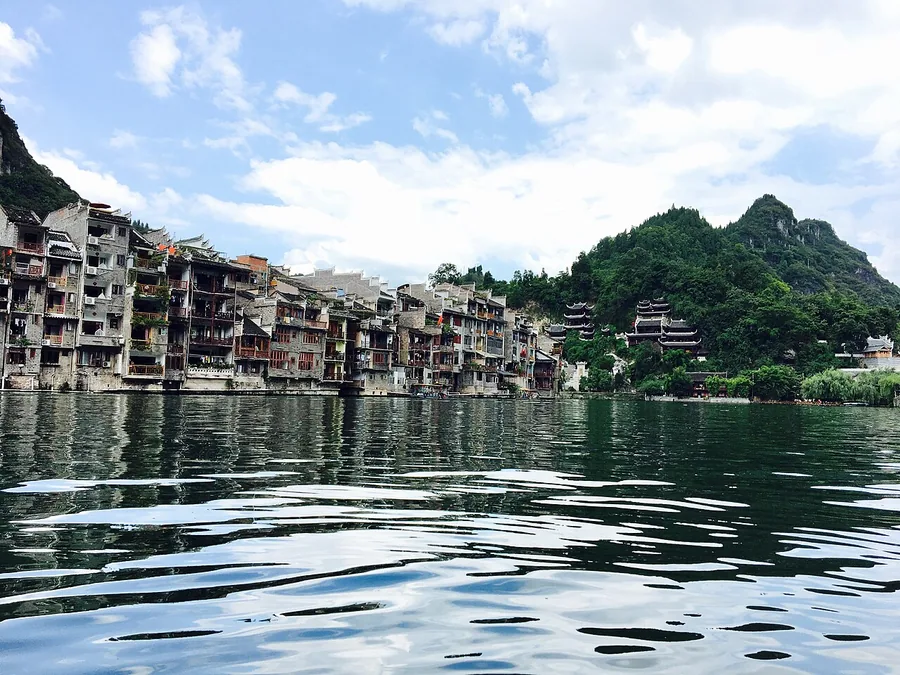 Riverside houses beside the Wuyang River in Zhenyuan old town, Guizhou. Photographed on 6 August 2017.
Zhenyuan County, Guizhou镇远古城
Zhenyuan’s old town follows a bend in the Wuyang River, with traditional streets on the banks and religious buildings climbing the nearby cliff. Zhusheng Bridge provides the approach to Qinglongdong, a complex that brings…
Read the place guide →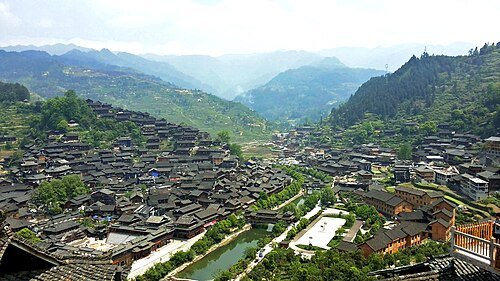 Xijiang Miao Nationality Village · 西江千户苗寨
Xijiang, Guizhou西江千户苗寨
Xijiang’s dark timber houses climb two adjacent hillsides above a river, creating a dense layered roofscape. The riverfront and main street are developed visitor areas, while the hillside lanes also contain residents’ homes…
Read the place guide → Langde Miao Village · 郎德苗寨
Langde Miao Village郎德苗寨
Langde’s upper village is a compact settlement of stone-paved lanes and houses above a tributary of the Bala River. The main square provides a natural focal point, while the edge of the village opens towards rice fields and the…
Read the place guide → Leigong Mountain Official Visitor Area · 雷公山正规开放游览区
Leigong Mountain Official Visitor Area雷公山正规开放游览区
Leigongshan is the summit of the Miaoling range in Leishan County, Qiandongnan, Guizhou, with a main peak at 2,178.8 metres, 30 kilometres north-east of the county town. It is historically known as Niupi Dajing and is called Fangbiele in the Miao language, meaning 'the place where the thunder god lives'; the mountain holds a national-level nature reserve, a national geopark and a national forest park designation.
Read the place guide →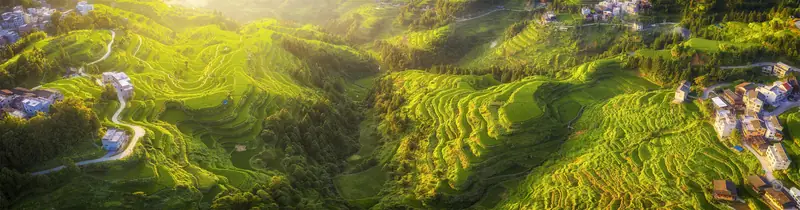 Tang'an Dong Village · 堂安侗寨
Tang'an Dong Village堂安侗寨
Tang'an (堂安侗寨) is a Dong village in Zhaoxing town, Liping County, in the Qiandongnan Miao and Dong Autonomous Prefecture of eastern Guizhou. It stands on the mid-slope of a hill above a fall of stone-built terraces and is the seat of a Dong ecomuseum.
Read the place guide → A drum tower and traditional wooden houses beside the pond at Zhaoxing Dong Village, Liping County · 贵州黔东南州黎平县肇兴侗寨鼓楼与吊脚楼 Source-recorded photograph date: Taken on 3 October 2006.
Zhaoxing Dong Village肇兴侗寨
Zhaoxing fills a narrow valley with timber houses, covered bridges and five drum towers. Each tower belongs to a different community within the village, giving a walk through the lanes a series of distinct gathering places. The…
Read the place guide → Liping Qiaojie Old Street · 黎平翘街
Liping Qiaojie Old Street黎平翘街
Qiaojie (黎平翘街), also called Dongmen Street, is the old merchant street of the county town of Liping in south-eastern Guizhou, a Qing-period quarter of courtyard houses and fire gables running a little over a kilometre from the east gate of the city wall south to Hehuatang at Erlangpo. The Chinese Communist Party's Politburo met on this street on 18 December 1934, in the first such meeting of the Long March.
Read the place guide →Local life & food
Qiandongnan Miao and Dong Autonomous Prefecture local specialties
黔东南苗族侗族自治州特色美食 · 14 specialties to discover
 Leishan chicken rice porridge 雷山鸡稀饭AI dish illustration / AI 菜品示意图
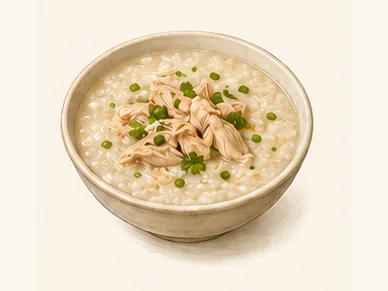
The porridge is soft and savoury with a chicken flavour that runs through the grains. It is a meal rather than a sweet rice drink.
Source ↗Read the dish guide →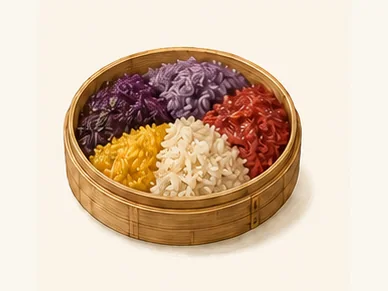 Taijiang Sisters' rice 台江姊妹饭AI dish illustration / AI 菜品示意图
The grains are sticky and aromatic, with their main flavour shaped by accompanying dishes rather than necessarily by added sugar.
Source ↗Read the dish guide →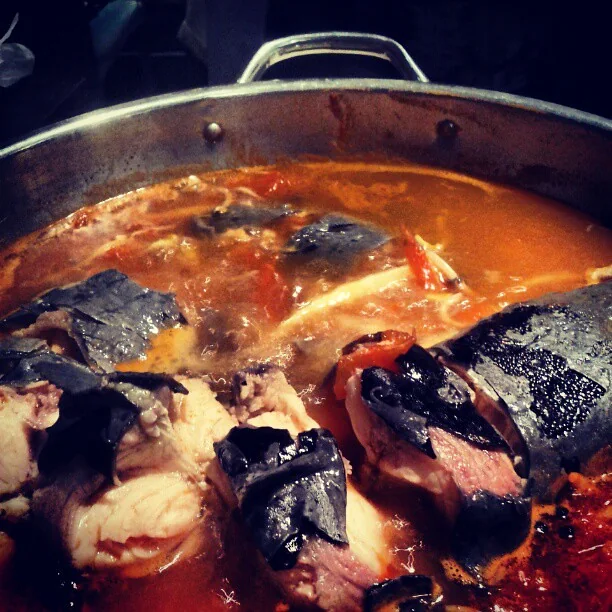 Sour-soup fish 酸汤鱼
The broth is sharply tangy and savory, balancing tender fish with a lively fermented aroma. Chili intensity depends on the soup and dip rather than the name alone.
Source ↗Read the dish guide →Photo adjustments
Resized proportionally to a maximum 640 px long edge, EXIF orientation applied where present, and encoded as WebP. No crop or subject alteration.
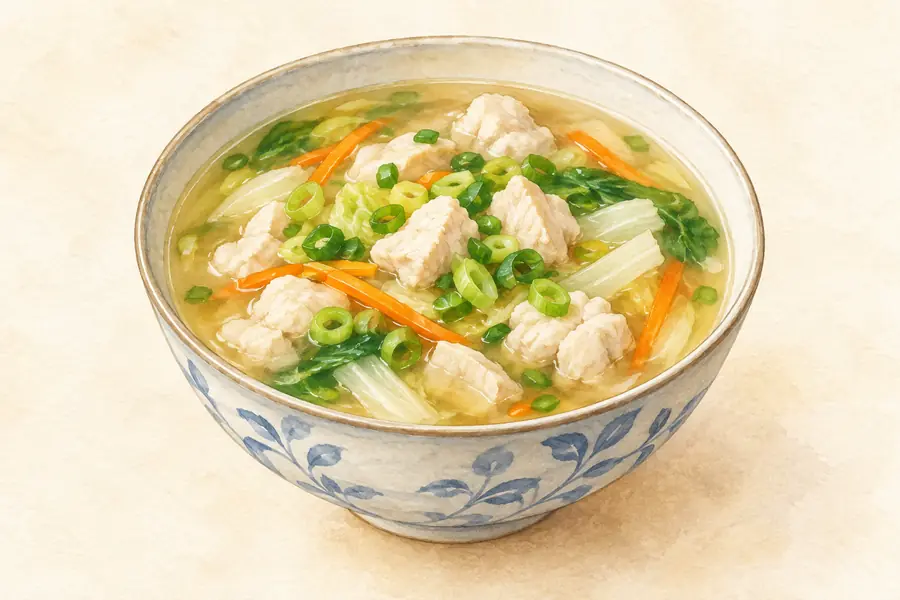 Miao Sour Soup 苗家酸汤AI illustration · AI 示意图(仅供参考,非实拍)
Miao Sour Soup (苗家酸汤) is the fermented sour broth of the Miao households around Kaili (凯里) in Qiandongnan (黔东南), Guizhou, made in its oldest form from rice water left to turn sour in a jar.
Read the dish guide →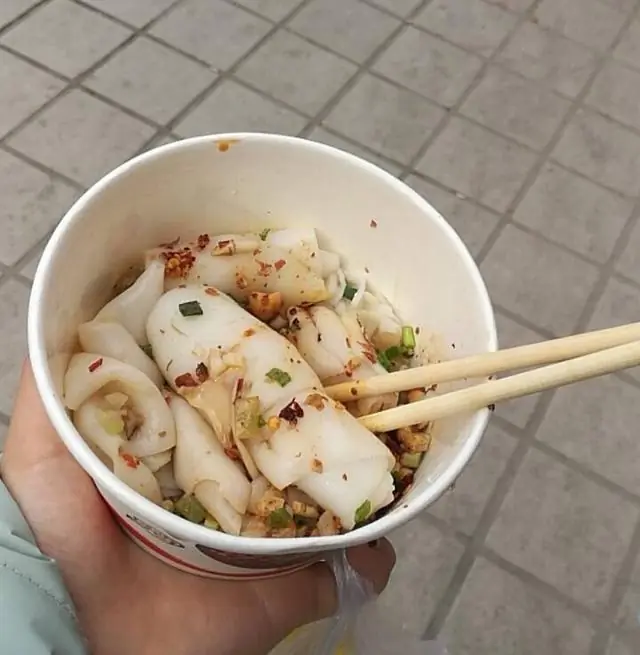 Rongjiang Rolled Rice Noodles 榕江卷粉
Rongjiang Rolled Rice Noodles (榕江卷粉) are filled rice-sheet parcels from Rongjiang (榕江). Their wrappers enclose a cooked mixture of lean meat, dried bamboo shoots, dried tofu and cowpeas.
Read the dish guide →Photo adjustments
EXIF orientation normalized; resized without changing aspect ratio; converted to WebP. No subject edits.
 Congjiang Xiang Pig 从江香猪AI illustration · AI 示意图(仅供参考,非实拍)
Congjiang Xiang Pig (从江香猪) is a miniature local pig breed from Congjiang County (从江县) in Qiandongnan (黔东南), Guizhou, prized for its pork.
Read the dish guide → Liping Pickled Fish 黎平腌鱼AI illustration · AI 示意图(仅供参考,非实拍)
Liping Pickled Fish (黎平腌鱼) is gutted rice-paddy fish cured in jars with a paste of glutinous rice, chilli and Sichuan pepper, a Dong (侗族) food of Liping County (黎平县) in Qiandongnan (黔东南), Guizhou.
Read the dish guide →Zhenyuan Red Sour Soup 镇远红酸汤AI illustration · AI 示意图(仅供参考,非实拍)
Zhenyuan Red Sour Soup (镇远红酸汤) is the fermented red chilli soup of Zhenyuan (镇远) county in Guizhou, which the Zhenyuan county government describes as a traditional food of the Miao (苗族) people.
Read the dish guide →All dish names · 全部菜名 (14)
- Leishan chicken rice porridge · 雷山鸡稀饭
- Taijiang Sisters' rice · 台江姊妹饭
- Sour-soup fish · 酸汤鱼
- Miao Sour Soup · 苗家酸汤
- Rongjiang Rolled Rice Noodles · 榕江卷粉
- Congjiang Xiang Pig · 从江香猪
- Liping Pickled Fish · 黎平腌鱼
- Zhenyuan Red Sour Soup · 镇远红酸汤
- Leishan Fermented Fish Chili Paste · 雷山鱼酱酸
- Sansui Duck · 三穗麻鸭
- Dong Sour-Cured Pork · 侗家腌肉
- Beef Chyme Hot Pot · 牛瘪火锅
- Mutton Chyme Hot Pot · 羊瘪火锅
- Sticky Rice · 糯米饭
More dishes from across Guizhou are in the Guizhou food guide.
Counties & districts in Qiandongnan Miao and Dong Autonomous Prefecture
16 areas belong directly to Qiandongnan Miao and Dong Autonomous Prefecture.
16 areas
Kaili City 凯里市
Kaili (simplified Chinese: 凯里; traditional Chinese: 凱里; pinyin: Kǎilǐ, Hmu: Kad Linx) is a county-level city and the prefecture seat of Qiandongnan Miao and Dong Autonomous Prefecture, in southeastern Guizhou…
Explore the area →CountyHuangping County 黄平县
Huangping County (simplified Chinese: 黄平县; traditional Chinese: 黃平縣; pinyin: Huángpíng Xiàn; Hmu: Wangx Zangx) is a county in the east of Guizhou province, China.
Explore the area →CountyShibing County 施秉县
Shibing County is a county in the east of Guizhou province, China. It is under the administration of the Qiandongnan Miao and Dong Autonomous Prefecture.
Explore the area →CountySansui County 三穗县
Sansui County (simplified Chinese: 三穗县; traditional Chinese: 三穗縣; pinyin: Sānsuì Xiàn) is a county in eastern Guizhou province, China, bordering Hunan province to the east.
Explore the area →Show fewer areas
Zhenyuan County 镇远县
Zhenyuan County is a county of the Qiandongnan Miao and Dong Autonomous Prefecture in the east of Guizhou province, China.
Explore the area →CountyCengong County 岑巩县
Cengong County (simplified Chinese: 岑巩县; traditional Chinese: 岑鞏縣; pinyin: Céngǒng Xiàn), which was called Sizhou (思州) in ancient times, is a county of eastern Guizhou province, China.
Explore the area →CountyTianzhu County 天柱县
Tianzhu County (simplified Chinese: 天柱县; traditional Chinese: 天柱縣; pinyin: Tiānzhù Xiàn) is a county in eastern Guizhou province, China, bordering Hunan province to the north, east, and southeast.
Explore the area →CountyJinping County 锦屏县
Jinping County (simplified Chinese: 锦屏县; traditional Chinese: 錦屏縣; pinyin: Jǐnpíng Xiàn) is a county in the east of Guizhou province, China, bordering Hunan to the east.
Explore the area →CountyJianhe County 剑河县
Jianhe County (simplified Chinese: 剑河县; traditional Chinese: 劍河縣; pinyin: Jiànhé Xiàn) is in the southeast of Guizhou Province, China.
Explore the area →CountyTaijiang County 台江县
Taijiang County (simplified Chinese: 台江县; traditional Chinese: 台江縣; pinyin: Táijiāng Xiàn) is a county in eastern Guizhou province, China.
Explore the area →CountyLiping County 黎平县
Liping County (Dong language: Liic bienc) is a county in the southeast of Guizhou province, China, bordering Hunan to the east and Guangxi to the southeast.
Explore the area →CountyRongjiang County 榕江县
Rongjiang County (simplified Chinese: 榕江县; traditional Chinese: 榕江縣; pinyin: Róngjiāng Xiàn) is a county in southeastern Guizhou province, China.
Explore the area →CountyCongjiang County 从江县
Congjiang County (simplified Chinese: 从江县; traditional Chinese: 從江縣; pinyin: Cóngjiāng xiàn) is a county in Qiandongnan Miao and Dong Autonomous Prefecture, Guizhou, China.
Explore the area →CountyLeishan County 雷山县
Leishan is a county in the east of Guizhou province, China. It is under the administration of the Qiandongnan Miao and Dong Autonomous Prefecture. More than 90% of population are ethnic Hmu (Miao subgroup).
Explore the area →CountyMajiang County 麻江县
Majiang County is a county of southeast-central Guizhou province, China. It is the westernmost county-level division of the Qiandongnan Miao and Dong Autonomous Prefecture.
Explore the area →CountyDanzhai County 丹寨县
Danzhai is a county in the southeast of Guizhou province, China. With a population of approximately 172,000, it is under the administration of the Qiandongnan Miao and Dong Autonomous Prefecture.
Explore the area →No areas match this name.
Plan your visit
Getting there
Search for 黔东南苗族侗族自治州 in a map app to find stations and your accommodation.
Where to stay →Build your route
Jiabang Rice Terraces and Xiaohuang Dong Village are both listed here. The linked place guides have entrance and visit details.
Continue with Guizhou →More in Guizhou
Sources & geographic information
Administrative names and parent areas: Official geographic directory · Reference date 2026-09-06.
Some facts checked against 黔东南苗族侗族自治州 — Wikipedia contributors, CC BY-SA 4.0.
Photo: Jiabang Rice Terraces · Source photographer · License not provided. EXIF orientation normalized; resized without changing aspect ratio; converted to WebP. No subject edits.
Photo: Xiaohuang Dong Village · Source photographer · License not provided. EXIF orientation normalized; resized without changing aspect ratio; converted to WebP. No subject edits.
Photo: Basha Miao Village · 龙歌谷 · CC BY-SA 3.0. Full frame retained; proportionally resized and converted to WebP. No retouching or changes to the photographed subject. Card displays may crop the view.

Photo: Xiasi Ancient Town · Source photographer · License not provided. EXIF orientation normalized; resized without changing aspect ratio; converted to WebP. No subject edits.
Photo: Jianhe Hot Spring · Source photographer · License not provided. EXIF orientation normalized; resized without changing aspect ratio; converted to WebP. No subject edits.
Photo: Shidong Ancient Town · Source photographer · License not provided. EXIF orientation normalized; resized without changing aspect ratio; converted to WebP. No subject edits.
Photo: Shanmu River · Source photographer · License not provided. EXIF orientation normalized; resized without changing aspect ratio; converted to WebP. No subject edits.
Photo: Sanbao Dong Village · Source photographer · License not provided. EXIF orientation normalized; resized without changing aspect ratio; converted to WebP. No subject edits.
Photo: Wuyang River · MNXANL · CC BY-SA 4.0. Full frame retained; proportionally resized and converted to WebP. No retouching or changes to the photographed subject. Card displays may crop the view.

Photo: Zhenyuan County, Guizhou · 杰·影 · CC BY 2.5. Proportionally resized and converted to WebP without cropping, retouching or changing the photographed subject.

Photo: Xijiang, Guizhou · Popolon · CC BY-SA 4.0. Wikimedia thumbnail; fitted to the ranking-card frame.

Photo: Langde Miao Village · Source photographer · License not provided. EXIF orientation normalized; resized without changing aspect ratio; converted to WebP. No subject edits.
Photo: Leigong Mountain Official Visitor Area · Source photographer · License not provided. EXIF orientation normalized; resized without changing aspect ratio; converted to WebP. No subject edits.
Photo: Tang'an Dong Village · Source photographer · License not provided. EXIF orientation normalized; resized without changing aspect ratio; converted to WebP. No subject edits.
Photo: Zhaoxing Dong Village · Joseph Yu · CC BY-SA 3.0. Full frame retained; proportionally resized and converted to WebP. No retouching or changes to the photographed subject. Card displays may crop the view.

Photo: Liping Qiaojie Old Street · Source photographer · License not provided. EXIF orientation normalized; resized without changing aspect ratio; converted to WebP. No subject edits.
Map data © OpenStreetMap contributors. Pins mark approximate centres, not entrances or boundaries.